Think your home is secure? How to spot overlooked entry vulnerabilities
Most people feel safest at home, but the weak spots that matter are usually the ones you stop noticing. The front door you walk through every day, the side window you crack for fresh air, the Wi‑Fi router humming in the corner, all of them can quietly turn into open invitations if you are not paying attention. I want to walk through the entry vulnerabilities that get overlooked most often and show you how to harden them without turning your place into a bunker.
Think of it like tuning up a rifle or a truck before a long trip. You are not rebuilding everything from scratch, you are checking the parts that fail under stress and fixing what you find. With a methodical look at doors, windows, basements, smart gear, and even your own habits, you can close the gaps that burglars and hackers count on.
Start with a real-world security “scouting trip” around your house
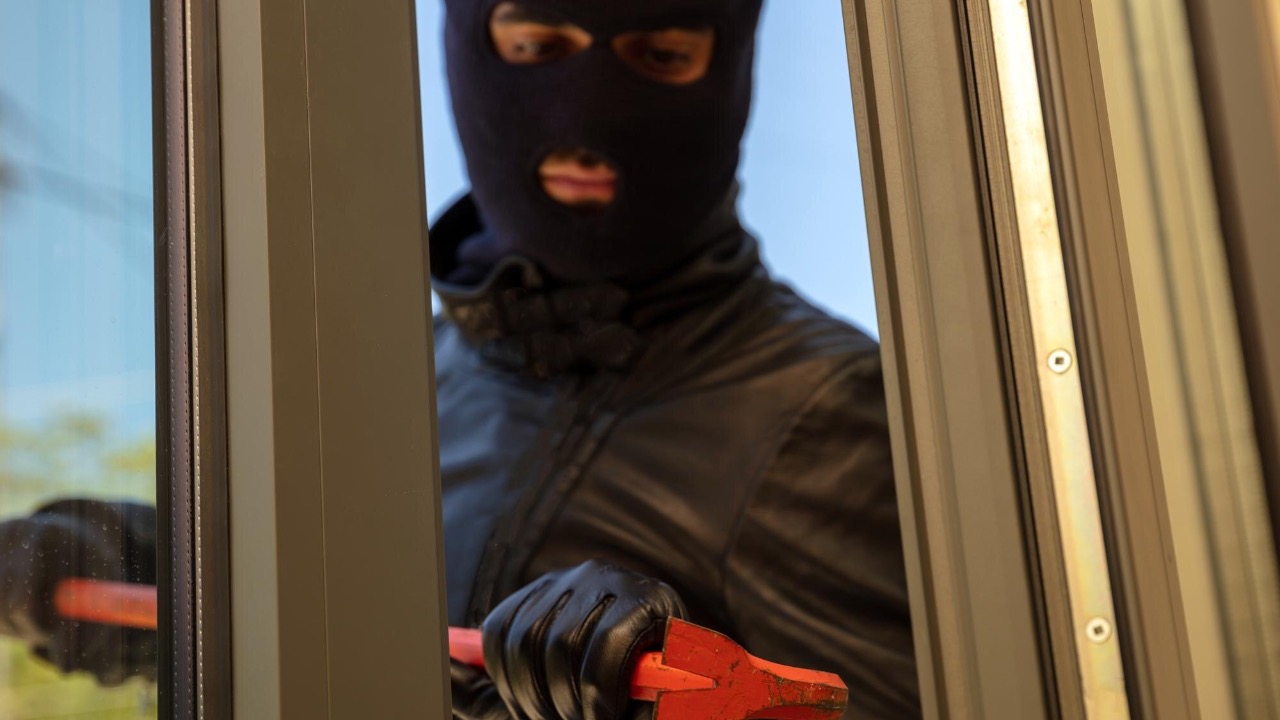
The first mistake I see is folks assuming their place is fine because nothing bad has happened yet. A better approach is to treat your property like a stranger would, then run a structured check of every angle. That starts with a slow walk around the outside, looking at how visible your doors and windows are from the street and from neighbors, and asking where someone could lurk without being seen. A formal Home Security Audit does exactly that, with Step 1 telling you to Assess Your Property for exterior visibility before you ever touch a lock.
Once you have circled the place, move inside and repeat the process with a more technical eye. A thorough Comprehensive Home Security calls for walking both the perimeter and interior, checking fences, gates, and landscaping, and then working through what a full Security Inspection Includes, from doors to lighting. I like to carry a notepad and treat it like a field survey: note every door, every ground floor window, every ladder or stacked firewood that could help someone climb, and every dark corner that would hide a person at night. That written list becomes your repair and upgrade checklist for the rest of the work.
Doors and windows: the “obvious” entry points that still get ignored
Ask any patrol cop or locksmith where break‑ins start and you will hear the same thing: doors and windows. The problem is not that people do not know this, it is that they assume a basic deadbolt and a latch are enough. A detailed Doors and Windows review points out that You cannot keep every window closed all the time and that Locking alone is not enough, especially when a flimsy frame or short screws let a Door get kicked in with one hard hit. That is why I tell people to upgrade strike plates, use 3‑inch screws in the hinges, and add a sensor on any door that opens to the outside.
Windows deserve the same respect. A Window and Door checklist stresses that Windows and exterior doors are prime entry points and that you should Inspect them for damage and actually use the locks you paid for. I like to see supplemental pin locks on sliding windows, security film on glass near latches, and contact sensors tied into an alarm. If you want to go further, newer Front doors have evolved beyond simple entry panels into smart, reinforced units that Today are built to handle both forced entry and connected locks. The key is to stop treating doors and windows as background scenery and start treating them like the load‑bearing parts of your security plan.
Second story and basement access: the “no one would climb that” myth
One of the most dangerous assumptions I hear is that upper floors are safe because “nobody is going to bother climbing up there.” The data and the field stories say otherwise. Several burglary case reviews highlight Second Story Windows as a favorite for crooks who want to avoid motion lights and neighbors, especially when tree branches or porch roofs make them easy to reach. Another breakdown of Unsecured Second Floor Windows notes that Many homeowners focus their efforts on the front door and forget that a cheap latch on an upstairs casement can be jimmied in seconds.
The same blind spot shows up underground. A list of Hidden Weak Spots calls out Basement entrances and windows that are Typically tucked at the back of the house, poorly lit, and often hidden behind shrubs. Another section on Basement access notes that these hatchways and windows are Typically overlooked in daily life, which is exactly why they get targeted. I tell people to treat every reachable window, whether it is over the garage or half buried in a window well, as a ground floor risk: add locks, bars or grates where practical, and motion lighting that snaps on the second someone steps near it.
Side doors, sliders, and the “back of house” problem
Most homeowners pour their energy into the front entry and leave the rest of the shell half finished. Burglars know that, which is why they spend more time at side doors, garage entries, and patio sliders than at the fancy door with the camera. A breakdown of the Top 3 Most notes that However, Doors we use daily, like the one from the garage into the kitchen, are often left unlocked or built with weaker cores. According to that same review, open or unlocked doors are a leading factor in successful break‑ins, which lines up with what I have seen on the ground.
Glass sliders are another soft spot. A separate look at glass doors points out that a typical patio unit can be lifted off its track or forced at the latch if it has not been reinforced. That is why I like to see a metal bar or dowel in the track, anti‑lift blocks at the top, and a keyed lock instead of the stock thumb latch. On the front side of the house, newer Front doors have into units that work as hard as they look, with multi‑point locks and smart hardware, but those gains do not help if the side door is hollow‑core with a loose knob. Walk around your place at night and pay special attention to any entrance that is not visible from the street. Those are the ones that need better locks, better light, and, ideally, a sensor tied into your alarm.
Landscaping, fences, and the “cover vs. concealment” tradeoff
Out in the woods, you learn fast that cover and concealment are two different things. The same lesson applies around a house. Tall shrubs and privacy fences feel comforting, but they can also give an intruder a place to work unseen. A detailed Home Security guide on Identifying Vulnerability in Your House urges Every homeowner to scrutinize fences, gates, and outdoor structures that might hide someone from view. It also stresses that Your exterior lighting and sightlines are part of Your first line of defense, not an afterthought.
That same theme shows up in a broader look at Identifying Vulnerability, which calls training family members in best security practices essential so they do not, for example, stack firewood under a window or leave a ladder leaning against the house. Another checklist of Best Security Tips specifically recommends trimming bushes and trees near entry points and reminds you to Secure Valuables out of sight. I like to think of the yard like a rifle range: you want clear lanes of fire, or in this case, clear lines of sight from the street and from your own windows, with motion lights that snap on when someone crosses into that space.
Smart locks, Wi‑Fi, and the cyber door into your living room
Even if every physical door is locked tight, a weak network can be a wide open gate. Smart locks, cameras, and thermostats are handy, but they all hang off the same Wi‑Fi that your phone and laptop use. Security specialists warning about How to protect a smart home point out that Using weak passwords, skipping firmware updates, or leaving Wi‑Fi exposed lets attackers pivot into your accounts and devices. Once someone has that foothold, they can unlock doors, kill cameras, or simply watch and learn your routines.
That same risk shows up in lists of Hidden Weak Spots, which include Weak Wi‑Fi protection alongside physical gaps. A separate rundown of Hidden Home Security are Overlooking urges homeowners to enable WPA3 encryption if available and to avoid posting travel plans until after you have returned. I treat the router like another lock: change the default credentials, use a long passphrase, keep firmware updated, and put smart devices on a guest network when you can. That way, even if one gadget gets compromised, it is harder for someone to reach the rest of your digital life.
Seeing the whole picture: physical, digital, and human factors together
One pattern that jumps out across all the research is how often people split security into separate buckets. They think of locks and lights as one world and passwords and apps as another, then forget that a burglar or hacker does not care which category a weakness falls into. A review of the top Mistakes organizations make calls out Treating physical and cyber security as separate worlds as a major problem and notes that Modern systems, from cameras to access control, are all tied together. That same logic applies at home when your smart lock, doorbell camera, and alarm app all ride on the same phone and Wi‑Fi.
To keep that from turning into a single point of failure, I like to borrow from professional Centralizing practices. A good security review starts by Centralizing data on your devices and settings, then moves to Step 2, The Physical Walkthrough focused on Identifying Blind Spots, because Threats rarely attack where you are already looking. On the home front, that means listing every camera, lock, and sensor, checking who has access to each app, and then physically walking the property to see where those tools leave gaps. It also means recognizing that Hardware rarely fails; people do, whether that is a family member propping a door open or ignoring a low‑battery alert on a sensor.
Using checklists and audits so you do not miss the small stuff
Hunters and backcountry folks live by checklists because forgetting one small item can ruin a trip. Home security is no different. A structured How to Conduct a Home Security Audit in Easy Steps breaks the work into Step by Step tasks, starting with visibility, then moving to locks, windows, and lighting. Another guide to Step 2, The Physical Walkthrough, emphasizes Identifying Blind Spots in camera coverage and access control, and reminds you that Threats adapt to whatever you ignore.
On the tech side, a Security Maintenance Checklist built to Start 2026 with Confidence tells you to INSPECT AND CLEAN ALL CAMERAS so dust, debris, and weather do not blind them, and to CHECK recording and storage devices regularly. I like to schedule that kind of maintenance twice a year, the same way you might service a rifle before deer season and again before a big trip. A broader Home Security System tip sheet also reminds you to Install a monitored system because One of the most effective ways to protect your place is to combine alarms, sensors, and cameras into a single setup. The point is not to chase every gadget, it is to use written checklists so you do not forget the boring but critical tasks that keep the whole system working.

Asher was raised in the woods and on the water, and it shows. He’s logged more hours behind a rifle and under a heavy pack than most men twice his age.