Officials Warn as Invasive Insects Spread Into New Regions
Invasive insects don’t usually arrive with flashing lights or sudden die-offs. They creep in quietly, hitch rides on firewood, nursery plants, shipping pallets, and even vehicles. By the time officials start issuing warnings, these bugs have often already settled in. What makes them dangerous isn’t just population growth, but how quickly they disrupt systems that wildlife, landowners, and hunters rely on. Trees weaken, food sources disappear, and habitats change in ways that take decades to reverse. If you spend time outdoors, these insects aren’t an abstract problem. They’re reshaping the ground, the timber, and the seasons you know.
Asian Needle Ant
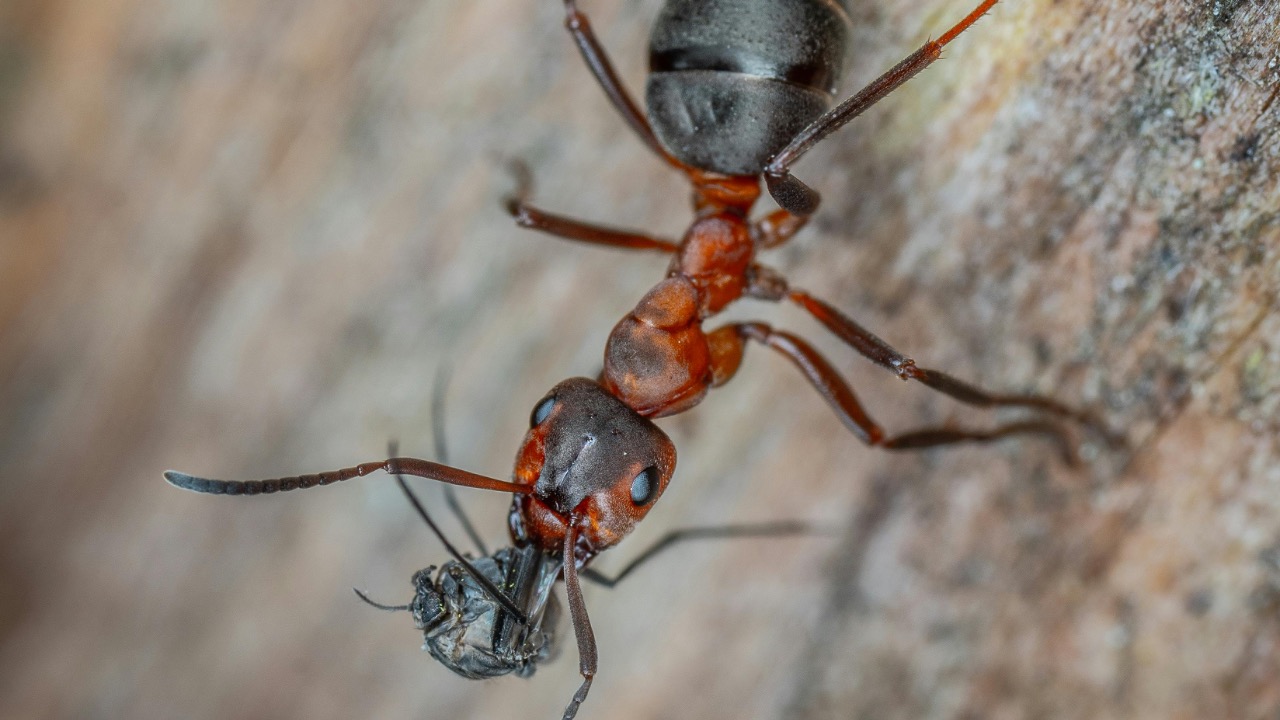
The Asian needle ant doesn’t look like much, which is part of the problem. It slips into wooded areas, suburban yards, and trail systems without drawing attention. Officials are concerned because it spreads quietly and pushes out native ant species that support birds and small mammals.
Unlike many invasive ants, this one thrives in cooler conditions, allowing it to expand northward faster than expected. It nests under logs and leaf litter, putting it right where people hike, hunt, and work. Its sting can cause serious reactions, and its presence alters forest floor ecology in ways that ripple upward through the food chain.
Elm Zigzag Sawfly
The elm zigzag sawfly is still unfamiliar to many people, even as it spreads into new regions. It targets elm trees, leaving a distinctive zigzag feeding pattern along the leaves. At first glance, damage looks minor, which lets infestations go unnoticed.
Over time, repeated defoliation weakens trees already stressed by disease and drought. Officials warn that healthy-looking elms can decline quickly once populations establish. Because larvae resemble native insects, they’re often misidentified. That delay gives the sawfly a foothold, especially in riparian areas where elms stabilize soil and shade waterways used by wildlife.
Cactus Moth
The cactus moth doesn’t threaten forests, but it poses a serious risk to arid ecosystems. Its larvae burrow into prickly pear cactus, hollowing plants from the inside. Officials are watching its spread closely in regions where cactus supports wildlife and prevents erosion.
Once established, the moth can wipe out large stands in a few seasons. That loss affects everything from nesting birds to deer that rely on cactus during drought. Control is difficult because larvae stay hidden until damage is advanced. As it moves into new territory, land managers face tough choices about containment and long-term habitat loss.
Eucalyptus Longhorned Borer
The eucalyptus longhorned borer has been spreading beyond its original footholds, raising alarms in regions where eucalyptus trees are used for windbreaks and habitat. The beetle’s larvae tunnel deep into trunks, weakening trees without obvious early signs.
Infested trees often fail during storms or dry spells, creating safety hazards and sudden canopy loss. Officials warn that stressed trees are especially vulnerable, which ties outbreaks to drought cycles. While eucalyptus isn’t native everywhere it grows, many species depend on it locally, meaning borer damage can reshape bird movement and shelter patterns quickly.
Coconut Rhinoceros Beetle
The coconut rhinoceros beetle is gaining attention as it expands into new regions through shipping routes. Adults bore into palms to feed, damaging growing tissue and leaving trees vulnerable to disease and collapse.
Officials worry because palms are foundational plants in many coastal ecosystems. When they decline, erosion increases and shade disappears. The beetle spreads faster than early models predicted, partly because larvae thrive in compost, mulch, and debris piles. That makes ports, landfills, and even backyard yard waste staging grounds for further expansion into surrounding natural areas.
Spotted Wing Drosophila
Unlike most fruit flies, the spotted wing drosophila attacks healthy fruit, not rotting leftovers. It has expanded steadily into new regions, hitting wild berries and soft fruits that wildlife rely on.
Officials note that damage often goes unnoticed until populations spike. By then, reproduction is already out of control. This insect doesn’t kill plants outright, but it reduces available food for birds and mammals during critical seasons. In forest edges and old fields, that loss can shift feeding behavior and pressure other food sources, quietly changing how animals move across the landscape.

Asher was raised in the woods and on the water, and it shows. He’s logged more hours behind a rifle and under a heavy pack than most men twice his age.