
Knives that demand careful handling to survive
Not every knife is meant to be pushed hard. Some are built for precision, light carry, or fine cutting, not prying, batoning, or bone work. Problems start when expectations don’t match design. Experienced hunters and outdoorsmen learn quickly which knives reward finesse and which ones punish abuse.
The knives below aren’t bad tools. In fact, many perform extremely well at what they’re designed to do. They simply demand careful handling, thoughtful technique, and restraint to stay alive through a season.
Opinel No. 8
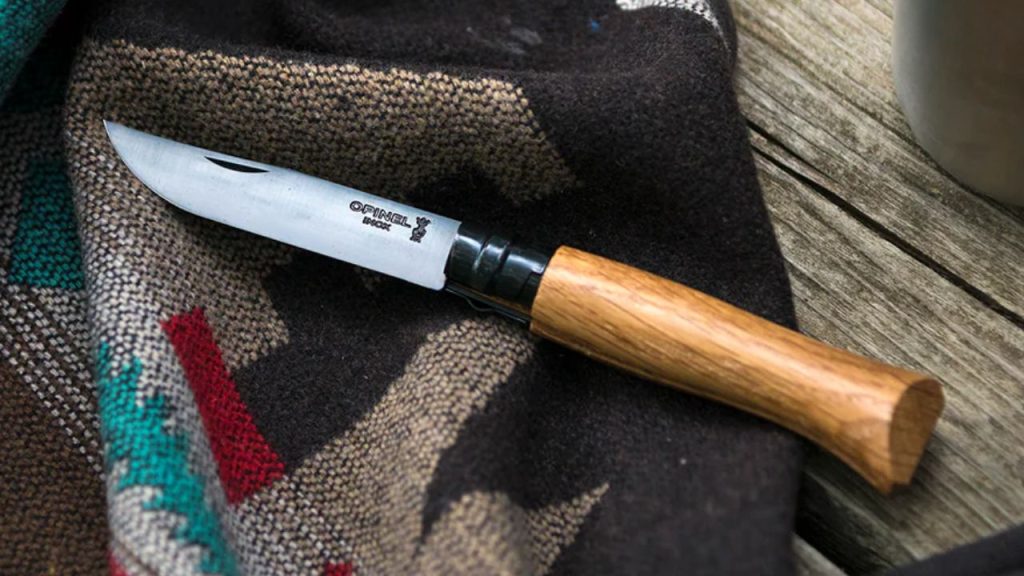
The Opinel No. 8 is famous for its slicing ability and lightweight feel. Thin steel and a simple lock make it excellent for food prep and light field work.
What it doesn’t tolerate is twisting or lateral pressure. Treat it like a scalpel, not a pry bar, and it lasts. Push it past that, and failure comes quickly.
Benchmade Bugout
The Bugout is built for minimal weight and everyday carry comfort. That thin blade excels at clean cuts and controlled work.
Hard use exposes its limits. Lateral stress, bone contact, and rough leverage can damage the blade or lock. It survives by being used thoughtfully, not aggressively.
Buck 110 Slim
The Slim version of the Buck 110 trades robustness for reduced weight. It handles light field dressing well when cuts are planned and deliberate.
Forceful work or torque stresses the blade and lock quickly. It rewards patience and clean technique, not hurried processing.
Mora Classic No. 2
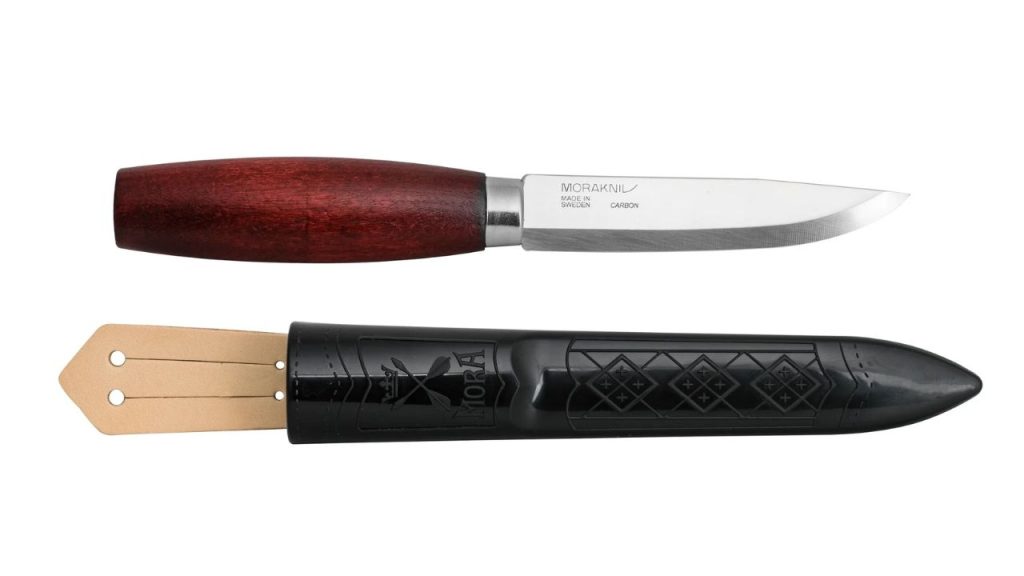
Mora knives slice extremely well thanks to thin blades and Scandinavian grinds. They’re excellent for controlled cutting tasks.
They are not built for heavy bone contact or prying. Keep the cuts straight and purposeful, and they perform beautifully. Abuse shortens their life.
Havalon Piranta
The Havalon excels at precision skinning and fine detail work. Sharpness is unmatched when used correctly.
The tradeoff is fragility. Twisting, levering, or pushing through joints snaps blades instantly. It survives only when you respect its role.
Victorinox Fieldmaster
Victorinox blades are thin and incredibly sharp. They handle food prep and light cutting tasks effortlessly.
They don’t tolerate force. Hard contact or twisting damages edges quickly. Proper use keeps them functional for years.
Gerber Paraframe

The Paraframe is lightweight and simple, but that simplicity limits strength. It cuts fine when used carefully.
Hard pressure exposes flex and lock weakness. It survives by staying within light-duty roles.
Spyderco Delica
The Delica offers excellent control and slicing performance. Thin blade geometry makes it efficient and accurate.
That same thinness demands restraint. Avoid twisting and prying, and it holds up. Ignore that, and damage follows.
CRKT CEO
The CEO is designed for slim carry and precision cutting. It excels at controlled tasks.
Any attempt at hard use overwhelms it quickly. It’s a finesse tool, not a workhorse.
Kershaw Leek
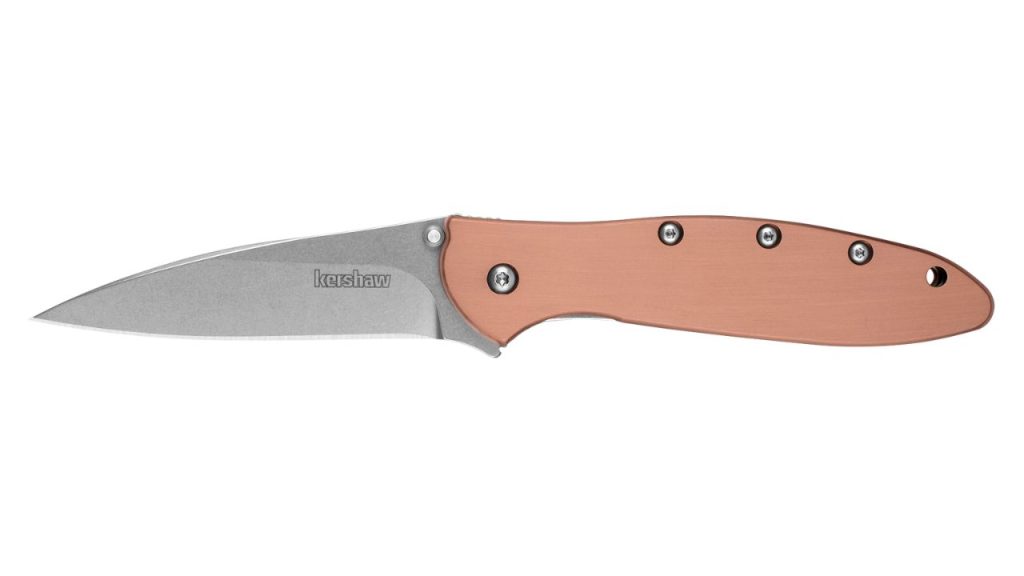
The Leek’s narrow blade offers excellent tip control and clean slicing.
The fine tip and thin steel require careful handling. Bone contact and twisting shorten its lifespan fast.
Case Trapper
Traditional slip-joint knives like the Trapper rely on technique, not locks. They cut well when used deliberately.
Forcing them leads to slips or broken springs. Respect keeps them working. Carelessness doesn’t.
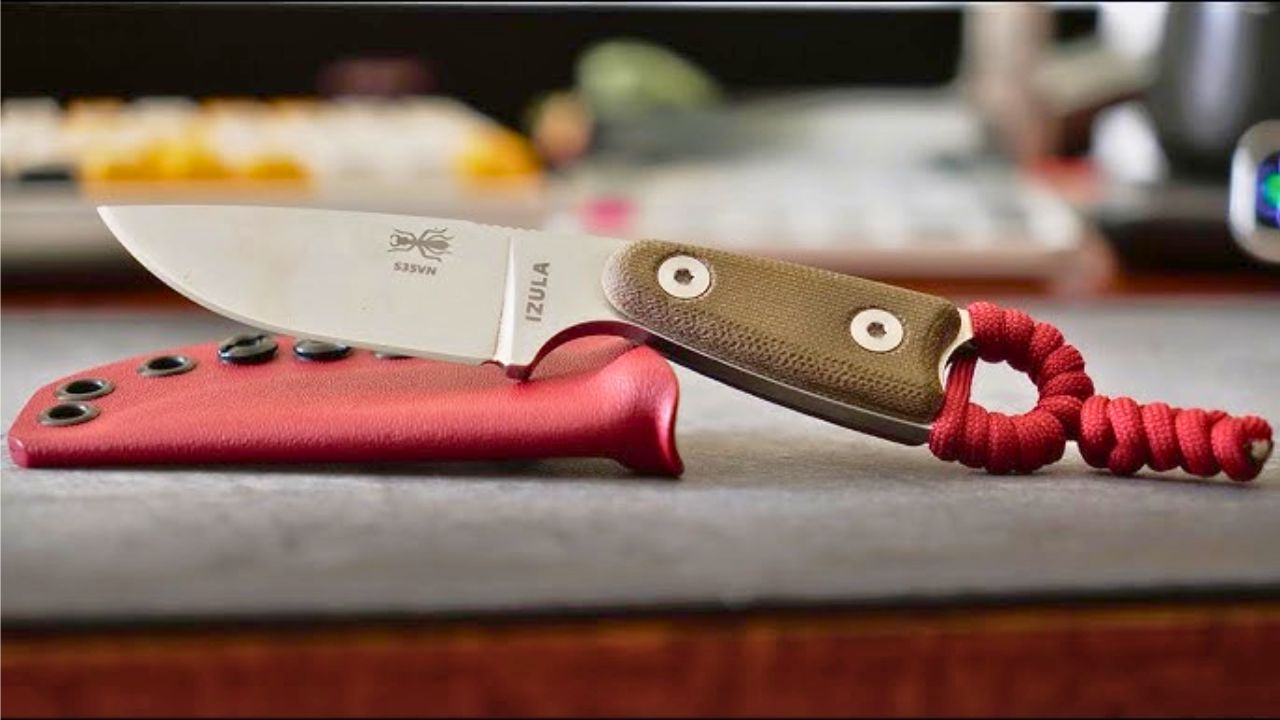
ESEE Izula
Despite its reputation, the Izula’s small size limits leverage. It’s strong for its size, but still demands restraint.
It handles controlled cutting well. Heavy prying or twisting risks damage. Technique matters more than strength here.

Leo’s been tracking game and tuning gear since he could stand upright. He’s sharp, driven, and knows how to keep things running when conditions turn.


