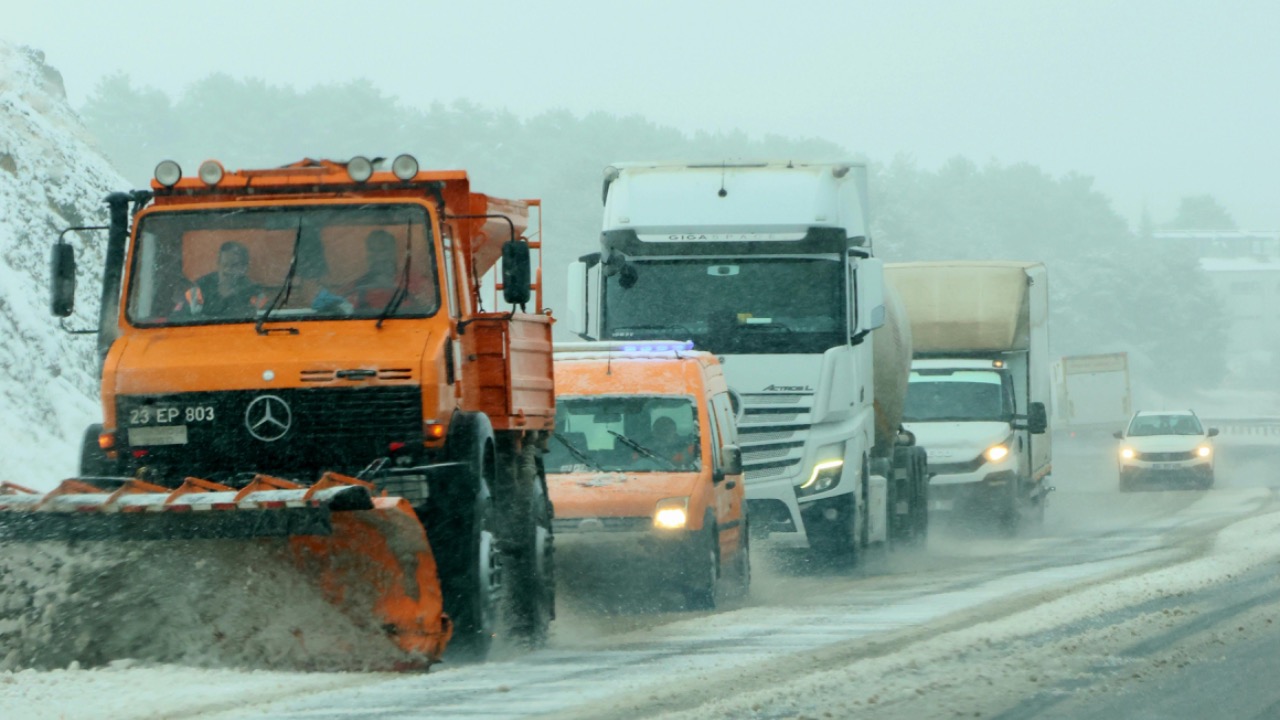
Snow and ice warnings issued as flooding risks rise in dozens of areas
You know how winter can pull a fast one on us—bright sunshine one minute, treacherous roads and swollen rivers the next. Right now, authorities are warning people across large regions about snow, ice, and the growing threat of flooding as temperatures fluctuate and precipitation patterns shift. Meteorologists and agencies like the Met Office and Environment Agency are urging extra caution, especially as freezing conditions settle in after bands of rain. These warnings aren’t just for inconvenient commutes — they point to real risks for travel, infrastructure, and properties. Staying aware and prepared makes all the difference when winter weather swings hard.
Snow and Ice Alerts Across the UK
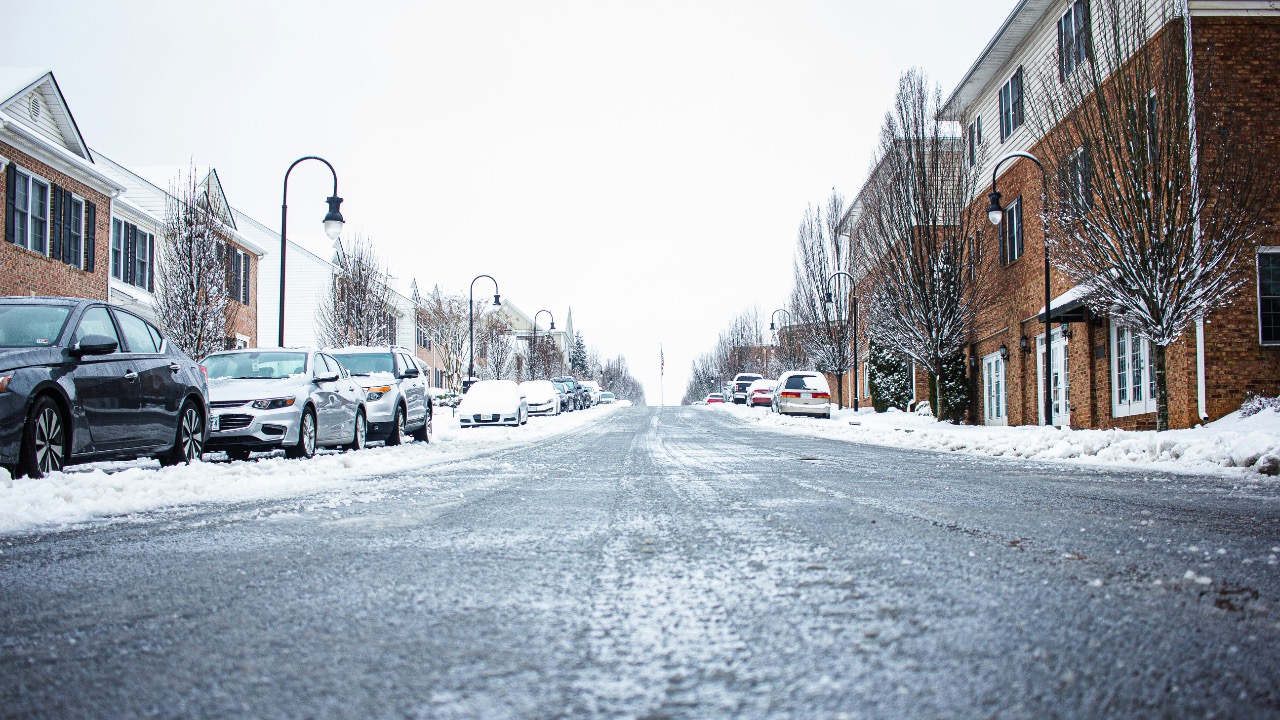
Across the United Kingdom, the Met Office has put yellow warnings in place for snow and ice that will affect Scotland and large swaths of England and Northern Ireland over coming nights. Higher elevations are likely to see patchy snow accumulations, while dropping temperatures will turn wet surfaces slick and hazardous.
The Environment Agency has simultaneously flagged widespread flooding risks, with dozens of flood warnings where inundation is expected and nearly triple that number of alerts where flooding is possible. Heavy rain paired with melting snow has pushed rivers toward their banks, raising concerns for homes and roads. Emergency teams are active in some communities, and officials are urging everyone to stay aware of changing conditions.
Freezing Rain and Ice in the U.S. Midwest
In the United States, winter weather isn’t confined to snow. In northern and central Michigan, weather services are predicting freezing rain accompanied by a mix of rain and snow, creating dangerous icy conditions on roads and walkways. Ice accumulations could reach significant depths, particularly around Clare, Osceola, and Gladwin counties.
Even where snow isn’t expected, freezing drizzle and a thin glaze of ice can cover untreated surfaces and bridges. That’s the sort of condition that turns routine travel into a challenging exercise in patience and caution. Officials in Michigan’s Upper Peninsula also warn of heavier snowfall in the coming days, adding to the mix of winter hazards and complicating travel plans.
California Storm Brings Snow and Flood Threats
California, a state not usually associated with heavy winter weather, is being pounded by a major winter storm that’s producing heavy snow in the Sierra Nevada and saturating lower elevations with rain. Flash flood warnings are in effect for parts of Los Angeles County as rainfall runs off steep terrain, raising the risk of mudflows — especially in areas still recovering from wildfires.
Mountaintop snow totals could reach feet, with major highways already closed or experiencing dangerous conditions. Forecasters are keeping a close eye on the combination of snowmelt and rain that can overwhelm rivers and drainage systems, pushing flood risk even higher.
Travel Dangers From Black Ice to Flooded Roads
When temperatures plunge after precipitation, rain and melted snow can refreeze into black ice on roadways. That’s been a focus in parts of New England, where transportation officials warned that untreated secondary roads and bridges could turn slick, even where conditions look normal.
Bridges and shaded surfaces are especially vulnerable. Ice accumulation can make travel treacherous, and motorists are being reminded to reduce speed and increase following distances. This type of ice hazard isn’t always obvious and can catch even careful drivers off guard.
Rivers Rising and Flood Threats Intensifying
Across flood-prone regions, warnings reflect rising water levels and the potential for rivers to swell as snowpack melts and rain pours in. In England alone, more than 70 flood warnings remain active, and hundreds of alerts where flooding is possible have been issued.
These flood risks aren’t abstract. Roads and fields can quickly become inundated, and low-lying homes or businesses near waterways may face water intrusion. The combination of melting snow and additional rain boosts water volumes, and officials are urging residents to stay informed and prepared as conditions evolve.
What the Warnings Mean for You
When weather services issue these kinds of advisories — snow warnings, ice warnings, flood alerts — they’re signaling that conditions will affect everyday life. Snow can slow or halt travel, ice can make surfaces dangerously slippery, and flooding can cut off roads and disrupt utilities. Preparing early — checking local forecasts, securing property, and knowing evacuation routes — helps protect you and your family.
It’s worth paying attention to how these systems interact. A thaw can briefly ease ice problems while adding to runoff that fuels flooding downstream. When temperatures swing back below freezing, that moisture can form fresh ice and create new hazards. Staying aware of changing conditions and adjusting plans accordingly keeps you safer and better equipped when winter weather tests your region.

Asher was raised in the woods and on the water, and it shows. He’s logged more hours behind a rifle and under a heavy pack than most men twice his age.