Why certain cartridges vanish from shelves every fall
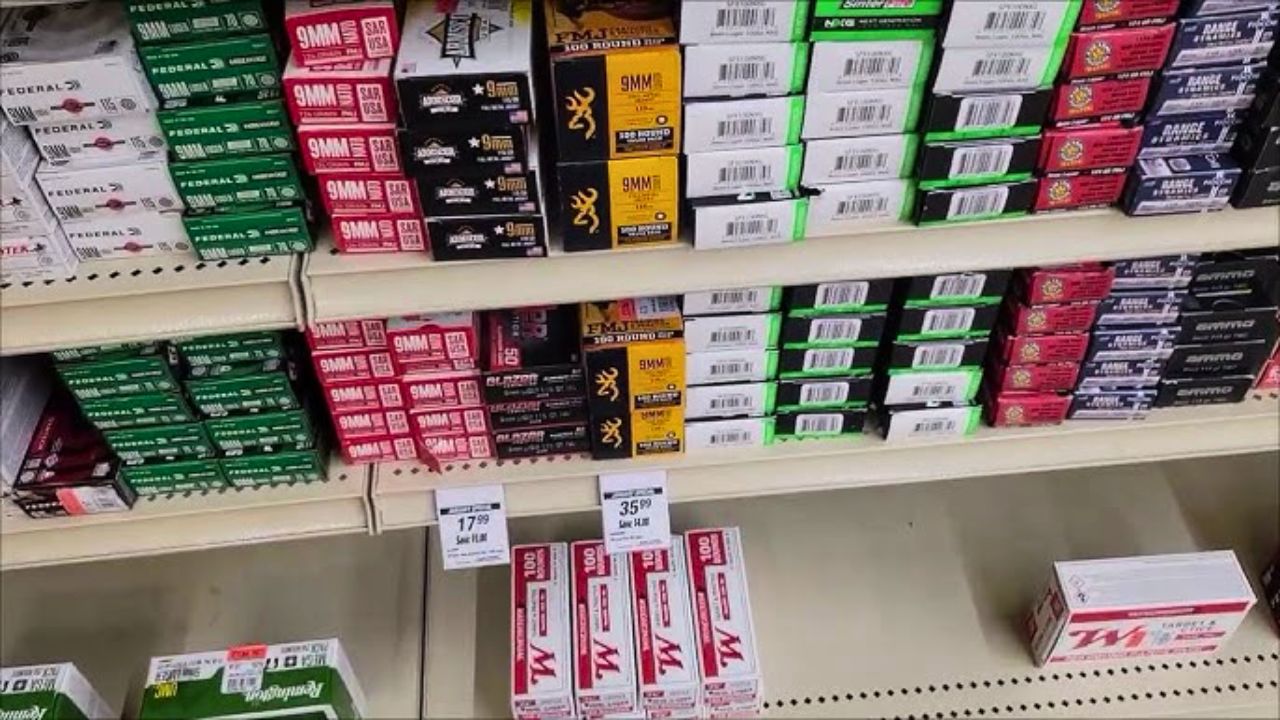
Every fall, the same ritual plays out in hunting towns and suburban sporting goods aisles: shelves that looked full in midsummer suddenly have yawning gaps where popular rifle and shotgun cartridges used to sit. Some loads simply sell out until winter, while others seem to vanish for good as shooters quietly move on to different calibers.
Those empty slots reflect a mix of seasonal demand, manufacturing limits, shifting tastes and the hard reality that some cartridges never win enough long‑term buyers to justify a production run. Understanding why certain rounds disappear each autumn helps explain both the annual scramble for ammunition and the steady churn of winners and losers in the cartridge market.
How fall hunting season flips the ammo switch
Retailers see a clear pattern as summer fades and hunting dates approach. Traffic picks up, first with browsing and questions, then with decisive buying as deer and small‑game seasons draw near. One trade analysis of archery and firearms retailers describes how Get Ready for Deer Season Deer hunters open their wallets in preparation for what, to many, is the most anticipated season of the year, and how that anticipation translates into brisk sales of ammunition, optics and accessories long before opening day. Stores report that sales come not only from new participants, but also from experienced hunters refreshing gear and topping off their ammo supply.
The surge is not limited to bowhunting gear. A separate look at Seasonal Hunting Demand Layered on top of this global complexity notes that hunters and target shooters tend to buy ammunition in concentrated bursts that line up with local seasons. When those windows open, especially for deer and waterfowl, demand for specific calibers and loads jumps sharply. The combination of pent‑up anticipation and fixed season dates turns late summer and early fall into a compressed buying season, which is why cartridges that seemed plentiful in July can be nearly impossible to find by October.
Why popular hunting rounds vanish first
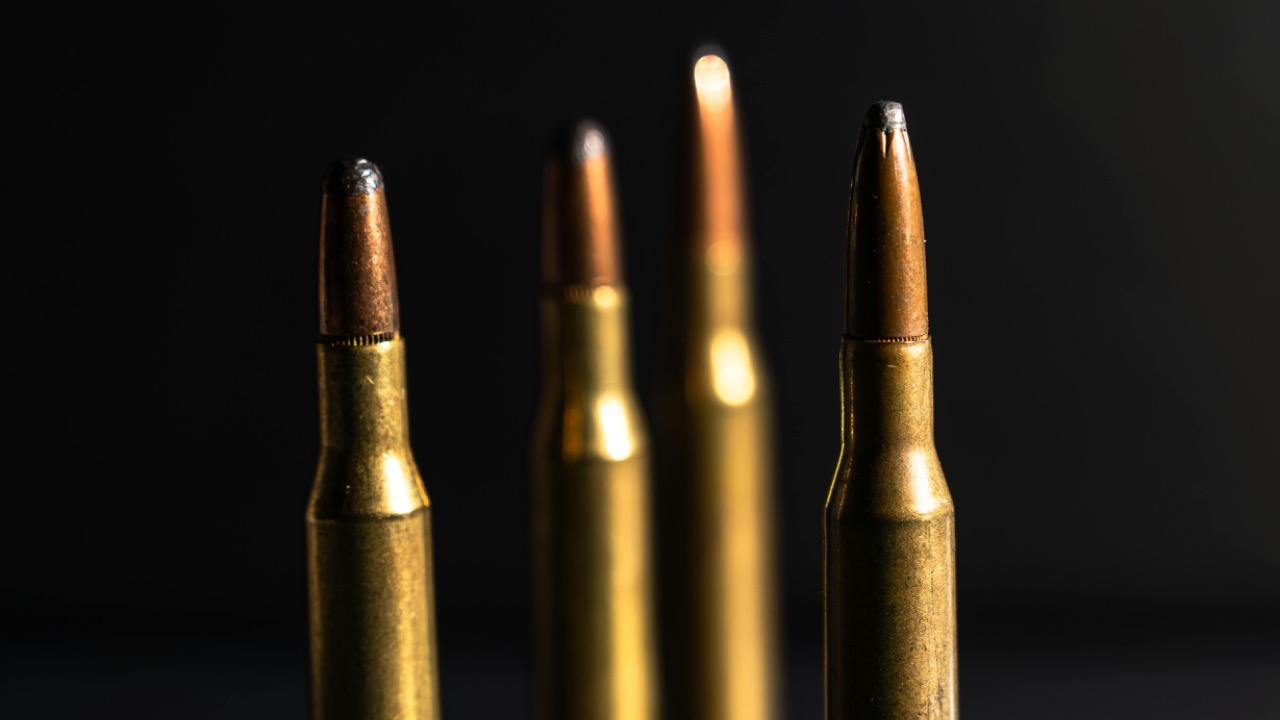
The cartridges that disappear most reliably in autumn are often the opposite of obscure. Walk into a sporting goods store in August and the ammo shelf can look well stocked with common deer calibers, yet by the time the first cold front hits, core hunting rounds are the ones most likely to be sold down to a few mismatched boxes. Reporting on how Cartridges that disappear every season and why they always do describes shelves where .30‑06 Springfield, .308 Winchester and .270 Winchester loads shrink fastest, especially in soft‑point hunting configurations that match regional deer regulations and traditions.
Retailers and manufacturers understand that pattern, but they cannot always stay ahead of it. The same analysis explains that chains try to build inventory early, only to see a rush of customers clear out specific bullet weights and brands once local hunters lock in their plans. Many buyers are not just purchasing enough for a single season, but are also grabbing extra boxes in case of later shortages, which further accelerates the drawdown of the most popular hunting cartridges in the weeks before opening day.
Cartridges that fade because nobody keeps buying them
Alongside seasonal sellouts of popular rounds, a quieter disappearance unfolds for cartridges that never quite catch on. Some arrive on the scene with heavy marketing and lofty promises of flatter trajectories or better long‑range performance, only to lose momentum once the initial buzz fades. An analysis of Cartridges that vanish because nobody keeps buying them describes how certain niche calibers enjoy a brief spike of interest, then stall when hunters and shooters revert to trusted standards like .30‑06 or .223 Remington, leaving retailers with slow‑moving stock that is eventually cleared out and not reordered.
Manufacturers pay close attention to those buying patterns. When a cartridge fails to build a stable base of repeat customers, production slots are gradually reassigned to better sellers, and the underperforming round becomes harder to find each passing season. Over time, the effect at retail looks similar to a temporary fall shortage, but the cause is different. Instead of a cyclical spike in demand, the cartridge is quietly being retired from regular runs because nobody keeps buying it at a level that justifies continued investment in brass, dies and packaging.
Case study: how 224 Valkyrie and other experiments lose steam
Online shooter communities provide a window into how once‑hyped cartridges can fade from view. In one extended discussion of cartridge types with declining popularity, users point to the 224 valkyrie died off pretty quick and describe how early enthusiasm gave way to reports of inconsistent performance and limited factory load options. That same thread notes that the 7 WSM got abandoned by winchester ( it was probably the best of the wsm’s), illustrating how even technically capable designs can struggle if they do not secure enough rifles, ammunition offerings and long‑term marketing support.
Participants in that forum also observe that interest in certain magnum and wildcat rounds has been decreasing in fashion since the 60s as shooters gravitate toward more efficient cartridges that deliver acceptable performance with less recoil and cheaper ammunition. As those preferences shift, the impact shows up on fall shelves. A store might once have stocked several variants of a short magnum for elk season, only to replace them over time with extra rows of .308 Winchester or 6.5 Creedmoor because that is what customers now request. The result is that experimental or marginal cartridges appear briefly, then vanish as the market consolidates around a smaller group of proven performers.
Retailers, pre‑season planning and the deer hunter effect
Shops that cater to hunters have learned that ammunition planning for fall starts as soon as the previous season ends. Trade guidance aimed at archery and gun retailers encourages owners to Get Ready for Deer Season Deer hunters by analyzing sales data, adjusting orders and building displays that highlight ammunition alongside bows, rifles and accessories. That preparation includes close coordination with distributors to secure allocations of key calibers before the pre‑season rush, along with marketing campaigns on channels such as social media and industry feeds that remind customers to stock up early.
Even with careful planning, however, retailers must balance shelf space and cash flow. Some turn to specialized partners such as hunting retail advisers and shooting sports consultants to decide which cartridges deserve deep inventory and which should be special‑order only. In practice, that often means doubling down on high‑volume deer and turkey loads while trimming back on less common calibers that tie up capital. When fall arrives, the popular rounds vanish first because they were heavily promoted and heavily bought, while fringe cartridges may be absent altogether because the store decided they were not worth the risk.
Why manufacturers cannot instantly ramp up production
On the factory floor, ammunition makers face constraints that are invisible to most shoppers. A detailed look at how Ammo manufacturers face a tough balancing act explains that production lines cannot instantly scale up just because hunting season opens. Companies must schedule long runs of specific calibers months in advance, secure raw materials and coordinate labor, all while serving law enforcement, military and export contracts that compete with civilian hunting demand. When a fall spike arrives, there is limited flexibility to switch machines from one cartridge to another without disrupting those commitments.
The same analysis of Seasonal Hunting Demand Layered on top of broader supply issues notes that global factors such as component shortages and shipping delays can further tighten availability. If a plant is already running flat out on 9 mm and .223 Remington to satisfy year‑round demand, shifting capacity to hunting cartridges for a short seasonal window becomes a difficult choice. Manufacturers may prioritize a handful of top sellers and let lower volume rounds slide for a year, which is why some cartridges simply do not appear in new production at all and any remaining stock on shelves disappears quickly once fall buyers arrive.
How hunters adapt when favorite loads are gone
When a trusted cartridge or specific load is missing from the shelf in October, hunters rarely give up their season. Instead, they adjust by buying alternative bullet weights, different brands or even switching calibers if they own more than one rifle. Preparation advice from deer specialists recommends that Shortly after the season, take an inventory of your hunting ammo and have a plan for replenishing depleted stock during the spring, including buying an extra box or two in case it becomes scarce later. That kind of forward planning reduces the chance of being caught short when demand peaks.
Some hunters also respond by standardizing on widely available cartridges that are less likely to vanish entirely. A shooter who once used a niche round for deer but struggled to find ammunition two years in a row may be pushed toward a more mainstream choice that retailers consistently stock. Over time, those individual decisions reinforce the cycle in which popular cartridges dominate production and shelf space, while marginal options fade further into the background and are most visible only in online forums or specialty shops.
The role of online communities and direct‑to‑consumer sellers
As brick‑and‑mortar shelves thin out in the fall, many shooters turn to online communities and direct sellers to track down scarce cartridges. Discussions on boards like the one that labeled the 224 valkyrie died off pretty quick often include real‑time reports of which retailers still have certain loads, along with tips on compatible alternatives. Dedicated ammunition sites such as ammo marketplaces aggregate inventory from multiple warehouses, which can temporarily soften local shortages by shipping cartridges into regions where physical stores are empty.
At the same time, online chatter can accelerate the disappearance of specific rounds. A single post warning that a certain deer load is running low can prompt dozens of readers to buy extra cases, quickly draining remaining stock. That behavior mirrors the way other consumer goods vanish once scarcity rumors spread. For cartridges that are already produced in small batches, a wave of online orders in late summer can exhaust the entire annual run, leaving fall shoppers with the impression that the round has vanished overnight when, in reality, it simply sold out faster than usual.
Why some seasonal shortages never fully recover
For the most popular hunting cartridges, fall shortages are temporary. Production resumes, inventories rebuild and shelves refill over winter and spring. For weaker performers, however, a thin fall can be the beginning of a permanent decline. When Cartridges that vanish because nobody keeps buying them fail to move even during peak season, manufacturers see little reason to allocate scarce production time in the following year. Retailers interpret the same signal from unsold boxes that linger into the off‑season, and many respond by dropping the cartridge from their planograms entirely.
Broader business priorities can reinforce that trend. Corporate groups behind major ammunition brands also operate in other sectors, from defense technology to consumer goods sold through outlets such as online storefronts and services that rely on digital payment systems. In that context, a marginal hunting cartridge that only sells a modest number of boxes each fall has to compete internally against more profitable projects. If it cannot clear that bar, the seasonal shortage eventually becomes a quiet discontinuation, and the cartridge joins the long list of rounds that appeared on shelves for a few years, then vanished when their small audience moved on.

Leo’s been tracking game and tuning gear since he could stand upright. He’s sharp, driven, and knows how to keep things running when conditions turn.