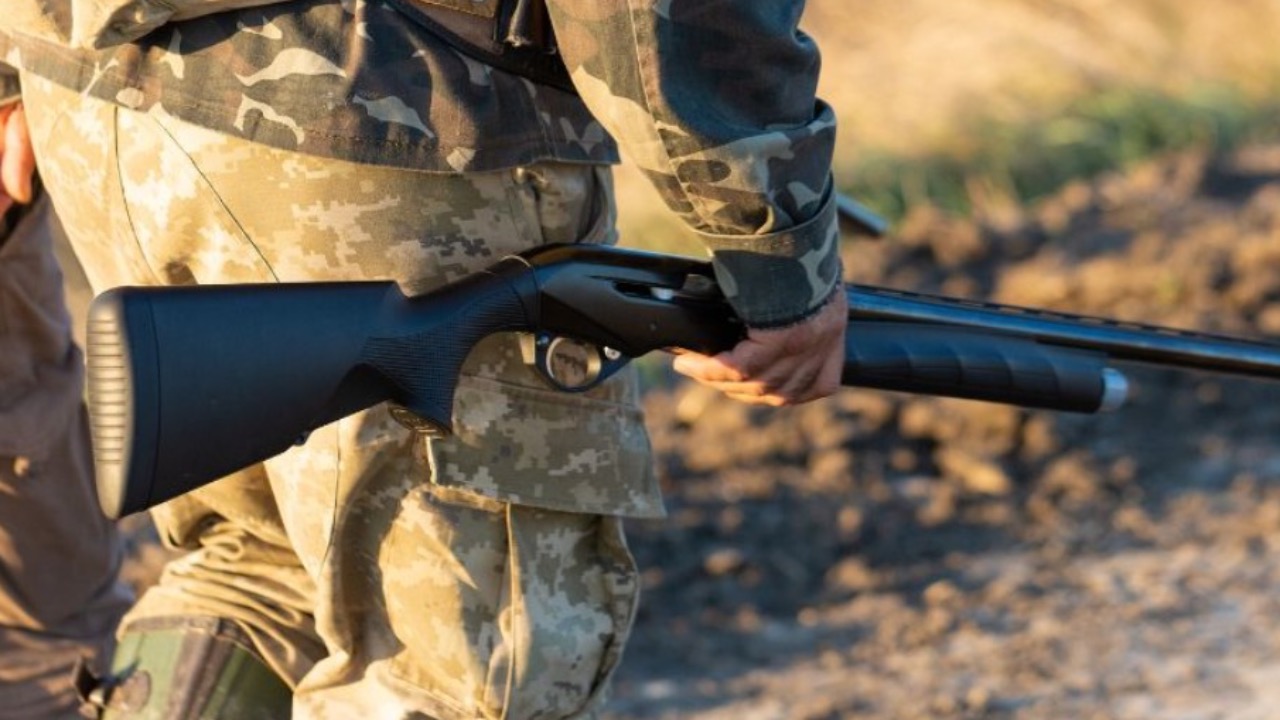
Hunters Are Rethinking What “Enough Gun” Really Means
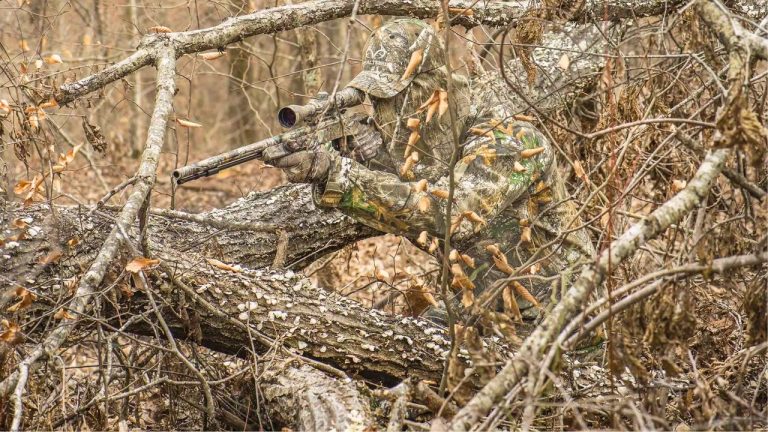
Across deer camps, gun counters, and online forums, hunters are quietly rewriting an old rule of thumb about firepower. The question is no longer whether a cartridge is “big enough,” but whether the whole setup, from recoil to bullet design to shooter skill, is appropriate for the job. As gear gets more specialized and access more crowded, I see more hunters asking what “enough gun” really means in the field, not on paper.
That shift is healthy. It pushes us to think less about bragging rights and more about clean kills, safe backstops, and rifles we can actually shoot well under pressure. It also forces a hard look at how modern bullets, suppressors, and even airguns have changed the game, and where the old magnum mindset still matters.
The Old Rule Meets New Realities
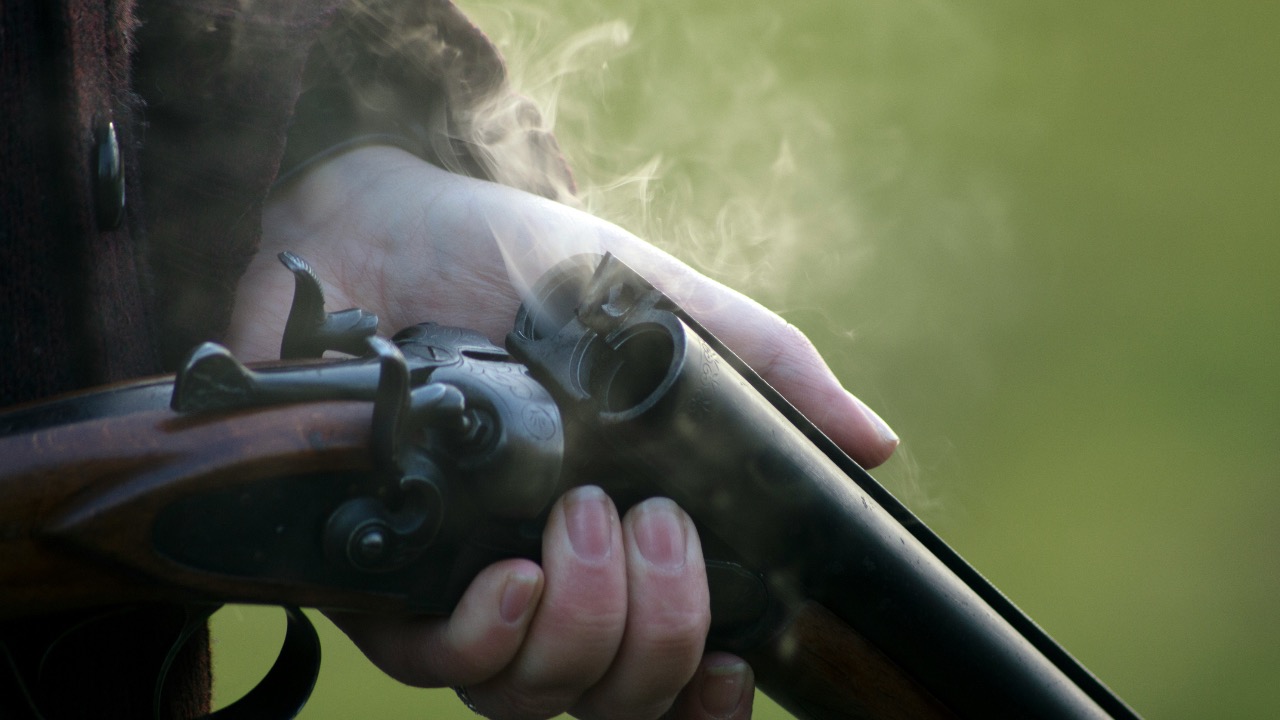
The phrase “use enough gun” came out of a time when bullets were crude, ranges were guessed, and hunters leaned on big bores to cover a lot of unknowns. That mindset still echoes every time someone insists you need a thumping magnum for whitetails at bow range. In the rural Southwest, where one writer described carrying a handgun that has to handle both “bad guys” and varmints, the idea of enough gun now has to span personal defense and pest control in the same everyday carry.
That kind of overlap shows how much the situation has changed since the phrase was coined. Instead of one big rifle for everything, many hunters juggle a compact carry pistol, a mid‑caliber deer rifle, and maybe a dedicated long‑range rig. The question I hear more often now is not “How big is it?” but “Can I control it, and will it perform with the bullets I am actually using?” In other words, enough gun has become a balance of power, shootability, and context, not a simple bore diameter.
Deer Rifles: From Magnums To Manageable
Nowhere is that balance more obvious than in the whitetail woods. For decades, the default answer to “what should I buy?” was a .30‑06 or a belted magnum, and you still see that in older gun racks. Today, lists of the Best Caliber for are full of moderate rounds like 7mm‑08 Remington and .280 Remington alongside 7mm Remington Magnum. Those mid‑bores hit hard enough for big‑bodied deer but kick less, which means more practice and better shot placement for most people.
On social media, you can watch that pendulum swing in real time. One hunter who loves the 7mag and 28 Nosler for mule deer and elk still recommends the classic 270 Winchester for new or young hunters who are first getting into big game. That is a telling choice: the cartridge is flat shooting and proven, but the recoil is mild enough that a teenager is not flinching off the bench. Enough gun, in that case, means a round that kills cleanly without scaring the shooter into bad habits.
Shotguns, Turkeys, And Dual‑Use Guns
Rethinking enough gun is not limited to rifles. A lot of folks now expect one shotgun to pull double duty as a home‑defense tool and a turkey killer. That has pushed some creative setups, like short‑barreled pumps with red dots and tight chokes that still pattern well with heavy loads. One hunter who runs a defensive shotgun on gobblers swears by a specific load from Federal Premium, the Mag‑Shok High Velocity HEAVYWEIGHT Turkey, calling it the best combination he has found for that dual‑role gun.
That kind of crossover highlights a different side of the enough‑gun question. A 3‑inch magnum turkey load out of a light defensive shotgun is absolutely “enough” in terms of terminal performance, but it can be punishing from the bench and unforgiving of sloppy form. Hunters who go this route are learning to tune their gear, from recoil pads to optics, so they can actually use that power without developing a flinch. The goal is not to chase the hottest shell on the shelf, but to find a combination that patterns tight, hits hard, and can be shot accurately from field positions.
Big Bores, Subsonics, And The New Quiet Power
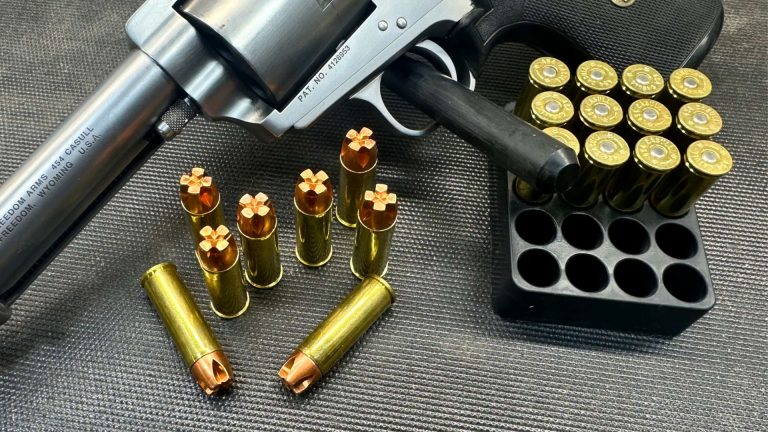
At the other end of the spectrum, big‑bore traditional rounds are getting a second life thanks to modern bullets and suppressors. The old .45‑70 Government, once pigeonholed as a thumper with a rainbow trajectory, now shows up in suppressed lever guns and single‑shots. One new subsonic load from Hornady uses a 410-grain bullet that will expand at subsonic impact speeds, turning what used to be a blunt instrument into a precise, quiet tool for close‑range work.
That same trend shows up in dedicated subsonic rifle ammo. In testing, Ultimately, Hornady Subsonic rifle ammunition has performed well compared with supersonic projectiles, thanks to bullets that are built to expand at lower muzzle velocity. For hunters in tight cover or around noise‑sensitive neighbors, that changes the calculus. Enough gun no longer has to mean a screaming magnum; it can mean a heavy, slow bullet that mushrooms reliably, paired with a suppressor and careful shot selection inside realistic ranges.
Muzzleloaders, Handguns, And The Challenge Factor
Some of the most thoughtful conversations about enough gun come from hunters who deliberately choose more challenging tools. Modern inline muzzleloaders give up quick follow‑up shots but offer dedicated seasons and a different pace. Training materials point out that Not only does muzzleloader hunting increase the challenge, it also gives wildlife managers another way to spread pressure and expand opportunity. In that context, enough gun is about knowing your single shot, your ignition system, and your effective range to the yard.
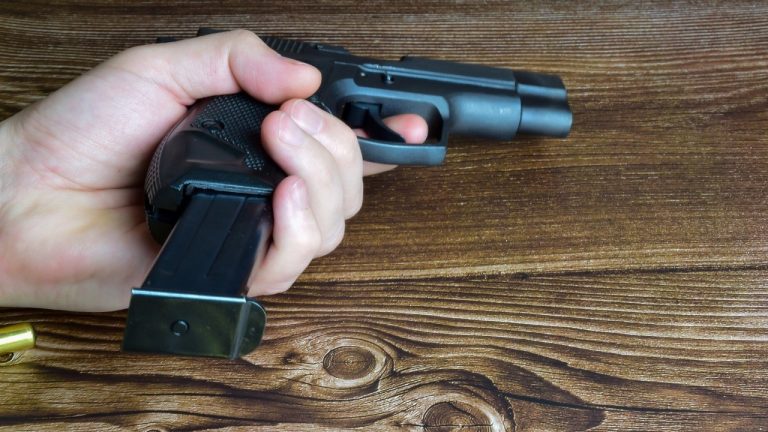
Handgun hunters are having a similar conversation. Guides aimed at new shooters stress that Handguns are smaller and lighter than rifles, which makes them handy for spot‑and‑stalk hunts or elevated stands, but they demand more practice to place shots precisely. A .44 Magnum revolver or a big semi‑auto may be fully capable of taking deer, yet in untrained hands it can be less “enough” than a mild rifle because the shooter cannot hold steady or manage the trigger. I have watched more than one hunter trade down in caliber and up in confidence, and their recovery rates improved overnight.
The .30‑06, Mid‑Calibers, And The One‑Rifle Myth
The old dream of a single rifle that can do everything has not gone away, it has just been refined. The .30‑06 still sits at the center of that conversation, and for good reason. One hunter’s out‑of‑the‑box Ruger M77 with 180-grain Nosler Partitions performed well on a wide variety of game at different ranges, including African plains animals. That kind of track record is why the cartridge still anchors so many safes.
But even the one‑rifle crowd is thinking harder about fit and recoil. In one discussion, a hunter described owning a heavy‑barreled Model 700 CDL in 270 that is accurate but long and unwieldy in his conditions for small deer. That is a perfect example of how enough gun now includes barrel length, weight, and handling. A cartridge that is ballistically ideal on paper can still be the wrong answer if the rifle is so heavy or long that the hunter leaves it in the truck.
Carry Guns, Over‑Penetration, And The Backstop Problem
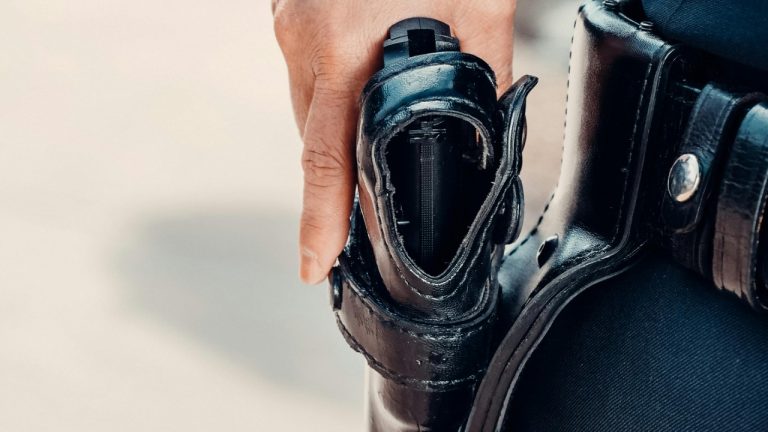
The enough‑gun debate bleeds into concealed carry and backcountry defense, where hunters often rely on the same sidearm for two very different threats. Training pieces on defensive pistols remind shooters that the first rule is to have a gun, but they also warn that a tiny pocket pistol may not be enough when you need fast, accurate follow‑up shots under stress. On the flip side, a full‑size magnum revolver might be more than enough in terms of power, yet too heavy and slow to conceal or deploy in a hurry.
Law‑enforcement voices have added another wrinkle: over‑penetration. One sheriff described a scenario where a powerful bullet could go right through a perpetrator in a crowded store or parking lot and hit someone behind, arguing that in that situation your round might be too much gun for the environment. His warning was blunt, noting that In that situation your bullet can pass through and kill someone else, which forces armed citizens to think about backstops, not just stopping power. Enough gun, in town or at a trailhead, has to factor in who and what is behind the target.
New Tech, New Calibers, And The “Good Enough” Shift
Modern ammo and training have also changed what people consider adequate. Survival‑minded shooters on forums talk about carrying compact pistols or carbines as part of a broader kit, not as a magic talisman. One commenter who owns two firearms said that for defensive survival situations he prefers to carry both, and warned that some environments are the “bad kind of spicy; AVOID,” a reminder that a gun is only one piece of the survival puzzle.
On the training side, one Gun Expert has argued that many popular carry pistols will be rejected in the current era because they are too small, too hard to shoot well, or chambered in marginal calibers. At the same time, another analysis notes that Americans are quietly moving away from 9mm in favor of other rounds in 2026. Whether you agree with that trend or not, it shows that the market is still wrestling with what counts as “good enough” in a defensive caliber, and hunters who carry in the field are part of that conversation.
Airguns, Smaller Calibers, And The Ethics Of Precision
On the hunting side, the biggest change in the enough‑gun debate might be the rise of smaller calibers and even airguns for legal game. Educational material on deer cartridges points out that Choosing an acceptable cartridge has a big impact on success and on the ethical treatment of animals. Those same guides note that bullet technology has improved so much that smaller, efficient cartridges can now do work that once required bigger bores.
That evolution is even more obvious in airgun hunting. Instructors stress that the hunter’s ability and the gun’s accuracy are critical, because the lower energy of airguns leaves much less margin for error compared with centerfire rifles. As one overview puts it, the hunter’s ability and the gun’s accuracy become the limiting factors. In that world, enough gun is not about raw foot‑pounds, it is about whether you can put a pellet into a walnut‑sized vital zone every single time at your chosen distance.
Recoil, Triggers, And The Human Factor
All of this circles back to the person behind the stock. A rifle that looks perfect on a ballistics chart is not enough gun if the shooter cannot manage the recoil or the trigger. One training post from a well‑known hunter reminded followers that a large caliber can have impressive recoil and that you need to be comfortable enough with your rifle to fire multiple rounds when the moment comes in your environment, a point he made while asking hunters about their rifle and caliber of choice.
Gear tinkerers have taken that to heart. One detailed look at carry pistols notes that There is no one size fits all firearm, and manufacturer specs are not designed to work optimally for every person. That logic applies to hunting rifles too. A crisp, manageable trigger, a stock that fits your length of pull, and a caliber you can shoot without bracing for impact will do more for clean kills than another 200 feet per second ever will.
Culture, Policy, And Where We Go From Here
Even the broader gun debate has a way of shaping how hunters think about enough gun. One analysis of firearm policy points out that There is growing research suggesting that more guns can mean more crime, and that trying to weed out dangerous individuals ahead of time is difficult given the sheer number of firearms in circulation. Hunters do not live in a vacuum; those arguments filter into campfire talk and sometimes push people to justify why they own what they own, or to think harder about where and how they shoot.

Asher was raised in the woods and on the water, and it shows. He’s logged more hours behind a rifle and under a heavy pack than most men twice his age.