Handguns Known for Performing When Others Don’t
When handguns are carried for defense, duty, or survival, reliability is not a luxury, it is the whole point. A pistol that keeps cycling when others choke on dirt, bad weather, or imperfect technique is the kind of tool shooters trust with their lives. Across police holsters, concealed carry rigs, and backcountry belts, a handful of designs have earned reputations for performing when others do not.
Those reputations are not built on marketing blurbs alone. They come from endurance tests, law enforcement adoption, military trials, and long years of range use where thousands of rounds expose weak designs quickly. The handguns that keep passing that scrutiny, from polymer duty pistols to heavy revolvers and hulking special operations sidearms, share clear traits that any buyer can look for.
What Reliability Really Means For A Handgun
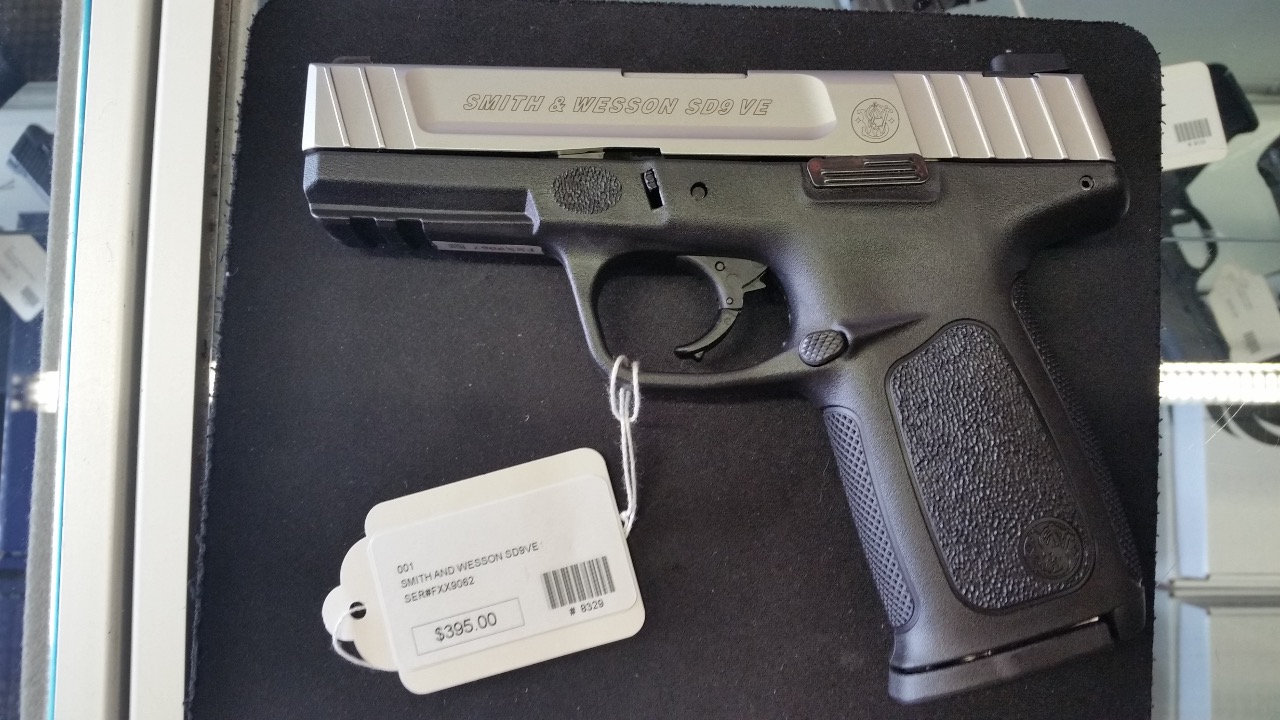
For serious users, reliability is not an abstract ideal; it is a measurable trait that shows up in how a handgun behaves under stress. Everyday carry instructors describe reliability as non negotiable, since a gun that fails to fire in a critical moment can turn a defensive plan into a liability. Guides to Reliability Reliability in EDC pistols stress consistent ignition, clean extraction, and the ability to run quality ammunition without stoppages.
Modern engineering has closed much of the historical gap between revolvers and semi autos. Commentators who compare the two point out that Modern semi automatic are far from unreliable, with advances in design and tighter tolerances making current pistols extremely dependable when they are maintained. Revolvers, meanwhile, still offer mechanical simplicity and, as concealed carry trainers note, Durability Revolvers are known for robust construction that stands up to long term use and harsh environments.
Polymer Duty Pistols That Keep Running
Among polymer framed duty pistols, a few designs are repeatedly praised for functioning through hard use. A widely shared breakdown of These models stand highlights handguns that almost never jam in real world testing, with shooters emphasizing bulletproof reliability and the ability to run for thousands of rounds. In that discussion, the presenter, identified as Nov, focuses on pistols that shrug off poor maintenance and still cycle cleanly when magazines are dropped in sand or mud.
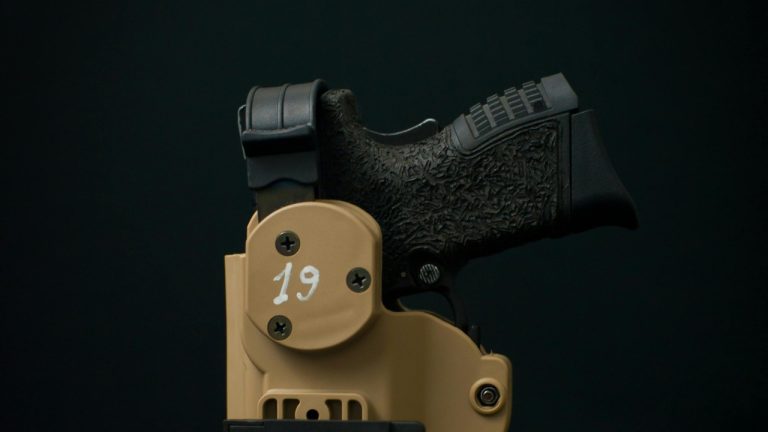
A separate comparison of service pistols reinforces how far polymer designs have come. In a detailed duty pistol showdown, one experienced user, identified on screen as Jun, warns viewers not to sleep on the M&P line, explaining that he has come full circle from several manufacturers and ended up back with the Smith & Wesson design because built tough and handle hard service use well. That same comparison shows the pistol running with an optic in a Safariland 6390 holster, a setup that tends to expose any weakness in cycling or mounting under repeated draws and reholstering.
Glock’s Reputation, And Its Real Limits
Glock pistols appear in almost every conversation about reliable handguns, and for good reason. Armorers and aftermarket specialists describe how Glock pistols are for reliability, with simple striker fired mechanisms and generous internal clearances that tolerate dirt and minor fouling. That reputation is strong enough that one Reddit user, posting under the name Indolesco, declared that Glock 19 is handgun anyone ever needs, describing it as a great all rounder that can fill multiple roles depending on body type and ability to conceal.
Even Glock has limits, though, and specialists who see large volumes of pistols remind shooters that any machine can fail. The same technical breakdown that praises Glock reliability also explains how improper lubrication, weak ammunition, or worn magazines can cause stoppages and how to prevent them before they appear. A separate comparison of calibers in service sized pistols notes that the Glock 22 Gen in .40 S&W benefits from updated internals and a revised grip, which help the pistol manage recoil and maintain control under rapid fire. Taken together, those reports suggest that Glock reliability is real, but it depends on matching the right generation, caliber, and maintenance to the shooter’s needs.
Walther Ergonomics And The PDP Line
Walther has carved out a niche among shooters who value ergonomics as much as raw durability. A detailed look at five influential pistols describes how the PDP inherits the grip profile of its predecessor, noting that Like its grandfather, P99, the PDP has an oval shaped profile that fills the shooting hand rather well. That shape spreads recoil across more surface area and encourages a consistent grip, both of which make malfunctions less likely because the slide cycles with full energy.
The company’s older P99 design still draws attention for its mix of comfort and toughness. A breakdown of underrated self defense pistols notes that the Walther P99 has been officially discontinued, with the Walther brand offering a Final Edition run for fans who appreciate its track record. That same analysis points out that a comfortable grip and controllable trigger can be just as important as mechanical ruggedness, since a shooter who can run a pistol accurately and without flinching is less likely to induce stoppages through limp wristing or poor trigger control.
HK USP, MK23 And The DA/SA Workhorses
Double action or single action pistols still hold strong appeal for shooters who want a long initial pull and a crisp follow up shot, and some of those designs have become reliability legends. Enthusiasts who rank DA/SA handguns describe The HK USP, especially the Compact 9mm model, as one of their favorite guns of all time, citing a track record of durability across high round counts and rough carry. The USP’s design, with its oversized slide rails and stout recoil system, has been proven on firing lines where shooters run thousands of rounds without major parts breakage.
Heckler & Koch pushed that philosophy even further with the Mark 23, a pistol that was built to meet demanding military specifications and has since become a collector favorite. A buyer’s guide to investment grade pistols singles out the HK Mark 23 as the Mark 23 Editor pick among value holding pistols, reflecting both its durability and its long term desirability. Historical overviews explain that Production began in, and that the design was the basis for the USP, with Heckler and Koch USP engineering reported to improve accuracy and durability. The result is a family of pistols that may be large and heavy, but that have earned reputations for firing in adverse conditions where lighter designs might struggle.
Revolvers That Refuse To Quit
Revolvers still hold a special place in discussions of reliability, especially for heavy recoiling cartridges or harsh environments. A technical guide for fiction writers notes that With quality ammunition, semi automatic pistols are extremely reliable, but that revolvers are often perceived as incapable of malfunction. The same guide clarifies that revolvers can fail, but that their fixed barrels and simple cylinder mechanisms make them about as reliable as any machine can be when they are built correctly.
Among heavy revolvers, the Ruger Super Redhawk stands out as a frequent recommendation for shooters who want a handgun that can handle powerful loads. A survey of all time great revolvers points out that the Ruger Super Redhawk, while it does not enjoy quite the popularity of Smith & Wesson big bore revolvers or even some of Ruger’s own single action models, is one of the most practical designs for heavy handgunning. That practicality stems from overbuilt frames, strong lockup, and the ability to digest high pressure rounds that would batter lighter designs into early retirement.
New Generations Of Striker Pistols
Polymer striker fired pistols continue to evolve, and some of the newest designs are explicitly marketed on their ability to keep running when others fail. A detailed feature on role shifting handguns describes how TESTED Glock Gen 6 9mm pistols deliver the next series of polymer frame striker fired handguns that started a revolution in service sidearms. That examination credits Glock with pushing reliability standards that competitors have had to match, and it uses the Glock Gen 6 test as a benchmark for how new pistols should perform in extended firing and environmental exposure.
Other manufacturers are following similar paths. Technical specifications for the SAR 7/24 Compact highlight Military Proven Strength extreme endurance trials to field testing with global armed forces, describing how SAR firearms are engineered to withstand harsh conditions and keep running when other pistols fail. That kind of marketing language would ring hollow if not backed by performance, but the emphasis on endurance trials and military adoption suggests that reliability has become a central selling point in a crowded striker pistol market.
Comfort, Control And User Error
Mechanical design is only part of the reliability equation. How a handgun fits the shooter and how forgiving it is of imperfect technique can matter just as much. A discussion about alternatives for shooters who dislike Glock ergonomics highlights several brands, including Kimber, with one contributor summarizing a popular opinion as Kimber Nice, but as nice as the price would have you believe. The same comment describes FN as good reliable pistols and warns readers to Avoid the Five Seven, calling it fun to play with but not a preferred choice for serious defensive use.
Smaller framed shooters often find that compact single stack pistols give them better control, which in turn reduces user induced malfunctions. In one conversation about practical versus fun handguns, a user identified as TheArchitect_7 noted that the Glock 43x fit small hands and pragmatic needs perfectly, with another commenter replying Same to endorse that experience. Professional instructors who advise on concealed carry choices echo that view, explaining that Professional end users tend to agree that the modern polymer framed striker fired semi auto is simple and reliable, and that most requirements can be met by choosing a model that fits the shooter’s hand and recoil tolerance.
Why Some Guns Hold Value When Others Fade
Reliability does more than keep a pistol running; it also shapes how that gun holds value over time. Collectors and practical shooters alike gravitate toward models that have proven themselves in service, and that demand often keeps prices strong on the secondary market. One overview of value holding pistols explains that some designs, such as the HK Mark 23 that appears as the Mark 23 Editor pick, combine military pedigree with limited production and a reputation for durability, which makes them attractive long term investments. That analysis sits alongside a broader ecosystem of gear and accessories, with related products highlighted through Best Value Holding branded collections that appeal to owners of these high end handguns.
Even outside the handgun world, the same pattern appears. Shotgun makers like Benelli have built strong reputations by producing some of the most reliable semi automatic shotguns available, with one detailed field report noting that Benelli has a for multi purpose durability. That cross category respect reinforces how much shooters value tools that simply work. Handguns that mirror that shotgun level dependability, whether they are compact polymer pistols or massive DA/SA designs, are the ones that keep being recommended when lives, careers, or hard earned savings are on the line.

Leo’s been tracking game and tuning gear since he could stand upright. He’s sharp, driven, and knows how to keep things running when conditions turn.