

Guns hunters buy out of nostalgia and regret instantly
Every hunter has a soft spot for the guns they grew up seeing in magazines, movies, or tucked into an uncle’s gun cabinet. Those memories can be strong enough to override practical sense. You picture the rifle or shotgun as it should be, not as it actually handles. Then you take it to the range or into the woods and reality hits—heavy triggers, odd ergonomics, dated designs, and a level of maintenance you didn’t bargain for. Nostalgia is powerful, but it doesn’t always translate into a rifle or shotgun you want to carry all season. Here are twelve guns that tug on the heartstrings but often disappoint the moment you start using them.
Winchester Model 94

The Winchester 94 pulls hunters in with its place in American history, but the charm fades when you take it past the nostalgic glow. The iron sights can be tough to use in low light, and mounting optics requires awkward solutions that never feel natural. The lever throw is smooth enough, but the narrow forend and light profile don’t help stability from field positions.
Once you start shooting, the limitations of the design show up fast. The rifle handles well, but accuracy often falls short of modern expectations, especially with factory loads. Hunters who picture a classic woods gun often end up struggling to connect the way they hoped. The appeal is strong, but the performance rarely matches the memory.
Marlin Model 60
The Marlin 60 is a favorite from childhood plinking sessions, and that familiarity tempts many hunters into buying one again. Once the shine wears off, the rifle shows its age. The tubular magazine slows loading, especially in cold weather when fine motor skills aren’t cooperating. Field-stripping is awkward, and buildup inside the action can cause cycling issues.
Accuracy can still be decent, but the rifle’s lightweight construction and long, thin barrel don’t offer the stability most hunters want. Many who bring it back for nostalgia quickly discover it’s more of a backyard shooter than a dependable woods companion. It brings back memories, but not the confidence needed for serious hunting.
Remington Model 742 Woodsmaster
The 742 Woodsmaster looks great on the rack and reminds hunters of family stories and old deer camps. But once you take it out, the reputation for unreliable cycling starts making sense. The action can be picky with ammunition, and worn rifles often fail to extract properly.
The trigger is another frustration—long, heavy, and difficult to run cleanly. Accuracy varies widely between rifles, and the weight distribution makes offhand shots tougher than expected. Hunters buy it hoping to reconnect with the past, but many wind up dealing with jams or disappointing groups. It’s a rifle that looks better than it shoots in most hands.
Ithaca Model 37 Featherlight

The Ithaca 37 has a loyal following, and the older models are undeniably appealing. But nostalgia doesn’t prepare you for the bottom-eject design and its quirks in the field. Loading is slower, and clearing issues requires extra steps that aren’t intuitive if you’re used to modern pumps.
The lightweight build seems like a perk until you start feeling the recoil, especially with heavier hunting loads. Swinging the gun takes extra control, and accuracy suffers for many shooters. It’s a classic design with a solid place in history, but hunters often realize the handling isn’t as forgiving as they remembered.
Ruger Mini-14
The Mini-14 brings back images of ranch hands and old TV shows, and that’s enough to sway plenty of hunters. But once you try to stretch its accuracy, the romance fades. Older models especially struggle to hold tight groups, and the thin barrel heats up quickly, pulling shots wide.
The controls feel dated compared to modern semi-autos. Magazines can be expensive or unreliable depending on the brand, and mounting optics requires adapters that don’t inspire confidence. It’s fun at the range but rarely meets the expectations of hunters who need predictable, repeatable performance. The nostalgia is strong, but the results aren’t.
Browning Auto-5
The Auto-5 has a legendary reputation, and the humpback profile is part of shotgun lore. But that long-recoil action takes getting used to. Recoil feels sharper than many expect, and managing the gun through long hunts demands more focus than modern gas-operated models.
Maintenance is another hurdle. Keeping the friction rings set correctly for different loads is essential, and many hunters forget or overlook it. That leads to cycling problems or sluggish action in the field. The Auto-5 is a beautiful piece of history, but hunters drawn to the past often find themselves wishing they’d picked something easier to run.
Mosin-Nagant 91/30
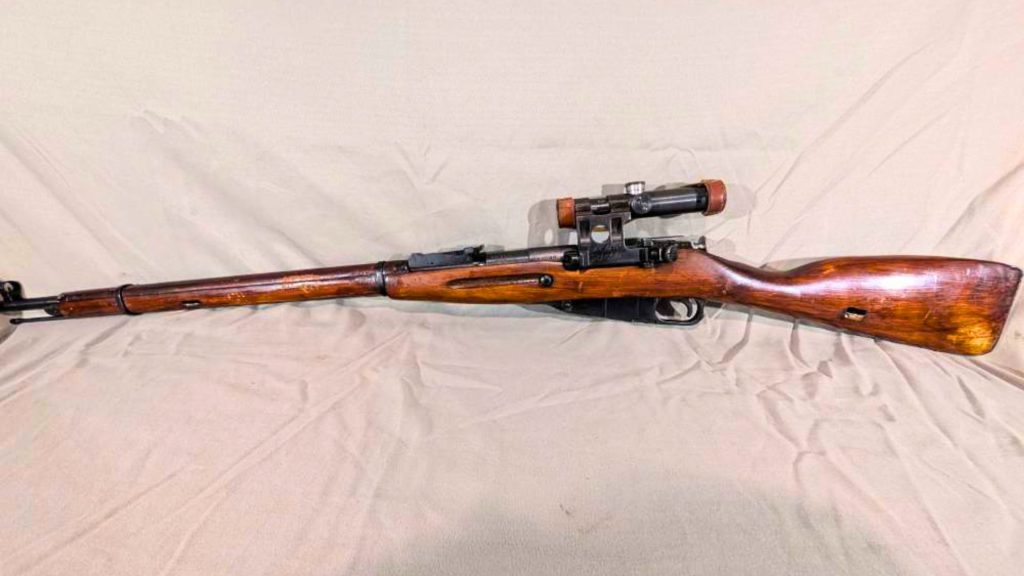
Plenty of hunters grab a Mosin-Nagant thinking it’ll be a rugged, affordable throwback. The reality hits the moment they shoulder it. The stock geometry is stiff and punishing, and the steel buttplate makes recoil feel harsher than it needs to be.
The sights are rough, the trigger is unpredictable, and accuracy varies wildly. Even with good ammo, many rifles struggle to produce consistent groups. The bolt throw is stiff, and feeding can feel gritty. The rifle has history, no doubt, but once you start trying to hunt with it, nostalgia gives way to discomfort and regret.
Winchester Model 70 Pre-64
The pre-64 Model 70 holds a mythical status among hunters, and the price tags reflect that. Once someone buys one, the reality sets in—these rifles aren’t always as smooth or accurate as their reputation suggests. Wear over decades shows up in wandering groups and inconsistent triggers.
The action is sturdy but can feel stiff compared to newer options. Mounting modern optics isn’t always straightforward, and carrying an older rifle in rough terrain leads many hunters to second-guess putting a collector piece through hard use. The nostalgia is strong, but practical use can be disappointing.
Savage 99
The Savage 99 is a beautiful rifle with a storied past, but hunters often forget that parts and magazines are limited today. The rotary magazine is clever but adds complexity when loading quickly. Scope mounting can be awkward on older models.
The lever throw is smooth, yet the stock design doesn’t always line up well with modern optics, leading to inconsistent cheek welds. Many hunters find that the handling doesn’t match what the gun’s legacy implies. It’s an admired rifle, but one that often feels more at home in a display case than on a modern hunt.
Remington Nylon 66

The Nylon 66 brings back memories of carefree plinking, and that familiarity leads some hunters to treat it as a light woods gun. It doesn’t take long to see the limitations. The stock is too light for stable shooting, and the trigger feel leaves a lot to be desired.
The action can be reliable with certain ammo but inconsistent with others. Dirt and fouling create hiccups quickly, and cleaning isn’t as straightforward as newer rimfires. It’s fun to own, but hunters expecting more than nostalgic entertainment quickly run into frustration.
Marlin 336
The Marlin 336 is tied to generations of deer hunters, and that’s enough to spark impulse buys. But older rifles often show their age with worn bores, heavy triggers, and inconsistent accuracy.
The action can be smooth, but feeding issues show up on rifles that weren’t maintained well. Many hunters forget how limiting the sight picture can be without optics, and adding a scope can create balance issues. The rifle still has charm, but nostalgia doesn’t hide its shortcomings after the first range session.
H&R Topper Single-Shot
The H&R Topper reminds hunters of simpler times, and that minimalism is appealing—until you take it into real hunting situations. The lightweight frame creates sharp recoil, and follow-up shots are slow by nature.
Accuracy varies from barrel to barrel, and the triggers can be stiff. Hunters attracted by the simplicity often find the limitations frustrating in fast-paced or unpredictable moments. It’s a nostalgic choice that many abandon after a single season of missed chances and sore shoulders.

Asher was raised in the woods and on the water, and it shows. He’s logged more hours behind a rifle and under a heavy pack than most men twice his age.


