The Follow-Home Robbery Trend Gun Owners Should Know About
Follow-home robberies are turning routine errands into high-risk moments, especially for people who carry firearms or visit gun stores and ranges. Criminals are watching parking lots, tracking targets by car, then striking in driveways and garages where victims feel safest. For gun owners, understanding how this pattern works is the first step to avoiding a crime that can escalate from property loss to lethal violence in seconds.
The trend overlaps with so-called jugging, where thieves shadow people leaving banks or retailers, but firearms and ammunition add a different level of danger. When offenders believe a victim is armed or transporting guns, they may arrive expecting resistance and prepared to use force. That reality demands a sharper focus on situational awareness, smarter routines, and a sober look at how personal firearms and crime patterns intersect.
How Follow-Home Robberies Work
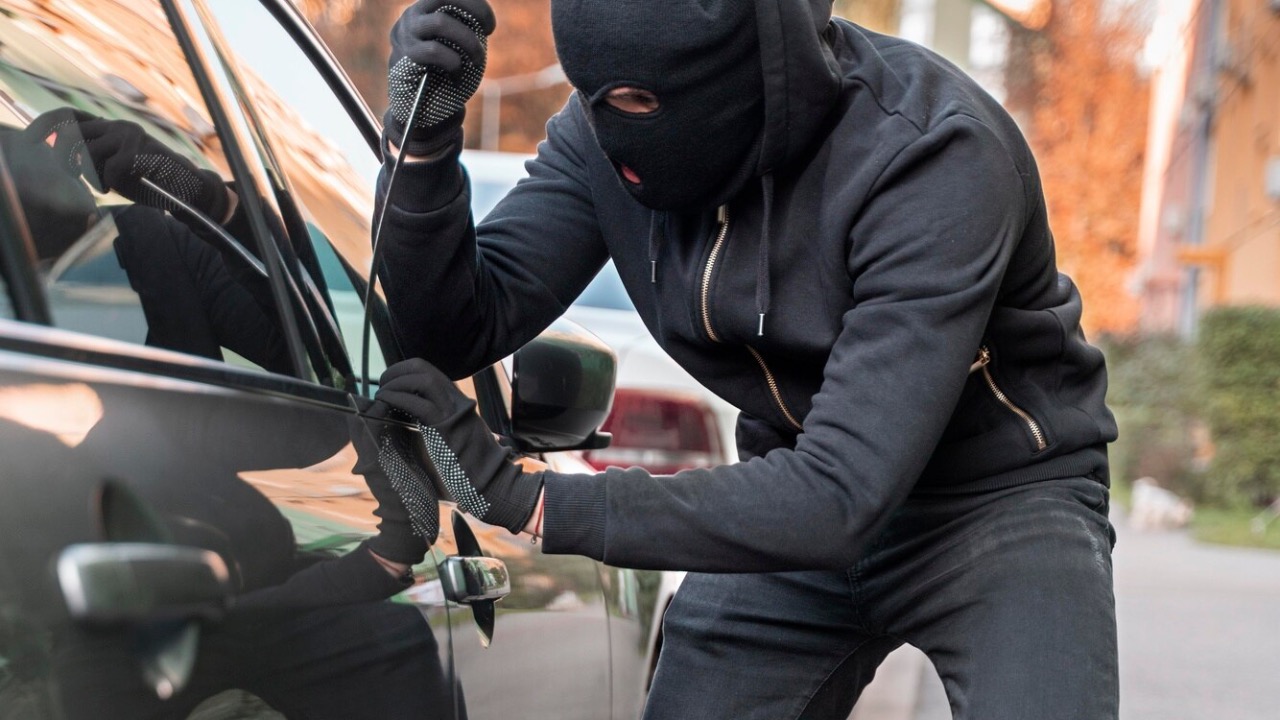
Follow-home robberies typically begin in public, often in parking lots outside banks, gun stores, or shooting ranges, and end at a victim’s residence or another secluded stop. Offenders pick a target they believe is carrying cash, valuables, or firearms, then trail that person by car until they reach a quieter location where help is less likely and surveillance cameras are scarce. Law enforcement has described a related jugging pattern in which thieves wait near financial institutions, then track customers to rob them of cash, cell phones, or other high-value items, a method highlighted in a social media alert that warned, in all caps, that Police Warn, Jugging, the United States. The same basic playbook now appears around gun businesses, where criminals assume customers are leaving with weapons, ammunition, or both.
In one Houston case, police said a robbery suspect followed a man from a gun range in what investigators called a gun jugging attempt, then was shot after the confrontation turned violent, according to a Houston account. The suspect allegedly trailed the victim from the range to his home, then tried to rob him at gunpoint, only to be shot when the intended victim fought back. That encounter captures the core risk of follow-home incidents that involve firearms: both sides may be armed, the attack happens at close range, and the margin for error is almost nonexistent.
Why Gun Owners Are Becoming Targets
Gun owners are attractive targets because criminals can see clear visual cues that someone is transporting weapons or related gear. Large branded range bags, long gun cases, and stacks of ammunition boxes carried in plain view all advertise that a customer is leaving a gun store or range with items that can be resold or used in other crimes. In the Houston area, a local shop has warned that customers are being watched as they walk to their vehicles, and that some are later followed home in what the owner described as a rising pattern of follow-home robberies, a concern echoed in coverage that noted how Houston Gun Shop. Staff there have urged buyers not to load firearms or boxes in public areas where potential thieves can easily observe them.
Police in Houston have also highlighted the risk, with HPD describing a case in which one person was in custody and another suspect was still at large after a follow-home attempt linked to firearms. Officers urged residents to “Watch your back, pay attention. If somebody’s following you, you need to call 911” as reported in a segment that stressed how HPD said one in connection with such a crime. When criminals think a target is carrying a gun, they may assume the victim is distracted after a long range session or preoccupied with loading gear, which creates a window for an ambush in a driveway or garage.
From Los Angeles To Houston: A Broader Pattern
Follow-home robberies are not confined to Texas, and law enforcement in other major cities has been warning residents for years. In Los Angeles, police have described a surge of follow-home cases in which victims were tracked from nightlife districts, high-end shopping centers, and other public venues to their homes. A widely shared safety notice highlighted “3 Tips for avoiding deadly ‘Follow-Home’ robberies” and warned that follow home robberies were on the rise in parts of Los Angeles, advice circulated in a post that explicitly referenced Tips for, Follow,. Those tips emphasized varying routes, watching mirrors for trailing vehicles, and calling police rather than confronting suspicious drivers alone.
Houston has emerged as a focal point for gun-related follow-home cases because of its dense network of gun ranges and retailers and its car dependent layout that makes it easier for criminals to trail victims without attracting attention. Local reporting has described how one man was followed home from a gun range and robbed at his residence, a story that a shop owner said should serve as a cautionary tale for every customer who leaves a range or store with visible gear, according to a video shared in Feb. While each case is local, the patterns repeat: criminals watch for predictable routines, follow at a distance, then strike when victims are most relaxed.
Crime Trends, Firearms, And Misconceptions
Debates around crime and gun ownership often hinge on broad narratives, but the follow-home trend shows how specific behaviors and environments shape risk more than national averages. Advocacy groups that track crime data have pointed out that for decades, gun control activists predicted that crime would increase as more people own more guns, yet long term data has frequently failed to match those predictions, a point summarized in a briefing on Gun Ownership and. That does not mean individual gun owners are safe by default, only that risk concentrates in certain situations, such as visible transport of firearms or routine visits to the same range at the same time every week.
For criminals, a gun owner can represent both a threat and an opportunity. Some offenders may seek to steal firearms precisely because they know those weapons can later be used or sold on the black market, while others may be deterred by the possibility that a target is armed. The Houston case in which a robbery suspect was shot after following a man from a gun range illustrates that duality, as does the broader jugging trend that targets people leaving banks or retailers with cash or goods, as described in the alert that warned Police Warn, Jugging, criminals pick victims. Misreading those dynamics can leave gun owners overconfident, assuming their firearm alone will keep them safe, when in reality it may make them more tempting targets if they move carelessly.
Practical Protection Strategies For Gun Owners
For individuals who own firearms, prevention starts long before a confrontation in the driveway. Security experts and police consistently stress the basics: scan parking lots before walking to a vehicle, avoid loading or unloading guns and ammunition in open view, and vary the times and routes used to reach ranges or shops. The Houston shop that warned of rising follow-home incidents urged customers not to advertise their purchases by carrying long gun cases or boxes in public areas where strangers can observe them, a point highlighted in coverage of how Houston Gun Shop. That same logic applies to banks and high-end retailers, where jugging suspects often look for people juggling envelopes, shopping bags, or visible stacks of cash.

Leo’s been tracking game and tuning gear since he could stand upright. He’s sharp, driven, and knows how to keep things running when conditions turn.