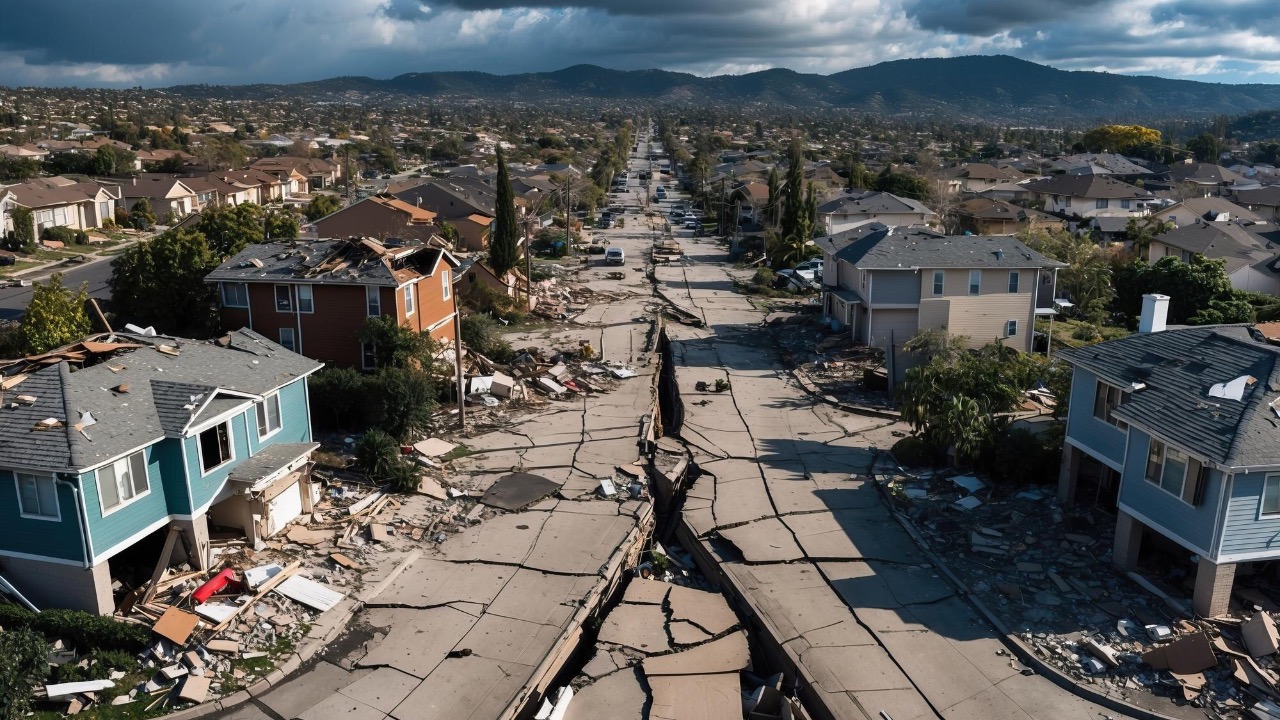
Earthquakes Shake California’s North Bay Region
Shaking in California’s North Bay has again reminded residents that moderate earthquakes can ripple far beyond rural epicenters and into major cities. A cluster of recent quakes around the Sonoma-Lake County line and nearby communities has rattled nerves, disrupted routines, and renewed questions about how ready the wider Bay Area really is for stronger shaking. Together with earlier swarms in the East Bay, these events show how even magnitude 4 earthquakes can test warning systems, public communication, and everyday preparedness.
Damage has been limited, but the pattern of activity has been hard to ignore for people who felt multiple jolts in a matter of days. The sequence has also provided a real-world stress test for tools such as smartphone alerts and regional drills that are designed to help residents respond quickly when the ground starts to move.
North Bay epicenter and what shook
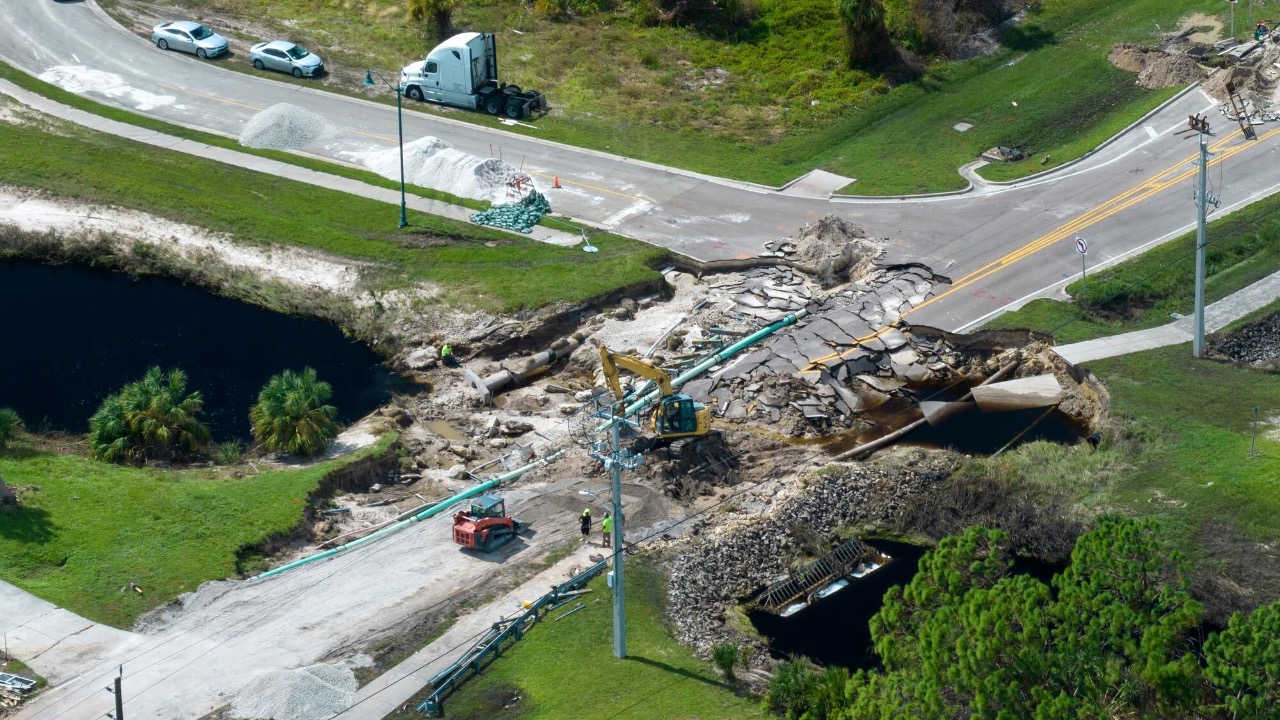
The latest burst of seismic activity in the North Bay centered near the Sonoma-Lake County line, where an earthquake initially measured in the low 4 range was later revised to magnitude 4.3. The shaking hit northern Sonoma County Saturday morning, close to geothermal fields and sparsely populated hills. Although the area around the epicenter is relatively rural, the motion spread across the wider region and was felt in communities that are used to living with frequent tremors.
Another report described a magnitude 4.3 temblor in the North Bay Saturday, noting that the event struck in Feb and was strong enough to grab the attention of residents who have lived through past earthquake swarms since 1970. The Geysers area, long known for geothermal power production, again lived up to its reputation as a hot spot for small and moderate quakes. For many locals, the latest jolt felt like another reminder that the region’s underground energy is constantly in motion, even when the surface appears calm.
How far the shaking reached
Although the epicenter sat in a rural pocket of northern Sonoma County, the shaking radiated through cities across the Bay Area. One account noted that While the quake’s epicenter was in a relatively remote area, people in the wider Bay Area, including San Fr and surrounding suburbs, reported feeling the motion. That pattern is typical of magnitude 4 events in Northern California, which often generate light shaking over a broad area without causing structural damage.
Separate monitoring described a magnitude 4.2 earthquake near Santa Rosa, Sonoma County, Cal, reported 27 miles north of the city and logged as a moderate tremor. That event, described on a Saturday in Feb at 17:25 with a reference to 55 m, again showed how seismic waves can travel well beyond the immediate source and be picked up by residents many miles away. Together, these reports paint a picture of a region where even modest quakes can be widely felt due to the geology of the San Francisco Bay and surrounding valleys.
Aftershocks and nearby tremors
The initial 4-range event near the Sonoma-Lake County line did not occur in isolation. Reporting on the northern Sonoma County Saturday morning quake noted that it was followed by two smaller aftershocks that continued to unsettle people already on edge. The description of the mainshock as a revised magnitude 4.3, along with mention of additional shaking, suggests a short sequence rather than a single jolt, which is consistent with how faults often release energy in clusters rather than one clean break.
Other coverage referenced a magnitude 4.2 m event near Cobb, CA, where an Update described how an Earthquake shakes region near Cobb, Feb, in SONOMA COUNTY. That quake, listed as a 4.2 magnitude registered in the morning according to the U.S. Geological Survey, added to the sense that the North Bay faults were particularly active in this period. For residents, feeling multiple quakes in quick succession can be more unnerving than a single event, even when magnitudes remain in the moderate range.
Parallel swarms in the East Bay
While the North Bay absorbed its own series of jolts, the East Bay was already dealing with a separate swarm that kept people in the San Ramon area on edge. Broadcast coverage described breaking news in Feb in the East Bay, where people in San Ramon had been feeling shaking nonstop since about 6:30 in the morning. The segment captured how residents in one neighborhood reported repeated tremors, each one too small to cause damage but frequent enough to disrupt sleep and daily routines, as seen in the San Ramon footage.
Additional video coverage described how a swarm of earthquakes has been rocking an East Bay neighborhood all day, with one anchor noting that they felt it that morning and that each of the quakes seemed to roll through just as people tried to move on. That report, also referencing Feb in the East Bay, illustrated the psychological impact of a swarm where no single event is extreme but the repetition wears on residents. For many, the combination of the East Bay swarm and the North Bay sequence reinforced a sense that the entire region was shaking in concert.
Comparing magnitudes and locations
Across the Bay Area Monday, another cluster of tremors added to the overall seismic picture. One report described a 4.2-magnitude earthquake that shook the Bay Area Monday morning, centered near SAN RAMON, Calif, as part of a Swarm of events that rippled through the region. A parallel account referred to the same Bay Area Monday activity, again describing a 4.2-magnitude event near SAN RAMON, Calif, and noting that transit systems such as BART ran at reduced speeds while operators checked for any problems.
These East Bay figures mirror the magnitudes observed in the North Bay, where the Sonoma-Lake County line event was revised to 4.3 and described as a Magnitude 4.3 earthquake that struck near Sonoma and Lake County. Together with the Santa Rosa 4.2 and the Cobb 4.2 m event, the pattern shows a cluster of moderate quakes in both the North Bay and East Bay, with magnitudes hovering between 4.2 and 4.3. For seismologists, the distribution of these epicenters helps refine models of how stress is building and releasing along multiple faults around the San Francisco Bay.
Why the Bay Area shakes so often
Earthquakes are not an anomaly in this region; they are a defining feature. A regional resilience overview titled Earthquake, Risks, Resources notes that Earthquakes are an unavoidable feature of the Bay Area risk profile. In the past 150 years, the region has experienced multiple damaging events, and the same tectonic forces that produced the 1906 rupture continue to load stress onto faults that cut through cities, suburbs, and rural hills alike. Fault rupture, strong shaking, and secondary hazards such as landslides and liquefaction all factor into how even moderate events can affect communities.
The U.S. Geological Survey has long warned that the threat of earthquakes extends across the entire San Francisco Bay region, with a major quake considered likely before 2032. One federal overview framed it plainly: the threat of earthquakes extends across the entire San Francisco Bay, and Knowing this risk should push residents and officials to prepare for future quakes rather than treat each moderate event as an isolated scare. The recent North Bay and East Bay sequences fit into that longer story of a region that lives with constant seismic potential.
Early warning and the MyShake app
For residents who felt their phones buzz before or during the shaking, the recent events served as a live test of California’s earthquake early warning system. A preparedness guide for Del Norte County advises that Signing up for the MyShake app helps ensure users will receive timely earthquake early warning alerts, and that Installing the app also allows residents to contribute ground motion data through their cell phones. This system, which turns smartphones into a distributed sensor network, aims to give people a few seconds of warning when seismic waves are first detected near the epicenter.
Research from Richard Allen’s group at Berkeley has tracked how well this technology performs in real events. One summary notes that the MyShake app delivered alerts to those in the felt shaking region for multiple earthquakes, while also acknowledging that There were 8 missed events, earthquakes that were either too small or located around the edge of the seismic network. The recent 4.2 and 4.3 events in Sonoma County, Santa Rosa, Cobb, and SAN RAMON, Calif, provide more data points for engineers who are working to reduce those misses and expand coverage, especially in rural areas where traditional instruments are sparse.
Preparedness lessons from ShakeOut drills
For many North Bay residents, the recent shaking echoed the scenarios practiced every year in regional earthquake drills. A Bay Area resource titled Staying Safe Where the Earth Shakes, Bay Area Edition, PDF, lays out simple but specific guidance for how people should react when the ground moves. The materials emphasize the familiar advice to drop, cover, and hold on, and they urge households to maintain supplies that can last at least 72 hours in case transportation, utilities, or emergency services are disrupted after a major event.
The same ShakeOut network connects to international campaigns such as The Great California drills in British Columbia, similar efforts in Japan through The Great California inspired ShakeOut activities, and French language resources at The Great California style events. For Bay Area residents who took part in the most recent exercise, the North Bay and East Bay quakes turned those tabletop scenarios into real decisions about whether to move away from shelves, protect children, or check on neighbors. The experience reinforced why annual drills, even when they feel repetitive, can pay off when the shaking is no longer hypothetical.
What residents should watch for next
Short sequences of magnitude 4 earthquakes do not guarantee a larger event will follow, but they do offer a reminder that the region’s faults are active and capable of stronger motion. Federal scientists stress that the threat of earthquakes extends across the entire San Francisco Bay, and that Knowing this risk should motivate long term investments in retrofitting homes, securing heavy furniture, and planning family communication strategies. For people in the North Bay, East Bay, and beyond, the recent quakes are an opportunity to review those plans while the memory of shaking is still fresh.
Local and regional resources can help residents act on that awareness. Multilingual guides at earthquakecountry.orgprovide step by step advice tailored to different communities, from renters in older apartment buildings to homeowners in hillside neighborhoods. Weather and alert platforms such as weather.yahoo.com and regional partners that track a 4.3 event near Sonoma and Lake County can complement official seismic data by pushing notifications to users who might not monitor specialized apps. For now, the North Bay sequence has passed without major damage, but the shaking has again made clear that preparation, not surprise, should define how the Bay Area lives with its faults.

Leo’s been tracking game and tuning gear since he could stand upright. He’s sharp, driven, and knows how to keep things running when conditions turn.