Inside the Legal Battles Reshaping Hunting and Gun Policy
If you spend enough time in deer camp or at the range, you’ll hear plenty of talk about regulations. Seasons get shorter. Tags get harder to draw. Certain rifles or accessories fall in and out of favor depending on what state line you’re standing behind. But what really drives those changes isn’t rumor or politics alone. It’s the courtroom.
Across the country, lawsuits are quietly redefining what you can hunt, how you can hunt it, and what firearms you can own or carry. Federal judges, state supreme courts, and regulatory agencies are shaping outcomes that ripple straight into your tag application and gun safe. Here’s a look at the cases and legal fights that are actively shifting the ground under hunters and gun owners.
Public Land Access and Corner Crossing
In the West, a recent federal case out of Wyoming challenged long-standing assumptions about “corner crossing” — the act of stepping from one piece of public land to another at a shared corner where private parcels meet. A group of hunters cited for trespass argued they never set foot on private ground. A federal jury agreed, clearing them of civil liability.
That verdict didn’t rewrite property law overnight, but it sent a message. If upheld and expanded through future cases, it could open millions of acres of otherwise landlocked public ground. For you, that means access debates won’t only be fought in statehouses. They’ll be argued in federal court, one survey pin at a time.
The Aftermath of New York State Rifle & Pistol Association v. Bruen
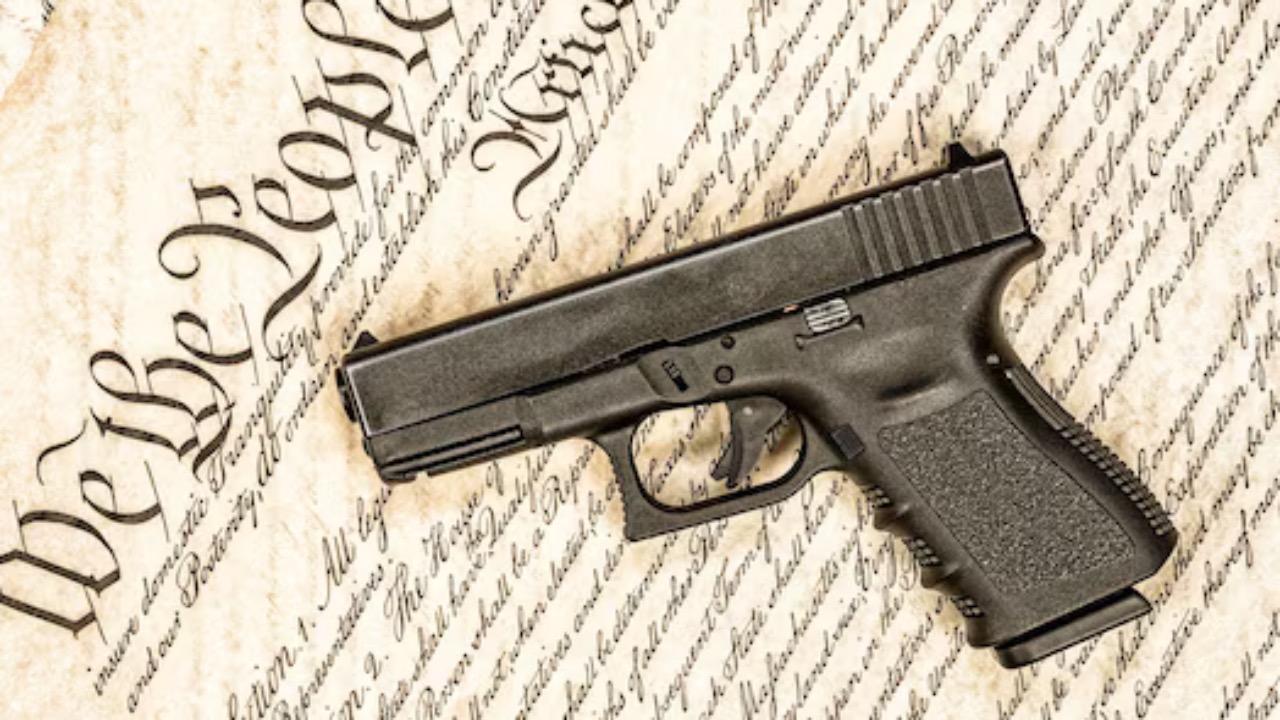
When the U.S. Supreme Court decided New York State Rifle & Pistol Association v. Bruen in 2022, it changed how courts evaluate gun laws. Instead of using interest-balancing tests, judges now look to historical tradition when assessing Second Amendment challenges.
Since then, lower courts have been flooded with cases targeting everything from magazine capacity limits to sensitive-place restrictions. Some state laws have been struck down; others have survived under the new historical standard. If you carry a handgun while traveling across state lines for a hunt, the legal map is shifting. What’s lawful today may hinge on how judges interpret firearms history from the 18th and 19th centuries.
ATF Rules on Pistol Braces
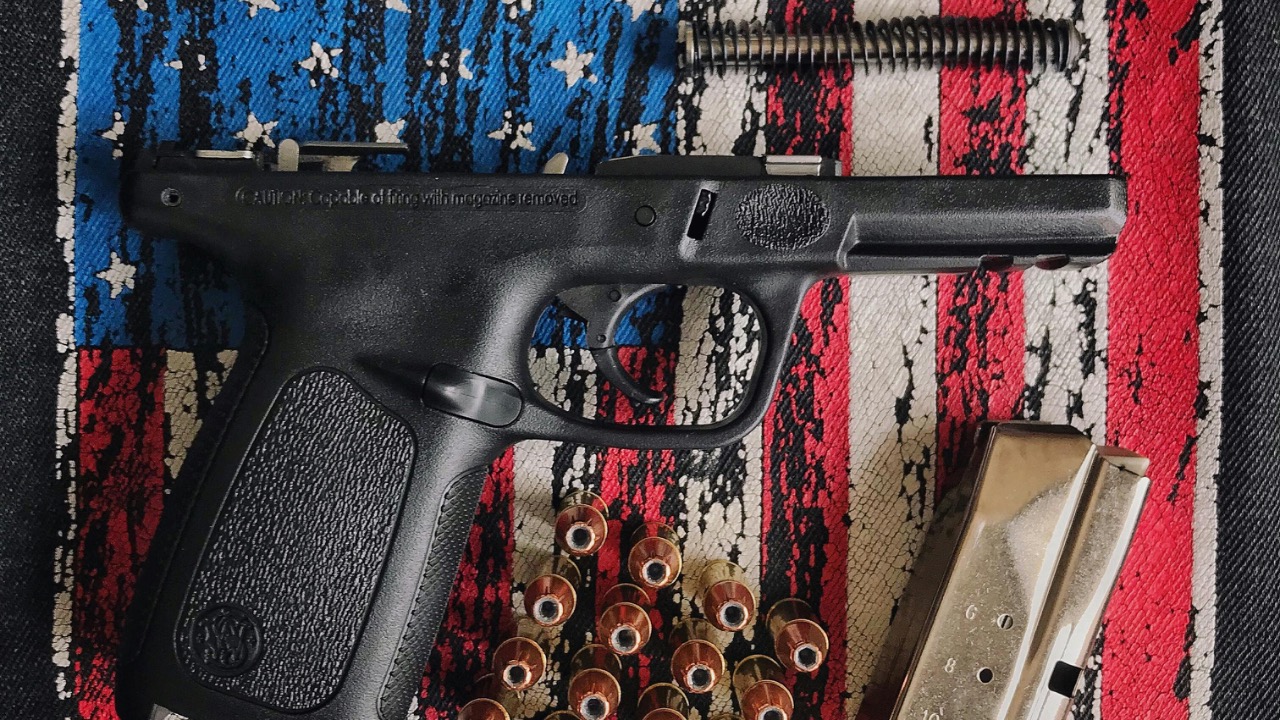
The Bureau of Alcohol, Tobacco, Firearms and Explosives moved to reclassify many pistols equipped with stabilizing braces as short-barreled rifles under the National Firearms Act. That rule triggered immediate lawsuits from gun owners, advocacy groups, and several states.
Federal courts have issued mixed rulings, with injunctions blocking enforcement in certain jurisdictions while other cases continue to wind through appeals. For hunters who use braced firearms in predator control or hog hunting, the uncertainty matters. Registration requirements, potential felony exposure, and shifting compliance deadlines have turned a once-common accessory into a legal minefield.
Predator Control and the Endangered Species Act
Gray wolf management continues to bounce between state authority and federal oversight under the Endangered Species Act. Court rulings have repeatedly reinstated or removed federal protections, depending on how judges view scientific findings and agency procedures.
When wolves are relisted, state-run hunting seasons shut down immediately. When protections are lifted, states regain management authority. For you, that means seasons can open and close not only because of biology, but because of litigation. Predator policy today is shaped as much by federal courtrooms as by wildlife biologists in the field.
Lead Ammunition Bans and Toxic Substance Claims
Environmental groups have increasingly used federal environmental statutes to challenge the use of lead ammunition on public lands. In some cases, lawsuits have targeted agencies for failing to restrict lead under the Toxic Substances Control Act or other laws.
California has already implemented a statewide ban on lead ammunition for hunting, and similar legal strategies are being tested elsewhere. If courts expand the interpretation of environmental statutes, you could see broader non-lead requirements across federal lands. That shift would affect ammunition cost, availability, and ballistic performance for big game and upland hunters alike.
State Assault Weapon and Magazine Restrictions
Several states have enacted bans on certain semi-automatic rifles and magazine capacities. These laws are now working their way through federal courts under the post-Bruen framework. Some district courts have struck down provisions; appellate courts have stayed those decisions pending further review.
For hunters, the impact isn’t limited to home defense rifles. In states where semi-auto platforms are used for predator hunting or hog control, equipment choices are directly affected. If higher courts establish clearer standards, you may see either broader protections or tighter restrictions nationwide. Right now, the outcome depends heavily on which circuit you live in.
Tribal Treaty Rights and Off-Reservation Hunting
Courts continue to interpret 19th-century treaties that guarantee certain Native American tribes the right to hunt and fish off reservation lands. Recent rulings have reaffirmed those rights in specific regions, sometimes limiting state regulatory authority.
That can affect tag allocations, season structures, and harvest reporting systems. When courts uphold treaty-based hunting rights, states must adjust management plans to comply. If you hunt in areas with significant tribal presence, you’re operating within a legal framework shaped by historical agreements and modern judicial interpretation.
Firearms Dealer Liability and Public Nuisance Claims
Some cities and states have filed lawsuits against firearm manufacturers and dealers, alleging public nuisance or negligent marketing. The federal Protection of Lawful Commerce in Arms Act shields much of the industry from liability, but courts continue to test its boundaries.
If certain claims survive dismissal, the financial and regulatory consequences could reshape how firearms are distributed and sold. That doesn’t change your hunting rifle overnight, but it can influence pricing, availability, and corporate policies. The legal theory behind these suits may prove as important to gun policy as any legislation passed in Congress.
These cases don’t always make front-page news in the outdoor world. But if you hunt, shoot, or travel with firearms, the outcomes reach you sooner or later. Regulations are written by agencies, passed by lawmakers, and enforced by officers. Yet more and more, they’re defined by judges reading old statutes and older history, deciding what the next season — and the next generation of gun owners — will look like.

Asher was raised in the woods and on the water, and it shows. He’s logged more hours behind a rifle and under a heavy pack than most men twice his age.