Why High-Dollar Hunting Safaris Keep Breaking Records
If you’ve watched the auction boards or followed booking trends the last few years, you already know what’s happening. High-end safaris aren’t slowing down. They’re climbing. Tags for marquee species bring numbers that would’ve sounded unrealistic a decade ago. Prime concessions are booked years out. Outfitters are turning away hunters who can’t lock in dates fast enough.
This isn’t random. It’s driven by economics, scarcity, access, conservation policy, and a shift in who’s booking these hunts. If you’re trying to understand why prices keep setting new highs—whether you’re considering one or shaking your head at them—there are real forces behind it.
Limited Tags Create True Scarcity
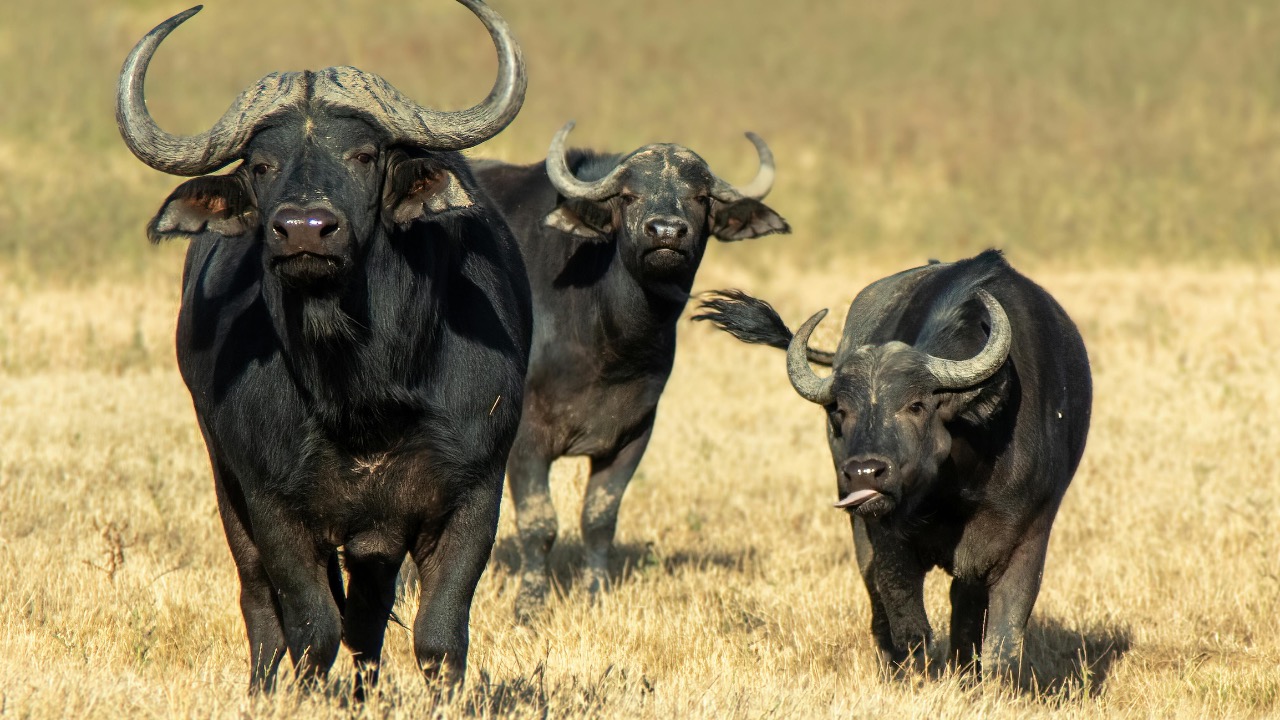
You can’t manufacture more wild buffalo in prime concessions, and you can’t expand a mountain range to add sheep habitat. Governments set quotas conservatively in places like Tanzania and Namibia, and in North America for species like desert sheep. When supply is fixed and demand rises, prices move in one direction.
You’re not paying for a weekend hunt. You’re paying for access to a limited allocation that might not exist next year. When drought, politics, or population shifts reduce quotas even slightly, competition tightens. A handful of fewer permits can push auction prices into record territory fast.
Wealth Has Globalized
Twenty years ago, most high-end safari clients came from a handful of Western countries. Now you’re seeing hunters from Eastern Europe, Asia, and the Middle East booking prime African concessions and North American sheep tags. The pool of potential clients is larger than it’s ever been.
When wealth expands globally, so does competition for rare experiences. You’re no longer bidding against the guy from your state. You’re bidding against entrepreneurs and investors from around the world who view a Cape buffalo or Marco Polo sheep hunt as a lifetime marker. That broader demand changes pricing fast.
Conservation Funding Ties to Trophy Value
In many African countries, wildlife departments rely heavily on license fees and concession revenue. In places like Botswana and Zimbabwe, high-dollar hunts often fund anti-poaching units and habitat management in remote regions where photo tourism doesn’t pencil out.
When a single elephant or buffalo tag can finance ranger salaries for months, governments protect the value of that tag. If you want access to well-managed wildlife populations in remote areas, you’re funding more than your hunt. That conservation link keeps prices strong because the model depends on high per-animal revenue.
Remote Access Isn’t Getting Cheaper
The romantic image of a safari doesn’t show the charter flights, fuel shipments, vehicle maintenance, and imported supplies required to run a camp in the bush. Diesel, aircraft parts, and shipping costs have all climbed. Outfitters pass that along.
If you’re flying into a gravel strip hundreds of miles from the nearest city, that infrastructure is expensive to maintain. Add rising insurance costs, political risk, and fluctuating exchange rates, and the baseline cost of operating a remote safari camp continues to climb. Those overhead realities drive higher booking prices.
Prime Concessions Are Locked Up
In countries like Tanzania and Mozambique, top hunting blocks are leased long term. Established outfitters control prime areas for years at a time, and competition to secure those leases is intense. When an operator holds a proven buffalo or lion block, they know what it’s worth.
You’re not buying access to generic ground. You’re paying for a concession with documented trophy quality and stable game numbers. When a block consistently produces heavy-horned buffalo or big-maned lions, word spreads. Demand concentrates on proven areas, and prices follow.
Social Media Amplifies Trophy Recognition
Record-book animals used to circulate quietly through hunting magazines. Now a single heavy-horned buffalo or giant eland can reach tens of thousands of hunters overnight. That visibility fuels aspiration.
When you see what’s possible in a well-managed concession, it shapes expectations. Hunters begin targeting specific areas known for exceptional animals. That spotlight increases demand for limited tags in proven regions. Visibility doesn’t create animals, but it absolutely influences what you’re willing to pay for the chance at one.
Aging Demographics Push “Now or Never” Spending
Many high-end safari clients are established professionals in their 50s and 60s. They’ve built careers, raised families, and now they’re checking off long-held goals. When you hit that stage, waiting five more years doesn’t look as appealing.
That urgency changes buying behavior. Instead of hunting locally for another season, you book the big trip. Outfitters see that pattern and price accordingly. When clients are motivated by time as much as money, the ceiling on what they’ll spend rises.
Political Uncertainty Adds Pressure
Import restrictions, airline firearm policies, and shifting regulations in parts of Africa create a sense that opportunities could narrow. When there’s even a rumor that a country might suspend a species or tighten export rules, bookings spike.
You may not know what the regulatory landscape will look like in five years. That uncertainty pushes hunters to secure hunts sooner rather than later. Short-term surges in demand drive prices higher, especially for species that have faced past suspensions.
Auction Culture Drives Benchmark Prices
High-profile conservation auctions have a way of resetting expectations. When a sheep tag or African package sells publicly for a record number, it establishes a new reference point. Even private bookings feel that ripple.
If you’re an outfitter watching a comparable hunt bring six figures at auction, you adjust your pricing structure. Hunters who win those bids often treat it as a charitable contribution as much as a hunt, but the headline number sticks. That public benchmark influences the broader market.
Experience Has Become the Product
You’re not paying only for an animal. You’re paying for time in wild country, skilled professional hunters, experienced trackers, well-run camps, and logistical support that works. In remote regions, competence costs money.
Clients expect satellite communication, reliable vehicles, medical contingency plans, and quality lodging. Meeting those expectations requires investment. When the overall experience becomes part of the value proposition, the price reflects more than a trophy fee. It reflects the full operation behind it.
Habitat Is Under Pressure
Wild ground is shrinking in many parts of the world. Agricultural expansion, population growth, and infrastructure projects compete with wildlife habitat. In areas where hunting concessions preserve open space, that land carries increasing value.
If you want access to intact ecosystems with healthy game populations, you’re competing with other land uses. That pressure doesn’t show up on a brochure, but it absolutely affects lease costs and long-term access agreements. As habitat becomes more valuable, so does the opportunity to hunt it.
Reputation Compounds Over Time
Outfitters with decades of consistent success build reputations that command premium pricing. If a camp has produced quality buffalo or leopard year after year, word spreads quietly among serious hunters.
You’re not gambling on an unknown operation. You’re booking with a track record. That consistency reduces risk for clients and allows operators to charge more. Over time, strong reputations create self-reinforcing demand, and those bookings keep climbing into record territory.
High-dollar safaris aren’t trending upward by accident. Limited wildlife, global demand, rising operating costs, and conservation economics all intersect. Whether you ever book one or not, the market forces behind them are real—and they’re not slowing down anytime soon.

Asher was raised in the woods and on the water, and it shows. He’s logged more hours behind a rifle and under a heavy pack than most men twice his age.