Former Japanese naval aviator Mitsuo Fuchida turned to Christianity after World War II
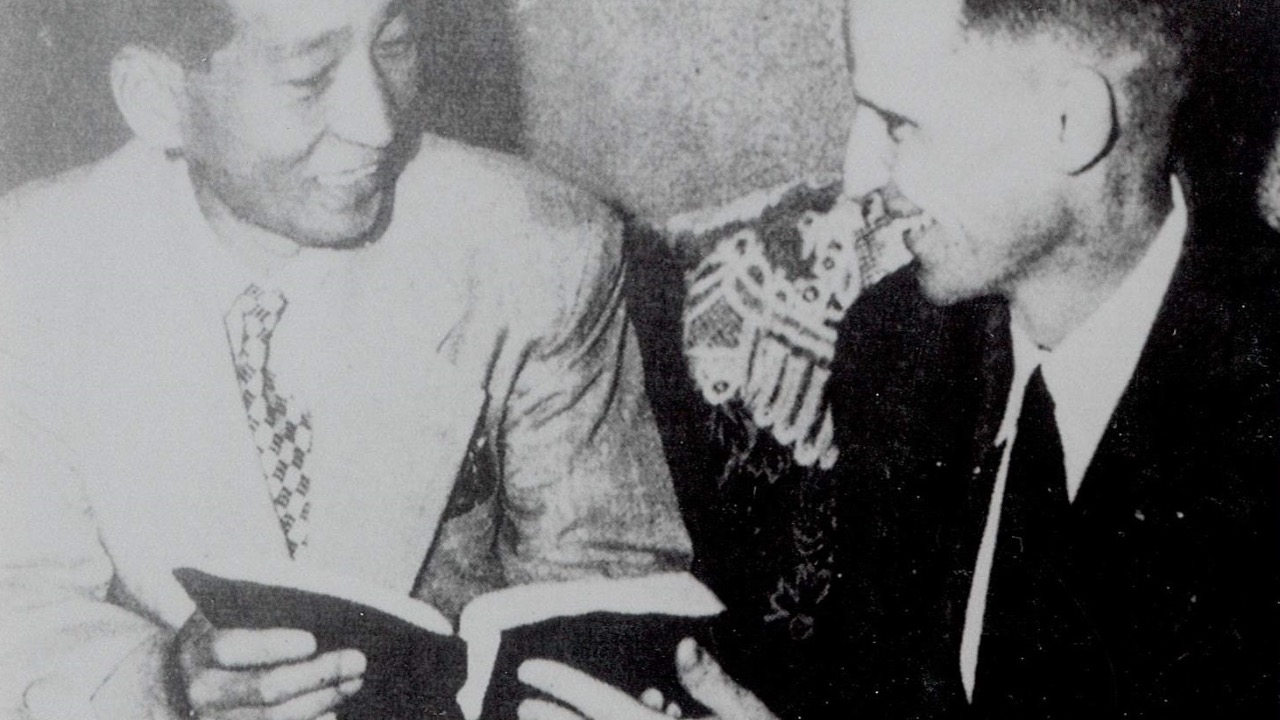
Mitsuo Fuchida is remembered worldwide as the Japanese naval aviator who led the first wave of aircraft over Pearl Harbor and helped drag the United States into global war. Less familiar is the second act of his life, when the former attacker of American ships became a Christian and spent his later years speaking about forgiveness and faith. His journey from celebrated pilot to evangelist ran through the ruins of defeated Japan, a battered conscience, and an unexpected encounter with the story of an American enemy.
That transformation did not erase the devastation of December 1941 or the more than 2,400 lives lost in the harbor, but it reframed how one man carried responsibility for it. Fuchida’s postwar story became a touchstone for conversations about repentance, reconciliation, and the possibility of moral change after mass violence.
From Captain Fuchida over Pearl Harbor to defeated veteran
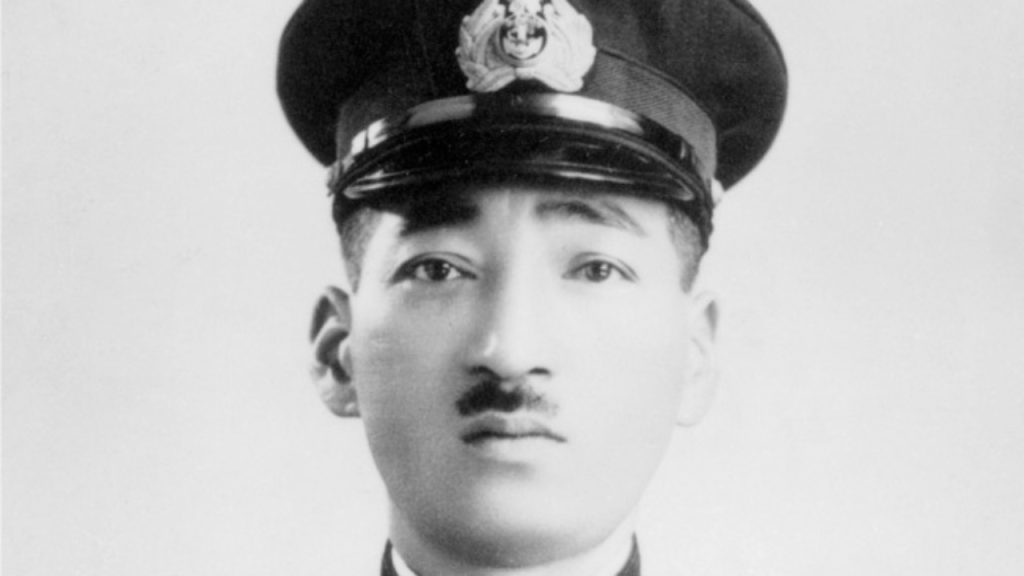
On the morning of the attack, Captain Fuchida flew at the front of the Japanese carrier force that descended on Pearl Harbor. He directed the first wave of air strikes that crippled the U.S. Pacific Fleet and made his name synonymous with the surprise assault on American battleships. Later accounts of that day highlight that he was the lead pilot whose formation helped set the harbor ablaze, a role that turned him into a symbol of Japanese audacity for supporters at home and a figure of hatred for many in the United States, especially around Pearl Harbor.
That fame as Captain Fuchida came at a terrible human cost. The attack killed more than 2,400 Americans and destroyed or damaged ships such as the USS West Virginia, which was hit by torpedoes from other Japanese Imperial Naval pilots like Takeshi Maeda whose bomber runs were coordinated with the overall plan. For the Japanese side, the operation looked like a stunning success, and the aviators involved, including Mitsuo Fuchida, were celebrated as heroes. Yet the assault also hardened American resolve, ensured that the United States would fight until unconditional surrender, and set the stage for the ruin that Fuchida would later walk through as a veteran of a defeated empire.
War’s end, inner turmoil, and a search for meaning
Japan’s surrender left many former officers wrestling with guilt, disillusionment, or simple survival in a shattered country. Thirty five years before his death on May 30, 1976, the same Japanese captain who had directed the first wave over Hawaii was already beginning to confront the legacy of what he had done. Accounts of his later reflections describe how he surveyed the aftermath of the conflict and weighed the suffering that had followed the decisions of leaders and planners, including his own role in carrying those plans into action. The distance between the triumphant Captain Fuchida of 1941 and the unemployed veteran in a ruined Tokyo was not only material but moral.
In that postwar period he also encountered stories of how the United States treated Japanese prisoners, which challenged his expectations. Some reports note that he investigated alleged American mistreatment and instead heard from repatriated captives about humane treatment and unexpected kindness. That contrast with his own memories of harsh Japanese military discipline and the brutality inflicted on Allied prisoners began to unsettle his assumptions about enemy and ally. The same man who had once been certain of Japan’s cause now found himself asking why former foes could show mercy when he had seen so little of it within his own ranks, a question that would later make him more open to religious explanations of grace and judgment.
Jacob DeShazer, “Prisoner of Japan,” and the leaflet in Tokyo
The turning point in Mitsuo Fuchida’s story arrived through a chain of events that began with an American airman who had wanted revenge for Pearl Harbor. Jacob DeShazer, sometimes referred to as Jake DeShazer, volunteered for the Doolittle Raid that bombed Tokyo and other cities in April 1942. After his plane ran out of fuel over Japanese held territory he was captured by Japan, tortured, and held as a prisoner of war for 40 m months. During that captivity he begged for a Bible, embraced Christian faith, and eventually returned to Japan after the war as a missionary whose testimony was shared widely in tracts and pamphlets that described how Jacob had moved from hatred of the Japanese to forgiveness rooted in his belief in Christ, as later summarized in a social media account.
In 1950, as Fuchida exited a train in Tokyo, a piece of paper was thrust into his hand and it rocked him. The leaflet carried the testimony of this same American, titled “I Was a Prisoner of Japan.” He, Mitsuo Fuchida, took one of the leaflets and began to read how a man who had once dropped bombs on his country had come to love the people who had starved and beaten him. Around this time he also had an opportunity to read a more detailed tract that recounted how DeShazer’s Christian “awakening” had taken place during torture and isolation, and how Jacob had gone back to Japan as a missionary. The convergence of that story with his own questions about justice and mercy convinced him that he needed to understand the faith that could produce such a change, a curiosity captured in accounts that describe how, around this period, he encountered the testimony of a former “Prisoner of Japan” named Jacob and began to consider whether he might become a Christian missionary in postwar Japan, as reflected in reporting on his life around this time.
Conversion and the line Fuchida drew from Pearl Harbor to the cross
In September 1949 Fuchida, whose name had once been broadcast across Japan as the voice of attack, decided to become a Christian. He later said that “Looking back” he could see that the Lord had led him through war, defeat, and inner turmoil so that he might serve him. That decision followed months of reading the Bible, comparing it with the testimony of DeShazer, and reflecting on his own responsibility for the suffering at Pearl Harbor and beyond. In his telling, the forgiveness described in Christian scripture answered his question about whether someone involved in planning and leading mass killing could ever be redeemed, a conviction that shaped the rest of his life, as described in accounts of how, in September, Fuchida, also written as Mitsuo Fuchida, became a Christian convert.
From that point he began to speak publicly about his change of heart. Thirty five years before his death he was already traveling, telling audiences in Japan and the United States that the same man who had once organized the first wave over Hawaii now wanted to be known as a messenger of peace. He often contrasted his own past hatred with the love shown by Jacob DeShazer and other former enemies, arguing that only a power beyond human effort could turn such animosity into reconciliation. Later profiles describe how he linked his conversion directly to Pearl Harbor, saying that the path from the harbor’s smoke to the cross of Christ ran through his recognition that he had been wrong and that he needed forgiveness, a message that he repeated in churches and meetings until his final years, as noted in retrospectives on his change of heart.

Leo’s been tracking game and tuning gear since he could stand upright. He’s sharp, driven, and knows how to keep things running when conditions turn.