Dog breeds originally bred for work — and why instinct still matters
Modern families often choose a dog for its look or reputation, yet most breeds were created as specialists for very specific jobs. Those original roles still shape how dogs think, move, and react in a living room or city park, and I see problems arise when that history gets ignored. By understanding which breeds were bred for work and how their instincts still fire, I can better explain why some pets thrive in our homes and others struggle without a “job.”
The hidden engine: why breed instinct still drives behavior
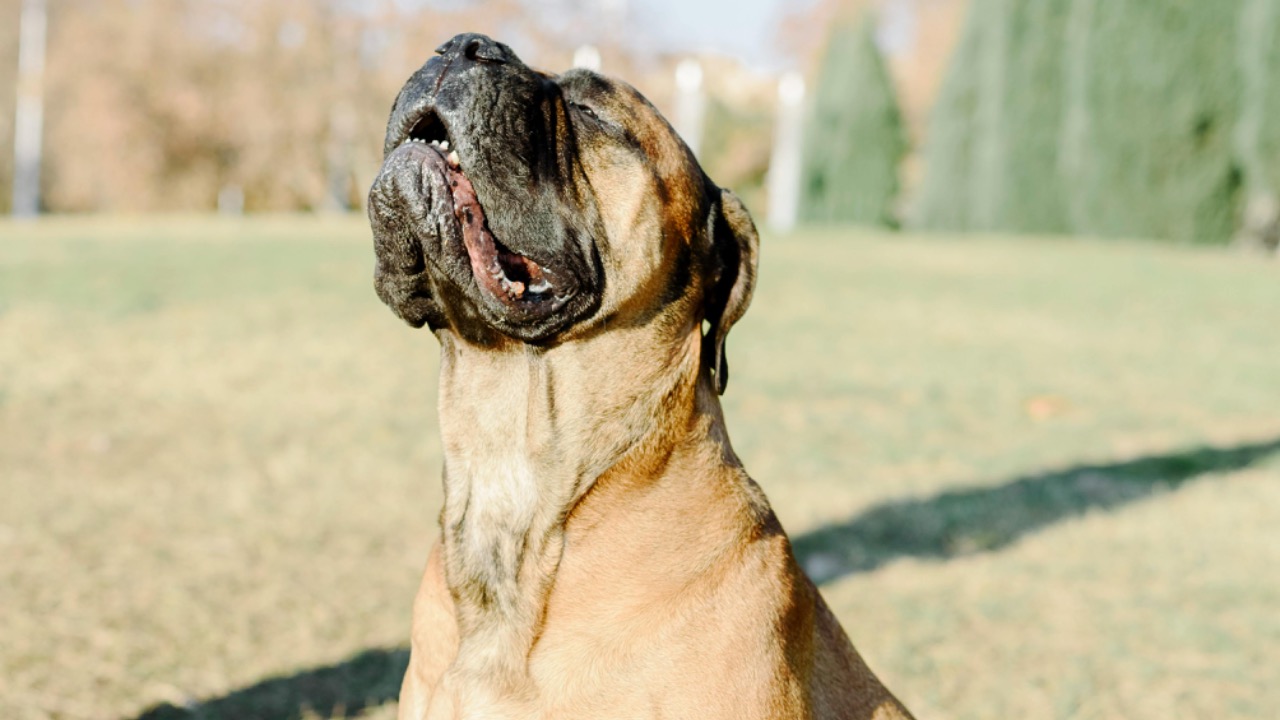
When I look at a dog, I am not just seeing fur and a cute expression; I am seeing a brain wired by generations of selection for tasks like herding, guarding, or retrieving. Researchers who compare the dog brain with the human brain describe how many behaviors remain hard wired in canine DNA, so even the most pampered pet still carries ancient patterns that guide how it responds to movement, sound, and threat. That is why a dog that has never seen livestock can still crouch, stalk, or circle in ways that mirror its working ancestors, and why those patterns show up so consistently within certain breeds.
Instinct is not some vague concept, it is a set of drives that strongly influence modern pet behavior. One behavioral analysis explains that it is Dog’s natural instincts that play the vital role in the behaviour we see in modern day dogs, more than training alone. Another overview of hard wired behaviors notes that the behavior of dogs, like that of all animals, has been shaped by instinct over long periods of selective breeding, which created the variety of dogs we have today. I find that when owners treat problem behaviors as random quirks instead of expressions of those drives, they miss the chance to channel what the dog was designed to do into healthier outlets.
From wolves to workers: how purpose built breeds emerged
To understand why instincts still matter, I start with the history of how dogs were shaped from wolves into specialists. One synthesis of breed specific behaviors traces this back to early domestication, where humans selected dogs that excelled at particular roles like hunting, guarding, or pulling, gradually embedding those job skills into their temperament and body type. Over time, those selections intensified, so that a herder, a sled dog, and a scent hound did not just look different, they also approached the world with distinct problem solving styles that still show up today.
Modern popular breeds illustrate how tightly that history is woven into the dogs we live with. A review of breed origins lists the Labrador Retriever, the German Shepherd, the Golden Retriever, the Beagle, and the Bulldog as examples of dogs created for specific work, such as retrieving downed birds, herding, or tracking scent, long before they were family companions. Another behavioral guide stresses that breed is not just about looks, it is about instincts, energy levels, and social tendencies that reflect the original job, whether that was hunting, taking care of crops and herds, or even killing snakes and small pests. When I match those historical purposes to what I see in living rooms, the through line is clear.
Herding breeds: why motion still flips a switch
Herding dogs are one of the clearest examples of how an ancient job survives in modern settings. A behavior science piece on herding explains that the Science of Herding Instincts lies in an innate drive that stems from their ancestors, where generations of selection produced dogs that could read subtle movements, control flocks, and excel at complex tasks that required both independence and responsiveness. When I watch a Border Collie or Australian Shepherd drop into a crouch at the sight of running children or bicycles, I am seeing that same neural circuitry fire, even if there are no sheep in sight.
That instinct can be both a gift and a challenge in a pet home. Without livestock, herding dogs often redirect their drive into chasing cars, nipping at heels, or trying to corral other pets, which can confuse or frustrate owners who expected a calm companion. Training specialists emphasize that each dog breed has unique instinctive traits, and that understanding those traits allows owners to use the dog’s natural tendencies in training instead of fighting them. By giving herding dogs structured outlets like agility, frisbee, or advanced obedience that mimic the mental and physical demands of managing a flock, I can help turn that intense focus into a strength instead of a liability.
Guardians and protectors: working breeds in a family home
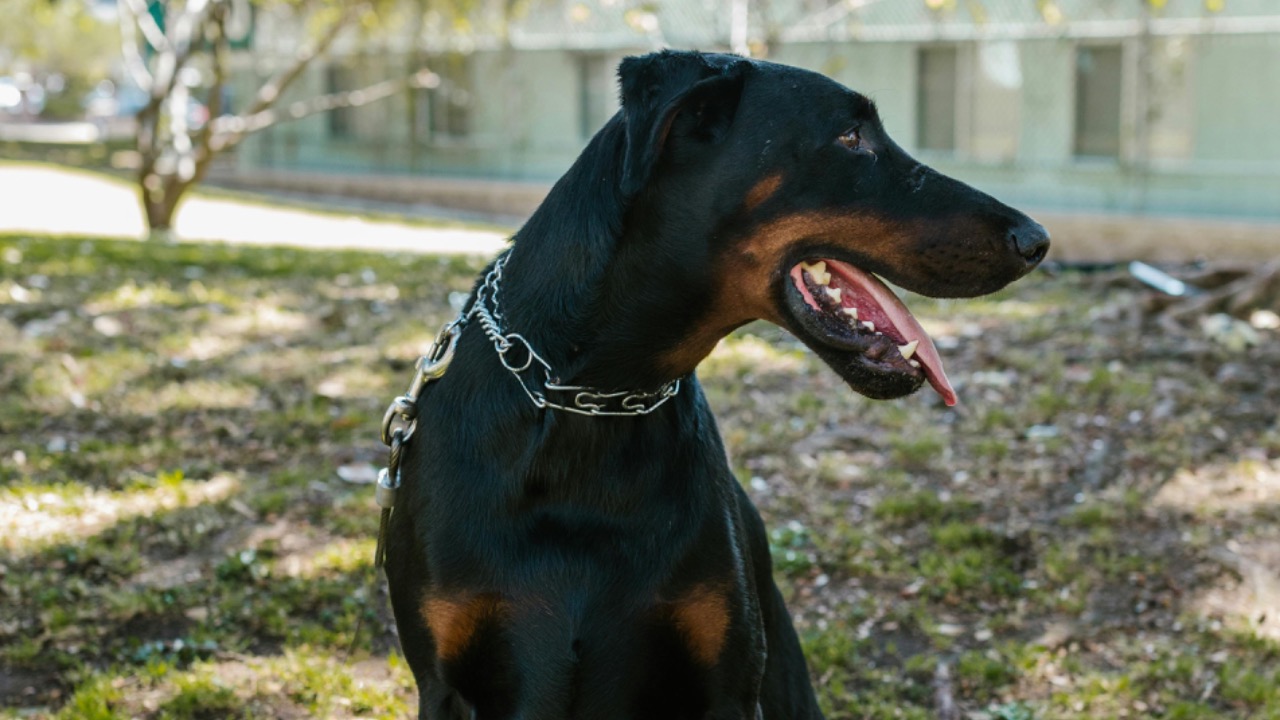
Working breeds such as German Shepherds and Rottweilers were never meant to be decorative, they were historically bred for protection, heavy work, and serious decision making. A detailed behavior profile notes that Working Breeds like German Shepherds and Rottweilers were developed for tasks such as guarding, police or military service, and other demanding roles that required intelligence, loyalty, and strong protective instincts. Another training guide on Rottweilers explains that Rottweilers have a rich history as working dogs, originally bred for herding cattle and pulling carts, and that their natural guarding tendencies can slide into excessive territoriality if not properly trained and socialized. When those dogs are dropped into a quiet suburban home with little structure, the mismatch can be stark.
Breed experts group these dogs in the Working Group and describe Working Group Breeds Are Characterized by Their Hardworking Nature, with examples that include powerful guardians and sled dogs such as the Siberian Husky. A Facebook training video framed as What Breeds Were Designed to Do And Why It Still Matters POV, You chose a working breed and you do not have work for it, makes the same point in blunt terms, arguing that Every dog still carries the job it was built to do, whether or not the owner recognizes it. I see the fallout when that message is ignored, from frustrated Rottweilers inventing their own security patrols to anxious German Shepherds that bark at every passerby because nobody has given them a clear job description.
Retrievers, hunters, and scent hounds: the nose never clocks out
Not all working dogs guarded property or pulled loads, many were built around their nose and mouth. The origin overview that lists the Labrador Retriever, German Shepherd, Golden Retriever, Beagle, and Bulldog explains that Labradors and Golden Retrievers were originally bred to retrieve game from water and land, while Beagles were created as scent hounds that could track small game over long distances. Veterinary writers who spotlight specific breeds point out that the Poodle, Despite its looks, was also a working water retriever, with a trim that originally served a functional purpose in cold water. When I watch a Labrador obsess over tennis balls or a Beagle glued to a scent trail, I am watching centuries of selection for retrieving and tracking play out in a backyard.
Those instincts can make these dogs superb partners when harnessed and exhausting housemates when ignored. A guide on Understanding Breed Specific Instincts explains that breed shapes tendencies like digging or chasing small animals, which is exactly what many owners label as “naughty” in hunting and scent breeds. Another training resource argues that Working instinct is how well suited an animal is to perform the job that it has been bred to do, and that this instinct includes problem solving skills that can be redirected into games and structured tasks. When I advise families with retrievers or hounds, I push them toward nose work, tracking games, or structured fetch sessions that give the dog a legal outlet for the job it was built to love.
Sled dogs and endurance athletes: when energy is the job
Some working breeds were engineered primarily for stamina and environmental toughness. A working breed roundup describes Our Pick of the Top Working Dog Breeds and highlights that Siberian Huskies are famous for their stamina and sled pulling skills, bred in harsh Arct conditions where covering long distances in freezing temperatures was a daily reality. A separate guide on sled dog breeds echoes that these dogs have dense coats, efficient gaits, and a drive to run that is not a quirk but the core of their purpose. When I see a Husky pacing in a small apartment or pulling a novice owner down the sidewalk, I recognize a dog whose original job description involved hours of intense movement, not a quick stroll around the block.
Modern life often strips away that outlet without replacing it with anything meaningful. Trainers who focus on working dogs warn that if a working dog does not have a job, it will often create one, which might look like escaping yards, destroying furniture, or obsessively digging. Another behavior analysis concludes that most dogs who live as companions today are of breeds or breed types that were originally selected for work such as herding, hunting, or protecting, and that when those drives are not engaged, behavior problems are more likely. I find that when owners of Huskies, Malamutes, or similar breeds commit to distance running, bikejoring, or long structured hikes, many of the so called problem behaviors fade because the dog finally has a task that matches its design.
Why “just a pet” is not a neutral choice
Calling a dog “just a pet” does not erase the instincts that guided its creation. A behavioral essay on the Spectrum of Canine Instincts explains that Each breed has been developed with a specific purpose, which has ingrained certain instinctual behaviours that still influence how the dog responds to the world. Another training focused analysis of instinct and drive states plainly that in reality, it is Dog’s natural instincts that play the vital role in the resultant behaviour we see in modern day dogs. When families ignore that reality and choose a breed purely for appearance or social media trends, I often see disappointment on both sides of the leash.
Breed based behavior guides aimed at pet businesses reinforce that point by stressing that understanding breed specific instincts helps predict energy levels, social styles, and likely problem behaviors. One such guide notes that breed affects whether a dog is more prone to digging, chasing small animals, or guarding spaces, and that these tendencies are not easily erased by training alone. Another training resource on using your dog’s natural instincts in training argues that Understanding Your Dog’s Instinctive Traits allows owners to design games and exercises that the dog finds naturally rewarding, which in turn makes training more effective. I have watched owners who lean into that approach see their dogs relax, because the animal finally feels understood instead of constantly corrected for doing what it was bred to do.
Turning instinct into enrichment instead of conflict
The practical question I face with readers and clients is how to turn all this history into daily routines that work in a modern home. A training blog on Ways to Use Your Dogs Natural Instincts in Training suggests starting with a clear inventory of what the dog was built to do, then designing activities that mimic that job in safe, structured ways. Another program focused on Using Your Dog’s Natural Instincts to Customize Their Training Plan emphasizes that Understanding Your Dog’s Instinctive Traits can make training both fun and productive, because the dog is being asked to perform behaviors that feel deeply satisfying rather than arbitrary. I have seen a herder calm down when given daily scent puzzles and ball games that require control, and a terrier relax after regular digging sessions in a designated sandbox.

Leo’s been tracking game and tuning gear since he could stand upright. He’s sharp, driven, and knows how to keep things running when conditions turn.