Heat records shattered as winter pattern abruptly flips
Across the United States, winter has lurched from icy blasts to beach‑weather heat in a matter of days, shattering records and scrambling expectations. From Arizona desert cities to coastal California, February and early March have looked more like late spring, even as forecasters warn that the pattern can still snap back to cold. The abrupt flip is more than a curiosity, since scientists link these violent swings to a warming climate and rising risks for people, crops, and infrastructure.
Heat records fall from Arizona to the Pacific coast
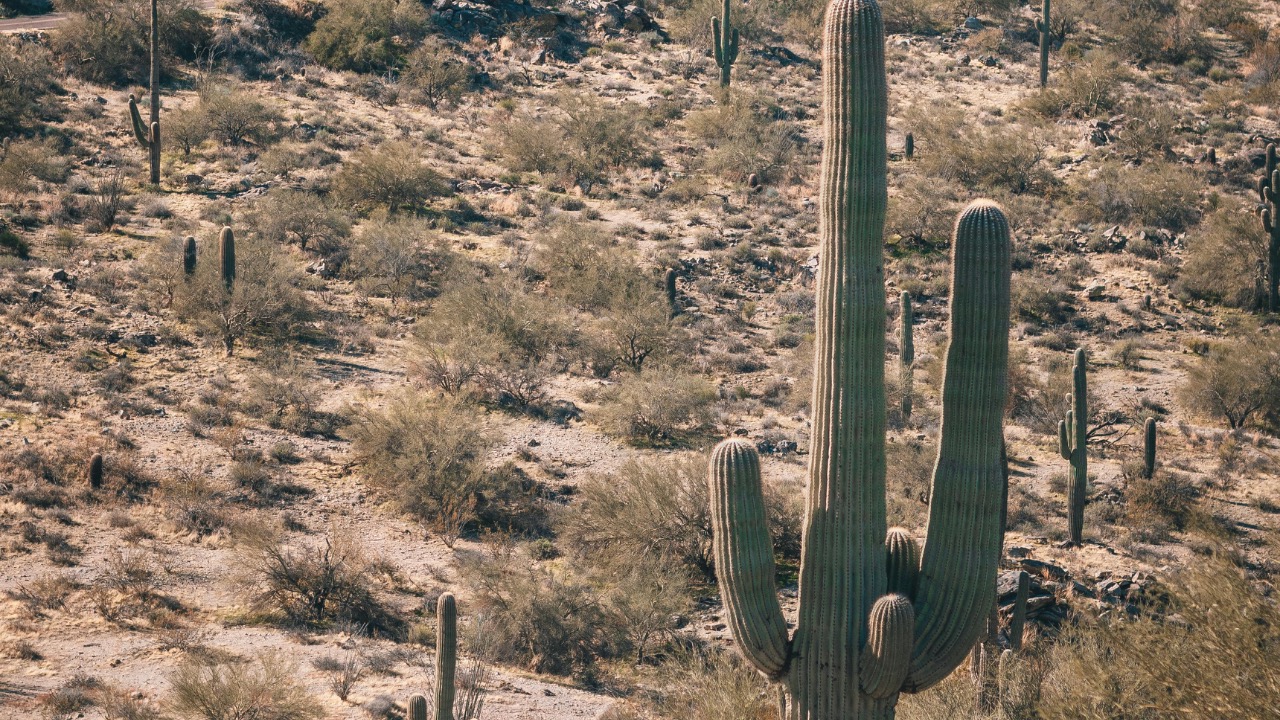
The most eye‑catching numbers have come from the desert Southwest, where February felt like an early preview of summer. In Phoenix, forecasters tracked a run of days that pushed toward or past long‑standing marks, with The FOX Forecast Center warning that the city could tie or break its record highs again on Saturday. One report noted that Phoenix has only recorded 90 degree days in February a limited number of times historically, with this year adding to that rare tally of “90” degree milestones as the previous high record for Feb. 27 in the Phoenix area of “92” degrees, according to Whittock, came under threat.
Farther west, the warmth surged all the way to the Pacific. Downtown Los Angeles and surrounding communities saw a winter heat wave that toppled previous benchmarks, with Long Beach beating its earlier record of “88” from 2025 when it hit “92” degrees on Friday. Even typically temperate San Diego joined the surge, reflecting a broader pattern in which coastal zones, not just inland deserts, are now seeing wintertime highs more typical of late May. The scale and geographic spread of these records make clear that this is not a localized fluke, but a regional pattern reshaping what winter feels like in the West.
Yuma and Phoenix showcase a new level of winter heat
Nowhere illustrates the new intensity better than the lower Colorado River valley, where February heat has rewritten the record book. In Yuma, observers reported the warmest February day ever at “96” degrees on Friday, breaking the previous mark of “95” set in 1986. That kind of jump is significant for a city already known for its hot climate, since it means that even the extremes are moving higher, not just the average days.
Phoenix has followed a similar trajectory, with daily and monthly records falling as the metro area baked under clear skies and high sun angles that usually arrive much later in the year. One forecast discussion highlighted that Feb. 28 and March 1 had previously hit record highs tied at “92” degrees, a threshold that is now within reach of being exceeded in back‑to‑back years if the current pattern holds. Together, Yuma and Phoenix offer a stark picture of how winter in the Southwest is morphing into a season where 90s and even mid 90s are no longer outliers but recurring features.
From “still winter” to instant summer in the East
The pattern flip has not been confined to the West, as the eastern half of the country has swung wildly between seasons. Earlier in Jan, one forecaster warned that it was “still Winter” even as temperatures surged to “85” in FL, with the message that “Many records will break! But then the bottom drops out.” That same post captured the sequence residents felt on their skin, with Monday morning described as chilly, not cold, yet with the warning that true Arctic air could arrive later next week, a reminder that the calendar still favors winter even when the thermometer suggests otherwise.
By Feb, the National Storm Center was already talking about a “pattern flip” that would send springlike air north and east across the middle of the country. The group cautioned that this surge would not arrive quietly, since the warm, moist air would collide with lingering cold to produce severe weather to the Southeast and raise wildfire danger in some areas, while also hinting that floods are coming for sure as snowpack and frozen ground interacted with heavy rain. The rapid progression from a Florida heat spike in Jan to a broad, Springlike dome a few weeks later captures how quickly the atmosphere is toggling between regimes.
Weather whiplash and the science behind the swings
For many residents, the experience feels like classic weather whiplash, with bodies and routines struggling to keep up. One local report from Mar described a morning where the temperature sat at minus 2 degrees Celsius on Friday, only for forecasts to call for 13 degrees Celsius by Sunday, prompting the exclamation, “What a huge turnaround in temperature.” Another clip from Jan noted how January showed a strange split that felt unreal on the body, as cities in North America and Asia layered clothes and stayed in winter mode while other regions basked in warmth, underscoring that the swings are not evenly distributed.
Climate researchers have been tracking this pattern of rapid flips for years, and they now have a name for it: climate whiplash. Analysis of events in Europe has shown that late spring frosts that damaged crops were followed by heavy rains that washed fields out within weeks, a sequence that scientists at the Laboratory of Tree‑Ring Research and others have linked to more frequent and intense swings on seasonal, monthly, and weekly timescales. A broader body of work, including studies highlighted through Climate Whiplash, shows that these wild swings are on the rise as the planet warms, with the timing of changes becoming as disruptive as the magnitude of heat or cold.
Polar vortex shifts and sudden stratospheric warming
High above the surface, the atmosphere has been staging its own drama that helps explain why winter can flip so abruptly. Meteorologists have been watching a rare polar vortex shift, describing the vortex as a kind of invisible cage that usually keeps the deepest cold locked near the pole. Most winters, it stays relatively stable, but when that cage weakens or gets shoved off center, frigid air can spill south and reshape the entire winter forecast, as seen in past cold snaps that reached as far as Texas.
At the same time, scientists are tracking a highly unusual March polar vortex disruption that is rapidly approaching, with experts saying this year’s event is exceptionally strong. Sometimes, the waves that ripple up from the lower atmosphere are powerful enough to shove the vortex off its perch and stretch it into a lopsided blob. Other times, they can split the vortex into multiple pieces. Mar analysis of a developing early‑season sudden stratospheric warming, described as an SSW, explained that during such an event, these waves become strong enough to dramatically disturb the orderly spinning of air 30 kilometers up, which in turn can trigger sharp pattern flips in the weather people experience on the ground.
How a “false spring” tricks ecosystems
While city dwellers swap jackets for T‑shirts, plants and animals are responding to the same signals in ways that can be far more damaging. Northwestern cities have trended warmer and drier than normal this season, and one observer described how a False Spring is tricking the landscape into behaving like winter is over. In that account, buds swell, flowers emerge, and insects become active weeks ahead of schedule, all because the cues that usually signal the end of winter have arrived early and persistently this year.
Scientists who study frost‑free seasons warn that “False springs” are a particular concern. Any increase in warm spells toward late winter or early spring can prime trees and crops to leaf out or bloom, only to be hit by a hard freeze that wipes out a year’s growth or harvest. Research on why frost‑free seasons are getting longer points to this combination of earlier warmth and lingering cold as a key stressor, especially in regions like the Midwest that saw dramatic damage in 2012 when a warm March was followed by a killing frost. The pattern now unfolding, with record February heat followed by the possibility of renewed Arctic outbreaks, fits that risk profile uncomfortably well.
Snow, ice, and the hidden value of a real winter
Behind the headlines about balmy afternoons lies a quieter loss: the steady snow cover that many ecosystems and water systems depend on. Analysts at cryosphere research centers emphasize that increasingly common, false starts to spring stretch beyond the Arctic into many other parts of the globe, leaving plants, insects, and other pollinators out of sync. When snow disappears too early, soils can dry, roots can be exposed to later cold snaps, and the timing between flowering plants and the insects that pollinate them can fall out of alignment, leaving no seeds for animals that rely on those plants for food.
Snow also acts as a natural reservoir, slowly releasing water into rivers and aquifers as it melts. When winter heat waves strip that snowpack in a rush, communities lose a buffer against both drought and flood. The recent pattern, where the West dries out and warms at the same time the central and eastern states see surges of Springlike air, means that some river basins may face earlier runoff followed by a longer, hotter dry season. That shift can ripple through everything from hydropower output to wildfire risk, and it starts with the same winter heat that has people eating lunch outside in February.
Human health, infrastructure, and wildfire risk
These rapid flips are not just a curiosity for weather enthusiasts, they carry direct consequences for health and infrastructure. Climate communicators point out that if people feel like they have been getting more and more weather whiplash from sudden and drastic temperature changes, they are not alone. Quick swings from freezing mornings to near‑summer afternoons strain the cardiovascular system, especially for older adults and those with respiratory conditions, while also complicating decisions about heating and cooling in homes and workplaces.
Infrastructure, built with historical climate patterns in mind, is also under pressure. The National Storm Center has warned that the pattern flip bringing record warmth to the Midwest and eastern United States will raise wildfire danger as dry fuels meet unseasonable heat, at the same time that heavy rain on frozen or saturated ground can trigger floods that are coming for sure. Roads can buckle under sudden warmth after deep cold, power grids must handle both early air‑conditioning demand and late‑season heating, and emergency managers are forced to plan for severe weather outbreaks along the Gulf and Florida while the West dries out and warms under a stubborn ridge. The same jet stream configuration that could not have been more different between late February cold and early March heat is now testing systems that were designed for a gentler seasonal progression.
Climate change, long records, and what comes next
Underneath the daily forecasts, the long‑term trend points in a clear direction. Feb has been on course to break an unprecedented number of heat records, with meteorologists tying that surge to Rapid ocean warming and a growing tally of unusually hot winter days recorded as human‑driven climate change adds background heat to the system. Research highlighted through environment platforms such as environment.yale.edu and peer‑reviewed work on Extreme Weather Are on the Rise has found that as average temperatures climb, the probability of both record highs and sharp swings between extremes increases, even if occasional cold snaps still occur.
For communities from Long Beach to Yuma and from North America and Asia to In Europe, the message is that the old mental model of a steady, predictable winter no longer fits the data. The recent heat wave that shattered records in Southern Calif, the “96” degree February day in Yuma, the “85” in FL in the heart of Jan, and the minus 2 to 13 degree Celsius weekend in one Mar forecast all point to a season defined by volatility. Planning for that future will mean updating building codes, crop calendars, emergency response plans, and personal habits to account not only for higher peaks of heat, but also for the jarring speed with which winter can now flip from one extreme to another.

Asher was raised in the woods and on the water, and it shows. He’s logged more hours behind a rifle and under a heavy pack than most men twice his age.