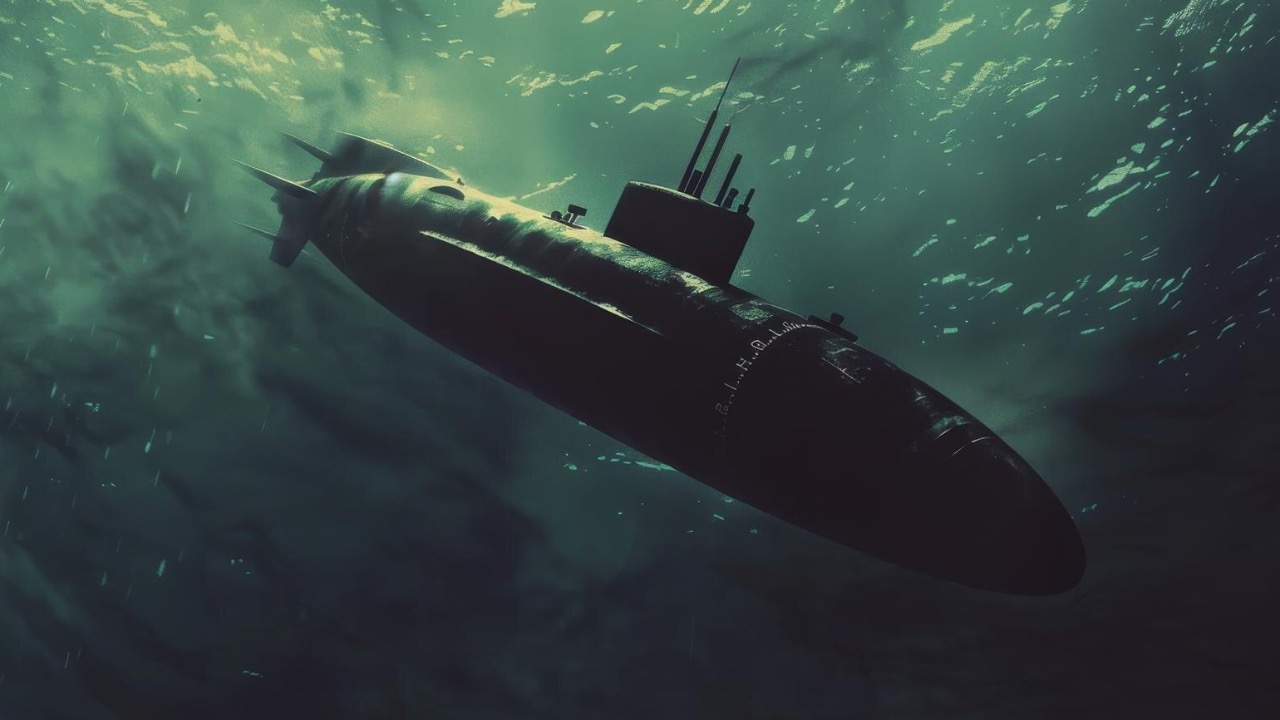
What happens when a submarine exceeds crush depth — why failure is sudden and catastrophic
When a submarine passes its crush depth, the failure is not gradual or survivable. The hull gives way in a fraction of a second, the surrounding water slams inward, and the people inside never have time to register what happened. The physics behind that kind of collapse are brutal, but they are also clear enough that anyone who spends time on the water should understand what is really at stake when a vessel goes deep.
In plain terms, the ocean is trying to squeeze every void it can reach, and a pressure hull is the only thing holding that force back. Once that hull loses the fight, the result is a sudden, catastrophic implosion that turns steel, composites, and human bodies into a compact cloud of fragments and vapor. It is not a slow crush, and it is not something a person can ride out with training or toughness.
How pressure builds as a submarine goes deep
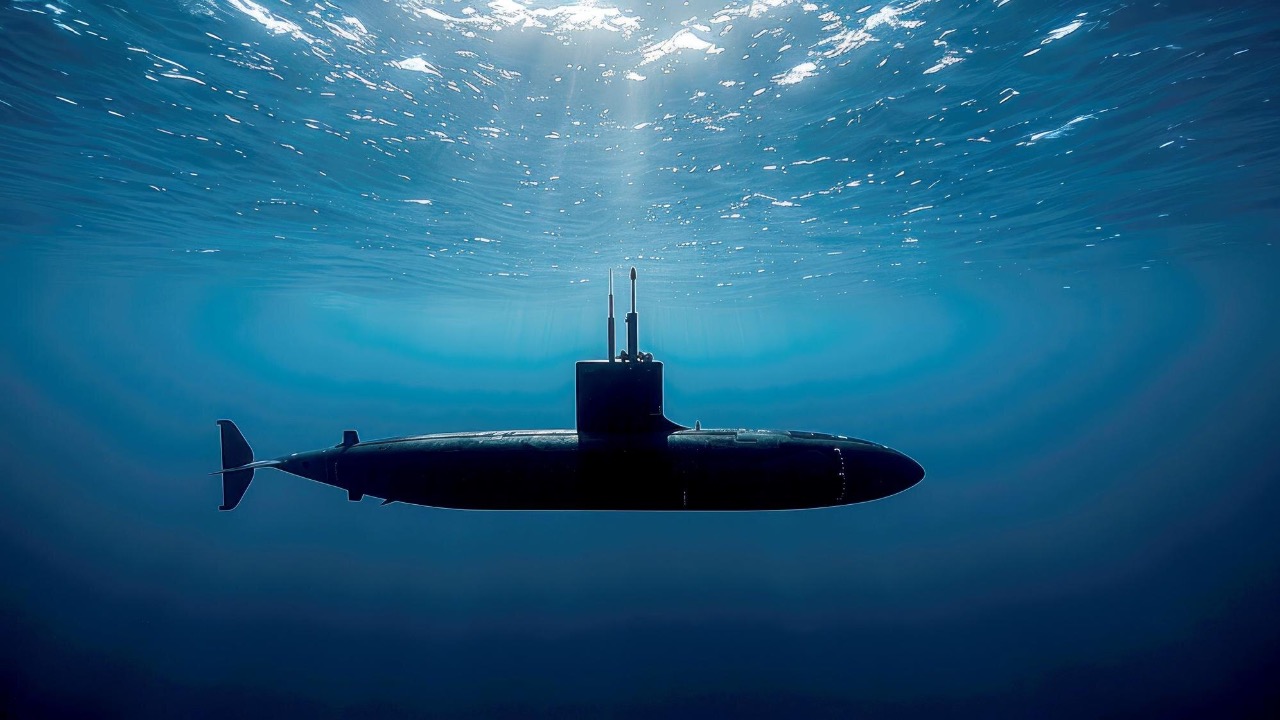
Every extra foot of depth adds weight to the water column pressing on a submarine, and that weight stacks up fast. At the surface, the hull only has to balance normal atmospheric pressure, but as the boat descends, the outside load climbs until it reaches the engineered limit of the structure. Designers know that limit in advance, and they define a safe operating envelope long before a crew ever takes the vessel to sea.
Submarines are built so the air inside the hull stays close to the same pressure people feel at sea level, which means the entire pressure difference is carried by the shell of the boat itself. As the submarine operates at greater depths, the steel or composite skin has to resist the rising pressures of deep ocean waters, and that is where the shape, thickness, and material choice become life-or-death details that separate a safe dive from a fatal one, as explained in technical discussions of how Submarines handle external load.
What “crush depth” really means
Crush depth is not a rough guess or a dramatic phrase, it is the point where the calculated strength of the hull, with all its stiffeners and frames, can no longer carry the outside pressure with an acceptable safety margin. Long before a boat is built, engineers run the numbers on plate buckling, frame spacing, and material yield to find the depth where the first serious structural instability will occur. The published operating depth for a military or research submarine is set shallower than that, but the true collapse point is always lurking below.
In practice, the failure is tied to how the pressure hull is supported and how stiff its core structure is. As the core stiffness is reduced below that of the face, the interframe yield failure mode is most affected, followed by general instability, and in some stiffness ranges this order reverses, which is why detailed studies of a submersible pressure hull spend so much effort on how frames and skins share the load. When that balance tips the wrong way at depth, the hull does not bend gracefully, it snaps into a new shape and drags the rest of the structure with it.
Why the failure is instant, not a slow squeeze
Once the hull reaches its collapse load, the failure happens at the speed of sound in metal and water, not at the pace of a leaking pipe. The structure starts to buckle in one spot, that buckle shifts the load to the surrounding area, and the rest of the shell follows in a chain reaction. To anyone inside, there is no warning beyond maybe a sharp noise, then nothing, because the entire event is over in a few dozen milliseconds.
Physicists who have walked through the numbers describe it as a violent inward rush, not a slow crush, and they point out that the time scale is so short that the human nervous system cannot process what is happening before it is over. In about 50 milliseconds, probably less, the hull can go from intact to fully collapsed, and the people inside are reduced to a mix of water, vapor, and trace elements, a process that detailed breakdowns of what happens when a submarine implodes describe in blunt, clinical terms.
The brutal physics of an implosion
From a physics standpoint, an implosion is simply the outside pressure winning all at once. The water around the hull is trying to move inward at supersonic speed, and when the shell gives way, that water slams into the interior space with enormous kinetic energy. The air inside is compressed so violently that it heats up, and the temperature spike is high enough to scorch everything in the compartment in the same instant the structure is being torn apart.
Analyses of recent deep-sea accidents estimate that when a submarine hull collapses, it moves inward at about 1,500 mph, or 2,414 km/h, which is roughly 2,200 ft per second, and the air inside a sub is compressed so fast that it can turn materials and human remains to ash and dust instantly, a sequence described in detail in technical reconstructions of what happens in a catastrophic implosion. That is why experts in Oct who have walked through The Physics of Instant Death stress that it is not a slow crush but a sudden, terrifying collapse that is truly not what most people think, a point that video explainers on Physics of Instant have tried to make clear.
How engineers try to stay ahead of collapse
Keeping a submarine safe is a constant fight against that collapse threshold, and engineers throw every tool they have at the problem. They choose high strength steels or advanced composites, they shape the hull into near perfect cylinders or spheres to spread the load, and they add internal frames and bulkheads to keep the skin from buckling between supports. Every weld, every opening for a hatch or window, and every change in thickness is a potential weak spot that has to be accounted for in the design.
Detailed modeling work shows that the collapse loads for different pressure hulls vary with thickness and support spacing, and when the pressure is increased beyond those calculated limits, the vessel can fail in different modes depending on how the skin and frames share the stress, a pattern laid out in studies that begin with the phrase When the pressure hull is pushed past its design point. That is why serious builders test sample sections to destruction, sometimes dropping a 3,200-pound concrete block on a mockup to put a large dent in the structure and damage the laminate before pressurizing it, as described in Sep reports that begin with However and go on to explain how real-world flaws change the way a hull behaves at depth.
Lessons from recent deep-sea disasters
Modern attention to implosions has been shaped by a handful of high profile losses in very deep water. In each case, investigators have had to work backward from scattered debris on the seafloor and a few acoustic signatures to figure out how and when the hull failed. What they keep finding is that once the structure crossed its collapse threshold, the sequence was over before any human response would have been possible.
Physicists who have spoken publicly about these events emphasize that an implosion is simply the point where the external pressure exceeds what the hull can withstand, and the vessel implodes violently, with the surrounding water doing the work in a blink, a description laid out in interviews that explain what that meant for the people on board. For families and crews, the only small comfort is that the physics leave no room for drawn out suffering, because the mechanical and thermal forces involved act far faster than human perception.
Why people imagine a slow, crushing death
Popular culture has done a poor job of showing what really happens when a submarine fails at depth. Movies and television lean on drawn out scenes of groaning metal, spraying leaks, and crews fighting to plug holes as the pressure slowly rises. That makes for suspense, but it does not match the way a real pressure hull behaves once it passes its structural limit, which is more like a snapped spring than a bending beam.
Some of that confusion comes from mixing up flooding incidents in shallow water with true deep-sea collapse. A boat that springs a leak near the surface can indeed fill slowly, giving people time to react, but that is a very different scenario from a hull that has gone past its crush depth. Technical explainers in Sep that walk through what happens when a submarine implodes point out that a lot of people might be under the impression that the implosion will be a slow squeeze, and they work hard to correct that by showing high speed animations and pressure curves, including video breakdowns such as what happens when the hull finally gives way.
How depth, damage, and design interact
Real submarines do not fail in a vacuum, they carry scars from earlier dives, manufacturing quirks, and sometimes outright damage. A dent, a gouge, or a poorly repaired weld can all act as stress concentrators that lower the effective collapse depth of the hull. That is why serious operators track every incident, from a hard bump on the bottom to a dropped tool that mars the inside of the pressure shell, and they factor that history into future depth limits.
As submarines descend into deeper regions, they face not only higher static pressure but also dynamic loads from currents, internal waves, and unexpected underwater hazards, and those extra forces can push a marginal structure over the edge, a point laid out in Mar discussions of the science behind when they implode. That is also why engineers and regulators argue so fiercely over experimental designs that mix materials or cut weight, because every change in stiffness or support pattern can shuffle the order in which different failure modes appear, as highlighted in work that begins with the phrase As the core stiffness is reduced.
What this reality means for anyone going to sea
For most people who spend time on the water, crush depth sounds like a distant concern, something that belongs to nuclear boats and deep tourist subs. In truth, the same physics that destroy a hull at 3,000 meters are at work in every pressure vessel, from a small research submersible to a homemade diving bell. The difference is only in scale, and the margin for error shrinks fast as you chase greater depths.
That is why I pay close attention to how operators talk about design, testing, and certification before I would ever set foot in a vessel that plans to go deep. When experts in Aug explain that submarines are designed to keep internal pressure near sea level while the hull takes the full hit from the outside water, they are reminding everyone that there is no backup once that shell fails, a point that careful primers on what makes a submarine implode make very clear. The ocean does not negotiate, and when a boat exceeds its crush depth, the end is sudden, total, and decided entirely by the numbers that were baked into the hull long before it ever left the yard.

Asher was raised in the woods and on the water, and it shows. He’s logged more hours behind a rifle and under a heavy pack than most men twice his age.