
Rising Mountain Lion Attacks Renew Calls for Predator Control
Across the American West, a small but unsettling rise in mountain lion attacks is colliding with decades of conservation gains and fast expanding suburbs. From deadly encounters on remote trails to pets taken from backyards, each incident is sharpening a long running argument over whether predators should be strictly protected or more aggressively controlled. The stakes are measured in human safety, livestock losses, and the future of a big cat that has only recently begun to recover in parts of its historic range.
Public pressure is now pushing wildlife agencies and lawmakers to reconsider how they balance lethal control, nonlethal deterrence, and habitat protection. Advocates for stronger protections argue that fear driven crackdowns risk unraveling fragile populations, while hunting and ranching groups insist that current rules have allowed lions to lose their wariness of people. The result is a tense policy crossroads where science, local experience, and emotion collide.
From Rare Tragedies to Political Flashpoints
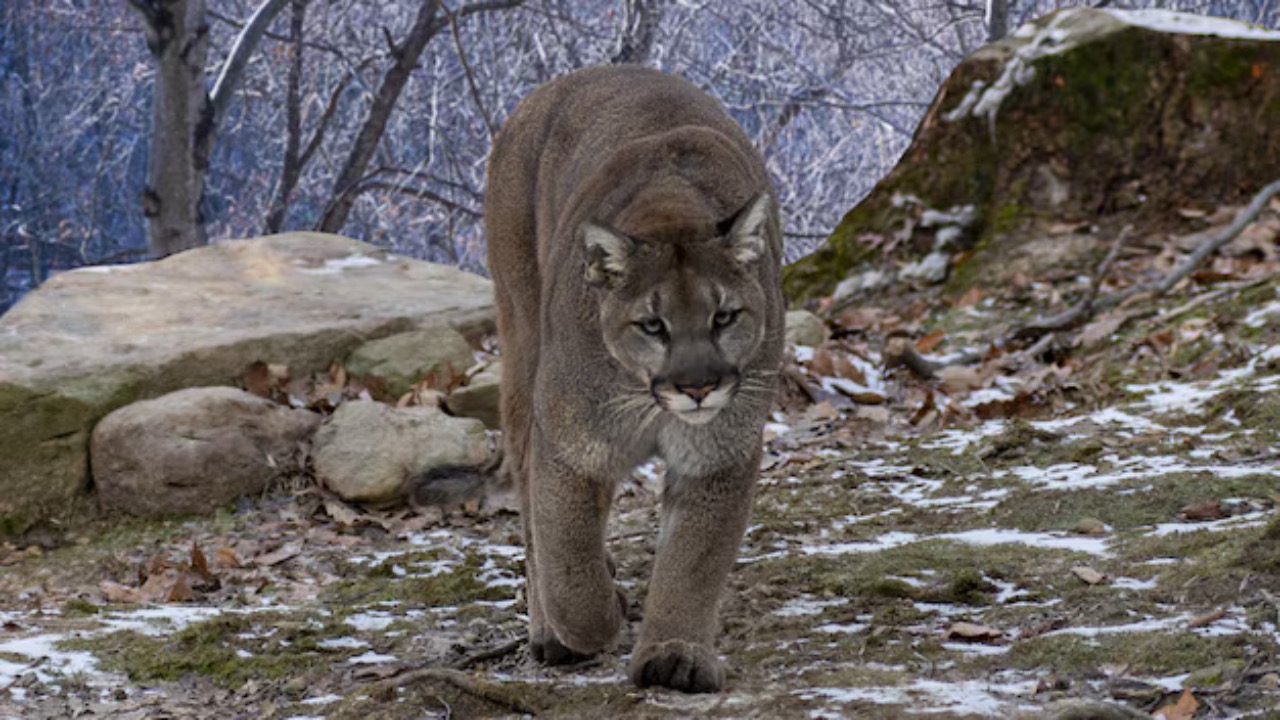
Mountain lion attacks on people remain extremely rare, yet each serious incident instantly becomes a political flashpoint. In California, a fatal mauling of a young man described in detailed reporting on Deadly Encounter helped turn a local tragedy into a statewide debate over whether current protections have gone too far. Families of victims, outdoor recreation groups, and some rural residents argue that a predator that kills a person should trigger broader population control, not just removal of the individual animal.
Similar tensions are visible in Colorado, where a suspected deadly attack earlier this year prompted renewed scrutiny of state policy. Reporting on that incident notes that Thursday’s killing would be the fourth fatal mountain lion attack in North America over the past decade and the 30th since 1868, figures that highlight how statistically rare such events remain even as they dominate public perception. When a single death is framed against a century and a half of data, it becomes clear why scientists warn against letting the most frightening cases dictate broad management rules.
California’s Predator Problem Narrative
In California, the political argument has hardened into competing stories about what went wrong. One influential narrative, amplified by hunting and advocacy groups, claims that a suite of anti hunting measures created what they call California’s Predator Problem and that restrictions on lion hunting and hound use allowed populations to grow beyond what rural communities can tolerate. A lengthy polemic titled California’s Predator Problem: How Anti Hunting Policies Created the Crisis They Now Decry frames three decades of policy as a cautionary tale, asserting that How Anti Hunting Policies Created the Crisis They Now Decry by eroding traditional tools that once kept lions wary of humans.
That view is echoed in online forums where frustrated hunters watch what one post calls the whole fiasco unfold in California, where all predators are protected, and insist that recent attacks prove they are so right about the need for lethal control. In one widely shared comment, a user reacting to an injured woman needing face reconstruction after a lion attack uses the phrase Watching the to describe their horror at events in California, then pivots to argue that hunters, not animal rights groups, are the real wildlife advocates. For these voices, each new incident is less a random tragedy than proof that long standing warnings about predator policy were ignored.
Threatened Status and Surging Complaints
At the same time, state level protections for mountain lions have grown stronger, especially along the Pacific coast. In California, regulators recently moved to classify some regional populations as threatened after a mountain lion wandered into San Francisco and drew intense media attention. Coverage of that decision explains that Just weeks after a lion entered San Francisco, state officials voted to permanently protect populations of the charismatic cats in certain regions, a step that limits lethal control tools even as local complaints about conflicts increase.
The same reporting notes that Attacks on livestock and pets, however, have trended upward in recent decades, according to a state report, even as state wildlife officials stress that fatal attacks on humans remain rare and that their management plans prioritize non lethal methods. That tension is playing out in counties where ranchers face mounting losses while conservationists celebrate formal recognition of the lion’s vulnerability. The label of threatened status, intended to secure the species’ future, can feel to some residents like a signal that their daily risks are secondary.
El Dorado County as a Case Study
No place illustrates this collision of rising conflict and protective policy more vividly than El Dorado County in the Sierra foothills. Local reporting describes how One Northern California county is seeing a startling surge in mountain lion activity, ranging from daytime sightings to attacks on pets and livestock, and identifies that county as El Dorado. A deeper data analysis found that Molzahn’s findings line up with El Dorado County data, which show that For the 13 years prior to 2023, the county recorded an annual average of about 59 mountain lion related incidents, a figure that climbed to 202 in 2024.
Residents there describe feeling overrun, with social media posts warning neighbors to keep pets indoors and to report aggressive behavior. That sense of siege has spilled into politics, with some local leaders calling for targeted removals and a rollback of restrictions on lethal control. The fact that this surge is concentrated in a specific jurisdiction, rather than evenly spread across El Dorado County‘s neighbors, suggests that land use, prey availability, and reporting practices all play a role, complicating any simple narrative that blames statewide policy alone.
Colorado’s Deadly Encounter and Western Echoes
Farther east, Colorado has become another focal point in the argument over how to respond when lions kill. A detailed account of a suspected deadly mountain lion attack in Colorado explains that Jan 2, 2026 coverage described Thursday’s killing as the fourth fatal mountain lion attack in North America over the past decade and the 30th since 1868, figures that wildlife officials point to when urging calm. Yet for communities living near the attack site, the numbers matter less than the shock of a neighbor killed on a familiar trail.
Another analysis of policy responses argues that, as in many states before it, Colorado’s response has leaned toward expanded lethal control, more removals, broader authority, and a presumption that killing more lions after a rare attack makes people safer over time. The author questions whether this instinctive crackdown actually reduces risk or instead disrupts lion social structures in ways that may increase encounters. That critique has begun to echo in other Western states, where lawmakers face pressure to appear tough on predators while biologists warn that short term political reassurance can carry long term ecological costs.
Pets, Livestock and the Everyday Cost of Coexistence
While fatal attacks on humans grab headlines, the more common and emotionally charged conflicts involve pets and livestock. In the Santa Cruz Mountains, Jan reporting described how a mountain lion was seen on video snatching a cat from a porch and how residents complained that the same animal had killed several pets. Wildlife officials responded by emphasizing a management plan that prioritizes non lethal measures to resolve conflicts with mountain lions, even as frightened pet owners demanded removal of the cat. That clash between a biologist point of view and a homeowner’s fear is now a recurring feature of life along the wildland urban edge.
Statewide data show that Attacks on livestock and pets have trended upward in recent decades, according to a state report that tracks depredation permits and complaint calls. A separate scientific review titled A Call for Research on Reducing Livestock Mountain Lion Conflict concluded that Findings indicate variable effectiveness, with more robust designs revealing limited success in reducing mountain lion threats, which suggests that many popular deterrents are less reliable than advertised. Ranchers who invest in guard animals, fencing, and night corrals often still face losses, yet conservation groups argue that these tools, combined with careful husbandry, can reduce the need for lethal control if supported with funding and technical help.
Safety Advice: From Trail Etiquette to Emergency Response
As conflicts rise, agencies across the West have stepped up efforts to teach people how to behave in lion country. The Arizona Game & Fish Department’s guidance on Living With Mountain Lions opens with a blunt directive in all caps that reads IN AN EMERGENCY. Report all mountain lion attacks to 911, then urges residents to contact wildlife authorities about sightings in urban areas and any aggressive behavior. The same page advises people who encounter a lion to appear large, maintain eye contact, and fight back if attacked, advice echoed in many state brochures.
National Park Service guidance for Point Reyes National Seashore in coastal California offers similarly specific instructions. Visitors are told to Wave your arms slowly and speak firmly in a loud voice if they see a lion, and, if that fails, to throw stones or branches in its direction but not directly at it while backing away. A safety bulletin from the Solano County Sheriff’s Office in Northern California adds more practical detail, urging hikers to Pick up small children and warning that Squatting puts you in a vulnerable position of appearing much like a 4 legged prey animal. Together, these advisories reflect a consensus that people should stand their ground, look big, and never run.
Culture War Over Hounds, Hunting and “Gang Rivalries”
Behind the policy fights lies a deeper cultural conflict over who gets to define ethical wildlife management. A long running argument centers on the use of hounds to track and tree mountain lions, a method that some hunters consider essential and many animal welfare advocates condemn as cruel. In a widely shared Facebook discussion about the consequences of banning hound tracking of mountain lions, one participant laments that it is more like gang rivalries than just opposing points of view anymore, describing the divide between pro hunting groups and animal rights activists as hardened and emotional rather than evidence based.
Another commenter in that thread argues that human problems can be solved, but only if both sides accept compromise, then adds a pointed warning: Don’t build on their habitat then complain about predators. That sentiment captures a growing frustration among people who see suburban expansion into lion country as the root cause of conflict. At the same time, a classic New York Times science piece from the 1990s noted that Pro hunting advocates argue that restrictions on hunting have caused cougars to lose whatever fear they have of humans and become bolder near towns, and that the solution, these advocates argue, is liberalized hunting policies. Three decades later, the basic contours of that argument have changed little, even as the science on lion behavior has advanced.
Coexistence Science and the Limits of Killing
Researchers who study predator conflict caution that killing more lions after rare attacks may offer a false sense of security. A detailed policy critique circulated by the Felidae Conservation Fund argues that, as in many states before it, Colorado’s response to recent attacks has leaned toward expanded lethal control, more removals, broader authority, and a presumption that such measures make people safer over time. The author contends that this approach can destabilize lion populations by removing dominant adults that would otherwise keep younger, riskier animals in check, potentially increasing the odds of future conflict.
Academic work on livestock depredation supports that concern. The research review A Call for Research on Reducing Livestock Mountain Lion Conflict found that Findings indicate variable effectiveness, with more robust designs revealing limited success in reducing mountain lion threats when managers rely heavily on lethal removal. Instead, the authors call for systematic testing of non lethal tools, from fladry and night corrals to guardian animals and targeted hazing. Wildlife officials in places as far flung as Kansas, where mountain lions are making a comeback and sightings are on the rise, now urge residents to Avoid approaching tracks, carcasses, or dens and to Keep pets indoors at night, advice that reflects a shift toward coexistence strategies grounded in behavior rather than simple predator removal.

Asher was raised in the woods and on the water, and it shows. He’s logged more hours behind a rifle and under a heavy pack than most men twice his age.