Indiana Brings First Drone-Assisted Deer Poaching Case
Indiana has opened a closely watched test case for modern wildlife law, charging several hunters with using a drone to track and kill a trophy deer in what authorities describe as the state’s first drone-assisted poaching prosecution. The investigation centers on a prized white-tailed buck and a cache of digital evidence that officials say documents a methodical effort to turn consumer drone technology into an unfair hunting edge. The outcome is expected to shape how far hunters can go with high-tech tools before crossing the line from legal innovation into illegal exploitation.
At the heart of the case is a clash between new rules that allow limited drone use to recover already harvested game and long-standing bans on using aircraft to locate live animals. Indiana regulators argue that the accused hunters did not merely blur that boundary but stepped well past it, using aerial scouting to pattern a specific animal’s daily routine. Their decision to file charges signals that wildlife officers intend to treat drone misuse as a serious conservation offense rather than a minor technical violation.
How Indiana’s First Drone Poaching Case Took Shape
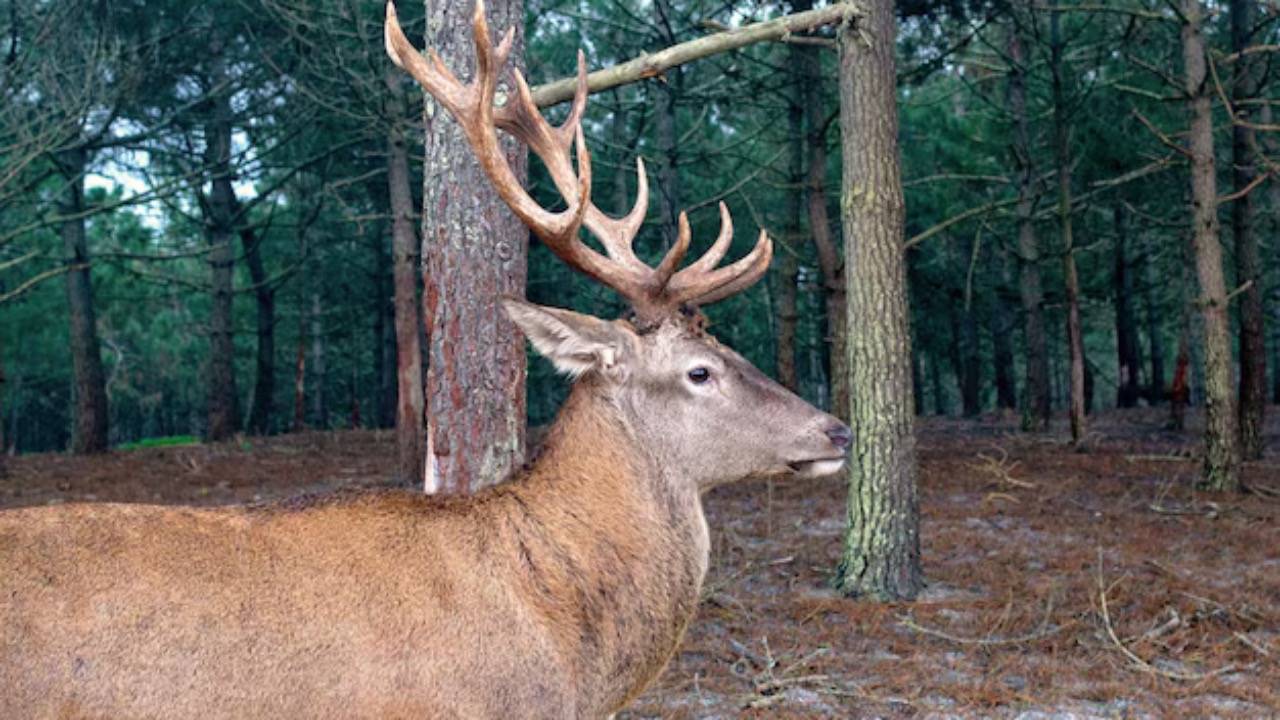
According to state investigators, the case grew out of an inquiry that began in late 2025 into several men suspected of targeting a single trophy deer with a drone. Officials with the Indiana Department of Natural Resources say the group allegedly used repeated flights to “pattern” the animal’s movements, building a detailed picture of where and when the buck traveled through a particular property. The investigation ultimately focused on a white-tailed buck that officers describe as a high-value trophy animal, the kind of mature deer that attracts intense interest from serious hunters.
Authorities say the accused hunters compiled hundreds of photos and videos that tracked the specific deer’s movements, creating a digital log of its daily routine that went far beyond casual scouting. The Indiana DNR contends that this footage, along with other evidence, shows a deliberate plan to use a drone as a real-time surveillance tool to locate and harvest the buck in violation of state rules that prohibit aerial scouting for live game. Investigators have framed the case as the first prosecution in Indiana centered on illegal drone scouting, a milestone that reflects how quickly consumer drones have become part of the hunting conversation.
What Investigators Say The Hunters Did
State conservation officers allege that the men at the center of the case flew a drone over hunting ground repeatedly in the weeks leading up to the deer’s killing. The Indiana DNR says the aircraft was used to search for and follow the trophy animal, with each flight adding to a growing library of images that captured the buck entering fields, crossing fence lines, and bedding in cover. By the time the deer was shot, investigators claim the hunters had effectively mapped its patterns, turning the animal’s natural routine into a predictable schedule.
Officials describe the drone flights as calculated rather than incidental, with the device launched specifically to locate the deer and relay its position to hunters on the ground. The agency’s account suggests that the men used the drone’s camera feed to decide when to move into position, then coordinated on the ground to intercept the buck once it appeared in a targeted area. In the DNR’s view, that kind of real-time aerial spotting goes far beyond traditional glassing or trail camera use and violates Indiana’s prohibition on using drones to search for, scout, locate, or detect live deer during the hunting season.
Indiana’s Evolving Drone Rules For Deer Hunters
The case arrives shortly after Indiana changed its regulations to allow limited drone use for game recovery, a reform meant to help hunters find animals that have already been legally shot. In 2024 the state legalized drone-assisted recovery of downed deer, with the Indiana Department of Natural Resources emphasizing that the change applied only after a hunter had already tagged an animal. Under that policy, a drone can be used to locate a blood trail or carcass in thick cover, but it cannot be flown to look for live deer before a shot is taken.
Officials have repeatedly stressed that the new recovery allowance does not loosen the long-standing ban on using aircraft to locate game. Indiana conservation officers have reminded the public that drones cannot be used to search for, scout, locate, or detect deer during the hunting season, and that the only permitted use is to help track and retrieve a legally taken animal. The current case hinges on that distinction, with the state arguing that the accused hunters used their drone as a scouting tool for a live trophy buck rather than as a recovery aid for a deer that had already been harvested.
Why A Trophy White-Tailed Buck Raises The Stakes
The focus on a trophy white-tailed buck gives the case symbolic weight that goes beyond a single poaching file. Mature white-tailed bucks are a prized quarry across North America, and Indiana’s investigators say the targeted deer had the kind of antler size and age structure that makes it a standout animal. For many hunters, the chance to pursue a large, mature buck is the reward for years of careful habitat work, selective harvest, and adherence to strict seasons and bag limits.
That context helps explain why authorities emphasize that the alleged drone scouting was not just a technical violation but an attack on the idea of fair competition among hunters. A trophy buck is often the product of community-level restraint, with neighbors passing younger deer and working together to improve habitat. When a small group uses technology to track and kill such an animal in a way that regulators say breaks the rules, critics argue that it amounts to stealing an opportunity from every law-abiding hunter who might have encountered that deer under fair conditions.
Social Media Outrage And Support For Enforcement
News of the Indiana case has rippled through hunting-focused social media, where many users have framed the alleged drone use as a clear violation of fair chase norms. One Facebook post that circulated widely described how “Hunters Busted using Drone to hunt trophy Buck” and highlighted that The Indiana DNR had investigated and charged several hunters who were using a drone to locate the animal. The phrase “Hunters Busted” became a shorthand in comment threads for a kind of high-tech shortcut that many sportsmen say they do not want associated with their tradition.
Other online discussions have focused on the broader meaning of poaching, with one Indiana Deer Hunting group reminding members that “Poaching is stealing from other legal hunters” and that fair chase exists to protect both deer and people. Commenters like Thomas Herman engaged in heated back-and-forth about drones and thermal gear, with some arguing that any technology that allows a hunter to “ride around and blast them at willl” violates the spirit of the hunt. Those reactions suggest that, at least among a vocal segment of the community, there is strong support for firm enforcement when technology is used to gain what they see as an unacceptable edge.
How The DNR Is Framing The Legal Case
The Indiana DNR has presented the case as a straightforward application of existing law to new technology rather than a novel legal experiment. In public statements, the agency has said that drones cannot be used to search for, scout, locate, or detect deer during the hunting season and that this restriction applies “across the board” regardless of whether the aircraft is used for still photos, video, or thermal imaging. By emphasizing that point, the DNR is signaling that the alleged conduct fits squarely within current prohibitions and does not require new legislation to prosecute.
At the same time, officials have acknowledged that the legalization of drone-assisted recovery in 2024 created some confusion, which they say the current case can help clarify. The DNR has drawn a bright line between using a drone to recover a legally taken deer and using it to pattern a live animal’s daily routine. In their account, the accused hunters did the latter by flying repeated scouting missions, compiling hundreds of images, and then acting on that intelligence to harvest the buck. The agency’s decision to bring formal charges suggests it intends to use this case as a reference point for future enforcement, particularly as consumer drones become cheaper and more capable.
What Other Reporting Says About The Alleged Poaching
Additional reporting on the case has filled in more detail about how investigators say the drone was used. One account notes that The DNR alleges that back in December several hunters used a drone to scout for, pattern the movements of, and harvest a white-tailed buck, with the aircraft providing enough of an advantage to raise serious fair chase concerns. That description aligns with the DNR’s own emphasis on repeated flights and patterning, rather than a single incidental flyover or a one-time search for a wounded animal.
Another summary of the investigation describes how the probe, which began in late 2025, centered on several men accused of using a drone to “pattern” a trophy white-tailed buck and then coordinate a hunt based on that surveillance. The same reporting stresses that Indiana had already legalized drones for the recovery of already harvested animals, which makes the alleged scouting use a clear deviation from the permitted purpose. Together, these accounts reinforce the state’s narrative that the case is not about a gray area but about hunters allegedly using a drone in exactly the way regulators had warned against.
Fair Chase, Technology, And The Line Hunters Are Debating
The Indiana case has become a touchpoint in a broader debate over how much technology belongs in the deer woods. Many hunters already rely on trail cameras, mapping apps, and long-range optics, and some argue that drones are simply the next tool in that progression. Others counter that an aerial platform with a live video feed crosses a qualitative line, especially when used to track a specific animal in real time. For them, the use of a drone to pattern a trophy buck’s daily routine looks less like hunting and more like remote surveillance.
Within online communities, the phrase “fair chase” appears again and again in arguments about drones, with some posters insisting that any method that lets a hunter see deer from the sky before they have any chance to detect human presence violates that ethic. In one group discussion, members contrasted legal uses such as recovering a downed deer with what they saw as unacceptable practices like using thermal drones to sweep fields for live animals. That split suggests that hunters are not rejecting all technology but are drawing a line at tools that dramatically reduce uncertainty and effort, especially when those tools risk turning a challenging pursuit into a near guarantee.
Why This Case Matters Beyond Indiana
Although the charges were filed in Indiana, the case is being watched by regulators and hunters in other states that are wrestling with similar questions about drones and wildlife. Many jurisdictions already ban the use of aircraft to locate game, but few have tested those rules in court against detailed digital evidence such as hundreds of drone photos and videos of a specific deer. If Indiana’s prosecution succeeds, it could encourage other states to pursue similar cases and to clarify their own regulations around drone-assisted scouting and recovery.
For manufacturers and service providers that market gear to hunters, the case is also a reminder that consumer technology can quickly become entangled in wildlife law. Companies that sell drones, mapping software, or thermal optics to sportsmen may face more questions about how their products are used in the field and whether their marketing encourages conduct that regulators consider poaching. In that sense, Indiana’s first drone-assisted deer poaching case is not only about one trophy buck or one group of hunters but about how the hunting world will integrate powerful new tools without losing the ethical framework that has long defined fair pursuit.

Asher was raised in the woods and on the water, and it shows. He’s logged more hours behind a rifle and under a heavy pack than most men twice his age.