The Predator Reintroduction Debate That’s Dividing Western States
Across the interior West, arguments over bringing back large predators have hardened into a cultural fault line. Nowhere is that more visible than in Colorado, where a voter-mandated gray wolf reintroduction has turned scientific questions about ecosystems into a proxy fight over who gets to decide the future of rural places. The same tensions are starting to echo in neighboring states, as ranchers, hunters, conservationists, and urban voters wrestle over how much wildness they are willing to live with.
The debate is not simply about wolves or even about livestock losses. It is about political power, economic risk and the sense, on both sides, that the other is using predators to impose a vision of the West that ignores lived experience on the ground. That is why a single calf killed in a snowy pasture can reverberate from county commission meetings to statewide ballot campaigns.
How Colorado Put Wolves On The Ballot
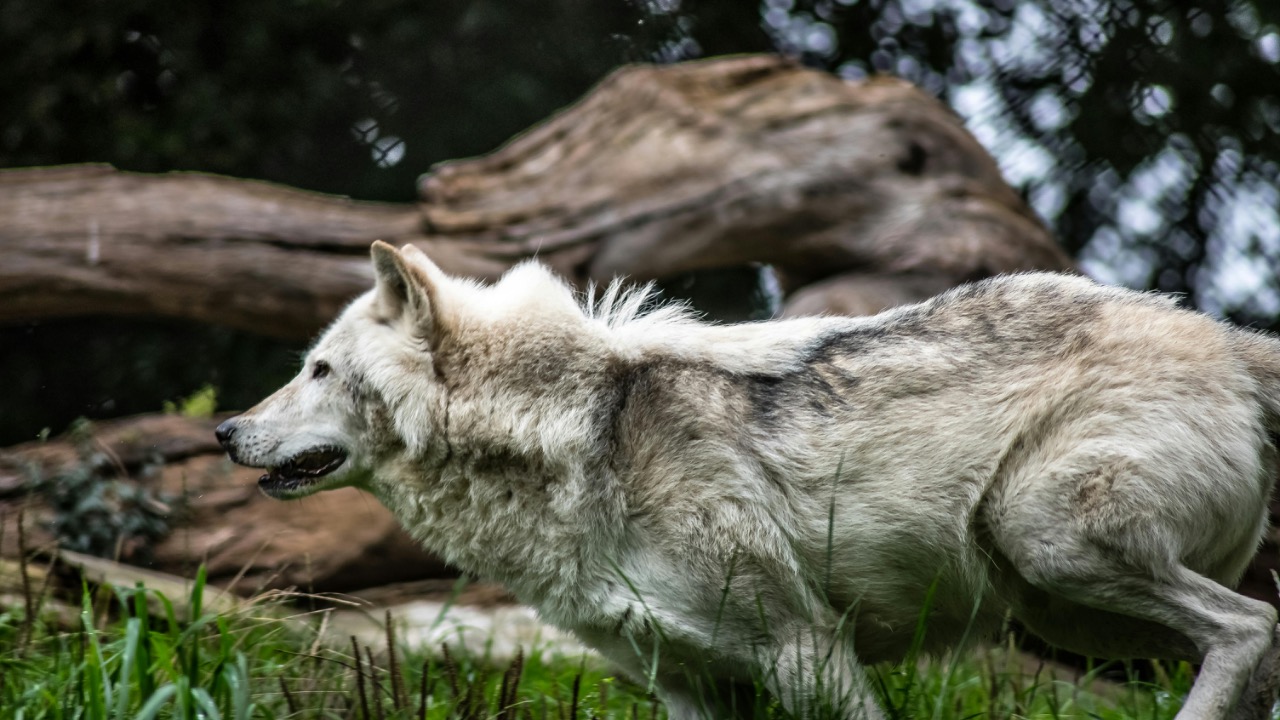
Colorado is the first state where voters, rather than wildlife agencies, ordered the return of a top predator. In the November 2020 election, Proposition 114 directed wildlife officials to reintroduce gray wolves west of the Continental Divide, setting a target of bringing 30 to 50 animals back to the state. The measure passed narrowly, with support concentrated in Front Range cities and opposition strongest on the Western Slope, a pattern that hardened an existing urban rural divide over environmental policy.
The ballot language instructed the Colorado Parks and to hold statewide hearings and use scientific data to design the plan, but it did not erase resentment among ranchers who felt outvoted by people far from wolf country. Earlier coverage of the campaign described how wolves reached the after years of advocacy that leaned on the idea of ecological restoration, popularized by the viral video “How Wolves Change Rivers,” which has amassed more than 44 m views on YouTube. That framing inspired many urban voters and at the same time convinced many rural residents that the campaign was driven by symbolism more than by the realities of working landscapes.
Urban Votes, Rural Consequences
The split over wolves tracks a broader political and cultural divide between metropolitan regions and sparsely populated ranching counties. Analysts have pointed out that the same counties that helped pass Proposition 114 are home to booming tech economies and fast-growing suburbs, while the communities where wolves are being released rely heavily on cattle and tourism. A searchable overview of Colorado underscores how the state’s political power is increasingly concentrated along the urban Front Range, even though the reintroduction zone lies hundreds of miles away in sparsely populated mountain counties.
That imbalance feeds a sense of grievance that goes beyond wildlife policy. One report described a rancher named Bruchez walking out to find a calf on its back, dead in the snow, then learning hours later from a Colorado Parks & Wildlife officer that a wolf was responsible. For Bruchez and neighbors, the killing was not just a loss of income but proof that decisions made in Denver and Boulder had arrived, literally, at the fence line. Coverage of that incident, and of similar attacks, has been used to explain how wolves highlight America’s, with city and suburban dwellers largely voting for reintroduction while ranchers absorb the risk to livestock that help drive local economies.
Ranchers, Compensation And The Cost Of Coexistence
As wolves have settled into Colorado’s Western Slope, the financial and emotional cost of coexistence has moved from hypothetical to immediate. A “Wildlife Conflict Fact” circulated on social media stated that in the first year since their reintroduction to Colorado, wolves killed at least 32 cattle in the reintroduction area. The same post argued that reimbursement is rare, echoing complaints from producers who say that proving a kill is wolf related requires time, documentation and a willingness to navigate unfamiliar bureaucracy.
State officials have tried to respond with money and policy. Colorado Parks and Wildlife has approved over $130,000 to compensate Western Slope ranchers for wolf related livestock losses, a decision that sparked debate over what is fair and how much proof should be required. The funding decision was highlighted in reporting on Colorado Parks and, with some ranchers arguing that even full market compensation cannot cover lost genetics, stress on herds or the sleepless nights that follow repeated depredations. Researchers at Colorado State University’s Center for Human Carnivore Coexistence have also reported that livestock producers often underuse compensation programs, in part because of paperwork at the end of the year and in part because of distrust that any government program will truly make them whole.
Courts, Legislatures And Predator Politics
The predator fight has not stayed on rangeland. It has moved into courtrooms and statehouses across the West, turning wolves into a recurring test of how far states will go to protect or control them. In Colorado, cattle industry groups went to federal court to try to halt the first planned releases, arguing that the state had not adequately weighed the impact on ranchers. Coverage of that case noted that City and suburban had largely voted to bring wolves back, while the people challenging the plan were focused on the risk to livestock that anchor rural economies.
Elsewhere in the region, legislatures have taken a far more aggressive approach. In Idaho, a new law to dramatically reduce wolf numbers has been framed by supporters as necessary to protect elk herds and ranchers, while conservationists counter that wolves are a that helps maintain the integrity of natural landscapes in the U.S. West. One analysis of “predator politics” described how Gray wolves are once again at the center of America’s wildlife conflict, with judges hearing arguments from both sides over whether federal protections should be restored and whether states like Idaho, Montana and Wyoming have gone too far by allowing extensive hunting and trapping.
Science, Myth And The Search For Middle Ground
Behind the political fights lies a deeper argument over what kind of nature people want and how much risk they are willing to tolerate. Ecologists point to research showing that large predator reintroduction programs can have more than one benefit. One scientific overview explained how large predator reintroduction can expand the range of vulnerable and endangered species, change the way prey behaves in ways that reduce overgrazing, and even boost local tourism opportunities. In Colorado, supporters of Proposition 114 argued that restoring wolves would help balance elk and deer populations and restore a piece of the state’s ecological heritage that had been erased by past eradication campaigns.
Opponents counter that these benefits are abstract compared with the daily reality of living with predators. During the 2025 special legislative session, Senator Dylan Roberts, who represents the northwest corner of Colorado including areas where wolves now roam, described feeling pressure from both sides as ranchers demanded more aggressive management and wildlife advocates warned against backsliding on protections. A long view of wolf recovery in the United States and Europe has found that as populations rebound, angry backlash often intensifies, and that the most durable solutions combine science with meaningful power sharing between urban voters and rural residents. That insight is echoed in work from environmental scholars who argue that predator policy in the Anthropocene is as much about culture and myth as it is about biology.

Leo’s been tracking game and tuning gear since he could stand upright. He’s sharp, driven, and knows how to keep things running when conditions turn.