Military Moves Abroad That Could Shift Regional Tensions
Military forces move around the globe all the time, but some deployments carry more weight than others. A base expansion, a new missile battery, or a few thousand additional troops can quietly shift the balance in a region that already runs on nerves and suspicion. When you follow these developments closely, you start to see patterns: positioning for deterrence, signals to rivals, and reassurance for allies who live close to potential flashpoints.
If you pay attention to these moves, you’ll notice they rarely happen in isolation. One country increases its presence, another answers with exercises or equipment of its own. What begins as routine planning can ripple across borders and alliances. These are several military moves abroad that could push regional tensions in new directions.
U.S. Expanding Access to Philippine Bases
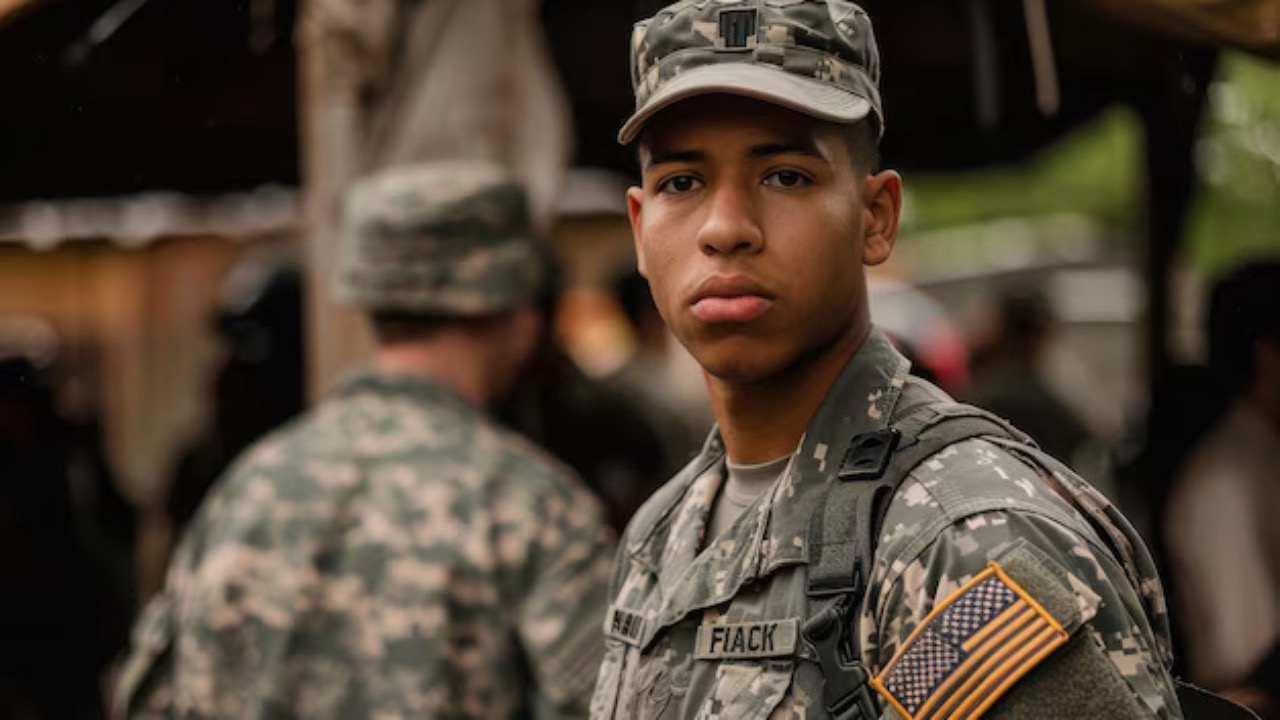
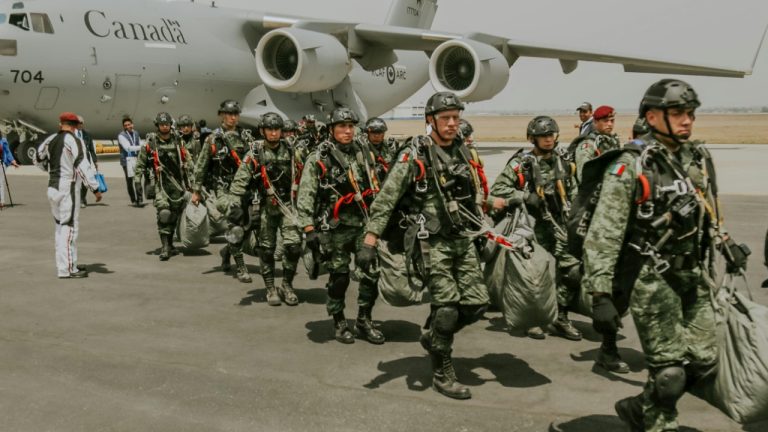
The growing defense cooperation between the United States and the Philippines has opened several new locations to American forces under the Enhanced Defense Cooperation Agreement. These sites give U.S. troops rotational access to facilities across the archipelago, some positioned closer to the contested waters of the South China Sea.
If you look at the map, the significance becomes clear. Those locations help the U.S. respond quickly to developments around Taiwan or maritime disputes involving China. For Beijing, expanded American access nearby raises concerns about surveillance, logistics, and rapid deployment capability. For regional allies, the presence signals that Washington intends to remain actively engaged in the Indo-Pacific security landscape.
Russia Strengthening Arctic Military Infrastructure
The Arctic may feel remote, but it’s becoming a strategic corridor as ice retreats and shipping routes open. Russia has spent years rebuilding airfields, radar stations, and missile sites across its northern territory, including along the Northern Sea Route.
If you’re watching global competition carefully, you’ll see why this matters. Control of the Arctic affects trade routes, natural resources, and early warning systems for missile defense. NATO countries bordering the region—particularly Norway and Canada—have begun responding with patrols and exercises. That quiet buildup increases military traffic in an area that once saw very little activity.
China Expanding Presence Around the South China Sea
China’s construction of military facilities on artificial islands has been one of the most visible shifts in the Indo-Pacific. Runways, radar installations, and missile systems have appeared on several reefs and outposts scattered across the Spratly Islands.
For you as an observer, the implications are easy to see. Those outposts extend China’s surveillance and defense coverage over contested waters. Neighboring countries like Vietnam and Philippines worry about restricted fishing areas and maritime control. Meanwhile, the U.S. Navy continues freedom-of-navigation patrols through the region. Each patrol and counter-patrol increases the chance of tense encounters between ships and aircraft.
NATO Reinforcing Eastern European Frontlines
After the Russian invasion of Ukraine, the North Atlantic Treaty Organization increased troop rotations across Eastern Europe. Battlegroups have been positioned in countries such as Poland, Romania, and the Baltic states.
If you stand in those regions today, the military presence is noticeably larger than it was a decade ago. Armored units, air defense systems, and joint exercises now occur more frequently. For NATO members near Russia’s borders, these deployments act as reassurance. From Moscow’s viewpoint, however, the growing alliance footprint close to its territory fuels concerns about encirclement and strategic pressure.
Iran Expanding Proxy Military Reach in the Middle East
Influence in the Middle East doesn’t always appear in the form of conventional bases. Iran has developed networks of allied militias and partner forces across countries such as Syria, Iraq, and Lebanon.
When you track weapons shipments, training programs, and advisory roles, you see how these groups extend Iran’s reach well beyond its borders. Israel and Gulf states monitor these movements closely, especially when missiles or drones are involved. The presence of these forces near sensitive borders keeps tensions simmering and increases the risk of localized clashes turning into broader regional confrontations.
Japan Expanding Defense Posture in the Southwest Islands
For decades, Japan maintained a restrained military posture. That approach has been shifting as Tokyo strengthens defenses along its southwestern island chain, including areas near Okinawa.
If you look closely, new radar installations, missile units, and air defenses have appeared on several islands stretching toward Taiwan. These deployments are meant to improve surveillance and reaction time in contested waters. Japan sees them as protective measures. Meanwhile, China views the buildup as a sign that regional rivals are tightening security lines around key maritime corridors.
Turkey Expanding Military Footprint in Northern Syria
Over the past several years, Turkey has carried out multiple operations in northern Syria, establishing positions and patrol zones along the border. The goal, according to Ankara, is to counter Kurdish militant groups it considers security threats.
If you follow the situation on the ground, you’ll notice Turkish troops working alongside local partner forces while maintaining forward operating areas inside Syrian territory. These deployments create a complex patchwork of control involving Syrian government forces, Kurdish units, Russian patrols, and American advisers. With so many actors operating in close proximity, even a small incident can escalate quickly.
Australia Expanding Strategic Cooperation in the Indo-Pacific
Australia has begun strengthening its long-range defense posture through partnerships such as AUKUS with the United Kingdom and the United States. The agreement includes plans for nuclear-powered submarines and expanded technology sharing.
When you consider the geography, this shift carries weight across the Indo-Pacific. Submarines with greater range and endurance can patrol vast maritime areas that are becoming strategically crowded. China has criticized the agreement, arguing it may fuel an arms race in the region. Supporters say it strengthens deterrence and balances the growing military competition across Pacific sea lanes.

Asher was raised in the woods and on the water, and it shows. He’s logged more hours behind a rifle and under a heavy pack than most men twice his age.