Home defense guns that complicate stressful situations
When you’re picking a firearm for home defense, it’s easy to get caught up in the hype of power and features. But some guns bring extra headaches in a high-stress moment, like when things go sideways in the dark. Overpenetration, tricky handling, or reliability issues under pressure can turn a bad situation worse. You’ve got to think about what works in your home—tight spaces, family nearby, and your own split-second decisions. I’ve spent years testing guns in real scenarios, from range days to hunting trips, and I’ve seen how certain models shine or stumble. Let’s talk about some that might add more stress than they solve.
AR-15
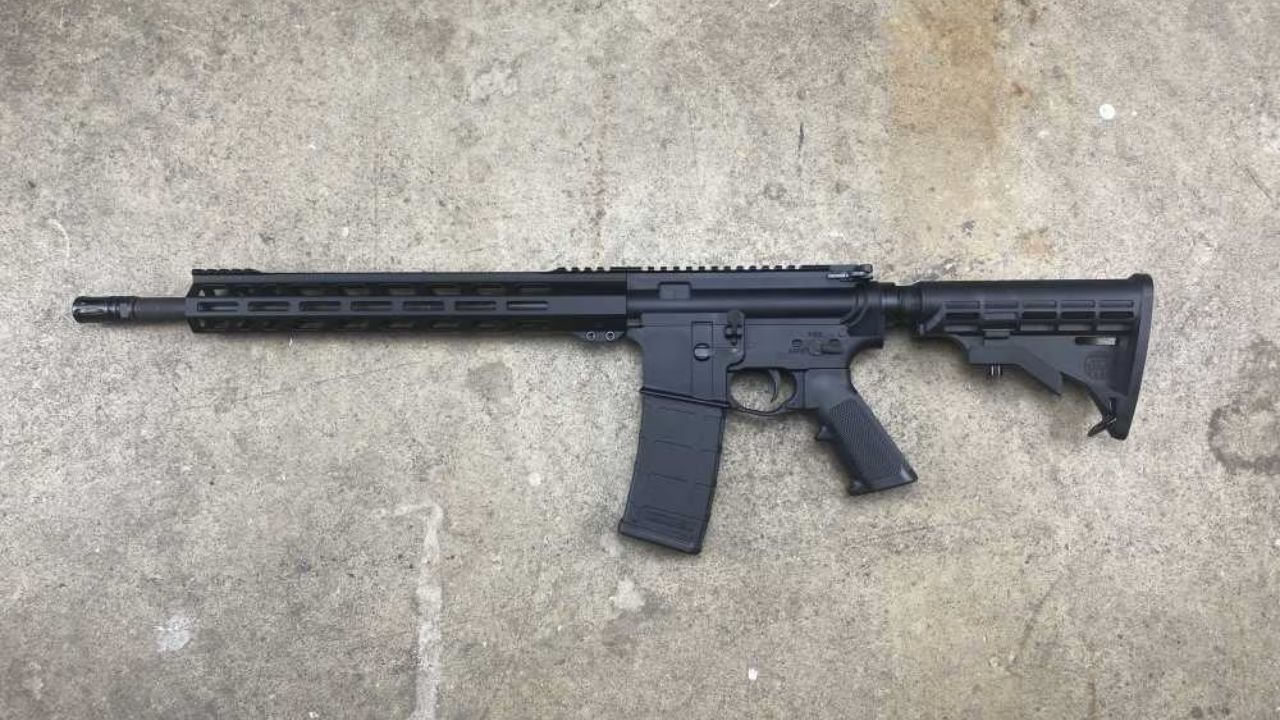
You grab an AR-15 thinking it’s versatile for home defense, but in close quarters, that long barrel gets cumbersome. Maneuvering around corners or through doorways feels awkward, especially if you’re not drilled on it regularly. And with standard 5.56 rounds, overpenetration is a real risk—they punch through walls and could hit unintended targets like family members in the next room.
Add in the customizable nature, and you end up with attachments like scopes or lights that snag or fail when adrenaline hits. It’s a solid platform for the range, but in a stressful home invasion, simpler might keep you safer without the extra variables.
Remington 870
You’ve probably heard the Remington 870 praised for reliability, but its pump action demands smooth operation under duress. In a panic, you might short-stroke the pump, causing a jam that leaves you exposed. That clunky sound of racking also announces your position, giving intruders a heads-up.
Buckshot patterns spread wide, which sounds good, but in hallways, it risks collateral damage or misses if you’re off by inches. I’ve handled these on hunts where a slip costs a shot—imagine that at home with lives on the line. It works for some, but the manual effort complicates things fast.
Glock 19
The Glock 19 seems straightforward, but its lack of external safety means you rely solely on trigger discipline. In a groggy, heart-pounding wake-up, accidental discharge becomes a worry if your finger slips during a draw.
High capacity magazines encourage spraying rounds, but in confined spaces, that leads to accountability issues—tracking where bullets go amid chaos. From my time at the range, I’ve seen shooters over-rely on volume over precision, turning a defense into a hazard. It’s compact and reliable, yet those traits demand constant practice to avoid adding tension.
Smith & Wesson M&P Shield
You pick the M&P Shield for concealment, but its small size means a short sight radius, making accurate shots tougher in low light. Under stress, aligning sights quickly falters, especially if your hands shake from the surge.
The manual thumb safety, if equipped, adds a step you might forget or fumble, delaying your response. I’ve carried similar subcompacts on trails, and while they’re light, the trade-off in control shows in rapid fire. For home use, that slim profile helps storage but complicates effective handling when seconds count.
Mossberg 500
The Mossberg 500’s affordability draws you in, but its dual extractors and tang safety work fine until sweat or gloves interfere. In a heated moment, flipping that safety smoothly isn’t guaranteed, potentially costing precious time.
With slug loads, recoil kicks hard, throwing off follow-ups, and the plastic furniture feels cheap under repeated pumps. Out in the field, I’ve used these for birds, and they’re tough, but indoors, the length and weight slow you down in tight spots, amplifying the stress of the situation.
Ruger LCP
You choose the Ruger LCP for pocket carry, but its tiny frame makes gripping securely a challenge when your palms are clammy. In a defensive scramble, that slipperiness leads to poor control and erratic shots.
The long, heavy trigger pull helps prevent accidents but fatigues your finger fast, complicating multiple engagements. From pocket draws I’ve practiced, it’s quick out but hard to master under pressure. At home, where distances are short, it suffices, yet the diminutive design often heightens the tension rather than easing it.
Taurus Judge
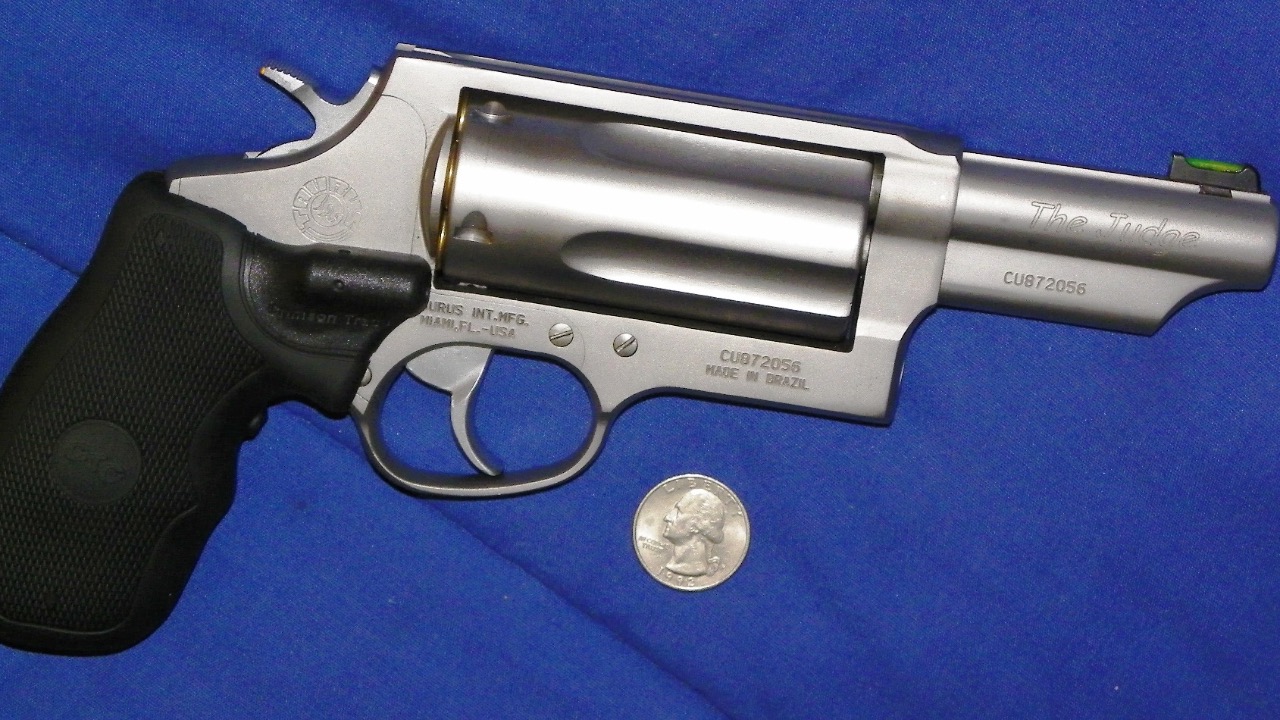
The Taurus Judge appeals with its .410 shotgun shells, but switching between ammo types mid-fight isn’t practical. You load for versatility, yet in stress, remembering what’s chambered adds mental load.
Its bulky cylinder and heavy trigger demand strong hands, which tire quickly in prolonged holds. I’ve shot these at clay pigeons, and the spread is fun, but indoors, patterns are unpredictable, risking overkill or ineffectiveness. It tries to do too much, often muddling your response when clarity matters most.
Beretta 92FS
You go for the Beretta 92FS due to its military rep, but the decocking lever and safety combo requires muscle memory that’s easy to botch in panic. Flipping it wrong leaves you with a dead trigger.
The full-size frame aids accuracy but hinders quick draws from nightstands or holsters. In range sessions mimicking home scenarios, I’ve noted how the weight slows transitions. It’s durable, no doubt, but those extra mechanisms can turn a simple defense into a fumbled mess.
SIG Sauer P320
The P320’s modular design lets you swap grips, but in home defense, that means potential loose fits if not checked. Under duress, a shifting grip disrupts aim, compounding the chaos.
No manual safety relies on your training, yet the striker-fired trigger can surprise if you’re used to hammers. From tactical courses, I’ve seen how customization backfires without constant tweaks. It’s adaptable, sure, but that flexibility often introduces variables that heighten stress in critical moments.
Winchester 1300
You select the Winchester 1300 for its speed pump, but the rotary bolt can bind if not maintained, leading to failures when dirt accumulates from storage. In a sudden confrontation, that jam freezes you up.
The aluminum receiver keeps it light, yet it transmits more recoil, bruising your shoulder on follow-ups. Hunting with these, I’ve appreciated the balance, but at home, the noise and kick amplify disorientation. It performs well oiled, but neglect turns it into a liability during high-stakes pressure.

Asher was raised in the woods and on the water, and it shows. He’s logged more hours behind a rifle and under a heavy pack than most men twice his age.