The Calibers That Disappear First When Shelves Go Bare
If you’ve spent enough time around gun shops during a panic buy, you already know how the story goes. One week the shelves look normal. The next week the common stuff is gone and the clerk is pointing you toward oddball cartridges you’ve never even considered. It happens fast, and it happens in the same pattern almost every time.
The calibers that vanish first are rarely random. They’re the rounds tied to the most common rifles, carry guns, and defensive platforms in the country. When people start stocking up, they reach for what they already shoot. Hunters do the same thing. The result is predictable: a handful of cartridges disappear almost overnight while others sit untouched for weeks.
If you want to stay ahead of the next shortage, it helps to know which ones vanish first.
.22 Long Rifle
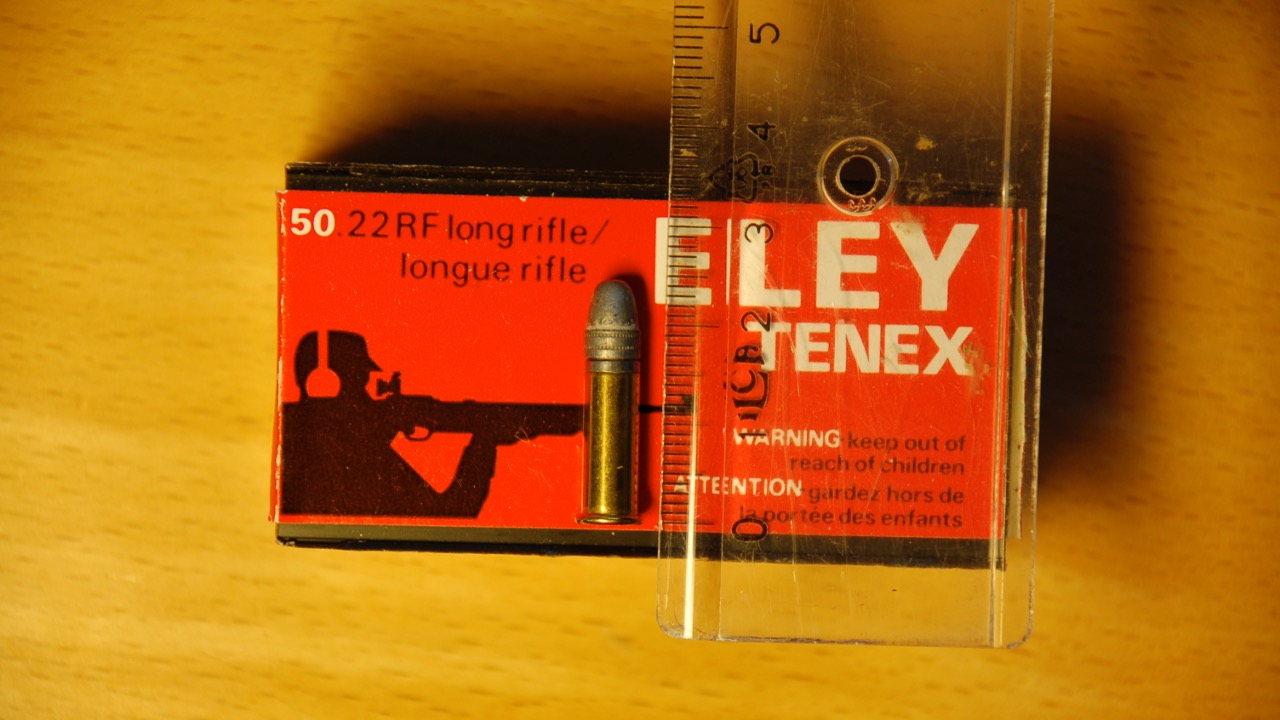
You never forget the first time you see .22 LR vanish. One day it’s stacked waist-high in bulk boxes. The next day the entire section looks like it’s been vacuumed clean.
The reason is simple. Nearly every shooter owns at least one rimfire rifle or pistol. When people start worrying about supply, they grab .22 by the brick because it’s cheap, versatile, and useful for practice or small game. The problem is that everyone has the same idea at the same time.
That demand hits fast and hard. Even shooters who normally buy centerfire ammo will scoop up .22 simply because it lets them keep practicing while saving their hunting rounds. Once the rush begins, this cartridge disappears faster than almost anything else.
9mm Luger
Walk into almost any gun shop in America and look at the handgun counter. Odds are good that most of the pistols sitting there are chambered in 9mm.
Because of that, 9mm is usually the first centerfire handgun cartridge to disappear during a shortage. It’s the default round for concealed carry, duty pistols, home defense guns, and range practice. When people start buying ammo in bulk, this is the one they reach for first.
You’ll see the pattern play out quickly. A few weeks into a buying surge, the cheaper range loads vanish. Then the defensive loads start disappearing too. Before long, the shelf tags remain but the boxes themselves are long gone.
.223 Remington
If you own an AR-15, chances are you’ve gone through plenty of .223 or 5.56 over the years. When shelves begin thinning out, that massive rifle population has an immediate effect.
Shooters who normally buy a couple boxes at a time suddenly start grabbing cases. Range ammo disappears first, followed by hunting loads and specialty rounds. The demand stacks up quickly because AR owners tend to shoot more volume than most bolt-gun hunters.
Another factor is familiarity. Many shooters feel comfortable storing .223 because they know they’ll use it eventually. That mindset drives stockpiling behavior, and once it begins, this cartridge rarely stays on the shelf for long.
5.56 NATO
You’ll often see .223 and 5.56 sitting side by side under normal conditions. During a shortage, that changes quickly.
Shooters who run AR platforms often treat the two as interchangeable for practical purposes, which means both calibers get swept up during a rush. Military surplus loads and bulk-packed cases are usually the first to go. Once those disappear, even the higher-priced defensive or specialty loads begin drying up.
What makes 5.56 disappear quickly is simple numbers. There are millions of rifles chambered for it in civilian hands. When a large group of shooters decides to buy extra at the same time, the shelves empty fast.
.308 Winchester
When rifle hunters start thinking about shortages, many of them turn to .308. It’s one of the most common big-game cartridges in North America, and it covers a wide range of hunting situations.
That broad usefulness works against it during supply scares. Hunters who own only one big-game rifle are often shooting .308, so they grab a few extra boxes to be safe. Meanwhile, target shooters and semi-auto rifle owners are buying the same cartridge for range use.
That overlap creates a double wave of demand. Before long the familiar green, blue, and red boxes that once filled the shelf begin disappearing one brand at a time.
12 Gauge
Shotgun shells take up more space than rifle or handgun ammo, which means stores often keep fewer cases on hand. When demand spikes, that smaller inventory disappears quickly.
The 12 gauge sits at the center of that rush. Bird hunters, turkey hunters, home-defense shooters, and clay shooters all rely on it. When people start stocking up, they grab everything from target loads to buckshot.
The variety can fool you at first. The shelf might still look full because several loads remain. But once the popular options vanish, the remaining boxes tend to be specialty shells that most shooters aren’t interested in.
6.5 Creedmoor
The 6.5 Creedmoor has built a massive following among hunters and precision shooters. That popularity becomes obvious when supply tightens.
Shooters who rely on the cartridge for deer, antelope, or long-range target work tend to buy the same loads every season. When shelves start thinning out, they grab extra because they want to stick with the ammunition their rifle already shoots well.
You’ll often see the common hunting loads disappear first, followed by match-grade ammunition. Before long the only boxes left are obscure brands or bullet weights that many shooters haven’t tested in their rifles.
.30-06 Springfield
Even after more than a century, the .30-06 still occupies a huge place in American hunting camps. There are countless rifles chambered for it sitting in closets, gun safes, and truck racks across the country.
When hunters start hearing about shortages, many of those rifles come back into the conversation. People who normally keep a box or two on hand suddenly decide they want a little extra. That wave of cautious buying empties shelves faster than most folks expect.
You’ll often see the classic 150- and 180-grain hunting loads disappear first. Once those vanish, the remaining boxes are usually heavier bullets or specialty loads that don’t move nearly as quickly.
.45 ACP
The .45 ACP has a loyal following that doesn’t fade when newer cartridges gain popularity. Owners of classic 1911s and modern defensive pistols still keep plenty of it around.
During a buying surge, that loyalty becomes obvious. Shooters who trust the cartridge for defense tend to grab their preferred loads early, especially hollow-point ammunition. Range ammo follows close behind.
Because .45 ACP isn’t stocked in the same volume as 9mm, it doesn’t take much demand to clear the shelves. Once the common brands disappear, you’ll often see a long gap before the next shipment fills those empty spaces again.
.380 ACP
The .380 ACP has carved out a steady role in compact carry pistols. Those small handguns show up in glove boxes, nightstands, and concealed carry holsters across the country.
When people start buying defensive ammo, the owners of those pocket pistols move quickly. They know their guns are picky about certain loads, so they tend to grab the same ammunition they’ve already tested.
That behavior clears out the shelves faster than many shooters expect. The popular defensive loads vanish first, followed by the inexpensive practice rounds. Once the rush starts, .380 can become surprisingly hard to find for quite a while.

Asher was raised in the woods and on the water, and it shows. He’s logged more hours behind a rifle and under a heavy pack than most men twice his age.