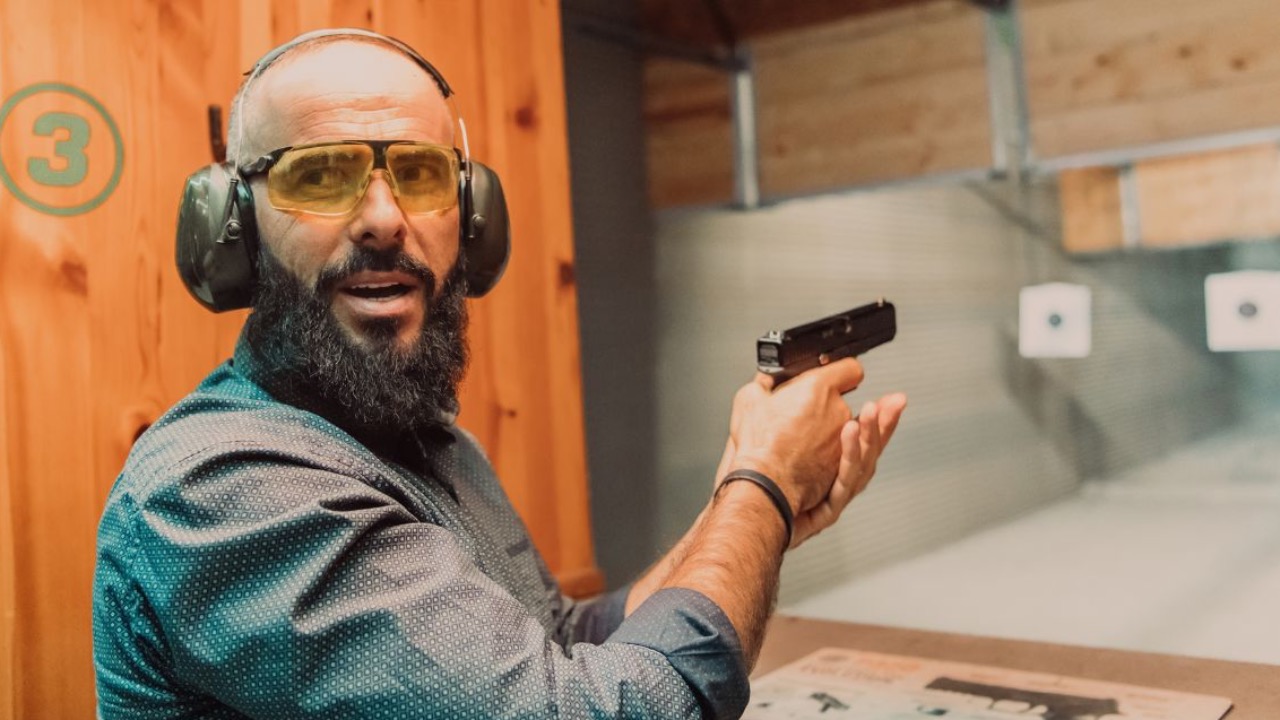
Why some ammo is getting harder to shoot at public ranges
Walk into a public range today with a random box of ammo and there is a decent chance someone behind the counter will shake their head. Between safety concerns, environmental rules, and the realities of running a business, more types of cartridges are getting pushed to the margins. The result is that some of the ammo many of us grew up shooting is now restricted, rerouted to specific bays, or flat-out banned at a lot of facilities.
I have watched that shift play out lane by lane, and it is not driven by politics alone. It is a mix of steel and sparks, lead and groundwater, ventilation systems and insurance underwriters. If you understand those pressures, you can usually predict which boxes will be welcome at the check‑in counter and which ones will stay in your truck.
Why ranges are tightening ammo rules in the first place

From the range owner’s side of the counter, every round that goes downrange is a liability calculation. They have to think about what that bullet does when it hits steel, how much dust it throws into the air, whether it can be recycled, and what happens if a fire starts on the berm. Indoor facilities also live and die by their backstops and HVAC systems, so they are constantly weighing which loads their equipment can handle without chewing through expensive steel or clogging filters.
Those pressures show up in very specific rules. At one Texas facility, the Permitted list is paired with a long column of “non Permitted ammunition,” including a hard ceiling on velocity, a ban on Black powder/Muzzle Loaders, and a requirement that certain hot pistol cartridges be shot only on the rifle side. Other operators spell out that they will not allow steel core, tracer, or other specialty loads because those rounds are harder on bullet traps and can create sparks on impact. Once you see the range through that lens, the growing list of “no” ammo starts to make more sense.
Steel core, “green tip,” and the war on sparks and ricochets
The most visible casualty of this shift is steel core rifle ammo, especially the so‑called green tip 5.56 that many AR shooters keep stacked in ammo cans. These bullets are designed to punch through hard material, which is exactly what most range owners do not want happening to their target stands and backstops. When a steel penetrator hits a steel plate, it can crater the surface, send fragments back toward the firing line, and shower the bay with sparks.
That is why a lot of facilities now spell out that “Green Tip 5.56” and any ammo with a steel core are off limits in their posted GUN RANGE REQUIREMENTS. Target manufacturers back that up, noting that ranges that use steel to catch bullets do not want projectiles that have been “shown to penetrate through steel armor,” which is exactly how many operators describe Over the years of experience with green tip ammo. Fire risk is part of the story too. One fact check on wildfire causes points out that Ammunition with steel cores, such as armor piercing loads and certain brands of 7.62 x 39 m cartridges, can strike rocks or other hard material “hard enough to cause sparks,” which is why some outdoor ranges lock down steel core during dry seasons and reference specific calibers like Ammunition in their rules.
Lead under pressure: from backstops to birds
Lead has been the backbone of bullets for generations, but it is also turning into one of the biggest reasons certain ammo is getting squeezed out of public ranges. Indoors, the problem is what happens when a lead projectile slams into a bullet trap and vaporizes into fine dust. Without strong ventilation and regular cleaning, that dust settles on floors, benches, and lungs. Environmental consultants point out that The Environmental Protection Agency, often shortened to EPA, has issued guidance on managing lead contamination at ranges, and those standards are pushing operators toward tighter control of what gets fired and how often they have to remediate their berms.
Outdoors, the focus is shifting to what happens after the bullet leaves the muzzle and ends up in soil, wetlands, or a gut pile. In the United Kingdom, the Government has already signaled that it plans to restrict lead ammunition, with a transition period running until 2029, and shooting groups are fielding questions about how those Jul policy changes will affect everything from game shooting to clay targets. That same pressure is building around birds and waterways, and it is starting to bleed into how public ranges think about their long‑term cleanup costs and liability.
Regulators and lawsuits are reshaping what “normal” ammo looks like
Lead rules are not coming only from range owners and consultants. Wildlife agencies and courts are now in the mix, and their decisions are changing what many shooters consider standard ammunition. In the United States, the Fish and Wildlife Service, often shortened to FWS, has been pulled into lawsuits over lead on federal lands. One settlement has the Fish and Wildlife Service, FWS, moving toward phasing out lead ammunition and fishing tackle by 2026 on some lands, a shift that is already influencing how hunters and target shooters plan for the next few seasons, as detailed in recent Fish and Wildlife Service policy updates.
Those federal moves sit alongside more targeted proposals. One analysis aimed at hunters notes that the U.S. Fish and Wildlife Service, FWS, has floated a rule to phase out lead ammunition and tackle on certain refuges, and that the Fish and Wildlife Service, FWS, could follow through with the ban after working through public comments and legal challenges, which is why many hunters are now tracking Jun developments closely. When regulators start drawing those lines on public land, range operators take notice, because they know their own berms and drainage ditches could be next in line for scrutiny.
How the UK’s lead bans spill over onto public ranges
Across the Atlantic, the UK is a few steps further down that road, and the details there offer a preview of what tighter lead rules can look like. The UK Government has announced plans to restrict the use of lead in ammunition, with official statements highlighting the risks to wildlife and human health and explaining how the measures will be phased in over several years, as covered in recent Jul briefings. Those plans are not limited to hunting; they also touch on how target shooting venues manage risk and what kind of ammo they can host without running afoul of new rules.
Environmental reporting has spelled out that The UK government will ban most uses of lead-based ammunition starting in 2026, including many shotgun loads and bullets with more than 1% lead, in order to cut down on wildlife deaths and contamination of waterways, a shift that will affect everything from driven shoots to clay grounds that rely on high‑volume fire, as described in recent coverage of how The UK rules will work. One field sports outlet notes that anti-gun groups have welcomed a three-year phaseout from 2026 to 2029, with exemptions for airgun pellets, small-calibre rifle ammunition, and target shooting ranges with risk management measures, which means some facilities will be able to keep lead on the line only if they can prove they are containing it, as highlighted in coverage of how The ban is a three-year phaseout from 2026.
Indoor ranges, rubber traps, and the “lead controversy”
Indoor ranges face a different kind of squeeze, and it shows up in the fine print of their ammo policies. Many of them use granulated rubber bullet traps instead of steel, which changes how bullets behave when they hit the backstop. In those systems, the projectile is supposed to bury itself in the rubber, where it can later be mined out and recycled. If the bullet fragments too violently or carries a steel core, it can chew up the trap, increase maintenance costs, and throw more debris into the air.
That is part of what shooters are debating in online forums. In one discussion labeled “lead controversy,” a user named hobbestigertx points out that some of the strictest rules apply only to indoor ranges with a rubber bullet trap, and that the projectiles are managed differently there than on outdoor berms, a distinction that often gets lost when people argue about blanket bans, as seen in the Nov thread. When you combine that with the need for powerful ventilation and regular cleaning, it is easy to see why some indoor operators are quicker to say no to certain bullet types, even if those same rounds are still welcome on an outdoor public range down the road.
Case material, reloadability, and why brass still rules the bench
Even if your bullets are lead and your loads are mild, the case itself can get you turned away. Many public ranges now draw a hard line against steel and aluminum cases, not because they are unsafe to shoot, but because they complicate cleanup and recycling. After a busy weekend, staff sweep up thousands of empties, and they want to be able to sort and sell that brass as a clean commodity instead of picking through a mix of metals.
One training guide aimed at new shooters walks through Important Ammo Terms, Explained, including Caliber, Cartridge, and Bullet, then pivots to a section on ammo and bullets prohibited at shooting ranges, noting that steel and aluminum cases are often singled out because they are not reloadable, while brass cases can be collected and reused, which is why brass remains the preferred option for both reloaders and range owners, as outlined in the Aug guide. Law enforcement trainers see the same thing from a budget angle. One training article notes that Cleaning up the range provides a valuable commodity, brass, and that Most brass can be sold so Small departments can collect hundreds or thousands of dollars and put that money back into the training budget, which gives them a direct financial incentive to favor reloadable cases, as described in the section on how Cleaning brass helps.
Budget ammo, steel cases, and the “NOT allowed” lists
For a lot of casual shooters, the first time they run into these rules is when they show up with a case of bargain steel‑cased ammo and the counter staff points to a sign. Range operators know that brands like Wolf and other imported steel‑case lines are popular because they are cheap, but they also know those cases are harder on extractors, can spark on steel, and end up in the same brass buckets they rely on for recycling revenue. So they write those names directly into their policies.
One Southern California facility spells it out bluntly in its FAQ, saying it might be easier to list what type of ammunition is NOT allowed at the range, then naming Wolf and other steel or aluminum case brands, along with steel core and certain specialty bullets, as ammo You may NOT shoot on their line, a stance that reflects both safety and maintenance concerns, as laid out in the NOT policy. That kind of language is becoming more common, and it is one reason some shooters feel like their options are shrinking even if the shelves at the local shop are finally full again.
Shortages, “house ammo,” and why some boxes never leave the counter
Ammo rules are not only about what you shoot, but where you bought it. During the worst of the recent shortages, some public ranges started requiring customers to buy ammo on site if they wanted to use the lanes. That was partly a way to keep their own shelves stocked for regulars, and partly a way to make sure the ammo being fired matched their safety and maintenance standards. Once those policies were in place, a lot of operators discovered they liked the control and the extra revenue.
One small range operator interviewed during the crunch explained that it beginning last year Hunter’s Point started selling ammo to be used on site only due to the shortage, and that “we don’t have a” surplus to sell for people to take home, which shows how quickly a crisis can turn into a new normal for both pricing and policy, as described in the Oct segment featuring Hunter’s Point. Even as supply has loosened, some facilities have kept a version of that rule in place, either by requiring “range safe” ammo purchased at the counter or by charging extra fees for outside ammo that is harder on their equipment.
How shooters can adapt without giving up their favorite loads
None of this means you have to abandon the cartridges you trust in the field, but it does mean you need a range strategy. I keep a mental split between “practice ammo” and “duty or hunting ammo,” and I pay attention to what each facility allows. If I know a range bans steel core and steel case, I bring brass‑cased ball for drills and save my green tip or specialty loads for private land where I can manage the backstop and fire risk myself.
It also pays to read the rules before you drive. Many facilities now post detailed GUN, RANGE, REQUIREMENTS online, spelling out that you MUST wear eye and ear protection, that there can be NO uncased firearms outside of your lane, and that ammo with a steel core is not allowed, which gives you a clear picture of what to pack before you leave the house, as laid out in the RANGE rule sheet. As lead restrictions tighten, both in the UK and on certain U.S. lands, I expect more public ranges to steer shooters toward non‑lead options for specific bays or events. The shooters who stay ahead of that curve, and who understand why those rules exist, will have a much easier time keeping their favorite rifles and pistols in the rotation without getting turned away at the door.

Asher was raised in the woods and on the water, and it shows. He’s logged more hours behind a rifle and under a heavy pack than most men twice his age.