Iran crisis disrupts cruises as thousands of passengers remain stranded in the Middle East
Thousands of holidaymakers who expected a routine voyage through the Gulf now find themselves stuck on ships and in ports as the Iran crisis spills directly into the cruise industry. With military confrontation closing key waterways and freezing regional travel, cruise lines are scrambling to protect passengers and crews while governments weigh how to keep commerce moving. The disruption has turned a niche winter itinerary into a frontline test of how civilian tourism copes with a fast-moving conflict.
The unfolding emergency has left at least six vessels and several thousand passengers in limbo in the Middle East, with no clear timeline for when normal sailings can resume. As operators reroute or cancel departures and airports curtail flights, stranded travelers are confronting a new reality in which a war at sea can upend global leisure plans in a matter of hours.
From regional tensions to a maritime crisis
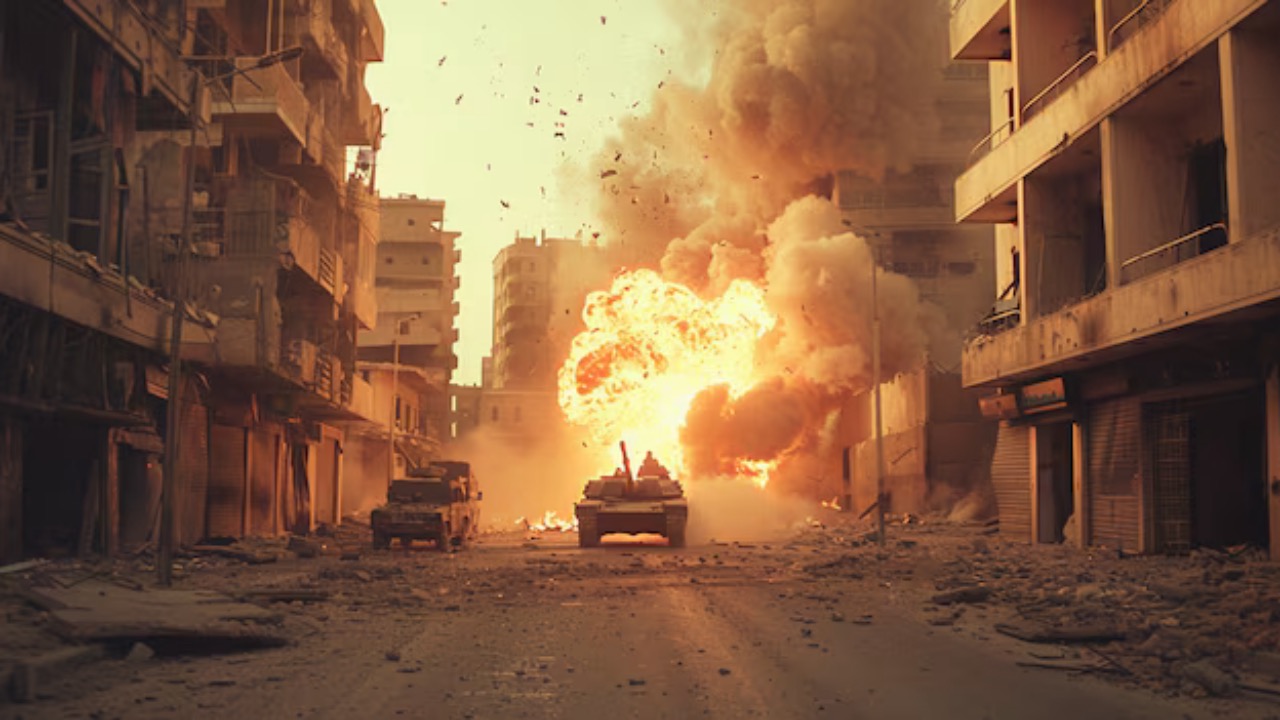
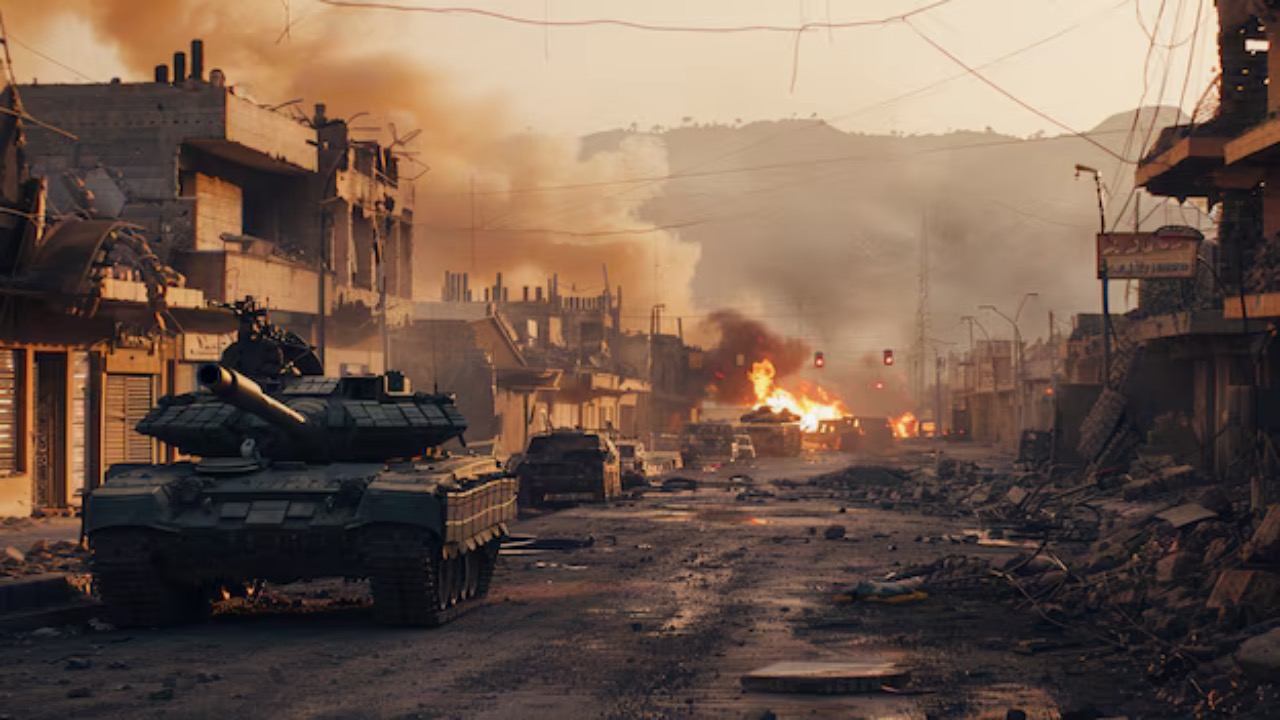
The chaos facing cruise passengers is rooted in a sharp escalation between Iran and its adversaries that has turned the waters around the Arabian Peninsula into an active conflict zone. Iranian forces and rival militaries are trading strikes, according to regional coverage of Iran, with attacks and counterattacks now spilling into commercial shipping lanes. The confrontation has raised immediate concerns among maritime authorities that civilian vessels could be caught in the crossfire or misidentified in crowded sea corridors.
The focus of global anxiety is the Strait of Hormuz, the narrow chokepoint that connects the Persian Gulf to the Gulf of Oman and the wider Indian Ocean. In the current 2026 Strait of Hormuz crisis, reports describe how The Strait of Hormuz has seen ship attacks and missile incidents that have damaged commercial vessels and forced crews to evacuate, with at least one ship reportedly hit and abandoned in recent days according to the detailed account of the 2026 Strait of. For cruise lines that built itineraries around this strategic waterway, the transformation of a scenic transit into a war zone has made normal operations untenable almost overnight.
Thousands stranded on six ships across the Gulf
Against this backdrop, at least Six cruise ships from four companies have been left stranded in the Middle East, with itineraries halted mid-voyage and port calls canceled. These vessels, sailing in the Persian Gulf and adjacent waters, are unable to safely pass through the Strait of Hormuz or continue scheduled loops between hubs such as the United Arab Emirates and Oman, according to detailed breakdowns of how Six ships were affected in the NEED TO KNOW briefing. The result is a floating backlog of passengers, many of whom boarded expecting routine winter sunshine sailings.
Onboard accounts describe a surreal mix of normal cruise life and distant war. One passenger, identified as Ballantyne, recounted hearing “loud bangs” and watching missiles appear to be intercepted in the sky from the deck, while emphasizing that the flashes seemed far off the ship. That description of explosions in the distance and intercepted fire came from a report on Thousands Of Cruise Passengers Stranded In Gulf Ports Due To Iran war, which captured Ballantyne’s remarks about how “things are uncertain until conditions improve” in the Gulf ports. For those on board, the view of defensive fire in the night sky has turned a leisure voyage into an unnerving wait for safe passage home.
Cruise lines improvise as war halts itineraries
Major cruise brands with a presence in the region, including MSC and Cel, have been forced into rapid crisis management as the conflict spreads. Operators have paused embarkations, cut short sailings, or shifted ships to temporary holding positions while they reassess risk, according to detailed coverage of how the war in the Middle East has affected MSC Cruises and Cel in a report on conflict in the. Company spokespeople have stressed that onboard services will continue and that passenger safety remains the priority, even as port access and air links shift by the hour.
Some lines had already been edging away from the region as tensions mounted. One operator recently opted to pull a scheduled Middle East voyage entirely, citing Tensions Escalate in Iran and the heightened risk to ships that would have needed to pass near contested waters, according to a report that described how a Cruise Line Cancels Middle East Sailing due to security concerns in Iran. Those preemptive cancellations now look prescient, as companies that continued operating must juggle stranded guests, complex logistics, and a fluid military situation that can change routing decisions within a single day.
Airspace closures and a wider Gulf travel freeze
The maritime disruption is compounded by a parallel crisis in the skies over the Gulf. Regional aviation has been hammered by route suspensions and diversions, with the Middle East Aviation Crisis Tops 9,500 Cancellations figure capturing the scale of flight disruption across major hubs. Even as Dubai and Abu Dhabi Resume Limited Flights, the broader network of connections that cruise passengers rely on to reach home ports or join ships has been severely constrained, according to detailed travel industry reporting on how six cruise ships were stranded and flights cancelled in the Middle East conflict. For thousands of guests, the lack of reliable air links means they cannot simply disembark and fly home, even if a safe port is available.
News updates carried in The Latest segment of a syndicated radio program have underscored how cruise lines and local authorities are wrestling with this bottleneck. One summary of Thousands of cruise ship passengers caught by the Iran war explained that carriers cannot easily arrange charter flights or mass rebookings while airspace restrictions and airport security measures remain tight, according to the detailed rundown in The Latest. The combination of closed sea lanes and constrained air travel has effectively sealed off parts of the Gulf for tourism, leaving ships and hotels to function as temporary holding centers while plans evolve.
Human stories behind a geopolitical flashpoint
Behind the statistics are passengers confronting a deeply personal disruption. Families who booked winter holidays in the Middle East now find themselves explaining intercepted missiles and distant explosions to children, as described in accounts of Thousands of cruise ship passengers stranded while travel across the Middle East grinds to a halt. One report highlighted how Iran has attacked several ships and threatened to strike any vessel that attempts to pass through the Strai of Hormuz, prompting authorities to halt sailings from the UAE and Oman and leaving travelers stuck on board or in hotels, according to a detailed dispatch that cited the Associated Press. For guests who expected desert excursions and city tours, the new reality is a long wait for clearance to move.
Other reports have emphasized that, in spite of the anxiety, daily life on many ships continues in a strange state of suspended normality. According to CNN, operations on at least one vessel will continue as normal until the matter is resolved, with entertainment, dining, and housekeeping all running on schedule even as the ship holds position away from conflict zones, as described in a detailed update that noted how CNN and The Associated Press contributed to coverage of how Thousands of cruise ship passengers are stranded while travel across the Middle East grinds to a halt in the region. For many on board, that mix of routine service and geopolitical uncertainty has turned a week-long holiday into an open-ended stay at sea.

Leo’s been tracking game and tuning gear since he could stand upright. He’s sharp, driven, and knows how to keep things running when conditions turn.