Wildlife encounters that ended far worse than anyone expected
Most bad wildlife encounters don’t start with panic. They start with confidence. You think you’re far enough away, smart enough, or dealing with an animal that’s predictable. That’s where things go sideways. Wild animals don’t follow the rules people assign them, and the outdoors has a way of punishing assumptions fast. These incidents aren’t freak accidents or campfire exaggerations. They’re real encounters where small misjudgments stacked up, and the outcome was severe. If you spend time hunting, hiking, fishing, or working outside, these stories matter. They’re reminders that experience helps—but it never guarantees control when wildlife decides otherwise.
Yellowstone Bison That “Seemed Calm”
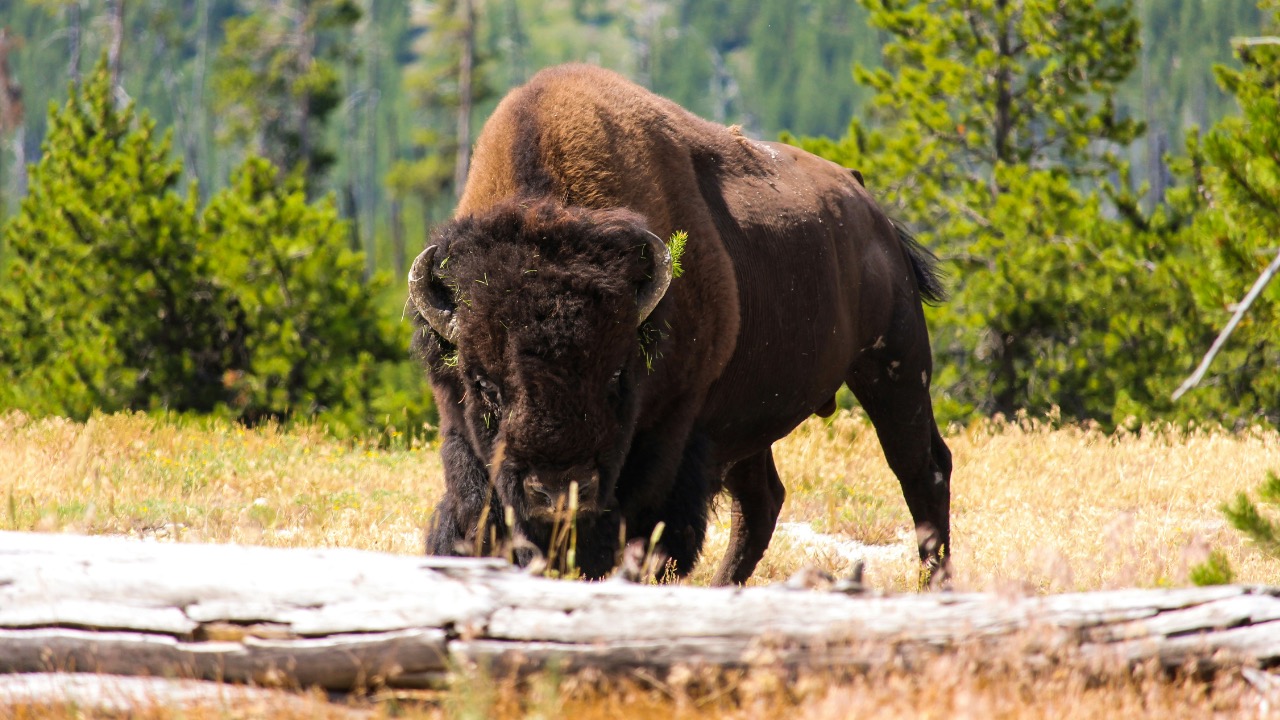
Bison in Yellowstone National Park injure more people than bears every year, mostly because they look slow and manageable. They aren’t. Tourists often assume a grazing bison is relaxed, unaware that these animals can sprint faster than a horse.
Several encounters turned violent when people stepped too close for photos, thinking the animal was used to humans. Bison don’t bluff. When they charge, they commit fully. Victims have been tossed, gored, and trampled in seconds. The common thread isn’t recklessness—it’s false familiarity. The animal never changed behavior. The human misread it, and the margin for error vanished instantly.
Moose on Backcountry Trails in Alaska
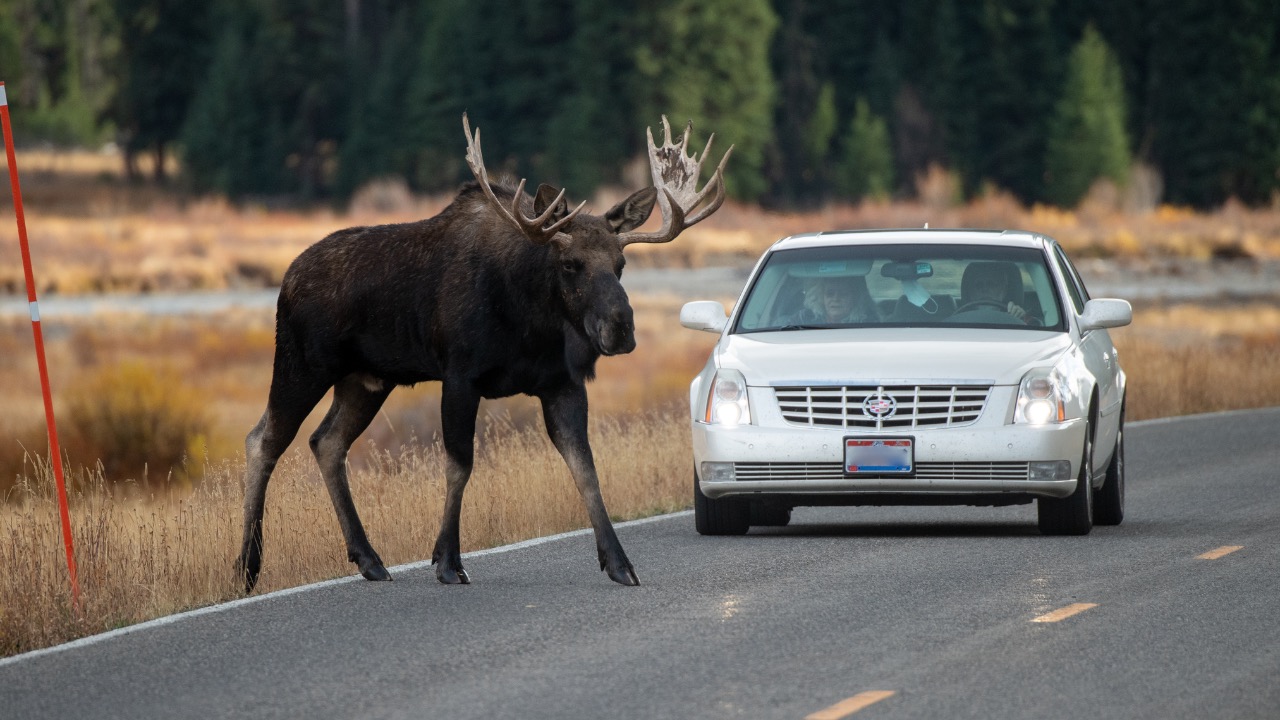
Moose look awkward, almost clumsy, which tricks people into underestimating them. In reality, a threatened moose is one of the most dangerous animals in North America. Several backcountry hikers in Alaska learned that the hard way.
Encounters often started quietly—rounding a bend on a trail, surprising a cow with a calf, or pushing through willows. Once a moose feels boxed in, it doesn’t flee. It attacks with precision and speed. Broken ribs, collapsed lungs, and crushed limbs are common injuries. Unlike predators, moose don’t disengage quickly. They stomp until the threat stops moving, then walk away like nothing happened.
Black Bear Food Conditioning Gone Wrong
Black bears are often described as “less aggressive,” which leads people to get careless around campsites. That description falls apart once a bear associates humans with food. Several fatal encounters started with unsecured coolers or trash.
When bears lose their fear, they don’t posture much. They approach deliberately, testing boundaries. People who tried to scare them off often discovered too late that the bear no longer recognized humans as dominant threats. In multiple cases, the bear attacked without warning once challenged. These weren’t defensive charges. They were predatory decisions shaped by human behavior over time, ending with consequences no one expected from a “harmless” species.
Mountain Goats Above the Tree Line
Mountain goats are rarely talked about as dangerous, which makes them especially risky. In alpine terrain, people often sit down to rest near them, assuming the animals will move off. Sometimes they don’t.
Several fatal incidents occurred when goats defended mineral sources or felt crowded on narrow ledges. Their horns are sharp, and their footing is perfect where yours isn’t. Once a goat charges, there’s nowhere to go. Victims have been knocked off cliffs or gored repeatedly. The danger isn’t aggression—it’s terrain. When a goat decides you’re in the wrong spot, gravity does the rest.
Wild Hogs During Recovery Tracking
Wild hogs are usually discussed as targets, not threats. That changes fast when a wounded hog is involved. Many serious injuries happen during recovery, not the shot itself.
Hunters following blood trails often assume the animal is down or fleeing. Instead, hogs frequently circle back and wait. At close range, they charge low and fast, using tusks designed to rip. Several encounters ended with deep leg wounds, severed arteries, and emergency evacuations. The mistake isn’t marksmanship—it’s assuming hogs behave like deer when injured. They don’t.
Elk During the Rut in Small Towns
During the rut, elk move into strange places, including towns and parks. People mistake proximity for tolerance, especially when animals seem calm. That assumption has caused multiple serious injuries.
Bull elk don’t need much provocation when hormones spike. Joggers, dog walkers, and photographers have been charged without warning. Antlers turn crowd-control barriers into decoration. Victims often report no obvious warning signs before impact. Rutting elk aren’t defending space—they’re enforcing dominance. When you happen to be nearby, intent doesn’t matter. Size and momentum do.
Alligators in Flooded Neighborhoods
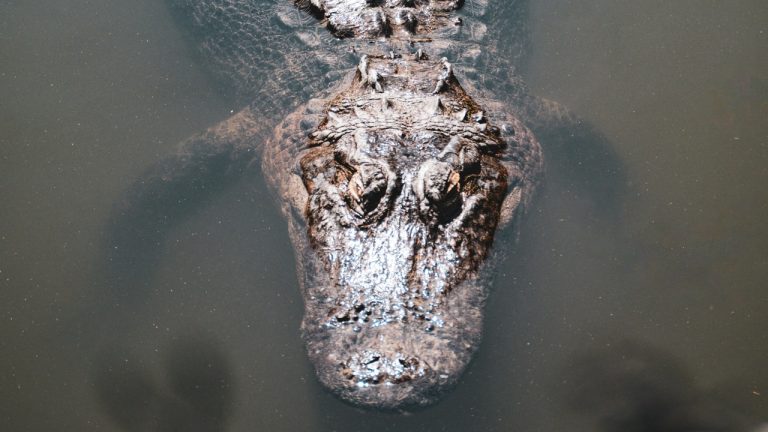
Flooding blurs boundaries between people and wildlife, especially in the South. Alligators displaced by rising water often end up in places humans assume are safe. That assumption has led to fatal encounters.
Several incidents occurred when people waded through floodwater, unaware an alligator was nearby. Others happened when residents tried to move or shoo gators away from homes. In murky water, alligators strike defensively and without warning. The danger isn’t aggression—it’s invisibility. When water removes distance and visibility, humans lose the only advantages they had.
Deer That Didn’t Run
Deer are considered harmless, which makes them one of the most underestimated animals in North America. Most people expect them to bolt. Sometimes they don’t.
During fawning season or rut, deer have attacked hikers, photographers, and even hunters at close range. Hooves cause serious blunt trauma, and antlers can puncture vital areas. Several incidents turned fatal when victims fell and couldn’t regain footing. The surprise isn’t that deer can hurt you—it’s that people never think they will until it’s already happening.

Asher was raised in the woods and on the water, and it shows. He’s logged more hours behind a rifle and under a heavy pack than most men twice his age.