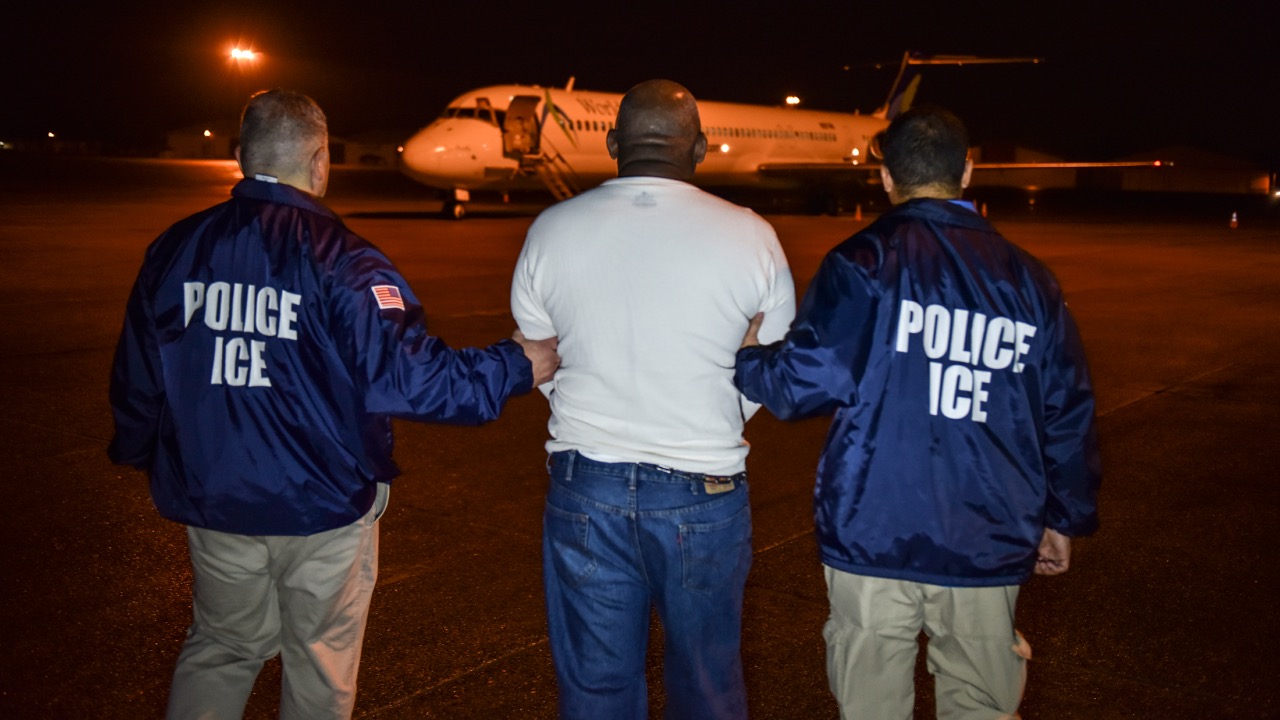
ICE detainee dies after untreated tooth infection, officials and family say
A Haitian asylum seeker held in an Arizona immigration detention center died after what began as a toothache and progressed into a fatal infection, according to federal officials and his family. The 56-year-old man, identified as Emmanuel Damas, repeatedly sought help for dental pain that relatives say was never properly treated, raising fresh questions about medical care inside Immigration and Customs Enforcement facilities. His death has quickly become a flashpoint in the national debate over how the United States treats people in civil immigration custody.
Damas’s relatives, advocates, and several elected officials argue that his case shows how a minor, easily treatable condition can turn deadly when detainees struggle to access timely care. They describe a system in which language barriers, understaffing, and bureaucratic delays collide with already vulnerable health, with consequences that can be measured in lives lost. ICE has acknowledged that Damas died in custody and local authorities are investigating, but his family insists that the warning signs were obvious long before he was taken to a hospital.
The final weeks of a preventable death

Emmanuel Damas was a 56-year-old Haitian man seeking asylum who had been held for months at the Florence Correctional Center in central Arizona. Earlier this year, he began complaining of severe tooth pain to medical staff at the privately run facility, telling them that the ache was worsening and interfering with his ability to eat and sleep. According to relatives and advocates, Damas first reported the toothache to staff at the Florence ICE facility in mid February, and records described in multiple accounts indicate that he was initially given only ibuprofen for the pain rather than definitive dental treatment.
Family members say the tooth infection spread over the following weeks until Damas developed symptoms of sepsis, including fever and confusion, before he was finally transferred to a hospital, where he died on a Monday after his condition deteriorated rapidly. Local reporting states that he became the tenth person to die in 2026 while in the custody of ICE, and that he is expected to be counted as the 10th death in ICE detention this year, although the agency has publicly acknowledged only eight deaths so far. Federal officials have told reporters that an investigation is under way into the cause and manner of death, but relatives insist that if Damas had received prompt dental care when he first complained, the infection that killed him could have been stopped.
Family accounts of ignored pleas and shifting explanations
Relatives in Massachusetts describe a steady stream of phone calls from Damas in which he detailed escalating pain and frustration with the medical response inside the Florence facility. His brother has said that Damas told him he had reported the toothache repeatedly and that staff had given him painkillers but no real treatment, a pattern that the brother believes allowed the infection to reach his bloodstream. That account is consistent with local immigration coverage that describes how the family of the Haitian asylum seeker learned that he reported the toothache in mid February and later died of sepsis after the infection went untreated, with his brother stressing that this could have been avoided with basic care.
Relatives also say they were initially misled about what was happening inside the detention center as Damas’s health declined. In interviews, his brother has described being told that Damas was stable, only to later learn that he had been transferred to a hospital in critical condition and then had died. One detailed account from Arizona reports that the family was not promptly informed when Damas’s condition worsened and that they only pieced together what happened to him after the fact, fueling their belief that the system failed him at multiple points, from the first complaint of pain through the final hours of his life.
Inside Florence Correctional Center and ICE’s medical system
The Florence Correctional Center is a long standing immigration detention complex in Pinal County that houses people in the custody of Immigration and Customs Enforcement under contract with a private operator. Official facility information describes a mix of housing units, on site medical services, and access to outside hospitals, but advocates and former detainees have long argued that the care provided there falls short of community standards. In the wake of Damas’s death, local coverage has highlighted how the Florence ICE facility has previously been criticized for delays in specialist referrals and language access for Haitian detainees who primarily speak Haitian Creole.
According to detailed reporting on his case, Damas first alerted Florence medical staff to his toothache in mid February and was given ibuprofen, even as he continued to complain of pain and swelling. One account describes how his symptoms progressed to the point that he developed a severe infection, with his brother later learning that he had died of sepsis after the toothache went untreated. Another report notes that Damas, a Haitian asylum seeker, became the tenth person to die in ICE detention in 2026 after what began as a dental problem, and that advocates see his death as part of a broader pattern of inadequate medical responses to serious conditions inside immigration facilities.
From Massachusetts life to Arizona custody
Before his detention, Damas had been living in Massachusetts, where he had built a life in Haitian communities that stretch from Boston to smaller cities. Coverage from New England describes him as a Haitian man who had been residing in the state before being taken into ICE custody and transferred to Arizona, far from his family and support network. Friends and relatives in Massachusetts have told reporters that they struggled to understand why he was sent to a remote facility in Florence instead of being held closer to home, which made it harder to advocate for him as his health deteriorated.
Local reporting in Massachusetts has also emphasized the shock and anger felt by those who knew Damas when they learned that a simple toothache had led to his death. One account recounts how his relatives in the state received word that he had died in an Arizona detention center after an untreated tooth infection, and that they view his case as evidence that detainees are not receiving even basic medical and dental care. That sense of outrage has helped transform Damas from a relatively anonymous detainee into a symbol of what critics describe as systemic neglect inside ICE facilities, connecting Haitian communities in Massachusetts with immigrant advocates in Arizona who are now demanding answers.
Political fallout and demands for accountability
The death of Emmanuel Damas has prompted swift reaction from elected officials who oversee immigration and detention policy. In Washington, Congresswoman Ayanna Pressley, along with Senator Edward Markey and Senator Elizabeth Warren, issued a statement that condemned the deaths of Damas and other detained immigrants in ICE custody and demanded that the Trump administration ensure proper medical treatment for detainees. Their statement from WASHINGTON described Damas by name and called on Immigration and Customs Enforcement to guarantee that people in its custody are taken to a hospital when they present serious symptoms, arguing that his death reflects broader failures in the system.
In Arizona, state lawmakers have also pressed for more information, with some demanding that ICE and local authorities provide a full accounting of how a tooth infection could progress to a fatal case of sepsis inside a modern detention center. One report from PHOENIX describes legislators asking for details on the cause and manner of death of the Haitian man who reportedly died in ICE custody in Arizona and questioning whether staffing levels, training, or policies at Florence Correctional Center contributed to the outcome. Advocates have tied Damas’s case to a series of deaths in ICE facilities, pointing to data that identifies him as a 56 Year Old Haitian National Reportedly Died Monday from Complications from an Infected Tooth, and arguing that until there is independent oversight and enforceable medical standards, detainees will remain at risk from conditions that should never be life threatening.

Leo’s been tracking game and tuning gear since he could stand upright. He’s sharp, driven, and knows how to keep things running when conditions turn.