The military weapons that changed how modern battles are fought
If you spend enough time studying military history, you start to notice that wars don’t only change because of strategy or leadership. Sometimes a single weapon shifts the entire rhythm of combat. A new rifle, missile, or aircraft can force armies to rethink how they move, communicate, and fight.
You see it again and again. A system appears that gives one side a clear advantage, and suddenly everyone else has to adapt. Tactics change, training changes, and sometimes entire branches of the military evolve around that technology.
These are weapons that didn’t simply win fights—they reshaped the way modern warfare works on the ground, in the air, and across the battlefield.
FGM-148 Javelin
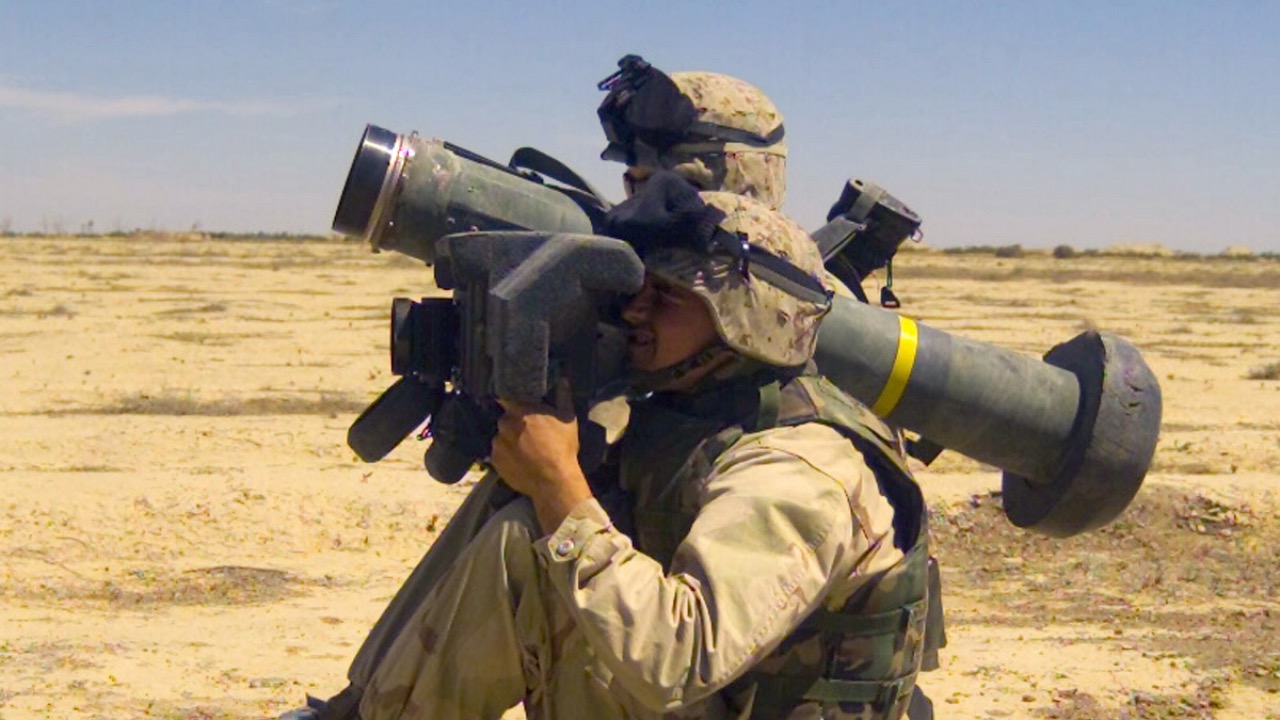
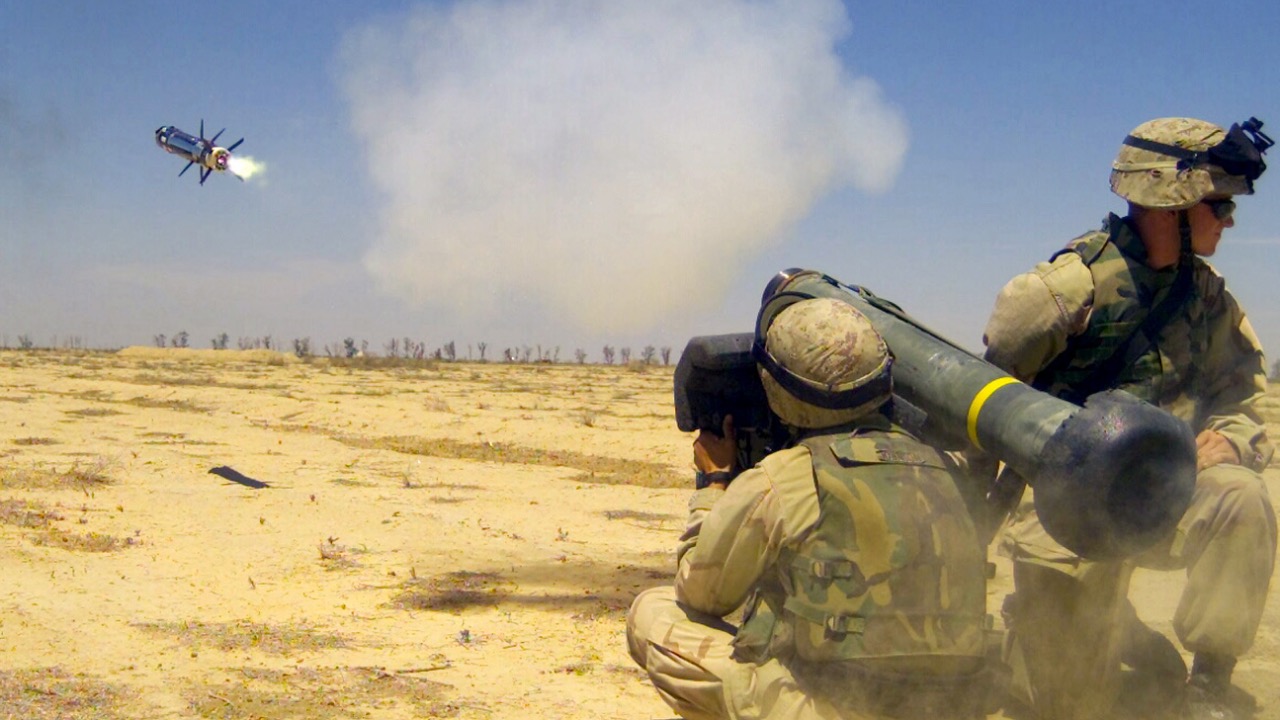
When you first look at the FGM-148 Javelin, it seems like another anti-tank missile. But the technology behind it completely altered how infantry deal with armored vehicles. The missile uses a fire-and-forget guidance system, which means once you launch it, you can immediately move to cover. The seeker locks onto the target using infrared imaging, so you don’t need to guide it after firing.
That changed the risk equation for infantry. Tanks used to dominate open terrain, and anti-tank teams had to expose themselves longer to guide missiles manually. The Javelin also attacks from above, targeting the weaker armor on top of a vehicle. In modern conflicts, armored crews now move more cautiously, knowing small teams with portable launchers can stop them quickly and disappear just as fast.
MQ-9 Reaper
The MQ-9 Reaper changed the pace of modern warfare in a way few aircraft ever have. Unlike traditional fighter jets, it can stay over a battlefield for long stretches, quietly watching movement below. Commanders now have eyes in the sky that don’t need to return to base every few hours.
That endurance created a new style of battlefield awareness. Troops can track vehicles, identify targets, and monitor entire areas for long periods before acting. When necessary, the Reaper carries precision weapons like Hellfire missiles, allowing strikes within minutes of identification. The result is a battlefield where surveillance and response happen almost in real time, forcing adversaries to operate under constant observation.
TOS-1A Thermobaric Rocket System
The Russian TOS-1A isn’t widely discussed outside military circles, but its impact on urban combat has been significant. Mounted on a tank chassis, it launches rockets loaded with thermobaric warheads. These create powerful pressure waves capable of devastating buildings and fortified positions.
In dense fighting environments, traditional artillery sometimes struggles to clear entrenched defenders hiding inside structures. Thermobaric weapons change that equation by consuming oxygen and producing intense blast pressure inside enclosed spaces. Military planners studying urban warfare now account for weapons like the TOS-1A when designing defenses or fortifying positions. The destructive potential forces troops to disperse and rethink how they hold ground inside cities.
Switchblade Loitering Munition
The Switchblade looks small compared to most battlefield weapons, but its impact on modern tactics has been serious. It’s essentially a small drone carrying an explosive payload, launched from a portable tube. After launch, it can circle above an area until the operator identifies a target.
That ability to wait and strike precisely gives small infantry units capabilities that once required aircraft or artillery support. A squad can now observe enemy positions, vehicles, or movement patterns and deliver an attack within minutes. It changes how enemies hide and maneuver, because threats can appear suddenly from above with very little warning. In modern conflicts, loitering munitions are forcing armies to rethink concealment and defensive positioning.
S-400 Surface-to-Air Missile System
Air superiority used to depend heavily on fighter aircraft dominating the sky. Systems like the S-400 complicated that idea. This long-range air defense platform can track and engage multiple aircraft, missiles, and drones at once.
Because of its range and radar capability, it creates what military planners call an “anti-access” zone. Aircraft operating nearby have to consider the risk of being targeted long before reaching their objective. That forces air forces to rely more heavily on stealth technology, electronic warfare, and stand-off weapons. The presence of powerful air defense systems has reshaped how modern air campaigns are planned and executed.
HIMARS Rocket System
The High Mobility Artillery Rocket System, better known as HIMARS, brought speed and precision to rocket artillery. Mounted on a wheeled vehicle, it can move quickly, launch guided rockets, and relocate before enemy forces can respond.
Traditional artillery often required longer setup times and large support units. HIMARS units can fire, move, and hide much faster. That mobility changes how commanders plan strikes against logistics hubs, command posts, or ammunition depots. Enemies must constantly shift supplies and infrastructure to avoid being targeted. Modern battlefields now involve long-range precision strikes happening far behind the front lines.
NLAW Anti-Tank Weapon
The Next Generation Light Anti-tank Weapon, or NLAW, gave infantry another powerful way to deal with armored vehicles. It’s lightweight enough for a single soldier to carry and operate, yet powerful enough to threaten modern tanks.
What makes it particularly effective is the predicted line-of-sight targeting system. The operator tracks a moving vehicle briefly before firing, and the missile calculates the path automatically. It also uses a top-attack profile similar to heavier anti-tank missiles. With systems like NLAW in widespread use, tanks can no longer assume they dominate close-range fights in urban or forested terrain. Infantry units now carry tools capable of leveling that fight quickly.
Aegis Combat System
The Aegis Combat System changed naval warfare by combining radar, computers, and missile launchers into a unified defensive network. Instead of relying on individual ship systems operating independently, Aegis links sensors and weapons together.
That integration allows warships to detect threats, track multiple targets, and coordinate missile intercepts at high speed. Incoming aircraft or missiles can be identified and engaged before they reach striking distance. Modern naval task forces rely heavily on systems like Aegis to protect fleets operating in contested waters. Its influence is clear across modern navies that now prioritize networked defense systems.
AH-64 Apache Attack Helicopter
The AH-64 Apache reshaped the role of helicopters in combat. Earlier attack helicopters existed, but the Apache combined heavy armament, advanced sensors, and survivability features in one platform.
Equipped with a powerful chain gun, guided missiles, and targeting systems that work day or night, the Apache became a major threat to armored units and ground forces. Its ability to operate close to the battlefield gives commanders a flexible weapon capable of reacting quickly to changing situations. Attack helicopters like the Apache forced armored and mechanized forces to develop new tactics for concealment and air defense on the modern battlefield.

Asher was raised in the woods and on the water, and it shows. He’s logged more hours behind a rifle and under a heavy pack than most men twice his age.