The concealed-carry calibers people debate the most
Ask ten experienced carriers what the best concealed-carry caliber is and you’ll get ten different answers. Caliber debates have been part of gun culture for decades, and they aren’t going away anytime soon. Some shooters focus on power and penetration. Others care more about recoil, capacity, and how easily they can make accurate hits under pressure.
The truth is that each caliber brings trade-offs. Bullet performance, recoil control, pistol size, and magazine capacity all play a role in what works best for you. That’s why certain cartridges keep coming up in arguments at the range, in gun shops, and around hunting camp. These are the concealed-carry calibers that people continue to debate the most.
.327 Federal Magnum
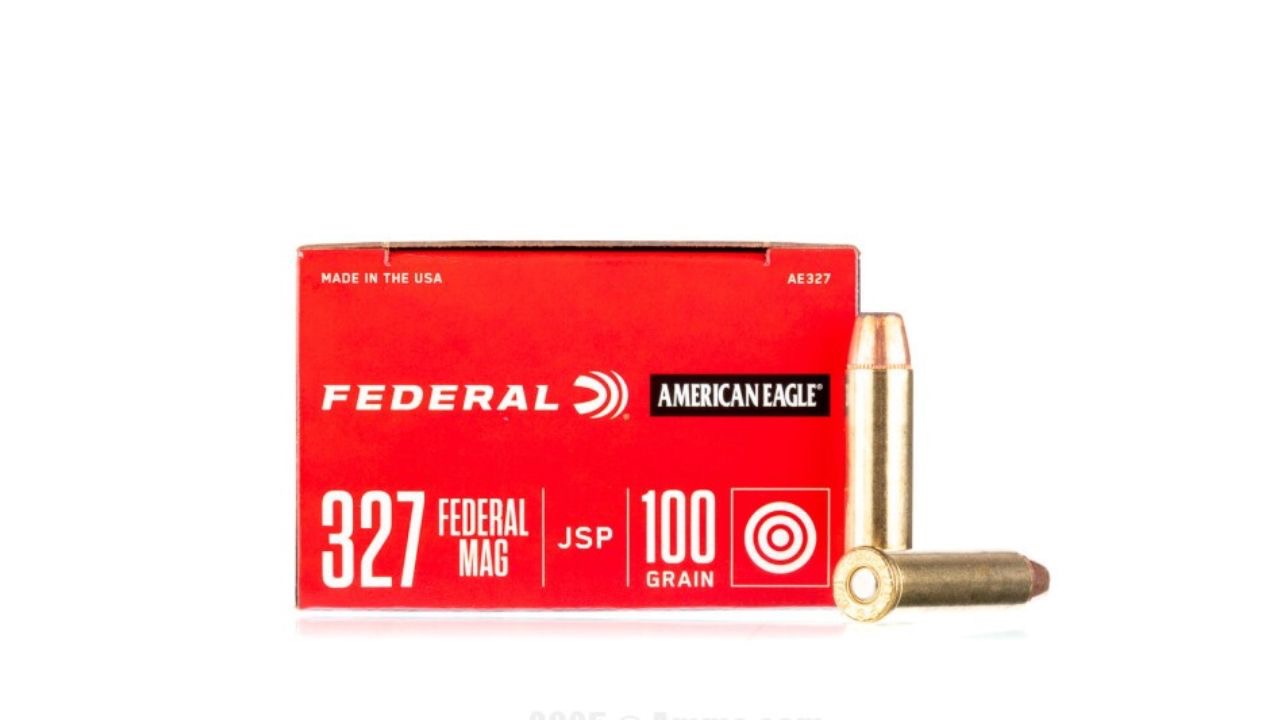
The .327 Federal Magnum often sparks debate because it sits in an unusual middle ground. It offers significantly more velocity and energy than traditional small revolver rounds, yet it still fits in compact defensive revolvers. Supporters argue that the extra power and flatter trajectory give it an edge in a small carry gun.
Critics point out that recoil can be sharp in lightweight revolvers. Ammunition availability also tends to be limited compared with mainstream defensive calibers. While it allows an extra round in many small revolvers compared to .38 Special, some shooters still prefer more common cartridges with broader ammo options and proven defensive track records.
10mm Auto
The 10mm Auto has gained a strong following among shooters who want serious power in a defensive pistol. It delivers higher velocity and deeper penetration than most common carry calibers, which makes it appealing to those who spend time outdoors or in areas with large predators.
The debate usually centers on practicality. Full-power 10mm loads produce substantial recoil, especially in compact pistols. That recoil can slow follow-up shots and make training more demanding. Some shooters argue the extra power is unnecessary for concealed carry, while others appreciate the capability if they ever need it.
.22 Magnum (WMR)
The .22 Winchester Magnum Rimfire has quietly become part of the concealed-carry conversation in recent years. New compact pistols chambered for the round have drawn attention from shooters who want low recoil and easy control in a lightweight platform.
Critics question whether the cartridge offers enough stopping power for defensive use. Rimfire ignition also raises reliability concerns compared to centerfire cartridges. Supporters counter that modern ammunition has improved performance, and accurate shot placement with a controllable pistol may matter more than raw energy.
.32 H&R Magnum
The .32 H&R Magnum doesn’t get as much attention as larger defensive rounds, but it sparks plenty of discussion among revolver carriers. It offers lighter recoil than .38 Special while delivering noticeably more performance than smaller .32 cartridges.
Shooters who favor this round often mention that it allows faster follow-up shots and greater comfort in lightweight revolvers. Critics argue that ammunition selection is limited and that many defensive loads still trail behind .38 Special in real-world performance. The debate usually comes down to whether the easier handling outweighs the lower bullet weight and energy.
.357 SIG
The .357 SIG built a reputation for high velocity and strong barrier penetration. Some law enforcement agencies adopted it for its performance through auto glass and other obstacles. That history keeps it part of concealed-carry discussions today.
The downside is sharp recoil and loud muzzle blast, particularly in compact pistols. Ammunition can also be harder to find and more expensive than more common defensive rounds. Shooters who carry it often appreciate its flat trajectory and speed, while others prefer cartridges that are easier to shoot quickly and practice with more often.
.30 Super Carry
The .30 Super Carry is one of the newest calibers to enter the concealed-carry debate. It was designed to offer performance similar to 9mm while allowing additional magazine capacity in many pistols. That idea immediately sparked interest among shooters looking for more rounds without increasing grip size.
Skeptics point out that it’s still a relatively new cartridge with limited pistol options and fewer ammunition choices. Some shooters also question whether the marginal capacity gain outweighs the benefits of sticking with established calibers. As more firearms and defensive loads appear, the argument over its place in concealed carry continues to develop.
.25 ACP
The .25 ACP has long been part of the concealed-carry world because of its use in very small pocket pistols. Its mild recoil and compact firearm options make it easy to carry discreetly.
The debate centers on effectiveness. Many shooters consider the cartridge underpowered for defensive use, especially compared with modern compact pistols chambered in stronger calibers. Others argue that a gun you can always carry may be more valuable than a larger pistol left at home. The discussion around .25 ACP often reflects the balance between convenience and ballistic performance.
.44 Special
The .44 Special occasionally enters concealed-carry discussions among revolver shooters who prefer larger calibers. It produces a heavy bullet at moderate velocity, which some people believe offers reliable defensive performance without the harsh recoil of .44 Magnum.
Carrying it comes with trade-offs. Revolvers chambered for .44 Special tend to be larger and heavier than those built for smaller calibers. Capacity is also limited compared with compact semi-automatic pistols. Supporters appreciate the big bullet and manageable recoil, while critics question whether the size and weight make it practical for everyday concealed carry.

Asher was raised in the woods and on the water, and it shows. He’s logged more hours behind a rifle and under a heavy pack than most men twice his age.