The real secrets behind successfully hunting mature whitetail bucks
Mature whitetail bucks do not behave like the young deer that fill most freezers. By the time a buck survives several seasons of hunting pressure, he has learned to treat every sound, scent and shadow as a potential threat, and many of the habits that work on yearlings simply stop working. The real secrets behind consistently tagging these older deer start with understanding how they use the landscape, how they respond to hunting pressure and how small decisions about timing and access either keep them relaxed or push them into nocturnal patterns.
Across the country, experienced hunters and land managers describe the same pattern: the hunters who regularly kill mature bucks are not necessarily the best shots or the ones with the most gear, but the ones who treat every move as part of a long game. They scout with intention, protect bedding cover, exploit small timing windows and accept that discipline, not luck, separates a close call from a punched tag.
Why mature bucks are a different animal
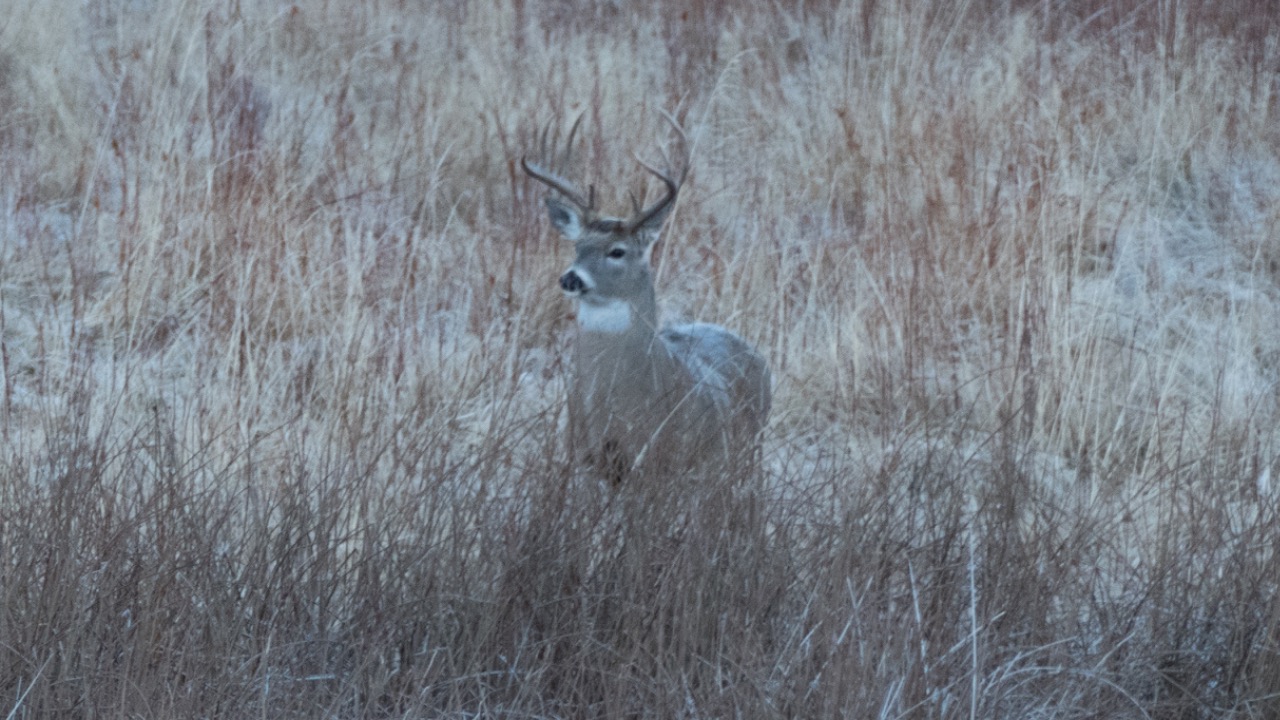
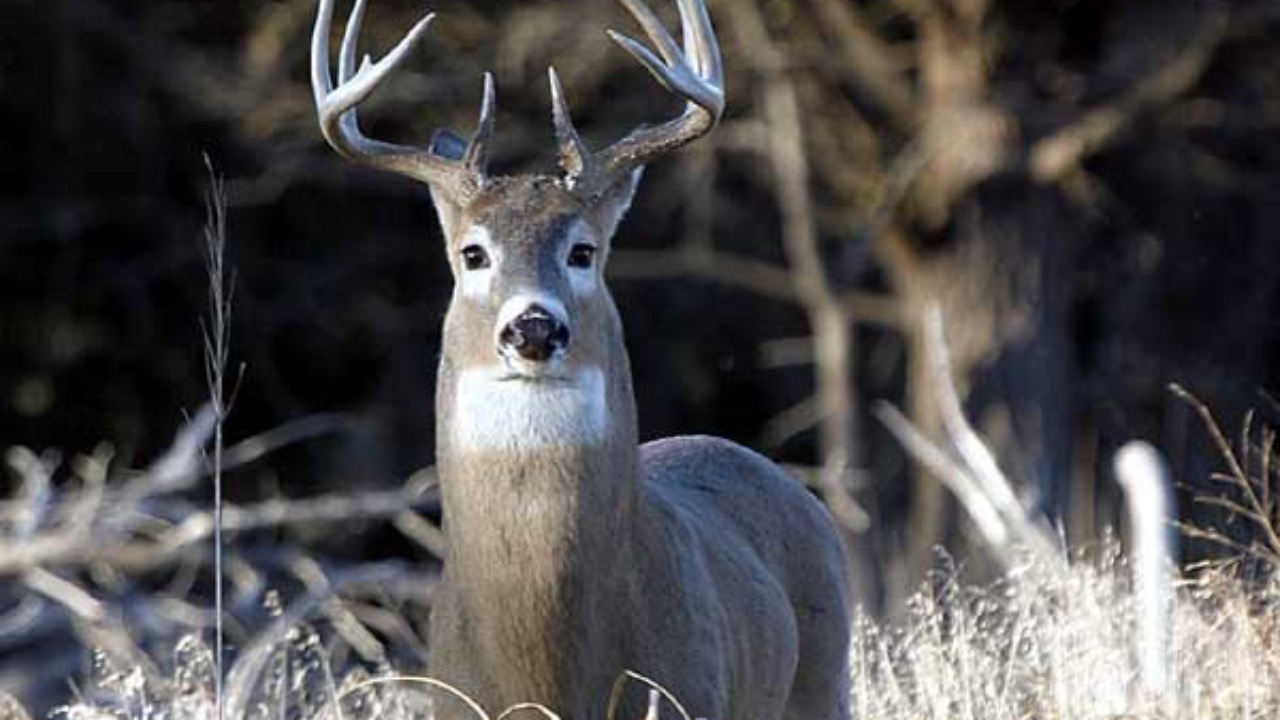
Several detailed behavior studies from seasoned whitetail observers point out that a mature buck behaves almost like a separate species compared with does and young bucks. Reports on late season and rut activity describe how an older buck often spends daylight in tight, secure cover and limits daytime movement to short, predictable routes between bedding and the safest food available. Hunters who treat him like any other deer usually end up watching younger bucks while the target animal waits for dark.
One analysis of rut patterns describes a buck that used a dense thicket as a core area, slipping in and out during a two week stretch in the heart of breeding season. The observer concluded that the deer knew more about human patterns than any human knew about him, and that the smallest intrusion into that cover risked pushing him out entirely. That kind of case study reinforces a simple idea: the older a buck becomes, the more he relies on tight bedding security and on patterns that minimize his exposure in daylight.
Seasoned hunters who focus on mature whitetails also report that these deer often appear to ignore classic sign that excites less experienced hunters. Big rubs and fresh scrapes still matter, but older bucks may visit them at the fringes of daylight or only under specific conditions such as a rising barometer or a particular wind. Field reports on early season rubs explain that the first fresh sign near bedding cover can be a narrow window when a dominant buck is still killable in shooting light, provided access does not tip him off. In other words, sign is a clue, not a guarantee.
Boots on the ground and building real intelligence
One of the clearest themes across expert advice is the need for what some call boots on the ground intelligence. A detailed breakdown of scouting strategy from SHARE and 3 expert tips explains that the lack of foliage in late winter and early spring lets a hunter see last season’s trails, old beds and subtle terrain features that are invisible in summer greenery. By walking these areas after the season, a hunter can map how a buck used the property when pressure was highest.
That same guidance stresses that this kind of scouting is not a one day chore. Instead, hunters build a layered map that combines historical sign, current food sources and the location of human access. Over time, this kind of record reveals how a mature buck shifts between early season food, rut travel corridors and late season thermal cover. The pattern often repeats from year to year, which means last season’s observations can predict where a buck, or another of similar age class, will travel in the coming fall.
Other field notes on finding whitetails echo this approach. One scouting framework encourages hunters to start with obvious congregation areas such as crop fields, clear cuts, mast producing oaks and small hidden food plots, then work backward along entry trails to find bedding. The guidance under the heading Find Where Deer explains that thick cover near these food sources often gives deer more daytime security, which is exactly where older bucks tend to stage before dark.
Hunting pressure and the sanctuary effect
Pressure changes everything for a mature buck. Detailed analysis from Aug in a piece on Hunting Pressure Secrets describes how an older deer responds to human intrusion like a pinball, bouncing from one pocket of security cover to the next as pressure ramps up. The author argues that more land is not always better, and that until a hunter controls enough acreage to encompass an entire home range, the goal should be to keep pressure low on the best bedding and travel corridors instead of trying to hunt everywhere at once.
That same perspective explains that a mature buck reacts to hunting pressure faster than a crow flies to a gut pile, often leaving an area after only one or two negative encounters. Once he associates daylight movement with danger, he may shift to night activity or relocate to a neighboring property that offers better security. For hunters on small parcels, this dynamic means that restraint can be more valuable than frequency. Limiting access, avoiding bumping deer on entry and exit and skipping marginal winds all help keep a buck comfortable enough to move in daylight.
Specialized guidance on sanctuary hunting reinforces this point. Analysts who study core buck areas note that hunting mature bucks inside their comfort zones requires elevated scent control and extremely careful stand placement. One breakdown of sanctuary strategy explains that a single mistake inside a core bedding area can set off the entire alarm system, pushing a buck to abandon the area for days or even weeks. As a result, many successful hunters protect key bedding cover from any intrusion until conditions are ideal.
Timing: when mature bucks are most vulnerable
Timing is one of the few levers hunters can control, and several sources treat it as a decisive factor. A detailed overview from Jan under the heading Best Time of to Kill a Whitetail Buck notes that the best time to hunt whitetail deer depends on season phase and hunting pressure, but that mature bucks often show short windows of daylight movement at first and last light, especially near secure bedding cover. The same analysis stresses that if a hunter is chasing a mature buck, timing sits near the top of the priority list.
Additional guidance from Dec in a feature on How To Outsmart reinforces that outsmarting a mature buck often comes down to hunting the right times. The author notes that these deer do not act like younger animals and that they will often shift patterns in response to subtle changes in food, pressure and weather. The advice encourages hunters to focus effort on short, high odds windows such as the first cold front of the season, the days around peak rut and the immediate aftermath of a major snow when food becomes limited.
Late season strategy pieces add another layer. Analysts who track winter behavior describe how all whitetails need to bank fat and nutrients to survive, and that this need becomes intense as temperatures drop. One breakdown from Dec explains that when conditions are harsh, a big buck may risk more daylight movement to reach the most energy rich food available, especially if that food is close to thick thermal cover. For hunters who have preserved low pressure on these areas, that tradeoff can finally bring a reclusive deer into bow range.
Reading sign without being fooled
Sign can be both a roadmap and a trap. Field observations compiled in Jul under a guide to big buck behavior highlight five ways mature bucks differ from younger deer and explain how hunters should adjust strategy. In particular, the section on Big buck hunting strategy advises hunters to jump on early rubs and scrapes that appear close to bedding cover, since those may mark the only period when a dominant buck is comfortable visiting them in shooting light.
The same analysis warns that once the rut is in full swing, some scrapes and rub lines can become what it calls fool’s gold. Bucks may visit them mostly at night or shift to new routes as does come into estrus, leaving hunters focused on dead sign. The lesson is to treat sign as part of a broader pattern that includes fresh tracks, trail camera timestamps and observed movement, rather than as a standalone reason to commit to a stand.
Other observers describe how mature bucks often follow predictable paths year after year, especially around community scrapes. One explanation of a concept known as the Day Rule suggests that a good buck may walk along the same trail and visit a scrape on a roughly seven day cycle, with small variations based on weather and pressure. Hunters who track that rhythm with cameras and careful observation can time sits for the days when history suggests he will appear again.
Wind, scent and the invisible line between success and failure
Every source that focuses on older bucks returns to the same theme: a hunter cannot fool their nose. Detailed scent control advice from sanctuary and swamp hunting experts stresses that getting the wind right is the next concern after finding where a buck beds and feeds. One breakdown of Southern swamp tactics flatly states that oftentimes deer will have the wind advantage and that there may not be enough viable area to hunt directly upwind of a buck’s nose.
To address that problem, experienced hunters often implement a just off wind approach, setting up so that the wind is nearly in the buck’s favor but still carries human scent away from the expected travel route. This tactic plays on a mature buck’s habit of traveling with the wind quartering into his nose, which lets him scent check trails and bedding cover while still feeling secure. When executed correctly, the hunter’s scent stream passes just off the side of that route, close enough to keep the buck confident but not close enough to alert him.
Analysts who write about whitetail sanctuaries add that inside core areas, scent control has to go beyond wind direction. They recommend meticulous attention to clothing, gear storage and entry routes, since a single contaminated branch or ground trail can betray a hunter’s presence hours after entry. Some hunters turn to specialized apparel lines and gear systems to reduce odor, while others rely on strict hygiene and careful storage. The common thread is respect for how quickly a mature buck reacts to even faint human scent.
Stand placement, access routes and the “spot within the spot”
Once a hunter understands where a mature buck beds and feeds, the next challenge is finding a setup that intercepts him without tipping him off. A growing body of tactical advice focuses on what some call the spot within the spot, the exact tree or blind location that threads the needle between wind, cover and shooting lanes. In a video breakdown titled Spot Within the Spot, Method for Mature Bucks, Clint Carter walks through how a small adjustment of a few yards can turn an average stand into a consistent producer, especially when combined with quiet access.
That same mindset shows up in discussions of funnels and trap locations. In a recent Whitetail EDU segment, Mark Kenyon and Jake Hofer explain how to pick the right trap location and design a setup that consistently brings mature bucks into bow range. They highlight natural pinch points such as creek crossings and inside corners, along with man made funnels such as fence gaps and subtle habitat edges. The goal is to force a buck to pass within a narrow window of opportunity while still letting him feel that he is traveling on his terms.
Access routes often make or break these setups. Many experienced hunters plan entry and exit as carefully as stand placement, sometimes circling far out of the way to avoid crossing primary trails or spooking deer feeding in open fields. Others time access to coincide with farm traffic or natural noise that masks their approach. The consistent theme is that a hunter who blows deer off a field or bumps a buck from his bed on the way in may not get another chance in that area for days.
Adapting to terrain: mountains, swamps and small parcels
Terrain shapes how mature bucks use cover, and experts urge hunters to adapt tactics accordingly. In steep country, a detailed feature from Nov on how to hunt explains that mountain bedding often occurs on small portions of the landscape where wind and sight lines give a buck a major advantage. The author notes that mountain ranges offer massive amounts of land to hunt, however mature bucks often use only limited benches, points and leeward slopes that let them see and smell danger long before it arrives.
In Southern swamps, a separate analysis describes how water and thick cover create natural sanctuaries that are hard for humans to access. Getting the wind right is the primary concern, but hunters also have to contend with limited dry ground for stand placement and the risk of swirling thermals over water. Many successful swamp hunters rely on small islands, cypress knees and edges between wet and dry cover to intercept bucks moving between bedding and slightly higher feeding areas.
On small private parcels, pressure management becomes even more critical. Observers who study these properties argue that success often comes from treating them like sanctuaries, hunting only when conditions are ideal and focusing on the highest odds stands. They point out that a single poorly planned sit on a two acre woodlot can educate a mature buck and push him onto neighboring ground that may never be accessible again.
Late season, food and the discipline gap
As seasons wind down, the hunters who are still in the game often share a common trait: discipline. An analysis from Oct on why most whitetail hunters never kill mature bucks argues that discipline strikes again and again as the deciding factor. One contributor remarks that every deer taken under fair chase is a trophy and notes that he is 70 years young and has put 100 in the freezer, yet he still sees a gap between casual hunting and the kind of focused effort required to consistently tag older deer.

Asher was raised in the woods and on the water, and it shows. He’s logged more hours behind a rifle and under a heavy pack than most men twice his age.