When enemies stopped fighting: the strange WWI story of soldiers hunting wolves together
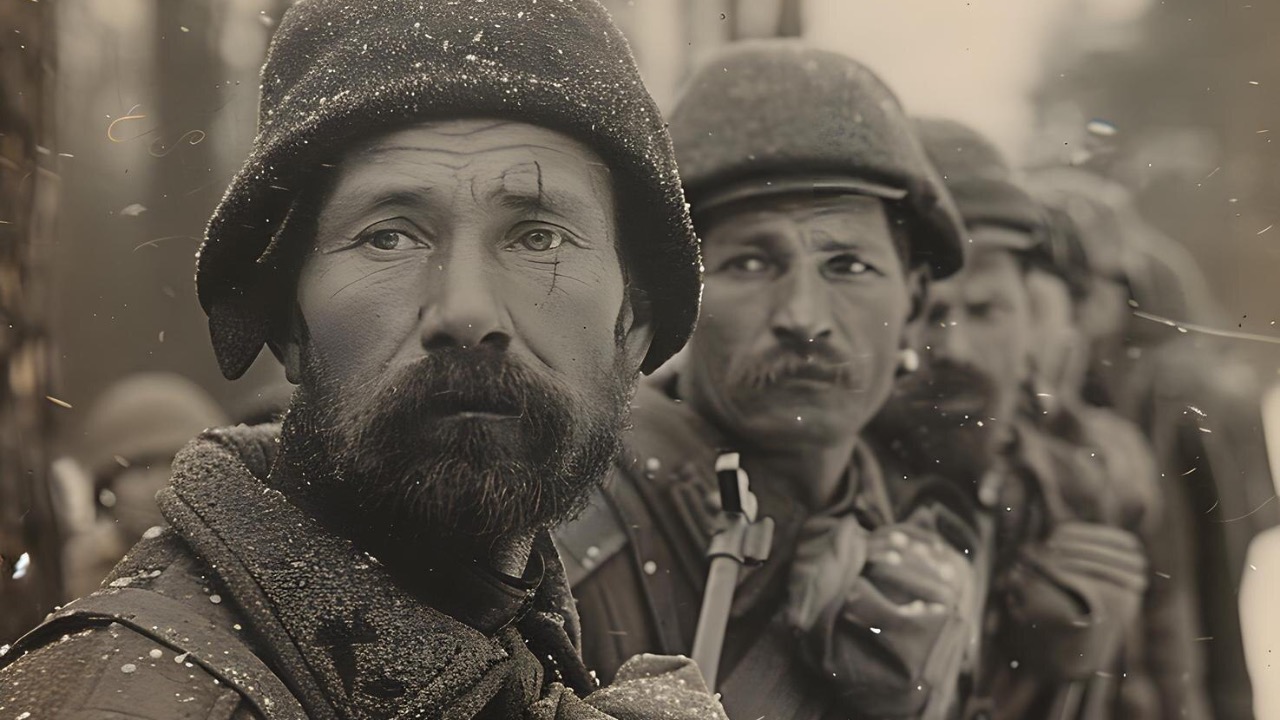
On the frozen Eastern Front of World War I, where artillery and disease usually decided who lived and died, a different predator briefly forced enemies to lower their rifles. In the winter of 1916 and into 1917, stories began circulating that German and Russian soldiers stopped shooting at each other and instead turned their fire on packs of starving wolves that were attacking both sides. The tale sounds like folklore, yet it sits at the crossroads of battlefield reporting, wildlife science, and wartime rumor.
At its core, the story describes enemies who suspended hostilities, hunted wolves together, then returned to the trenches once the animals were dead. The details are strange, sometimes contradictory, and still debated, but they raise a revealing question about how extreme conditions can briefly reorder what counts as an enemy.
The Eastern Front that wolves walked into
The Eastern Front was already a catastrophe for humans before wolves entered the picture. Long lines of trenches, shattered villages, and burned forests stretched from the Baltic to the Black Sea. Artillery and scorched-earth tactics tore up forests and farms, while supply lines struggled to feed millions of soldiers and civilians. In that environment, wild animals lost habitat and prey just as completely as people lost homes.
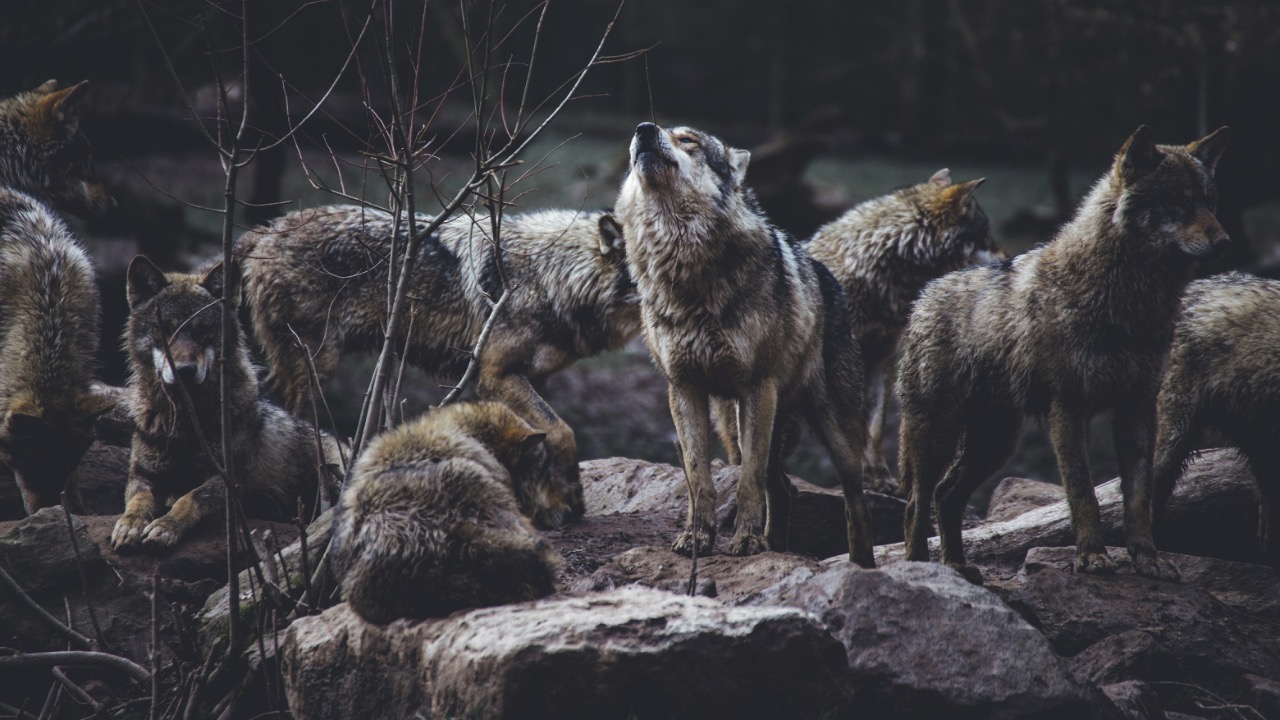
Several accounts describe how, during the winter of 1916, starving Russian wolves began to converge on the northern sector of this front. One narrative, repeated in modern summaries, states that during that winter, packs of wolves moved into areas held by both the German and Russian lines, driven by hunger and the collapse of their usual hunting grounds. A social media post that recounts this story notes that during that season on the Eastern Front, the brutal conditions of war had already devastated human armies and increasingly threatened wildlife as well, and that Russian wolves began appearing around German and Russian positions in large numbers, a detail that aligns with the broader picture of a front where nature itself seemed to be unraveling. That description of the Eastern Front environment is reflected in an account shared on World War I.
In that setting, soldiers already faced cold, lice, and hunger. The arrival of large predators around trenches and supply routes added a new layer of fear. The idea that wolves might circle wounded men or pick through corpses did not feel far-fetched to soldiers who watched stray dogs and rats do the same. The Eastern Front was not just a clash of empires. It had become a place where the normal boundary between the human war and the surrounding ecosystem had broken down.
What the original reports actually said
The modern version of the story traces back to wartime newspaper coverage and later retellings. One widely cited account refers to a report from Petrograd that described wolves in the Kovno, Wilna Minsk district, near modern Vilnius, attacking both armies. According to that narrative, the animals grew so bold that they began to threaten outposts and fortified locations on both sides. The report stated that the wolves were nowhere to be found quite so large and powerful as in Russia, and that they were desperate in their hunger and disregarded danger as they closed in on human positions.
A detailed modern summary of that Petrograd story explains that as the wolves multiplied, they began to attack supply convoys and isolated soldiers, which pushed commanders on both sides to look for a solution. The same summary recounts that earlier in the war, soldiers had tried to shoot or poison the wolves individually, but the packs kept returning. According to this retelling, the situation escalated until German and Russian officers agreed on a temporary arrangement that would allow both sides to hunt the wolves without interference from enemy fire. That description is captured in a modern article on German and Russian, which reconstructs the story from period reports.
Another passage from the same narrative focuses on a particular engagement in the Kovno, Wilna Minsk area. It describes how, at one point, a large pack of wolves attacked near the front, and the response was immediate. Hostilities were at once suspended and Germans and Russians instinctively attacked the pack, killing about 50 wolves. The phrase “Hostilities were at once suspended and Germans and Russians instinctively attacked the pack, killing about 50 wolves.” appears in a later summary that quotes the original wording and emphasizes the number “50” as a vivid detail of the event. That figure is repeated in a modern account on Wolves That Fought, which cites the same language.
Other later summaries echo this picture of an unusual hunt. One recounts that during one of the battles, Russian and German scouts saw that a large pack of hungry wolves had attacked and were eating the wounded who lay between the lines. According to that version, the Russian and German soldiers then jointly began to kill the predators before returning to their regular positions. That description appears in a narrative of the Russian and German wolf armistices on one of the, which again builds on the same core story.
How the “wolf truce” is usually described
Across these retellings, a fairly consistent picture emerges of what the so-called “wolf truce” looked like. The setting is usually the northern Eastern Front, around the Kovno, Wilna Minsk district. The time frame is the winter of 1916 and the following months, when deep snow and shortages made life difficult for both people and animals. The antagonists are not just the German and Russian armies, but also Russian wolves that have been pushed into closer contact with humans.
According to the most detailed modern summary, the wolves had already been harassing both sides for weeks. They raided livestock, scavenged near trenches, and occasionally attacked isolated soldiers. As the packs grew bolder, they began to threaten outposts and fortified locations in a way that neither side could ignore. The wolves were described as desperate in their hunger and willing to disregard danger, which made them more likely to charge into areas filled with gunfire and human activity.
In response, officers on both sides are said to have agreed to a temporary ceasefire that would allow them to organize joint hunts. The arrangement reportedly involved notifying enemy units of planned operations, suspending artillery and other offensive actions, and focusing fire on the wolves instead. One account notes that during the hunts, Germans and Russians sometimes fought side by side, using rifles, machine guns, and even grenades to kill the animals. Afterward, the story goes, they returned to their own lines and resumed the regular war once the wolves had been shot.
A modern retelling that focuses on this sequence describes how, in the Kovno, Wilna Minsk district near modern Vilnius, the wolves began to congregate in such numbers that they threatened both armies. It then recounts that German and Russian soldiers banded together to fight the wolves, and that the hunts were intense enough to kill dozens of animals at a time. That narrative is laid out in detail in a piece that highlights the time German and Russian soldiers banded together to fight wolves in the Kovno, Wilna Minsk region, as described on Time German and.
Could so many wolves really have attacked the front?
The story of hundreds of wolves surrounding trenches and forcing a truce naturally raises questions about biology. Modern wildlife science provides some context. One educational overview of wolf behavior explains that wolves travel in groups called packs, and that the size of a pack can range from 2 wolves to 36, but is usually around 6. The line “The Big Bad Wolf Wolves travel in groups called packs. The size of a pack can range from 2 wolves to 36 but is usually around 6.” comes from a classroom resource that introduces basic wolf ecology and emphasizes how pack size affects hunting behavior. That explanation appears in Big Bad Wolf, which is not about World War I but provides useful biological grounding.
Those numbers suggest that for soldiers to see “huge packs” around the front, either multiple normal packs would have had to converge or observers would have overestimated the number of animals in the confusion of battle. The idea of several packs gathering near carcasses or battlefields is plausible, since wolves are opportunistic and will scavenge when prey is scarce. War-torn landscapes with dead horses, mules, and humans would have created powerful sources of scent that could draw predators from long distances.
At the same time, the image of wolves repeatedly charging fortified positions filled with gunfire is harder to square with typical wolf behavior. Modern biologists generally describe wolves as cautious around humans, especially when shot at. This tension between the dramatic wartime descriptions and what is known about wolves today has led some researchers and history enthusiasts to ask whether the “wolf truce” was scientifically possible or whether it was exaggerated.
One video presentation that tackles this question directly examines whether the 1917 “wolf armistice” could have occurred as described. The speaker discusses how wolves behave under extreme hunger, how pack dynamics work, and what wartime conditions might have done to local populations. The analysis frames wolves as occupying a unique place in the land and in the human mind, especially in dark hours when fear and imagination can blur. That discussion is available in a presentation titled “Was the 1917 ‘Wolf Armistice’ Scientifically Possible?” on Dec 8, 2021, which uses modern science to evaluate the plausibility of the story.
Tracing the story through modern fact-checking
Because the “wolf truce” sounds so cinematic, it has become a popular item in history forums, social media posts, and even video games. That popularity has also triggered skepticism. One detailed fact-check examines the claim under the heading “Was There a Ceasefire During WWI to Hunt Wolves?” and traces it back to a July 1917 article in the Oklahoma City Times. The fact-check notes that the key claim centers on a temporary ceasefire during World War I to hunt wolves, and that the story relies heavily on a single American newspaper report from Petrograd rather than multiple independent battlefield accounts.
The same analysis points out that wartime newspapers often printed sensational stories from foreign correspondents with limited ability to verify details. It also notes that the phrase “Claim” appears prominently in the examination, which frames the story as something that needs to be tested against other evidence rather than accepted at face value. That close reading of the original Petrograd dispatch and its later echoes appears in a feature on There a Ceasefire, which treats the “wolf truce” as a hunting-world myth that may contain a kernel of truth.
Online discussions among history enthusiasts have raised similar doubts. One widely shared thread asks bluntly: “Did wolves really force a temporary truce on Eastern Front in WWI during the winter of 1916-17?” Participants in that discussion point out the lack of corroborating German or Russian military records and question why such a remarkable event would not appear in more diaries or official histories. That skeptical question is captured in a post on wolves really force, which reflects growing curiosity about how much of the story is legend.
Modern military history pieces sometimes present the “wolf truce” as a colorful anecdote rather than a firmly documented event. One overview of Eastern Front life, for instance, notes that soldiers fought a common enemy in the form of wolves and quotes the description that the wolves, nowhere to be found quite so large and powerful as in Russia, were desperate in their hunger and disregarded danger as they approached human lines. That phrasing appears in a feature on Soldiers on World, which treats the wolves as one more hardship in a long list rather than the centerpiece of a formal armistice.
How later writers and games kept the story alive
Even with questions around its accuracy, the “wolf truce” has proved remarkably durable in popular culture. Modern history features retell the story in vivid language, describing how German and Russian soldiers banded together to fight wolves in the Kovno, Wilna Minsk district near Vilnius, and how hostilities were temporarily suspended while both sides focused on the packs. One such narrative, already cited for its detail, appears in a longform piece on Untitled, which helped bring the episode to a wider online audience.
The story has also inspired creative interpretations. Developers of the authentic World War I shooter Tannenberg announced a special Spring event based on a lesser known truce reported by an American newspaper, described as the “wolf truce.” In that event, players face huge packs of ravenous, starving wolves that threaten both sides, echoing the idea that nature itself can become a combatant. The description of this game mode appears in an announcement that notes how the developers built the event around a report by an American newspaper about huge packs of ravenous, starving wolves, as detailed on Spring American.
Social media accounts that focus on military history have shared posts summarizing the same episode. One describes how, during that winter, starving Russian wolves converged on both the German and Russian lines in the northern part of the front, and how an unusual hunt followed in which enemy soldiers stopped fighting each other and turned their weapons on the animals instead. That version appears in a post that begins with “During that winter, starving Russian wolves converged on both the German and Russian lines in the northern part of the front,” shared on Mar During Russian.
Another social media feature on military history frames the event as an example of how the brutal conditions of the Eastern Front not only devastated human armies but also displaced and emboldened local wildlife. It notes that as the war ground on, wildlife became increasingly threatened by the conflict and sometimes turned on the soldiers themselves. That interpretation appears in a post labeled “Military History of the Day: Why enemy armies formed the ‘Wolf Truce’ in the middle,” which emphasizes the Eastern Front context and is shared on Apr Eastern Front.

Asher was raised in the woods and on the water, and it shows. He’s logged more hours behind a rifle and under a heavy pack than most men twice his age.