Collectors warn these six surplus rifles are getting harder to find every year
Military surplus rifles that once filled bargain bins are aging out of circulation, and collectors say some of the most historic models now vanish from racks almost as soon as they appear. Rising prices, shrinking import streams, and a new wave of interest in Second World War and Cold War firearms are combining to make several classic surplus rifles harder to find every year.
For new and seasoned collectors alike, knowing which rifles are quietly slipping away can mean the difference between landing a historically important piece and watching values climb out of reach.
Why surplus rifles are drying up
Collectors have watched prices climb across the board as the supply of surplus rifles has tightened. One major auction house reports that Gun prices in 2022 continued to rise, with M1 Garands, K98 rifles, and combat shotguns all seeing dramatic value increases. That same analysis notes that collectible military gun prices in 2023 reflected intense demand for Garands and other historic service rifles, a sign that the market is absorbing remaining stock at a rapid pace.
At the retail and hobbyist level, longtime buyers describe a similar shift. In one widely shared discussion, a collector looking back on the days of $80 M surplus rifles laments that the era of truly cheap Second World War bolt guns is effectively over. The same thread notes that the days of $80 Mosin Nagants are gone, and what used to be a budget entry point has become a mid tier purchase instead of the throwaway beater rifle it always was.
Enthusiasts on dedicated surplus forums echo that sentiment. One detailed conversation about the future of collecting argues that Second World War era guns will always be in demand, while Cold War era guns have been rising consistently for years. With no new shipments of wartime production rifles and only limited releases of Cold War stockpiles, each rifle that moves into a permanent collection is one less that will ever appear on a gun show table.
Against that backdrop, six surplus rifles stand out as getting noticeably scarcer in the wild, based on auction trends, collector chatter, and current retail pricing.
1. SKS carbines: from bargain racks to centerpieces
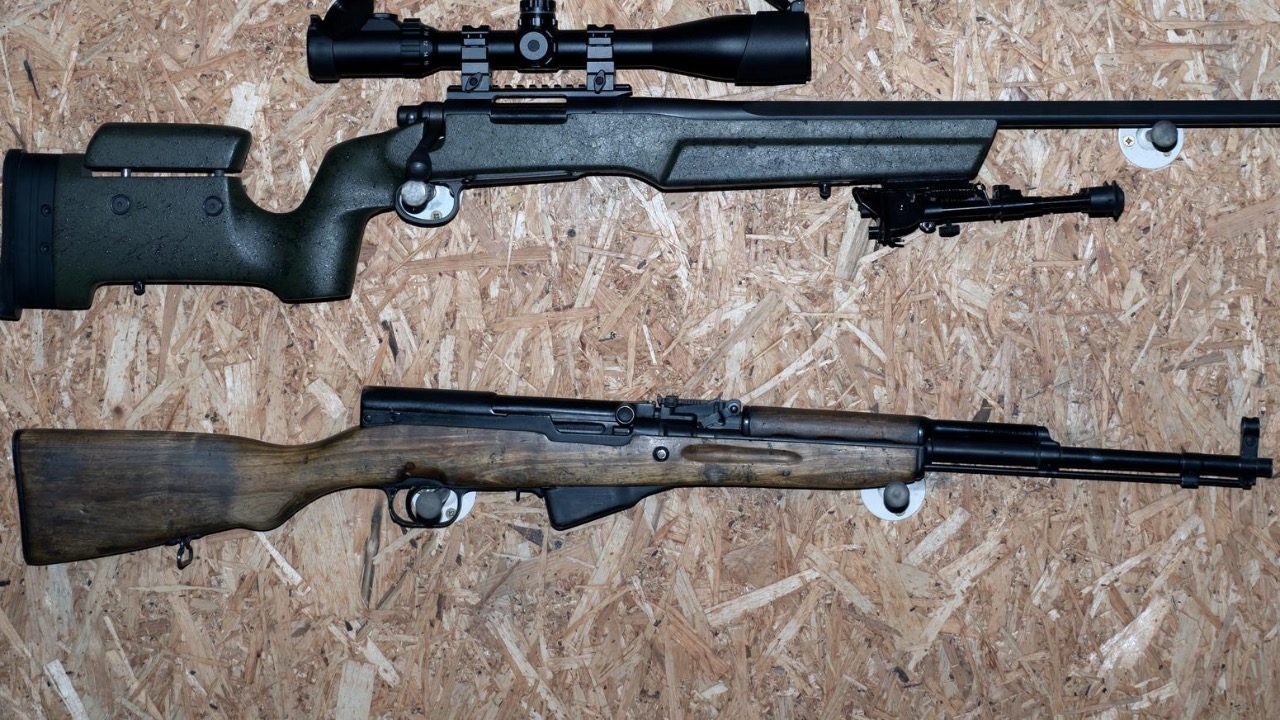
For years, the SKS was the quintessential budget surplus semi automatic. A recent buyer guide still lists SKS rifles as a standout choice, naming them the Best Overall option among surplus rifles, with sample pricing at $589 at Guns.com. That figure alone shows how far the SKS has moved from its reputation as a sub $200 trunk gun.
The same analysis notes that SKS rifles come from Russia originally, but that Russian examples tend to be tougher to find. Instead, Yugoslavian and Chinese rifles make up much of the current market. Collectors now differentiate sharply between those origins. Russian SKS carbines, once dismissed as just another crate rifle, are now chased as premium variants, while even Chinese imports that arrived in huge numbers have begun to thin out.
As import pipelines have slowed and domestic inventories have been absorbed, the SKS has shifted from a casual purchase to a deliberate acquisition. New shooters still see it recommended as a practical choice in lists of best military surplus, but veteran collectors increasingly view clean, matching examples as long term holds. With no realistic prospect of another flood of surplus SKS carbines, each passing year leaves fewer affordable, unmodified rifles on the market.
2. Mosin Nagant variants: the end of the $99 myth
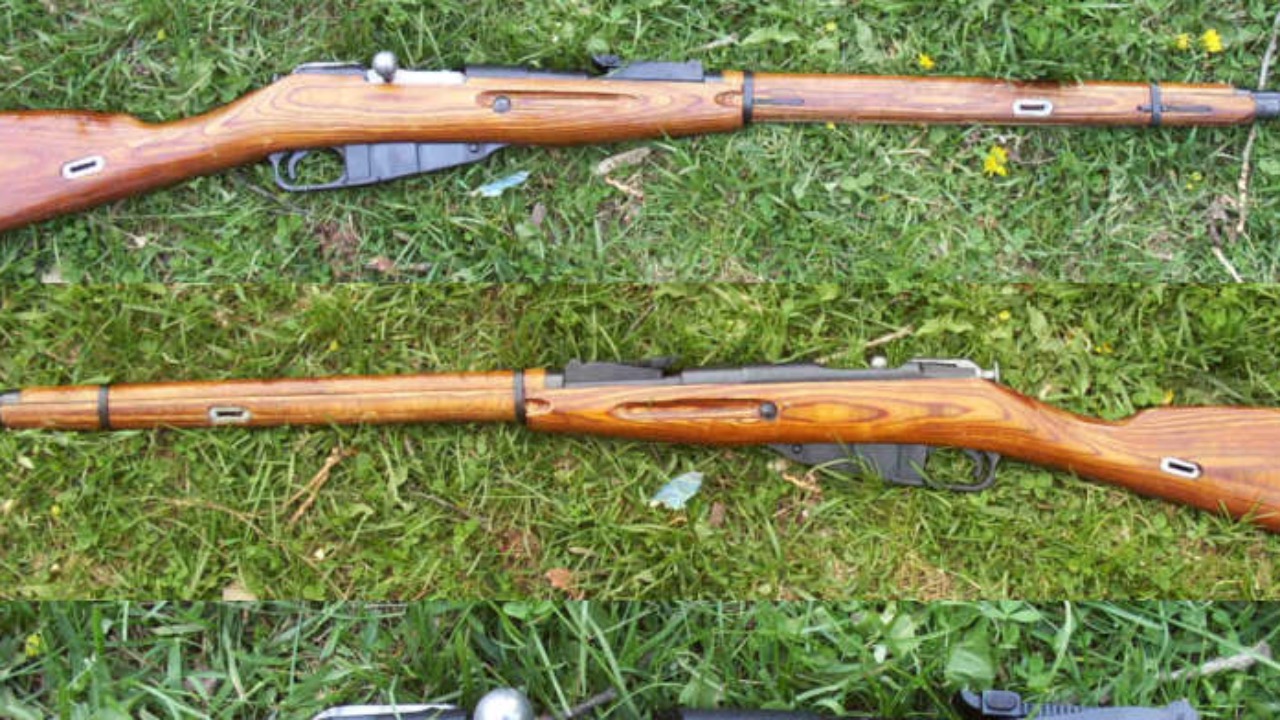
No surplus rifle better captures the shift in availability than the Mosin Nagant. A popular video guide to current bargains points out that the days of $99 Mosins are gone, even while insisting that the surplus market as a whole is not dead. While collectors chase German K98ks for $2,000 or more, the same presenter notes that Mosin Nagant rifles that once sold for $99 now sit in a higher tier, reflecting both inflation and dwindling supply.
Another pricing breakdown aimed at budget minded buyers lists the Mosin Nagant M91 30 at roughly $250 on the current market, alongside The Carcano M91 at $300 to $450 and a M1938 Turkish Mauser at $250 to $500. Those numbers illustrate how the Mosin has moved out of the ultra cheap bracket and into the same pricing neighborhood as other historic bolt actions.
Collectors on general firearms forums remember when crates of Mosin Nagants were stacked in big box stores. The same discussion that recalls $80 Mosin Nagants describes how those rifles have been reappraised as people recognize their Second World War history and front line service. That reappraisal, combined with the end of large scale imports, has left fewer rifles in circulation for casual buyers. Matching numbers, early production variants, and sniper models are now firmly in collector territory, and even plain refurbished examples do not linger unsold.
3. Japanese Arisaka rifles: from overlooked to in demand
Japanese service rifles were long overshadowed by their American, British, and German counterparts. That gap has narrowed as collectors look beyond the usual suspects. One detailed guide for new surplus enthusiasts singles out Japanese firearms as some of the most interesting used in the Second World War, noting that portrayals in popular media like HBO series such as The Pacif have helped bring attention to Pacific theater weapons.
That new attention has real consequences for availability. Once, Type 99 and Type 38 Arisaka rifles sat on racks as curiosities, often priced below comparable Second World War Mausers. As more collectors seek to build complete theater or campaign themed collections, Japanese rifles that still retain intact imperial crests or original accessories have become fiercely contested buys.
Because Japan did not release massive postwar stockpiles in the same way as some European countries, the pool of Arisakas in the United States was finite from the beginning. Many arrived as individual bring backs. Others were altered or sporterized in the decades when surplus rifles were seen primarily as cheap hunting actions. The combination of a limited original pool and rising demand means that every intact rifle that goes into a serious collection is unlikely to return to the open market soon.
4. M1903 Springfield: classic service rifle under pressure
Among American service rifles, the M1903 Springfield has become a bellwether for collector interest. A focused market analysis of rare M1903 Springfield rifles notes that US military arms are hot collectors items right now, with M1911 pistols climbing and M1 Garands being scooped up at a frantic pace. The same report highlights that many M1903 variants, especially low production runs and sniper configurations, have followed that trajectory.
The M1903 occupies a unique place in American history. It bridged the gap from early twentieth century doctrine to the semi automatic era and saw extensive use in both world wars. That pedigree, combined with relatively low surviving numbers compared with later Garands, has made it a prime target for collectors who want a complete lineup of US service rifles.
Unlike some imported surplus, the M1903 is not replenished by foreign stockpiles. What exists in private hands, museums, and institutional collections is effectively the full universe of available rifles. As more buyers chase specific sub variants, such as the M1903A4 sniper or early rod bayonet models, even standard rifles have seen increased demand. Clean, original condition examples now command auction premiums, and field grade rifles that once appeared regularly at gun shows have become sporadic finds.
5. Carcano and Turkish Mauser: budget rifles moving upmarket
Italian Carcano rifles and Turkish Mausers have long been considered the budget end of the surplus spectrum. Recent pricing suggests that era is closing. A widely referenced video guide to the cheapest surplus rifles still available notes that The Carcano M91 is typically The Carcano M91 you are looking at around $300 to $450, while an M1938 Turkish Mauser is going for between $250 to $500. Those figures place both firmly above entry level pricing that once defined this segment.
For years, Carcano rifles were stigmatized by outdated concerns about strength and ammunition availability. Turkish Mauser rifles, many of which were refurbished from older German and Czech actions, were likewise treated as second tier. As the more glamorous K98k and Swedish Mausers have moved into higher price brackets, collectors have turned to these rifles as the remaining affordable path into early twentieth century European bolt actions.
That shift has started to drain the pool of unmolested examples. Sporterized Carcanos and Turkish Mausers still appear, but rifles that retain original military configuration, matching parts, and legible markings are increasingly scarce. A separate video focused on top surplus rifles under $500 underscores how quickly these once overlooked models are being reclassified as serious collector pieces rather than disposable projects.
6. Entry level Cold War semi autos: the next wave to disappear
While Second World War rifles attract the most attention, experienced collectors warn that Cold War semi automatics are not far behind on the scarcity curve. In a detailed community discussion, one enthusiast argues that Cold War era guns have been rising consistently for years, from SKS carbines and early AK pattern rifles to heavier support weapons.
Buyer guides aimed at new surplus collectors still present some Cold War designs as accessible. A recent overview of Best Military Surplus frames surplus as a relatively cheap way to build a collection, but even there, the highlighted rifles sit at price points that would have been considered mid range just a decade ago. The SKS example at $589 illustrates how Cold War semi autos that once served as budget alternatives to modern sporting rifles have moved into a different category.
Video content aimed at bargain hunters reinforces that trend. One countdown of military surplus rifles still considered dirt cheap in 2026 stresses that the market is not dead, yet the very need to hunt for remaining sub $400 options shows how quickly previously abundant rifles have climbed. Another channel that revisits the top five surplus firearms around or below $500 in 2026, hosted by Mike, implicitly acknowledges that the window for truly low cost Cold War semi autos is narrowing.
As import restrictions, geopolitical changes, and simple attrition reduce the number of transferable rifles, collectors expect early AK variants, FALs, and similar designs to follow the same path as the SKS and Mosin Nagant. The exact models differ by region, but the pattern is consistent: first prices stabilize, then they climb, and finally clean examples become rare sights outside of established collections.
How collectors are adapting
Faced with shrinking supply, collectors are adjusting strategies. One common approach is to move earlier in the buying cycle, targeting rifles that are still relatively affordable but show signs of upward pressure. Guides that highlight 12 cheapest surplus rifles or similar lists are treated not just as shopping aids but as early warning systems for models that may soon follow the Mosin Nagant path from bargain to blue chip.

Leo’s been tracking game and tuning gear since he could stand upright. He’s sharp, driven, and knows how to keep things running when conditions turn.