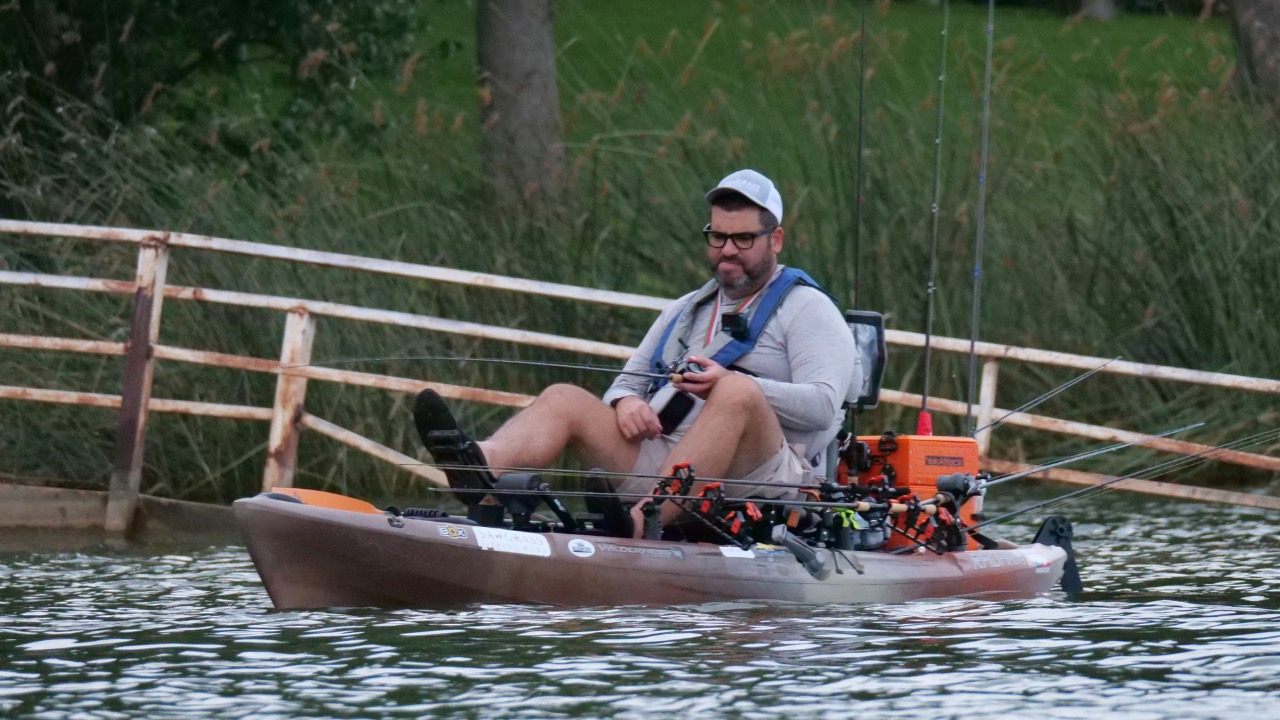
Kayak angler hooks massive bass in shallow water
If you spend enough time chasing bass from a kayak, you learn quickly that shallow water can produce some of the biggest surprises of the season. Anglers often focus on deep ledges or offshore structure when they’re hunting for a trophy, but big bass regularly slide into skinny water for feeding opportunities. When that happens, a quiet kayak can put you closer to the action than a full-sized bass boat ever could.
Hooking a giant fish from a kayak in only a few feet of water creates a fight that feels twice as intense. There’s no deck space, no trolling motor to control position, and the fish has every advantage. When a big largemouth eats close to the kayak, you’re suddenly part of the battle whether you planned for it or not.
Why Shallow Water Still Holds Giant Bass
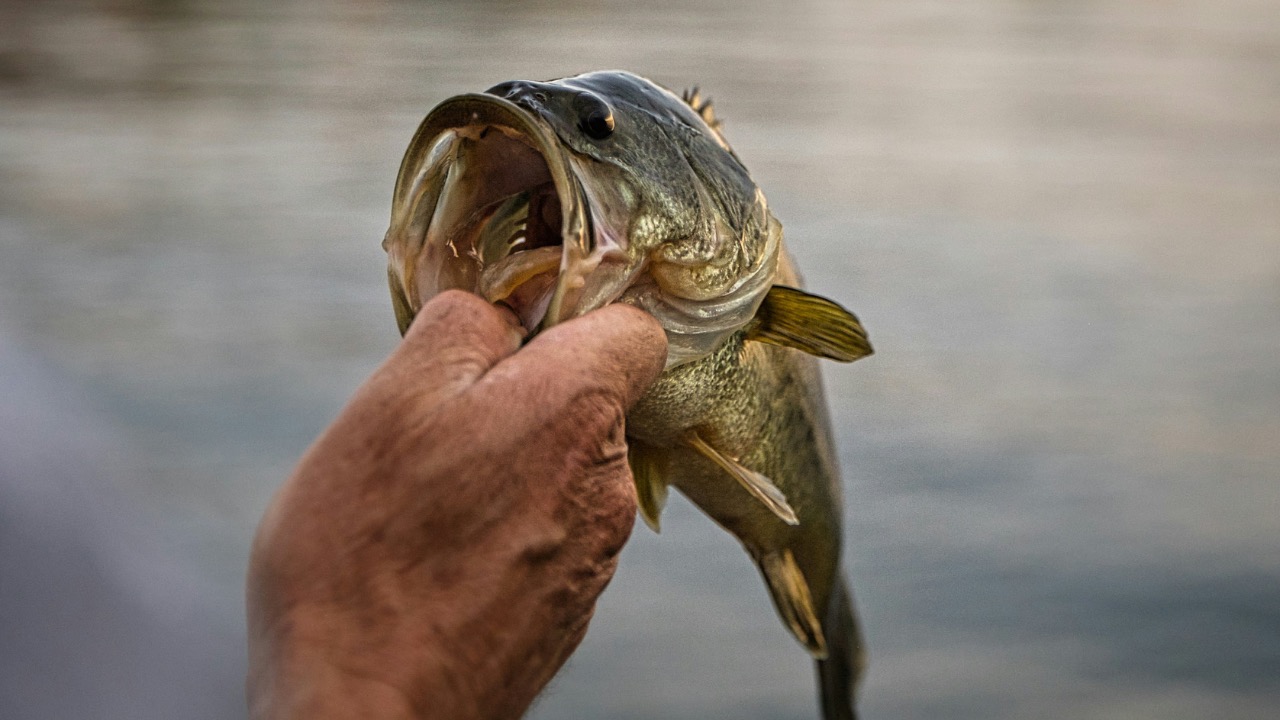
When you picture trophy bass, it’s easy to imagine deep water structure and long casts across open reservoirs. But the truth is that large bass frequently move shallow, especially when food is easy to reach. Bluegill beds, spawning baitfish, and warming water draw big fish into areas most anglers overlook.
When you’re sitting low in a kayak, those shallow areas become far more approachable. You’re quieter than a boat pushing a wake, and you can slide into water barely deep enough to float. Big bass often cruise those edges, and when one finally commits to a lure, you’re close enough to feel every head shake through the rod.
The Advantage of a Kayak in Skinny Water
A kayak gives you something powerboats struggle with: stealth. In shallow water, noise travels quickly, and even a small disturbance can push a big bass into deeper cover. Kayaks move slowly and quietly, which keeps fish relaxed long enough to make a clean presentation.
That quiet approach becomes a real advantage when targeting shallow structure like grass lines, stumps, or isolated patches of cover. A kayak lets you position yourself close without announcing your presence. When a giant bass finally eats, you’re already in range, and the fight starts instantly.
What Happens When a Giant Bass Eats Close
Hooking a big bass from a kayak feels different than fighting one from a bass boat. When a fish weighs several pounds and hits in shallow water, it tends to explode toward deeper water or heavy cover. In a kayak, you feel that surge immediately.
Instead of pulling the fish toward you, the fish often pulls the kayak along for the ride. The boat swings, your angle changes, and suddenly the fight becomes a balancing act. It’s one of the most exciting parts of kayak fishing, but it can also test your ability to stay calm and maintain steady pressure.
Fighting Big Fish Without Boat Control
When you’re standing on the deck of a bass boat, you can move around, adjust your angle, or use a trolling motor to keep the fish away from trouble. In a kayak, you don’t have those options.
The moment a giant bass digs into shallow cover, you have to work the rod carefully while the kayak moves with the fish. That movement can actually help if you let the fish tow you instead of forcing the fight. Many experienced kayak anglers learn quickly that patience keeps big bass pinned better than brute force.
The Role of Shallow Cover
Shallow water giants rarely sit out in the open. They usually position themselves around cover that gives them an ambush point. Fallen timber, submerged grass, docks, and small points all give bass a place to hide while waiting for food.
When you hook one around that kind of structure, things can get complicated fast. The bass will often try to wrap the line around whatever it can find. From a kayak, you need to angle the rod carefully and use steady pressure to guide the fish away from trouble without breaking off.
Why Big Bass Feed in the Skinny Stuff
Large bass move shallow for one reason: food. Baitfish, frogs, bluegill, and small perch all spend time in shallow water, especially when temperatures rise. For a big predator, that creates an easy feeding opportunity.
When the conditions line up, giant bass can patrol water that’s only a couple feet deep. Many anglers overlook those areas because they assume big fish stay deep. But time on the water proves otherwise. Some of the heaviest bass every season are caught where the water barely covers the fish’s back.
The Kayak Fight Everyone Remembers
Ask any kayak angler about the fish they remember most, and it’s rarely the easy catch. The stories always involve a giant fish that nearly got away, dragged the kayak across the water, or wrapped the line around half the cover in the lake.
Landing a massive bass in shallow water from a kayak creates that kind of memory. The fight feels bigger, the stakes feel higher, and every move matters. When you finally lip the fish and see how big it really is, you realize why so many anglers keep returning to shallow water with a paddle and a rod.

Asher was raised in the woods and on the water, and it shows. He’s logged more hours behind a rifle and under a heavy pack than most men twice his age.