Why most “tactical” setups are built for looks, not performance
You’ve seen them at the range and all over social media—rifles and pistols layered with accessories, anodized parts, offset optics, oversized comps, and enough rail space to mount a kitchen sink. They look serious. Aggressive. Purpose-built. But when you put them on the clock or carry them all day, a lot of those “tactical” upgrades start working against you.
The hard truth is this: performance comes from reliability, balance, and repeatable fundamentals. A rifle that handles well and runs clean will outperform a tricked-out safe queen every time. If you care more about shaving seconds and making clean hits than collecting likes, here’s where most tactical setups quietly fall apart.
Over-Railed Handguards That Add Weight You Don’t Need
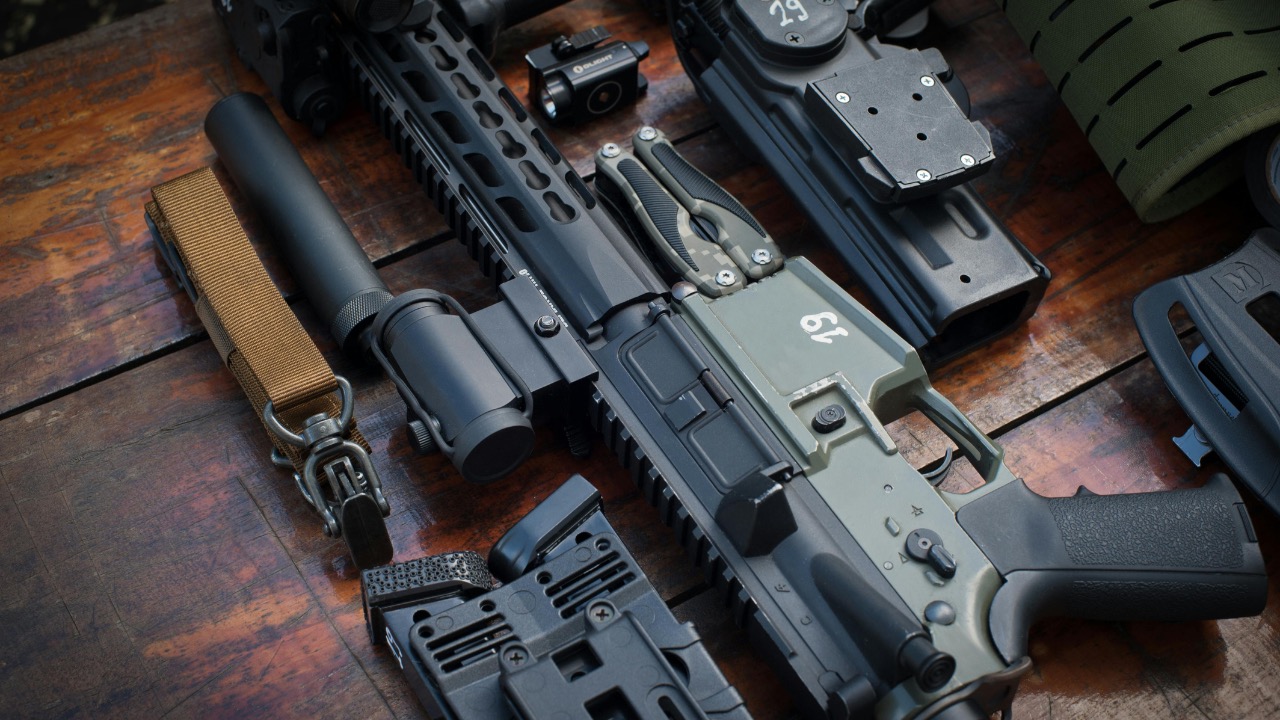
You don’t need quad rails wrapping every inch of your rifle unless you’re mounting mission-critical gear. Yet plenty of setups still wear heavy, fully railed handguards that add significant forward weight. That extra mass out front changes how the rifle balances and slows your transitions between targets.
After a few hours of training, your support arm feels it. Fatigue creeps in, and your wobble zone grows. Most shooters only mount a light and maybe a sling attachment. A slim M-LOK rail would do the job with less weight and better handling. Instead, you end up carrying bulk that looks aggressive but doesn’t help you shoot better.
Oversized Muzzle Brakes That Punish Everyone Around You
Big, multi-port muzzle brakes flatten recoil, no question. But many of them are designed for competition, not defensive or practical use. On a short rifle, they create brutal side blast and concussion that can rattle you and everyone nearby.
Indoors or under a covered firing line, the overpressure becomes distracting fast. You may gain slightly faster follow-up shots, but you trade away comfort and awareness. In real-world conditions, that trade isn’t always worth it. A well-tuned rifle with proper stance and a moderate device will often serve you better than a brake designed to impress the guy in the next lane.
Budget Red Dots on Serious Rifles
Optics are where performance lives or dies, yet this is where many tactical builds cut corners. A rifle dressed in premium accessories but topped with a bargain red dot doesn’t make sense. Cheap optics lose zero, flicker, or fail under recoil.
You might not notice it during casual range sessions. But once you introduce movement, barricades, or extended strings of fire, weaknesses show up. If your dot shifts or shuts off, everything else on that rifle becomes irrelevant. A reliable optic doesn’t need flashy features. It needs to hold zero and stay on when it matters.
Excessive Offset Accessories
Offset irons. Offset red dots. Offset flashlights. At some point, the rifle stops being streamlined and starts looking like a hardware display. While certain setups benefit from a secondary sighting system, many shooters install them without a clear purpose.
Every added component increases snag risk and complicates your manual of arms. Under stress, complexity slows you down. If you don’t regularly train with that offset optic or practice transitions, it becomes dead weight. A clean, primary setup that you understand fully will outperform a layered configuration you barely use.
Skeletonized Parts That Sacrifice Durability
Lightweight bolt carriers, skeletonized triggers, cut-out charging handles—these parts look fast and modern. But reducing material can also reduce durability and reliability. In a competition rifle tuned for specific ammo, that may be acceptable. In a defensive rifle, it’s a gamble.
When you remove mass from critical components, you change how the system cycles. That can lead to finicky performance across different loads. Reliability should be boring and consistent. If shaving an ounce introduces cycling issues, you’re solving a problem that didn’t need solving in the first place.
Tall Optic Mounts That Hurt Stability
Extra-tall mounts have gained popularity for heads-up shooting posture, especially with night vision or gas masks. But on a general-purpose rifle, excessive height over bore complicates holds at close range.
You may enjoy the upright stance, but you also introduce more offset to manage at short distances. If you haven’t trained to compensate, your point of impact at close range can surprise you. For most shooters, a standard-height mount provides a better balance between comfort and practical accuracy.
Compensators on Concealed Carry Pistols
Pistol compensators look serious and can reduce muzzle rise. But on compact carry guns, they add length, weight, and potential reliability concerns—especially with lighter defensive loads.
You also increase the likelihood of blast and debris when shooting from retention or unconventional positions. Unless you’ve tuned the gun and vetted your carry ammo thoroughly, you’re adding complexity. For most concealed carriers, grip strength and consistent practice solve recoil management more effectively than hanging hardware off the muzzle.
Weapon Lights That Are Too Large for the Platform
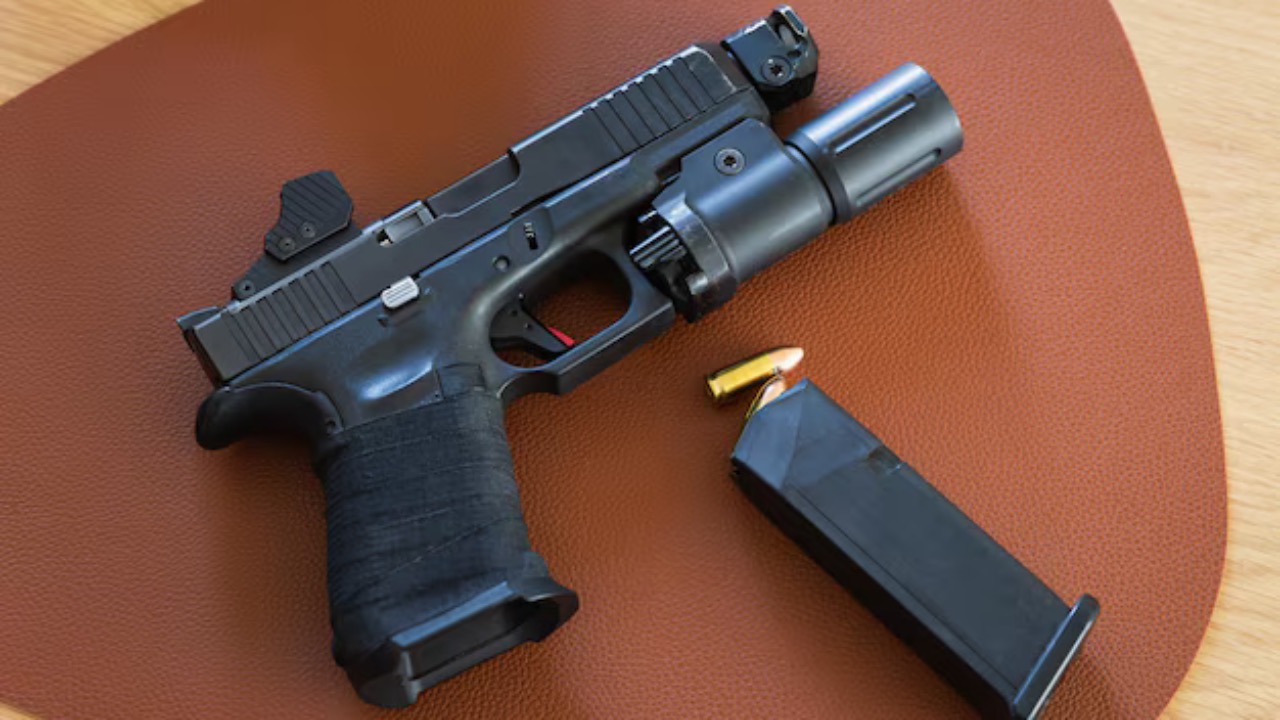
A weapon light is a practical tool. But mounting a full-size duty light on a compact pistol often throws off balance and makes holster selection harder. The added bulk can affect concealment and draw speed.
If the light extends far beyond the muzzle or shifts the gun’s center of gravity, you’ll feel it during rapid fire. Choosing the right size for the platform matters more than maximum output. A properly matched light gives you illumination without turning your carry gun into a range-only conversation piece.
Overbuilt Slings That Tangle Under Pressure
A sling should support the rifle and help you manage transitions. But heavily padded, multi-adjust, multi-strap designs sometimes introduce more confusion than control. When you’re moving quickly, extra webbing can snag or twist.
Under stress, you want one clean adjustment and predictable tension. If your sling requires thought to operate, it’s working against you. Many shooters discover this during training, not in the safe. Clean and functional beats overengineered every time.
Decorative Cerakote That Prioritizes Aesthetics
Custom finishes can protect metal and personalize a rifle. But some builds focus more on color schemes than mechanical soundness. A flashy Cerakote job won’t fix poor trigger control or unreliable parts.
There’s nothing wrong with making a rifle your own. But when finish becomes the centerpiece and performance takes a back seat, priorities are out of order. The best tactical setups look understated because the real work is happening inside the rifle—and behind it.
You don’t need a stripped-down rifle to perform well. You need a balanced one. When every component serves a purpose and you’ve trained with it, performance follows. When accessories pile up without intention, the rifle may look ready for anything—but you won’t feel that way when the timer starts.

Asher was raised in the woods and on the water, and it shows. He’s logged more hours behind a rifle and under a heavy pack than most men twice his age.