Russia claims air defenses shot down hundreds of Ukrainian drones in hours
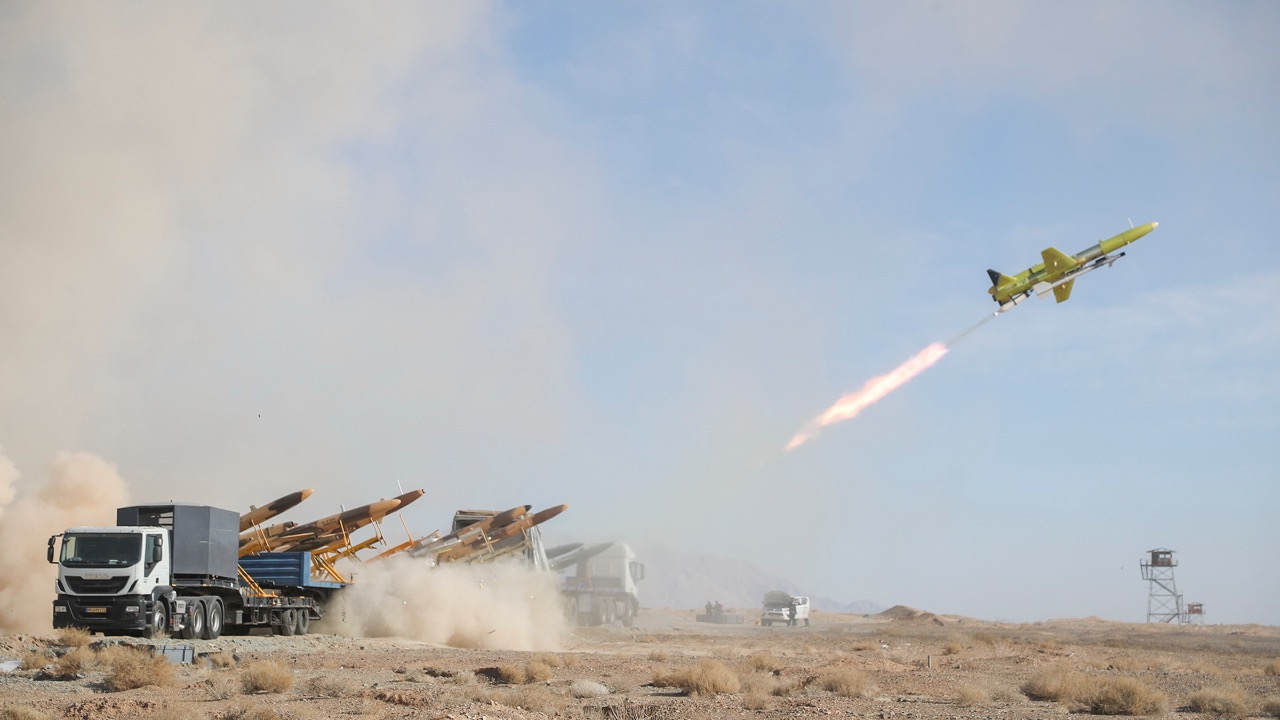
Russia says its air defenses have intercepted hundreds of Ukrainian drones in a matter of hours, claiming a scale of aerial attack not seen before in the war. Officials in Moscow present the figures as proof that their defensive network is holding, while the sheer numbers underscore how central unmanned aircraft have become to both sides’ strategies.
The latest claims fit into a pattern of escalating drone activity that now stretches from the front lines to cities deep inside Russia. Each new tally adds to a narrative of constant pressure in the air and raises questions about how long either side can sustain such an intensive campaign.
Record claims of 754 drones in a single day
Russian authorities have promoted what they describe as a record wave of Ukrainian unmanned aerial vehicles, saying air defenses brought down 754 Ukrainian UAVs in a single day. Branded as Russia Claims Record Drone Interceptions, the statement casts the engagement as a defensive success and a sign that Ukrainian forces are committing large numbers of aircraft to long range strikes.
Additional reporting on the same episode describes Russia asserting that it shot down 754 drones in what officials called the largest reported attack on its territory. In that account, Russia presented the figure as evidence that it had blunted a major Ukrainian operation, and The New Voice of Ukraine was cited as a source engaging with the Russian narrative.
A third summary of the same event states that Russia shot down over a twenty four hour period, describing them as Ukrainian UAVs and presenting the number as a record for the conflict. Taken together, these accounts align on the headline figure of 754, while differing slightly in how they characterize the scale and purpose of the attack.
Ukrainian officials are not cited in these reports as confirming the 754 figure, and Unverified based on available sources remains the status of any independent tally. The consistency of the number across multiple Russian linked narratives, however, shows how central it has become to Moscow’s messaging about resilience under drone assault.
Fresh overnight barrage and the 176 figure
The record claim has been followed by new reports of large scale attacks. Russian authorities stated that air defenses shot down 176 Ukrainian drones, describing another intense engagement over multiple regions. That report, attributed to Russia and carried by Caliber, again portrays the country as successfully intercepting a high volume of incoming aircraft.
Although the 176 figure is significantly lower than 754, it still represents a massive overnight operation in military terms. For comparison, even advanced air forces rarely fly hundreds of sorties in a single night in conventional conflicts. The Russian account treats these 176 Ukrainian drones as part of a sustained campaign that demands constant vigilance from air defense units.
Caliber’s summary stresses that Russia continues to frame these interceptions as routine, even at such scale. The repetition of precise figures such as 176 helps Moscow argue that its command structure has detailed awareness of the air picture, although Unverified based on available sources remains the caveat for outside observers who lack access to radar logs or wreckage counts.
Earlier mass attacks and the 345 and 337 precedents
The recent wave of claims does not stand alone. Earlier this year, Russia said it downed 345 Ukrainian drones, linking the interceptions to offensive gains on the ground and mentioning that it took two villages. That report, datelined MOSCOW and sourced to Russia, shows that claims of triple digit shootdowns had already entered the narrative before the more recent record figures.
Another earlier incident involved a Russian assertion that air defenses shot down 337 Ukrainian drones in a single operation. In that account, there was no immediate comment from Ukrainian officials on the attack. The report highlighted that the most drones, a total of 126, were shot down over the Kursk region, underscoring how areas such as Kursk have become regular targets for Ukrainian UAV activity.
These precedents of 345 and 337, combined with the later claims of 754 and 176, sketch a pattern of Russian messaging built around large, round numbers that convey a sense of scale. Each figure is presented as precise, and each is tied to assertions about Ukrainian intent and Russian defensive performance.
Drone pressure on Moscow and Sochi
Russian officials have also described a persistent campaign of strikes on the capital. One account states that Ukraine targeted Moscow, according to Russia. In the same summary, Ukraine’s military is described as saying that a Russian attack on Kiev left one civilian dead, showing how drone and missile warfare now affects both capitals.
If accurate, the claim that Ukraine has targeted Moscow daily would indicate a sustained attempt to keep psychological and logistical pressure on the Russian leadership and population. Russia, for its part, has used such statements to issue a warning to Western countries about what it sees as the consequences of their level of support for Ukraine.
Far from Moscow, other Russian cities are also under strain. A separate account describes Russia’s Sochi under, quoting the local mayor. The report explains that Sochi has faced a level of drone pressure not seen since the initial invasion of Ukraine, and includes a call to Help us make the truth travel further, reflecting the outlet’s framing of the story.
Together, these accounts of Ukraine targeting Moscow and Sochi illustrate how the drone war now stretches across a wide geographic area. The focus is no longer only on front line regions such as Kursk, but also on symbolic and strategic locations deep inside Russia.
How social platforms amplify drone war narratives
The figure of 754 drones has not only circulated in official statements, it has also spread across social media. One widely shared post on Instagram presented the claim of 754 Ukrainian UAVs Taken Down in a Single Day, using graphic imagery and infographics to dramatize the scale. The post references Russia Claims Record Drone Interceptions and shows how visual storytelling can turn a military statistic into viral content.
Tracing the citation trail from that Instagram content leads back to corporate resources such as about.meta.com, which explains how platforms like Instagram and Facebook are governed and moderated. These background materials sit far from the battlefield, yet they shape how information about drone attacks is presented, shared, and sometimes challenged.
Meta’s broader AI initiatives, promoted through sites like Meta AI, also intersect with the information environment around the war. Advanced AI tools can be used to detect manipulated media, but they can equally be deployed to generate persuasive visuals or text that reinforce a particular narrative about events such as the interception of 754 Ukrainian UAVs.
Other social platforms are part of the same ecosystem. Threads, accessible via threads.com, and support pages such as Instagram help, are not war reporting outlets themselves, yet they form the infrastructure through which images, numbers, and claims about drone warfare travel globally.
Ukrainian perspectives and independent reporting
While Russian statements dominate the numerical claims, Ukrainian linked sources offer a different angle. One Ukrainian language report notes that Ukraine launched a, and that Russian observers recorded 754 UAVs. This framing accepts the scale of the operation while presenting it as a Ukrainian initiative aimed at stretching Russian defenses.
Platforms associated with The New Voice of Ukraine, such as the profile at english.nv.ua, and support channels like nvua Patreon, show how Ukrainian outlets seek funding and audiences to sustain coverage of events like the 754 drone operation. Social feeds linked to that outlet, including New Voice Ukraine and New Voice Ukraine, help distribute alternative interpretations of Russian claims.
In some cases, Ukrainian sources highlight the same numbers that Russian officials use, but invert the narrative. Where Moscow speaks of intercepting 754 UAVs, Ukrainian commentators may emphasize the ability to coordinate and launch such a large swarm. The result is a contested information space in which identical figures carry very different meanings depending on who is speaking.
Why the numbers matter
Figures like 754, 345, 337, 176, and 126 are not simply technical data points. They serve several functions at once. For Russia, announcing that air defenses shot down 754 Ukrainian UAVs in a Single Day, or that 176 Ukrainian drones were intercepted overnight, signals to domestic audiences that the state is in control and that its military can withstand intense pressure.
At the same time, these numbers are intended to send a message abroad. Claims that Ukraine targeted Moscow with drones every day of 2026, or that Russia’s Sochi faced an unprecedented 24 hour mass Ukrainian drone attack, are used to argue that Western supplied technology is enabling strikes deep inside Russia. Moscow pairs such statements with warnings about the consequences of continued support for Ukraine.
For Ukraine, the same numbers can be framed as evidence that long range drone capabilities are expanding. Reports that Ukraine launched a record number of drones at Russia, with Russian observers counting 754 BPLA, suggest a strategy of saturating air defenses and forcing Russia to expend expensive missiles and interceptor rounds on relatively cheap aircraft.
Independent observers face a challenge in verifying these tallies. Access to radar data, wreckage sites, and operational logs is limited, and both sides have incentives to shape perceptions. Unverified based on available sources is the only honest assessment for many specific counts, even as the overall trend of escalating drone use is widely acknowledged.
Strain on air defenses and civilian risk
The claimed interception of hundreds of drones in hours highlights the workload on Russian air defense crews. Systems that were designed to counter aircraft and missiles now spend much of their time tracking small, low flying UAVs that may cost a fraction of the interceptor missiles used against them. The report that the most drones, 126, were shot down over the Kursk region in one earlier attack illustrates how specific areas can become hotspots of constant activity.
Each engagement also carries risk for civilians. The account that a Russian attack on Kiev left one civilian dead, cited alongside Russia’s claim that Ukraine targeted Moscow with drones every day of 2026, shows that both offensive and defensive operations can have lethal consequences away from the front line. Falling debris from intercepted drones, misdirected interceptors, and successful strikes on infrastructure all contribute to that danger.
In cities such as Sochi, described as facing an unprecedented 24 hour mass Ukrainian drone attack, local authorities must manage not only the physical threat but also the psychological impact on residents. Air raid sirens, explosions in the distance, and images of intercepted drones shared on social media create a sense of constant vulnerability that persists even when official statements stress successful defenses.
Information warfare and the 754 benchmark
The specific figure of 754 has become a benchmark in the information battle between Russia and Ukraine. Russian linked posts, including those framed as Russia Claims Record Drone Interceptions, use the number to dramatize the scale of the threat and the competence of air defenses. Ukrainian linked outlets, in turn, sometimes reference the same figure to highlight the reach of their drone program.
Social media companies such as Meta, which oversees platforms documented on Meta corporate pages, sit in the middle of this contest. Their policies on misinformation, graphic content, and political speech influence how easily claims about 754 Ukrainian UAVs Taken Down in a Single Day can spread, and how they are labeled or challenged by fact checking partners.
Other platforms, including Threads and support pages for Instagram, shape the mechanics of sharing but do not arbitrate truth themselves. As a result, users encounter a mix of official Russian statements, Ukrainian counter narratives, independent reporting, and commentary that may or may not be grounded in verified data.
Within that environment, precise figures can acquire a symbolic weight that goes beyond their literal meaning. The number 754, repeated across Russian and Ukrainian aligned sources, becomes shorthand for a new phase of drone intensive warfare, even if the exact count remains unconfirmed.
What the escalation signals about the war
The pattern of claims about hundreds of drones intercepted in hours suggests several broader shifts in the conflict. It indicates that Ukraine has invested heavily in unmanned systems that can reach deep into Russian territory, from Kursk to Moscow and Sochi. It also shows that Russia is devoting significant resources to countering these threats, and wants the world to know that its air defenses are active and effective.
In addition, the central role of numbers such as 754, 345, 337, 176, and 126 in official and semi official narratives highlights how data has become a tool of persuasion. Each side selects and amplifies figures that support its strategic story, confident that social media will help carry those numbers far beyond the battlefield.
Finally, the escalation in drone warfare raises questions about sustainability. Both Ukraine and Russia must maintain supply chains for drones, interceptors, and electronic warfare equipment, while also managing the political and humanitarian fallout of strikes that affect cities like Kiev, Moscow, and Sochi. As long as unmanned aircraft remain relatively cheap and adaptable, and as long as air defenses continue to be stretched by swarms of small targets, claims about hundreds of drones shot down in hours are likely to remain a recurring feature of the war.

Asher was raised in the woods and on the water, and it shows. He’s logged more hours behind a rifle and under a heavy pack than most men twice his age.