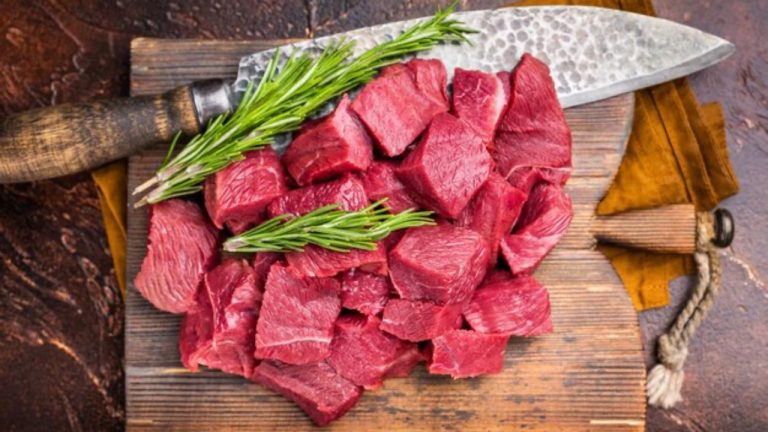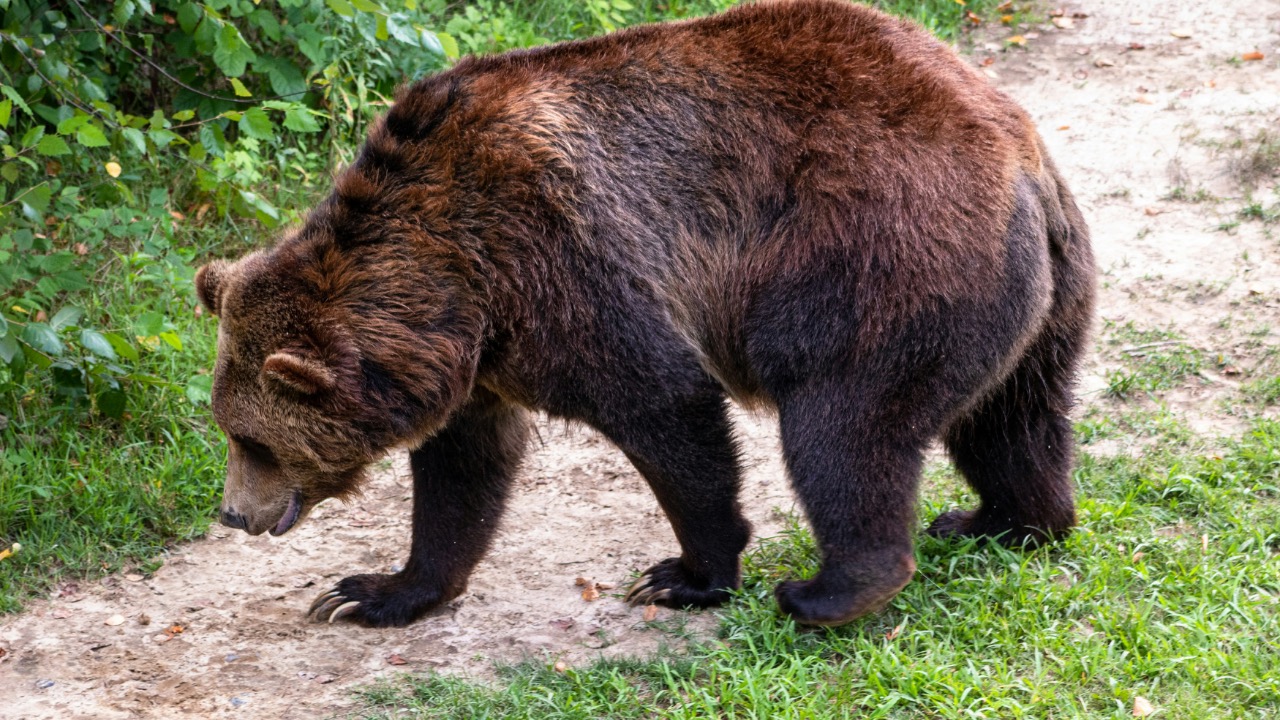
Massive 1,600-pound brown bear taken by hunter ranks among the largest recorded
A hunter’s 1,600-pound brown bear is being hailed as one of the heaviest ever taken, a specimen that instantly invites comparison with the largest predators on record. While official scoring will determine exactly where it ranks, its sheer bulk places it in the same conversation as legendary giants from Alaska’s history and from the remote islands where brown bears grow to astonishing sizes.
To understand what a 1,600-pound brown bear really represents, it helps to set that figure against the known biology of the species, the formal record books that track exceptional animals and the evolving ethics around hunting and conservation that shape how such trophies are viewed today.
How a 1,600-pound brown bear compares with record giants
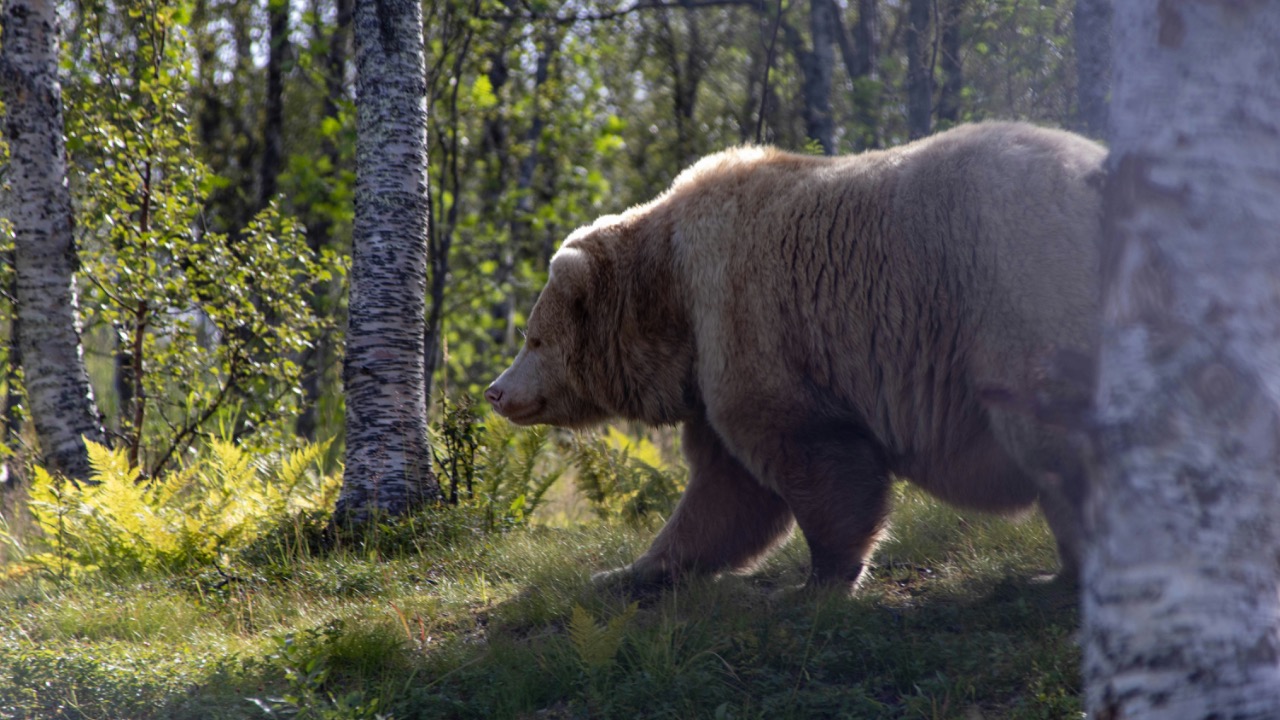
Among big game hunters and biologists, the benchmark for a truly massive brown bear has long been set in Alaska. The Alaskan brown bear is one of the largest subspecies of brown bear anywhere in the world, with mature males routinely outweighing their inland grizzly relatives. On Kodiak and in coastal Alaska, bears have access to rich salmon runs and marine food that let them reach sizes that seem almost prehistoric.
Record keepers describe how a large boar on Kodiak may weigh 1,500 pounds after feeding on coho salmon during fall, a benchmark that already exceeds what most people imagine when they picture a big bear. A 1,600-pound animal therefore sits beyond that typical upper range, at least on paper, and naturally draws attention from both hunters and scientists who study extreme outliers.
Separate reporting on historic giants supports the idea that an individual in the 1,600-pound class belongs among the heaviest brown bears ever documented. One widely cited account describes a Kodiak bear that reached 1,656 pounds, presented as The Largest Brown Bear Ever. That bear, identified as a Kodiak animal and associated with Jan and photographer Alexandra Giese of Shuttersto, anchors the very top of the known weight spectrum.
Placed alongside a 1,600-pound trophy, these reference points show that the new bear is not an outlandish claim in a vacuum but a specimen that appears to fit within the narrow band occupied by the most massive brown bears ever recorded. The difference of a few dozen pounds at this scale is less significant than the shared reality that all of these animals are extreme outliers within an already large species.
The Kodiak factor and Alaska’s geography of giants
Geography plays a central role in why such giants exist at all. Alaska’s Kodiak Island rests about 250 miles south of Anchorage and just below the mouth of Cook Inlet. Kodiak supports some of the densest populations of large brown bears on Earth, thanks to a combination of rich marine resources, salmon-filled rivers and relatively low hunting pressure in key areas.
Biologists who specialize in big carnivores emphasize that coastal brown bears are not just heavier versions of inland grizzlies. They occupy a different ecological niche, with access to calorie-dense food that allows males to grow through much of their lives. At the North American Bear Center, researchers note that males can weigh over 1,500 lbs after feeding heavily, and that a large male can stand over 10 feet tall on his hind legs and about 5 feet on all four legs.
Those figures line up with the historic world’s record Alaska brown bear, which was taken during a scientific expedition in 1952 for the benefit of the Los Angeles County institution described as the Los Angeles County Museum. That bear, collected on Kodiak, has long served as a reference for what the species can become in a rich coastal environment.
In that context, a 1,600-pound bear taken by a hunter is less an isolated curiosity and more a continuation of a pattern that is strongly associated with Alaska, Kodiak Island and similar coastal habitats where brown bears can feed almost continuously from spring through late fall.
How record books actually measure a “biggest” bear
To the public, weight is the most intuitive way to compare giant bears, but formal record books usually rely on more stable metrics. Boone and Crockett and similar organizations focus on skull measurements because carcass weight can be highly variable, depending on how long an animal has been dead, how it was weighed and whether the figure is estimated or measured.
One recent example involves Chris Cammack, whose Alaskan Brown Bear was promoted as a world record based on a skull measurement of 29 4/16 inches. That bear, guided by Cole Kramer of Adventure Mountain, was highlighted as a benchmark for what modern measurement standards look like.
In another case, a giant grizzly taken in Alaska was confirmed as a new record based on the same scoring system. The Boone and Crockett Club described how the hunter realized the significance of the bear only after seeing the official score, a reminder that body size in the field can be deceptive. The club’s own coverage of the new record grizzlyhighlights how a combination of skull length and width, not an estimated weight, determines where a bear stands historically.
Even when weights are cited, they are often estimates. For example, an Alaskan brown bear that became the subject of an internet hoax was said to weigh around 1,700 pounds, but official records clarified that the bear measured 10 feet 6 inches from head to toe and weighed an estimated figure rather than a precisely documented one. The North American Bear Center’s discussion of this Official record shows how easily exaggerated claims can circulate without careful context.
For the 1,600-pound bear now in the spotlight, the eventual ranking will likely depend less on the raw pound figure and more on how its skull scores against existing entries in established record systems.
Why weighing wild bears is so difficult
One reason weight-based records are tricky is that getting an accurate number from a wild bear is logistically and ethically challenging. Field biologists who work on projects like Fat Bear Week in Alaska’s national parks acknowledge that weighing wild bears is both invasive for the animals and time consuming for the rangers. In many cases, weights are estimated, not exact, and techniques such as photogrammetry and scans have been used in the past to approximate mass without physically restraining the animals, as described in an Arctic focus feature on the Fat Bear crown.
Another analysis of Fat Bear Week explains that the size and weight of wild bears has always been problematic to measure. You cannot just walk up to a bear with a tape measure and expect it to stand on a scale, so researchers rely on body dimensions, known growth curves and photographic comparisons to generate estimates. This approach, outlined in a You essay on bear size, shows why even scientific weight figures often carry a margin of uncertainty.
Hunters face similar challenges. In remote country, there may be no scale large enough or stable enough to weigh a bear that could exceed three quarters of a ton. Carcasses are often quartered in the field, and any weight that is later cited may involve some level of reconstruction or estimation. That does not mean such numbers are fabricated, but it does mean they should be viewed in light of the practical limits on field measurement.
Historic context: from museum specimens to modern trophies
The story of giant brown bears is not new. The world’s record Alaska brown bear from 1952, taken during a scientific expedition for the Los Angeles County Museum, reflects a time when collecting large specimens for display was considered a central part of natural history work. That bear’s skull and mounted hide became educational tools as well as trophies, and the expedition’s records helped define expectations for what an adult male could become in prime habitat.
Similar narratives appear in other species. A Facebook post about Fred Bear with his 1962 world record Alaskan brown bear recounts how Fred DePew Jr of Moscow once bagged a 162 pound bear shortly after season opened, a modest animal by Alaskan standards but still a memorable milestone for a 15 year old hunter. The reference to Fred, Jr of Moscow and the 162 pound figure shows how personal stories intersect with broader record keeping.
Modern hunters continue to chase extraordinary bears, often with archery equipment that adds another layer of difficulty. A widely viewed video of a world record brown bear taken with a bow features Bob Fromme arriving at Kodiak Island and encountering a giant brown bear that was at one time recognized by SCI, the record system used by the Safari Club International. The clip, which opens with the arrival at Kodiak Island in Apr, illustrates how record narratives now travel through social media as much as through formal club announcements.
In parallel, organizations such as Boone and Crockett maintain their own channels, including a Twitter account at Discovered and a Facebook presence at World Record Alaska Brown Bear, where they share scoring updates, conservation messaging and historical context for famous animals.
Comparing brown bears to other big bears
Brown bears occupy only one part of the broader bear size spectrum, and comparing them to other species helps clarify just how exceptional a 1,600-pound individual is. In North America, black bears rarely approach such mass. A Louisiana Black Bear Size Comparison discussion notes that They (500-pound black bears) are rare, but they (500-pound black bears) do exist, and that Few bears are actually weighed in the field. The 500-pound threshold is treated as an outlier for that species.
Grizzlies, which are technically inland brown bears, can grow larger than black bears but typically remain smaller than their coastal cousins. Recent coverage of a Wisconsin hunter who tagged what is now the Boone and Crockett record for the largest grizzly emphasizes how unusual it is for a Lower 48 hunter to encounter a bear that rivals Alaskan specimens. That story, written by Jordan Sillars Jun and involving a hunter from Wisconsin, situates the new record within Boone and Crockett’s Boone and Crockett scoring framework.
Educational content such as Giants of the North: The Biggest Brown Bears in History, a video released in Mar, explores how different subspecies and regions produce different size profiles. Coastal brown bears and Kodiak animals consistently dominate the top end of the scale, while European brown bears and many Asian populations tend to be smaller on average. The Mar video underscores that a 1,600-pound brown bear is not just big within its own species but enormous relative to almost any other bear that has ever lived.
Science, skepticism and the appeal of enormous animals
Whenever a new giant is announced, a mix of awe and skepticism follows. Scientists and experienced hunters alike have seen how quickly exaggerated numbers can spread, especially when a dramatic photograph circulates without context. The internet hoax case involving the estimated 1,700 pound Alaskan brown bear shows how official clarifications sometimes lag behind viral claims.

Leo’s been tracking game and tuning gear since he could stand upright. He’s sharp, driven, and knows how to keep things running when conditions turn.