Hunting guns that aren’t worth carrying all day
Every hunter eventually discovers that some rifles feel like anchors long before the sun is high. The difference between a tool that helps you move, glass, and shoot, and one that drags on your shoulder all day, often comes down to weight, balance, and how honestly you matched the gun to the hunt. I want to look squarely at the hunting guns that are not worth hauling from trailhead to tailgate, and what the reporting and real‑world experience say about avoiding that mistake.
The problem is not just discomfort. A rifle that is too heavy, too long, or too specialized for the terrain can cost you shots, sap your focus, and even turn a promising trip into a safety risk. By pulling together what guides, gear testers, and experienced hunters have learned, I will map out where big, “capable” rifles cross the line into liabilities and how to choose something you will still be glad to carry at last light.
When rifle weight crosses from asset to liability
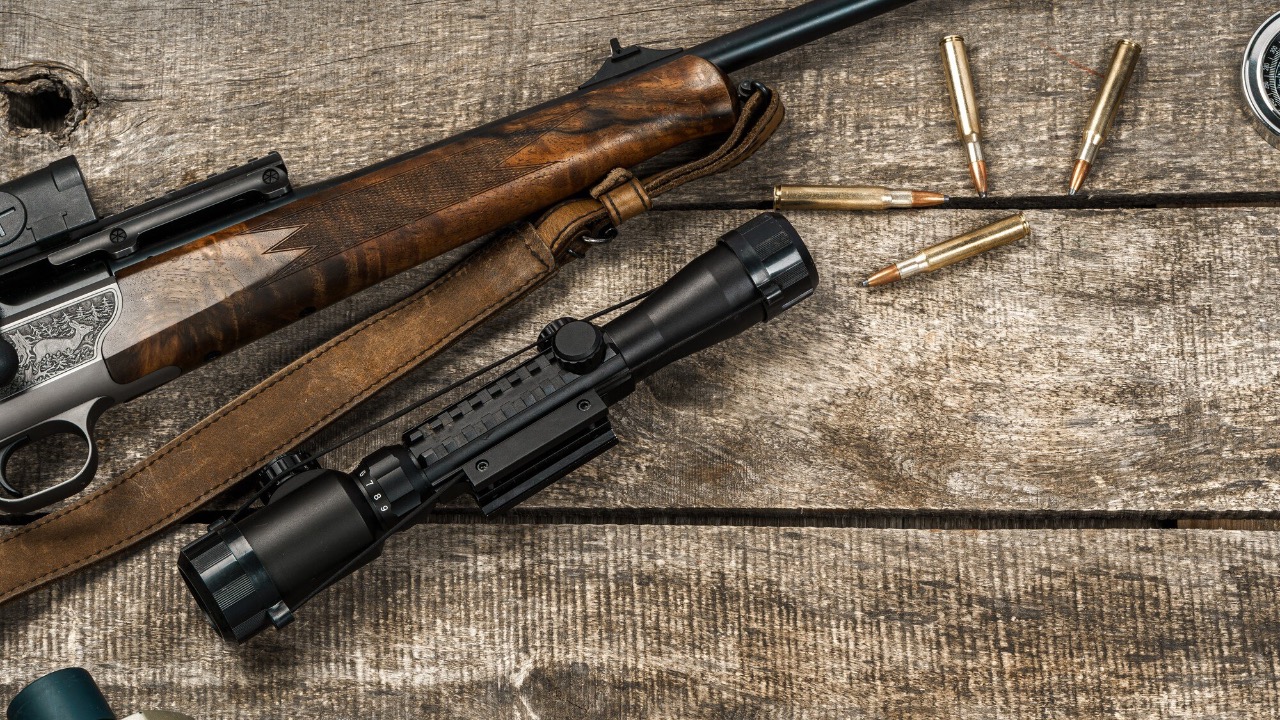
Weight can absolutely help a rifle settle on target, but there is a tipping point where extra pounds stop buying accuracy and start stealing opportunities. One detailed breakdown of hunting setups frames the whole debate around What the “ideal” weight really means once you leave the bench and step into steep country, contrasting LIGHT and HEAVY rifles on more than just a spec sheet. The argument is simple: a gun that feels rock solid on paper can be the same one you quietly start leaving in the truck when the hike looks serious.
That tradeoff shows up again in practical guidance that puts “Carrying and Maneuverability” at the center of the decision, stressing that Weight directly affects how you move through rugged terrain. A rifle that feels fine on a flat range can become a genuine liability when you are side‑hilling shale, crawling into a blind, or trying to shoulder the gun quickly in thick timber. When the gun slows you down, snags on brush, or leaves you too winded to hold steady, it has crossed that line from asset to liability.
Real‑world limits: how heavy is “too heavy” in the field
Hunters rarely agree on the perfect rifle, but they do start to converge on a ceiling for what they will actually haul all day. One long‑time backpack hunter who has spent Alaska for the past 32 years described “Eleven” pounds as about the maximum rifle weight he is willing to pack, and even then he frames it as a personal upper limit, not a recommendation. That kind of hard number, coming from someone who has lived with a rifle on his back in big country, is a useful reality check for anyone shopping with only a catalog in hand.
Other hunters draw the line even lower once they factor in full kit. In a discussion about long‑range field rifles, one backpacker who also camps in Texas described how, for him, anything above 35 lbs total “skin out” weight becomes too much, which leaves limited room for a heavy rifle once food, water, and other gear are counted. Another hunter talking about a Savage 10BA that weighs 13.5 pounds empty described carrying it in a shooting mat with backpack straps, an admission that the gun is so heavy it needs its own pack system. When a rifle demands that kind of workaround just to get it up the mountain, it is already flirting with “too heavy” for most hunts.
Average rifle weight and why “average” can still be too much
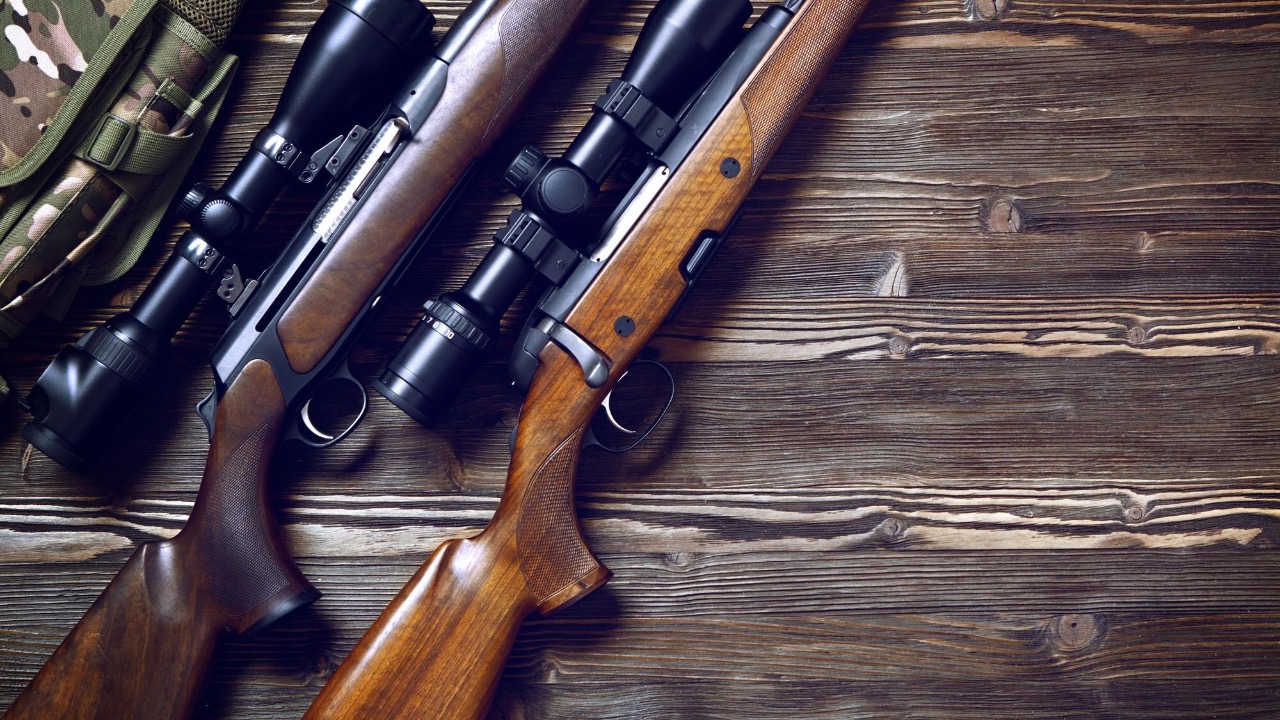
Even rifles that sit squarely in the middle of the market can feel like a burden once the miles add up. One widely cited gear guide notes that an average hunting rifle weighs about 9 pounds and warns that Carrying that much all day can be both annoying and exhausting. That is before you add a scope, sling, and a full magazine, which can easily push a “normal” setup into double‑digit territory on the scale.
At the same time, another overview of all‑around rifles points out that Weight can contribute to stability and accuracy, especially on longer shots, but adds a clear “However” that reminds hunters to weigh that against portability. The sweet spot is a rifle that is heavy enough to track smoothly and soak up recoil, yet light enough that you are not tempted to set it down when you should be ready. An “average” 9‑pound gun can be perfect in a stand and punishing on a 10‑mile still‑hunt, which is why context matters more than the catalog number.
Precision and PRS‑style rigs that do not belong on your shoulder all day
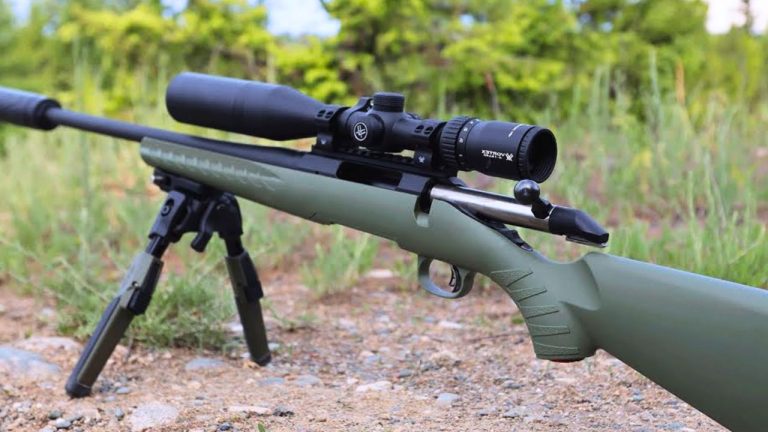
Precision rifles have surged in popularity, and it is easy to see why when you watch tiny groups stack up at 800 yards. The problem is that many of these platforms are built for matches, not mountains. One breakdown of competition‑inspired setups notes that PRS type rifles, even the lighter versions, are optimized for precision first, with heavy barrels, chassis stocks, and accessories that make them steady on barricades but cumbersome in brush. Those design choices are perfect for a timed stage and exactly what you do not want when you are trying to slip quietly through alders.
Hunters who have tried to force these rigs into the field often come back with the same verdict. One account of a friend who dragged a precision rifle into the woods reports that they quickly discovered such rifles are heavy and no fun to haul, and that the accuracy to weight trade‑off is not worth it for typical hunting, a point made bluntly in a discussion of precision rigs. When a gun is so specialized that you dread carrying it, the extra quarter‑inch of group size at 600 yards is academic compared with the shots you never get because you left it behind.
Long‑range “hunt” rifles that are really range rifles
Manufacturers have tried to bridge the gap with long‑range hunting models, but some of these hybrids still lean heavily toward the bench. One detailed look at “long‑legged” rifles describes how Browning accurizing treatments on the X‑Bolt Long Range Hunter, including bedding the front and rear of the action, produce impressive precision but also create a rifle that is clearly optimized for prone or supported shooting. The same piece notes that the The Ruger long‑range model really shines in a stand, blind, or prairie dog town, where mobility is not a factor and a Picatinney rail makes it easy to mount big optics.
Those are telling caveats. When a rifle’s “place to excel” is explicitly a static position, it is a sign that the platform is not meant to be slung over your shoulder for miles. Even some hunters who love long‑range shooting admit that certain rifles are simply too long and unwieldy to hike with. In one Feb discussion of field setups, a shooter suggested skipping a full custom and “just” going with a Bergara b14 Bergara HMR, while also conceding that some long rifles are unwieldy because they are so long. When the barrel length and stock design start dictating where you can hunt, the rifle has drifted away from being a practical all‑day companion.
Recoil, balance, and the myth that heavier is always easier to shoot
One reason hunters tolerate heavy rifles is the belief that more mass always makes them easier to shoot. There is truth in that, but only up to a point. A discussion about grip and forearm strength for recoil control highlights how How heavy the gun is, and how it is balanced, changes the way it recoils. Precision rifles tend to be very heavy with thick barrels to manage recoil, but the same analysis notes that hunters are less likely to carry them around for hours, which undercuts the whole point of a field rifle.
Experienced backcountry hunters also warn that chasing ultra‑light builds without thinking about recoil can backfire. One Rokslide contributor, labeled as an FNG with “Joined Feb” and “Messages” counts listed, argued that “Just” his opinion was that a lightweight rifle demands a lighter recoiling caliber. That is a reminder that balance matters more than raw weight. A rifle that is too heavy to carry or too light for its chambering both become guns you do not want to shoot, and either way they end up being poor choices for long days in the field.
When still‑hunting and tracking punish the wrong rifle choice
Some styles of hunting expose bad rifle choices faster than others, and tracking or still‑hunting in big timber is near the top of that list. Veteran trackers in the Big Woods emphasize “Dependability” as the first requirement, with one hunter, Mark Scheeren, stressing that every serious still‑hunter knows there are certain features a rifle must have to be trusted in that role. Weight and handling are baked into that dependability, because a gun that is slow to shoulder or exhausting to carry is more likely to be left behind or mishandled when a quick shot appears.
Those same hunters often favor compact, quick‑pointing rifles over long, heavy barrels that might print tiny groups at the range. A semi‑auto like a Browning BAR can make sense in that context, but only if it is configured to move easily through thick cover. When a rifle is so front‑heavy that it drags your muzzle down or so long that it constantly catches on branches, it stops being a tool for tracking and becomes a hindrance. In that environment, the guns that are not worth carrying all day are the ones that ignore the simple fact that still‑hunting is as much about how you move as how you shoot.
Budget, accessories, and how “value” rifles get too heavy
Price can quietly push hunters toward heavier guns. In a broad test of modern rifles, one reviewer who ran Best Hunting Rifles and evaluated 60 different models highlighted the CVA Cascade as a standout “Under” $600 option, noting that many people do not realize how much performance they can get at that price. The catch is that budget rifles often save money with heavier barrels and stocks, which can leave the buyer with a gun that shoots well but feels like a boat anchor by mid‑afternoon.
Accessories can quietly add even more weight. A guide for new gun owners points out that the basic gear list is intentionally simple and suitable for most people, with more specialized items like a custom fit concealed‑carry holster coming later as experience grows, a point made in a rundown of essential accessories. The same logic applies to hunting rifles: stacking on oversized scopes, bipods, rails, and heavy slings can quietly turn a reasonable rifle into one that is not worth carrying. A “value” setup only stays a value if it still lets you move and hunt effectively.
Practical rules of thumb for choosing a rifle you will actually carry
All of this points toward a few practical rules that can keep you from buying a rifle you will regret. First, be honest about how you hunt. If you spend most of your time in a stand or blind, a heavier, longer rifle like a Picatinney equipped long‑range model may be fine. If you hike hard, still‑hunt, or track, aim for a rifle that stays under that 9‑pound “average” once scoped and loaded, and be wary of anything that creeps toward the 11‑pound ceiling that seasoned backpack hunters cite as their personal max.
Second, pay attention to how the rifle feels in your hands, not just what the spec sheet says. In one Feb thread about long‑range hunting setups, a shooter weighing options between customs and factory rigs talked about mostly hiking with the gun and suggested that a Bergara b14 HMR might be a smarter compromise, while also noting that heavier rifles can be easier to shoot unsupported. That is the kind of nuanced thinking that keeps you from ending up with a gun that looks great on a forum but feels wrong on your shoulder. If a rifle demands a shooting mat with backpack straps, or pushes your total pack weight past your personal Sep limit, it is a sign to look for something you will still be glad to carry when the trail turns steep and the day runs long.

Leo’s been tracking game and tuning gear since he could stand upright. He’s sharp, driven, and knows how to keep things running when conditions turn.