Nebraska wildfire forces residents of one town to stay away from home
Residents of one small Nebraska town are facing an agonizing wait to learn when it will be safe to sleep in their own beds again. A fast-moving wildfire that erupted in central Nebraska has already forced evacuations, triggered a statewide emergency and left at least one community under orders not to return home, even as firefighters gain ground on some of the flames.
The fires have turned normally quiet farm country into an active disaster zone, with smoke columns, roadblocks and air tankers replacing the usual spring traffic. Although some evacuation orders have been lifted, officials are holding a hard line in places where hot spots still threaten homes, livestock and critical infrastructure.
How a rural wildfire turned into a regional emergency
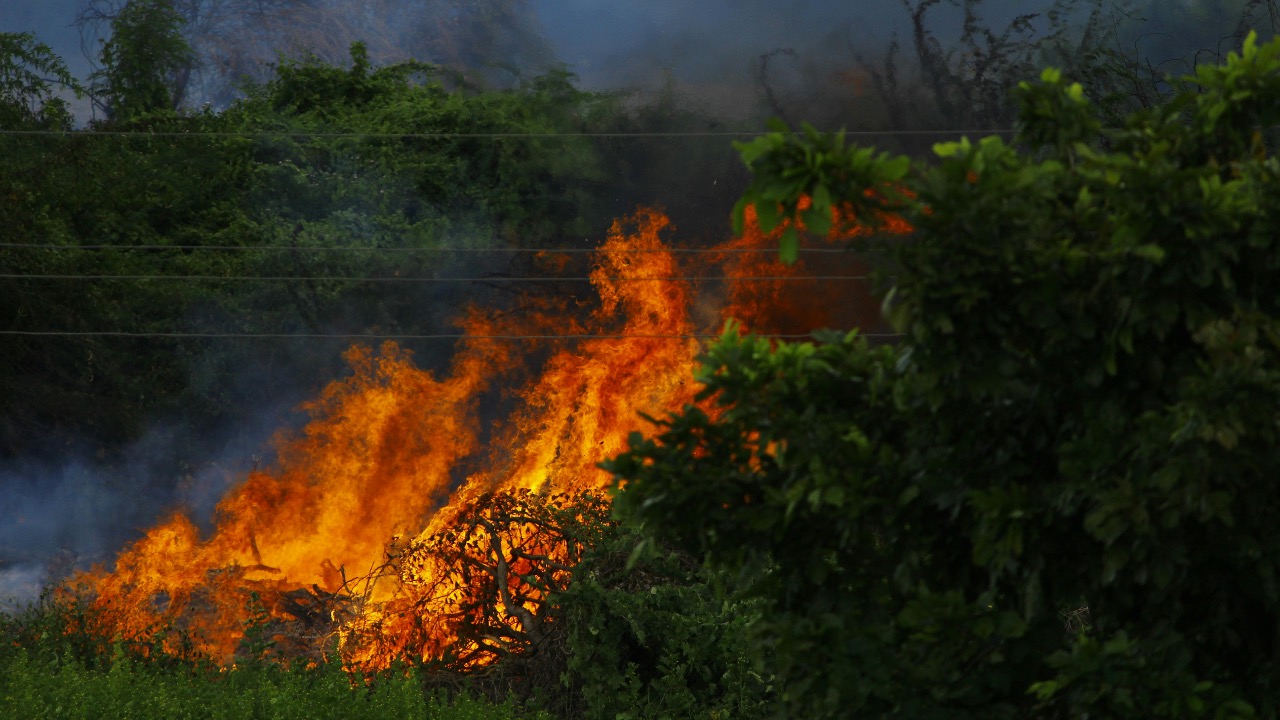
The latest crisis began when a wildfire ignited in dry grass and crop residue in central Nebraska and quickly spread under strong winds and low humidity. In Dawson County, the fire pushed toward the village of Farnam, Nebraska, a community surrounded by farm fields and pastures. Flames moved so fast that local officials had little choice but to issue an immediate evacuation order for everyone in town.
Emergency managers described a volatile situation, with four active fires visible on satellite imagery as orange hot spots scattered across the region. According to Dawson County authorities, the Farnam fire was only one part of a broader outbreak that also threatened rural homes and ranchland in far southwest Dawson County. The blaze grew large enough to jump roads and challenge containment lines, raising the risk for everyone in its path.
As the flames spread across multiple counties, Nebraska officials began to realize they were facing a statewide problem rather than a series of isolated grass fires. Reports of new ignitions kept coming in, and fire crews were stretched thin as they tried to protect homes, barns, grain bins and power lines. High winds turned embers into new spot fires, and dry fuels helped them catch quickly.
Farnam’s whiplash: from “get out now” to cautious return
For Farnam residents, the first shock came with the order to leave immediately as the wildfire approached. The directive was blunt. Residents of Farnam, were told to escape as a brush fire pushed toward the town, with officials warning that homes were at risk. The alert described the situation as an immediate threat and urged people not to delay.
Authorities stressed that “Citizens in Farnam” needed to leave while routes remained open and before smoke reduced visibility. The message made clear that staying behind to defend property would put lives in danger. Firefighters and law enforcement moved quickly to help those who needed transportation and to knock on doors in neighborhoods closest to the flames.
After a tense night, there was a partial reprieve. As crews gained control of the fire line, the evacuation order for Farnam was lifted and residents were told they could return home. Local reports described how the Farnam evacuation order was rolled back as the Dawson County wildfire moved toward containment. Roads reopened, and people began checking on homes, pets and livestock.
Even during that cautious homecoming, however, officials warned that the danger was not fully over. Hot spots remained in pastures and tree lines, and winds could still push embers into unburned areas. A civil emergency message from Dawson County Emergency Management, shared through a Civil Emergency Message bulletin, reminded residents in far southwest Dawson County to stay alert and follow local updates as they came in.
A separate town told not to come back
While Farnam residents were allowed to return, at least one other Nebraska town remained off limits. In the village of Eustis, local leaders told the entire community not to go home after evacuating from a separate wildfire. An alert described how an Entire Nebraska Town to stay away from home was being directed to a designated shelter, where officials would assist evacuees.
The guidance to avoid returning home came after initial evacuations that likely felt similar to Farnam’s experience. In Eustis, however, fire activity and lingering hazards convinced authorities that it was too risky to allow people back into town. That decision reflected concerns about active hot spots, damaged infrastructure and the possibility that winds could drive flames back toward residential areas.
The Eustis situation illustrated how quickly conditions can diverge between neighboring communities in a wildfire outbreak. While Farnam entered a phase of cautious recovery, Eustis residents were still living out of bags and waiting for word on when they might see their houses again. Local officials encouraged evacuees to use online forms labeled “Got story updates? Submit your updates here” so that people could share information and photos from the scene with a central hub.
Statewide scale: a surge of fires and a sweeping emergency
The wildfire near Farnam and the evacuation in Eustis occurred against a backdrop of widespread fire activity across Nebraska. According to state officials, there were 24 reports of in a 24 hour span, a figure that underscored how stretched local fire departments had become. High winds and dry fuels turned what might have been manageable grass fires into a coordinated crisis.
Nebraska Gov. Jim Pillen responded by declaring a State of Emergency in seven counties in response to the wildfires. The declaration covered areas where fires had already burned thousands of acres and where new ignitions remained possible. Officials said the outbreak began on March 12 and that at least 49,000 ACRES (about 75 square miles) had been affected, a scale that required state-level coordination for firefighting resources, air support and relief funds.
In a separate statement, Nebraska Governor Jim urged residents to send prayers for those affected and highlighted the scale of the damage. The emergency declaration unlocked state firefighting assets and allowed coordination through county emergency management agencies. It also opened the door for potential federal assistance if damage assessments meet certain thresholds.
Fire managers said the warning that preceded the fires was well founded. A regional outlook had highlighted the risk that strong winds, dry vegetation and low humidity would combine to create dangerous fire weather. That forecast proved accurate when Nebraska wildfires forced evacuations across multiple counties and disrupted daily life for those forced from their homes.
Ground conditions: why the fires spread so quickly
Several factors helped turn routine grass fires into a large-scale emergency. Dry conditions across central and western Nebraska left rangeland and crop stubble ready to burn. Strong winds, which are common across the plains in early spring, pushed flames across open fields and into shelterbelts, draws and creek bottoms where heavier fuels burn hotter and longer.
Satellite imagery showed multiple hot spots, confirming that the outbreak was not limited to a single ignition point. The four active fires identified in one set of images represented only a portion of the total incidents that local authorities were tracking. Each new start had the potential to pull firefighters away from existing fire lines, complicating containment efforts.
Video from the region showed long flame fronts racing through grass and brush, with smoke columns visible for miles. In some areas, flames reached fence lines and outbuildings on the edges of towns. Firefighters used engines, bulldozers and agricultural equipment to cut firebreaks and protect homes, but the combination of wind and dry fuel meant that embers could easily jump those lines.
Life in limbo for evacuees
For residents in the path of the fires, the experience has been a mix of adrenaline, fear and long stretches of waiting. People from Farnam described grabbing pets, medications and a few important documents before leaving town. Some evacuees stayed with relatives or friends in nearby communities, while others turned to shelters set up in schools and community centers.
Even after the evacuation order for Farnam was lifted, the emotional toll remained. A report from FARNAM, Nebdescribed how Residents of Farnam were told Thursday that they could return home, yet they were also warned to stay alert for flare ups and to avoid burned areas. The sense of relief at finding a house still standing was often tempered by the sight of blackened fields and damaged fences at the edge of town.
In Eustis, where the entire town was told to avoid returning home, the uncertainty has been even more intense. Families are relying on text messages, social media and occasional escorted visits to learn whether their homes are intact. Online tools that invite people to Submit your updates and share photos have become informal lifelines for those trying to piece together what is happening on the ground.
Livestock owners have faced their own set of challenges. Some ranchers were forced to cut fences to allow cattle to escape advancing flames, while others moved animals to temporary pastures or sale barns. The loss of grazing land and fence lines will create lingering financial pressure long after the smoke clears.
How officials are coordinating the response
With so many fires burning at once, coordination between local, county and state agencies has been essential. Dawson County Emergency Management has been at the center of the response around Farnam, issuing alerts, coordinating evacuations and working with the National Weather Service to share fire weather updates through bulletins like the EAS ACTIVATION REQUESTED Civil Emergency Message.
At the state level, the emergency declaration has allowed Nebraska Gov. Jim Pillen to mobilize additional firefighting resources, including incident management teams and support from neighboring jurisdictions. The high winds that fueled the fires have also limited the use of aircraft at times, making ground crews even more important.
Weather offices have played a key role by issuing fire weather watches and red flag warnings, along with detailed briefings on wind shifts and humidity changes. One alert described an extremely rare warning for the area, a sign of how unusual the combination of conditions has been. Forecasters at the North Platte office have been in close contact with local emergency managers to ensure that changing conditions reach decision makers quickly.
Other communities on edge
While Farnam and Eustis have drawn much of the attention, they are not the only communities affected. In Lincoln County near Jeffrey Lake, residents were ordered to evacuate as another wildfire prompted new road closures and firefighting operations. Local coverage described how Jeffrey Lake residents were told to leave even as some fires elsewhere in the state moved toward control.
Other reports highlighted firefighting efforts near Halsey, Dunning, Brady, Lewellen, Gothenburg and additional small towns scattered across central and western Nebraska. In several of these places, residents watched smoke columns from a distance and prepared go bags in case the wind shifted and evacuation orders expanded.
Statewide, large wildfires have burned thousands of acres across Nebraska, according to large wildfires coverage that tracks the outbreak. Those fires have threatened not only homes and ranches but also power lines, highways and communications infrastructure that link rural communities.

Leo’s been tracking game and tuning gear since he could stand upright. He’s sharp, driven, and knows how to keep things running when conditions turn.