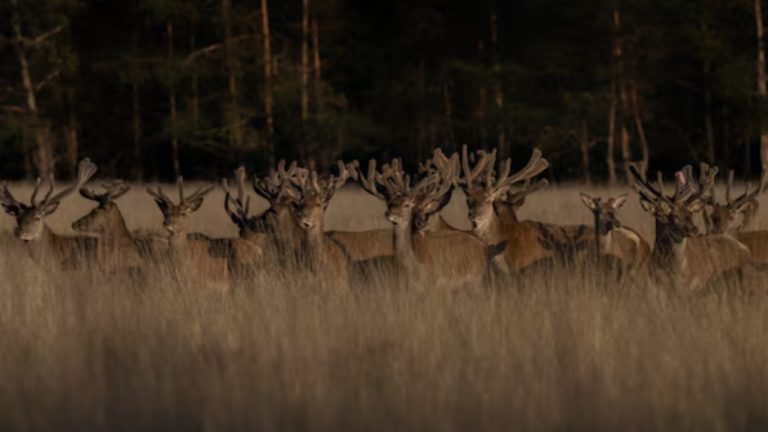
Game wardens break up major trophy deer poaching operation in Wisconsin
Game wardens in Wisconsin have exposed a disturbing trophy deer poaching operation that stretched across multiple counties, involved both adults and teenagers, and left a trail of headless carcasses and graphic videos. The case has become a flashpoint in a state where legal deer hunting is deeply woven into culture, forcing a hard look at what happens when the pursuit of antlers crosses the line into cruelty and crime.
The investigation pulled together conservation wardens, sheriff’s deputies and community tips to track a 36-year-old woman and three 16-year-old boys from Campbellport, along with other suspects, who are accused of killing deer at night, decapitating animals for their heads and filming suffering wildlife for social media. Fallout now reaches from Fond du Lac County courtrooms to new complaints in Manitowoc County and Waupaca County, reshaping how Wisconsin thinks about poaching, youth offenders and the role of the public in stopping wildlife abuse.
The night hunts that exposed a trophy scheme
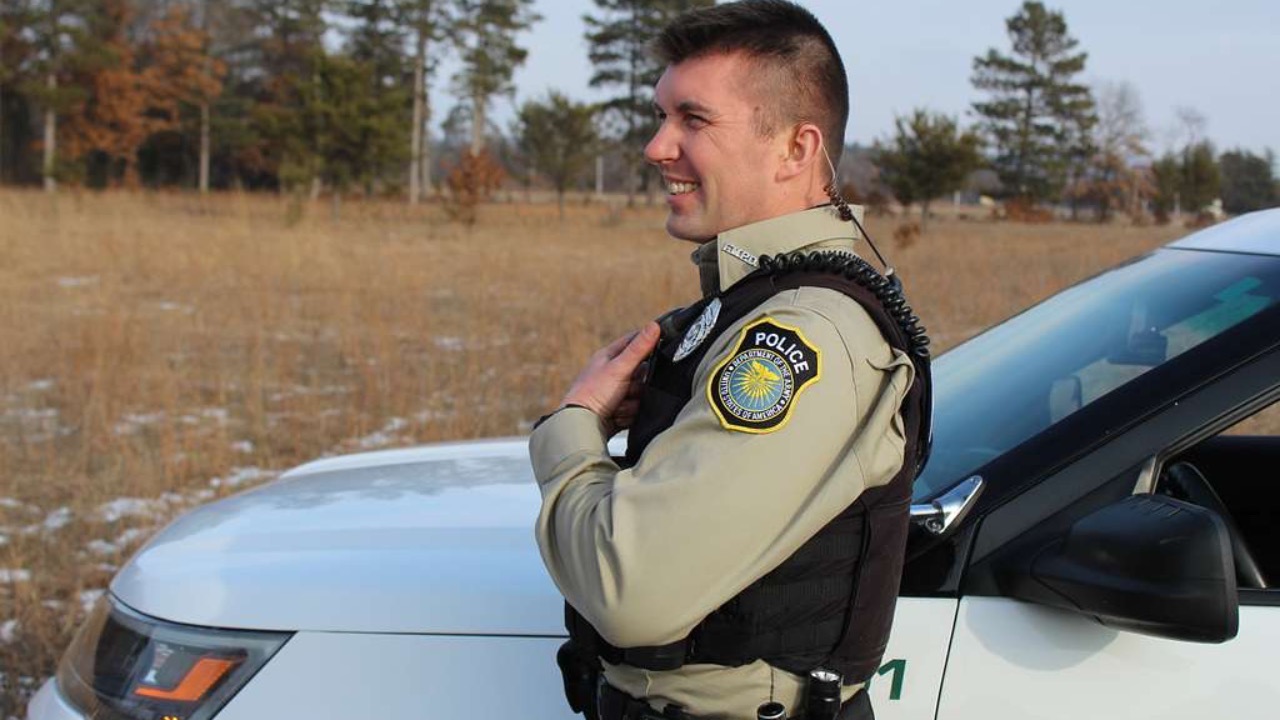
The core of the case centers on a multi-county operation where game wardens and deputies say deer were hunted illegally at night, often with spotlights, then decapitated so the heads could be kept as trophies. In Fond du Lac County, investigators described suspects driving rural roads after dark, shining fields and shooting from vehicles, a pattern that Sheriff Ryan F. Waldschmidt later detailed publicly when his office announced that his team had uncovered a “horrific” deer poaching scheme with the help of Sheriff Ryan and state conservation wardens.
Investigators say the operation was not a one-off incident but a pattern that unfolded over weeks in Fond du Lac, Washington and Dodge counties. A 36-year-old woman from Campbellport was identified as a central adult suspect, along with three 16-year-old boys, also from Campbellport, who were accused of joining the nighttime hunts and helping transport and dispose of carcasses. Video evidence and photos collected by wardens showed severed deer heads, carcasses left in fields and animals that appeared to have been shot only for their antlers, according to materials later released by the Severed deer heads investigation.
One of the most disturbing clips, described in charging documents, showed suspects holding a deer that was still alive but clearly suffering while walking around inside a building. That video, cited in a detailed report on the case, illustrated how the animals were not only killed illegally but also tormented. According to that report, One of the the videos showed the deer being held and harassed prior to release, which prosecutors say goes far beyond typical poaching into outright torture.
From Campbellport suspects to county courtrooms
The investigation quickly moved from fieldwork to the courts. In a video briefing on the case, officials explained that a 36-year-old woman and three 16-year-old boys from Campbellport had been identified, questioned and referred for a long list of charges connected to the deer poaching investigation. The briefing, which outlined the scope of the case, described how the adult suspect allegedly organized or encouraged many of the hunts, while the teenagers joined in and filmed some of the incidents for social media, as laid out in the Wisconsin deer-poaching scheme coverage.
Prosecutors in Washington County later confirmed that a woman tied to the case, identified as living in Washington County and formerly of Campbellsport, had entered guilty pleas in connection with the wildlife poaching. In that proceeding, she admitted to two misdemeanor counts related to the illegal taking and treatment of wildlife, with sentencing scheduled for a later date, according to WASHINGTON COUNTY, Wis court coverage.
Another account from Washington County described how Kroening, formerly of Campbellsport and now residing in West Bend, pleaded guilty to a pair of misdemeanor counts connected to the same broader case. That report stated that Kroening, who had been charged after images and videos from the poaching operation emerged, admitted to conduct involving the illegal taking of deer and the mistreatment of wildlife, confirming that she had moved from Campbellsport and Campbellsport and West Bend by the time of her plea.
Graphic evidence and a sheriff’s outrage
As evidence became public, the scale and cruelty of the operation came into sharper focus. Newly released photos showed decapitated deer, carcasses left to rot in fields and heads stacked in ways that suggested the animals were valued only for antlers and skulls. The Wisconsin Department of Natural Resources, which coordinated much of the investigation, compiled dozens of images that documented the aftermath of the hunts, including multiple deer that had been shot, left where they fell and later found by wardens following up on tips, according to New Details and in the Wisconsin Deer Poaching, Torture Case coverage.
Fond du Lac County Sheriff Ryan F. Waldschmidt did not hide his anger when he spoke about the case. In a detailed briefing, he described the spree as “horrific” and “senseless,” and he emphasized that the suspects appeared to be motivated by thrill and trophy photos rather than food or any traditional hunting purpose. He explained that the criminal activity took place primarily at night, with suspects using spotlights to locate deer and firing from vehicles, behavior that he said posed risks not only to wildlife but also to residents who live along those rural roads. His comments were carried in a video where the Fondelac County Sheriff Office addressed the community.
For many lawful hunters, the images and the sheriff’s description cut especially deep. Legal deer hunting in Wisconsin is governed by strict seasons, bag limits and weapon rules, and it is presented as a form of conservation that helps manage herd sizes and supports local economies. By contrast, the suspects in this case are accused of ignoring seasons, shooting from vehicles at night and targeting deer solely for heads and social media content. That contrast, highlighted by the graphic photos and videos, helps explain why the case has generated such strong reactions across the state.
Headless deer in Manitowoc County raise new alarms
Even as the Fond du Lac and Washington County cases moved into the courts, new reports from Manitowoc County suggested that similar behavior might be continuing elsewhere. Earlier this year, the Wisconsin DNR opened an investigation after multiple headless deer were discovered in Manitowoc County, including Four deer found in a dumpster at the Reedsville Sports Cl. According to local coverage, the animals had been decapitated and their bodies discarded, raising concerns that someone was again taking only trophy parts and dumping the rest, as described in the DNR investigating report on Manitowoc County.
Television coverage of the Manitowoc County case warned viewers about graphic images before showing footage of the headless carcasses and the dumpster behind the Reedsville Sports Cl. Reporters explained that residents had reported the dumped deer and that wardens were asking anyone who had seen suspicious vehicles or heard shots in the area to come forward. A separate video segment on the same case reiterated that the investigation was ongoing and that the DNR was treating the discovery of multiple headless deer as a serious poaching concern, as seen in the Multiple headless deer coverage.
Investigators have not publicly linked the Manitowoc County incidents to the Fond du Lac and Washington County cases, and any direct connection remains unverified based on available sources. Still, the pattern of decapitated deer and discarded carcasses has fueled public anxiety that trophy-driven poaching may be more widespread than previously understood, especially in rural areas where late-night gunshots can easily be missed or dismissed.
Youth involvement and a troubling trend
One of the most striking aspects of the Fond du Lac case is the involvement of three 16-year-old boys from Campbellport. According to investigators, the teenagers joined the 36-year-old woman on nighttime hunts, helped retrieve and move carcasses, and appeared in some of the videos that showed deer being tormented. Their presence has raised questions about how youth are being introduced to hunting and what happens when social media and peer pressure collide with access to firearms and vehicles, as described in the Campbellport case briefing.
Concerns about youth poaching are not limited to this one operation. In Waupaca and Portage Counties, law enforcement recently charged several teenagers in a separate case that involved shining and poaching deer and raccoons. According to a detailed report, Teens were accused of driving rural roads at night, using lights to freeze animals and firing from vehicles, similar to some of the tactics described in the Fond du Lac investigation. That report explained that the case came together after a witness provided a partial license plate number, which allowed officers to track down the suspects in Teens charged with shining and poaching.
Another account from WAUPACA described how Three young men were charged after what was described as Blasting at deer and raccoons with a pistol along rural roads and near a creek. That report stated that the suspects had driven around shooting at wildlife, leaving carcasses and wounded animals behind, and that charges were filed after conservation wardens and deputies pieced together witness statements and physical evidence. The story, which was Posted Wednesday and written By James Card, highlighted how WAUPACA authorities viewed the spree as part of a broader problem with youth disrespect for wildlife, as detailed in the Blasting report that noted Three suspects.
Television coverage from another outlet echoed those concerns, reporting that Three suspects had been charged with illegal deer hunting in Waupaca County after officers found animals shot and left in a ditch off Peterson Road. That segment explained that officers linked the suspects to the scene and that the case fit a pattern of youth using vehicles and lights to target wildlife at night in Three charged with illegal deer hunting in Waupaca County coverage.
How wardens built the case
The unraveling of the Fond du Lac, Washington and Dodge County operation did not happen by accident. Conservation wardens and sheriff’s deputies spent months gathering tips, reviewing social media, checking carcass dumps and interviewing potential witnesses. Many of the most damning images and videos surfaced after investigators obtained search warrants and seized phones and storage devices linked to the suspects. Those materials showed not only dead deer but also the process of shining fields, shooting from vehicles and posing with antlers and heads, as described in the Wisconsin Department of evidence summary.
In Fond du Lac County, Sheriff Ryan F. Waldschmidt said that his “best summation” of the case was that it involved thrill-seeking, cruelty and a disregard for both law and ethics. He credited residents who came forward with information, including people who had seen suspicious vehicles at night or who had stumbled on carcasses in fields. His office had earlier asked the public for help through social media and local news, and the response generated leads that eventually guided wardens to the suspects, as referenced in the Office briefing by Wisconsin DNR and the sheriff.
The DNR’s role in the investigation also highlighted the importance of its tip line and hotline system. The agency encourages anyone who sees or suspects poaching to contact its wardens directly, either by phone or online, and it maintains a dedicated hotline for reporting environmental and wildlife violations. Information about that system is available through the DNR’s own contact pages, including the Hotline information that explains how to reach conservation wardens quickly.
Legal consequences and community reaction
As charges have moved forward, the legal consequences for the suspects have begun to come into focus. In Washington County, the woman identified in coverage as living in Washington County and formerly of Campbellsport pleaded guilty to two misdemeanor counts tied to the poaching case. According to court reports, she faces sentencing that could include fines, probation, hunting license revocation and potential jail time, as explained in the CBS coverage of the Washington County plea.
For the three 16-year-old boys from Campbellport, the path is more complex, since juvenile cases involve different procedures and potential outcomes than adult prosecutions. Reports indicate that they faced multiple counts related to illegal hunting, animal mistreatment and resisting a conservation warden, and that their cases would likely involve some combination of supervision, restitution and restrictions on hunting privileges. The exact outcomes of those juvenile cases are not fully detailed in the available sources, and some information remains sealed, but the charges themselves signal that authorities are prepared to hold youth accountable when poaching crosses into cruelty, as described in the multi-county deer poaching investigation summary.
Community reaction has been intense. Many residents in Fond du Lac County, Washington County and Dodge County have expressed outrage at the cruelty shown in the videos and photos, and some have called for tougher penalties for wildlife crimes that involve torture or trophy-only killing. Legal hunters have been particularly vocal, arguing that cases like this tarnish the reputation of ethical hunters who follow seasons, respect bag limits and use the meat they harvest. They have also pointed out that poaching can undermine herd management, since illegal killing is not factored into the DNR’s population models and harvest quotas.
On social media, images from the case have circulated widely, often accompanied by calls to report any suspected poaching and to support conservation wardens. The DNR’s own outreach has emphasized that every tip helps and that even partial information, such as a license plate fragment or a description of a vehicle, can be enough to start an investigation, a point illustrated clearly in the partial license plate case in Waupaca and Portage Counties.
Social media, trophy culture and the line between hunting and abuse
Beyond the immediate legal fallout, the Wisconsin cases have sparked a broader conversation about how social media and trophy culture may be influencing some hunters and non-hunters alike. In the Fond du Lac case, investigators say suspects filmed themselves shining, shooting and handling wounded deer, then shared or stored those clips as if they were entertainment. The video that showed a deer still alive but clearly suffering as suspects walked around inside a building is a stark example of how the desire for shocking content can override any sense of respect for an animal, as described in the Deer poaching investigation report.

Asher was raised in the woods and on the water, and it shows. He’s logged more hours behind a rifle and under a heavy pack than most men twice his age.