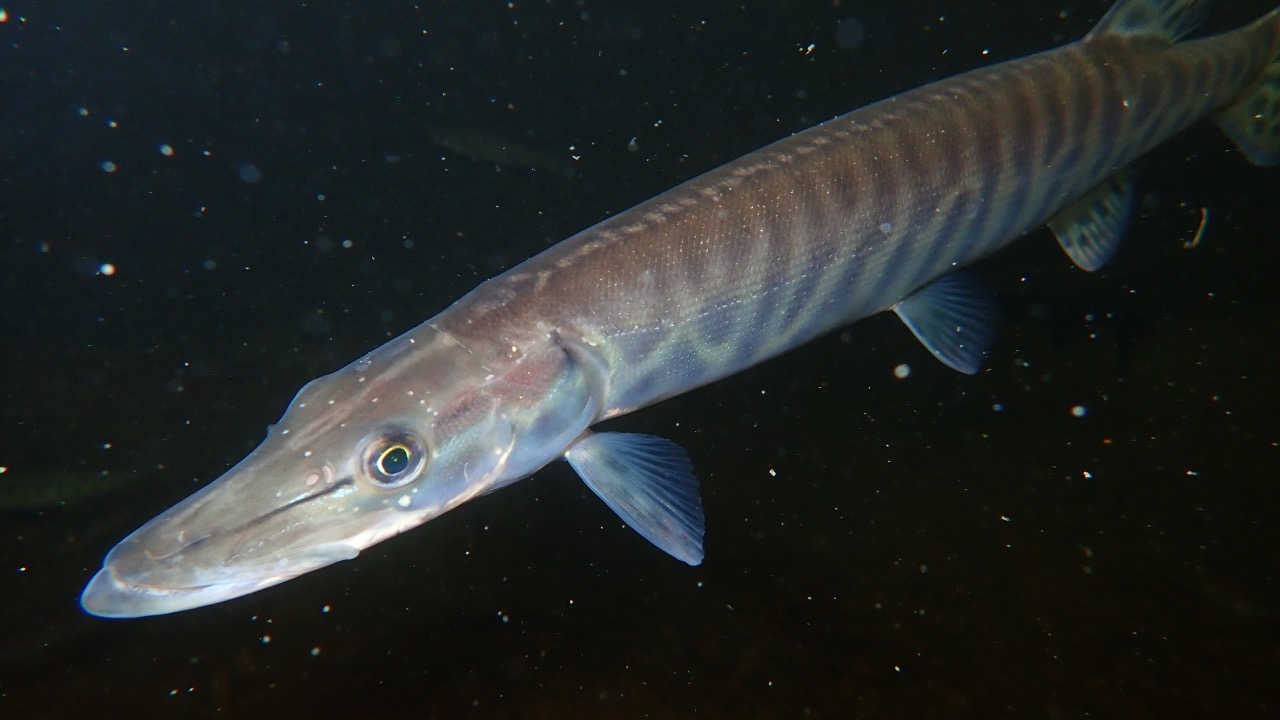
8 fish species that still challenge anglers across America
Across the United States, a handful of fish species still humble even seasoned anglers. Each combines power, wariness, and unforgiving habitats that punish small mistakes. From freshwater predators to offshore giants, these eight species consistently turn simple casts into long odds, keeping guides booked, gear companies innovating, and ambitious anglers chasing the next near impossible catch.
1. Muskellunge
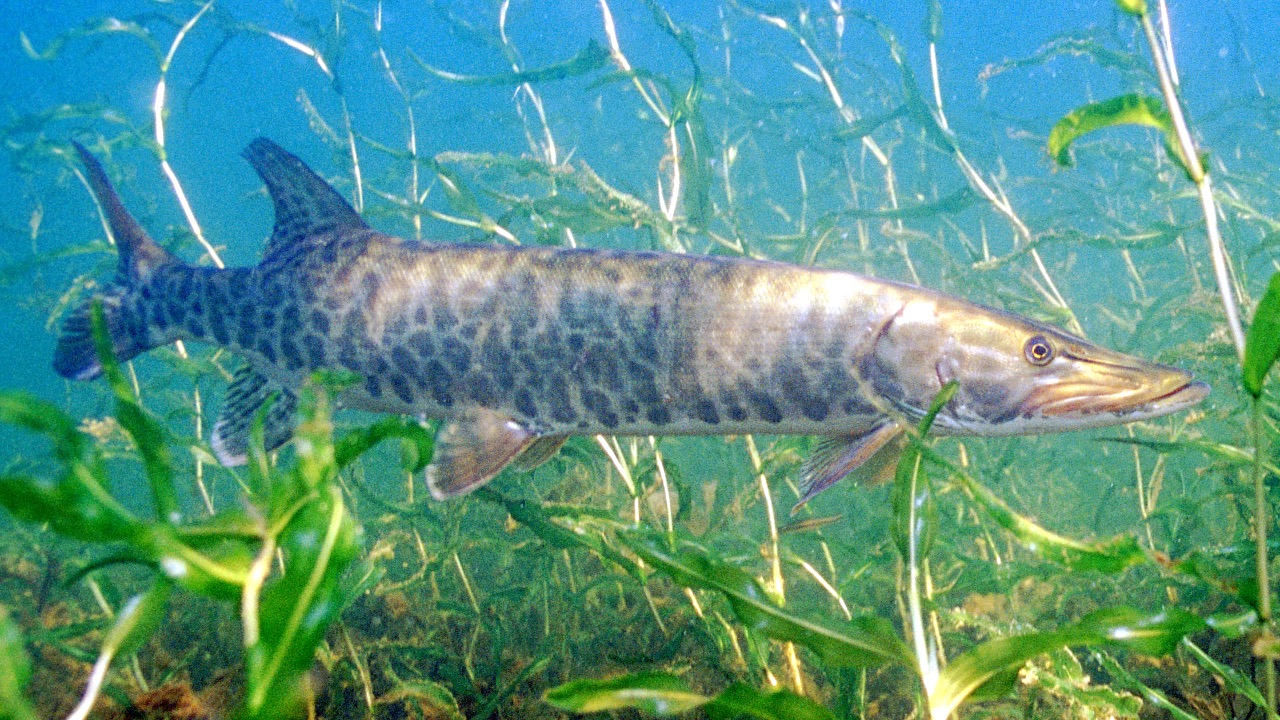
Muskellunge, often called the fish of ten thousand casts, are legendary for low catch rates and explosive strikes. Their long, torpedo shaped bodies and sharp teeth let them ambush prey in clear northern lakes where they see plenty of lures without biting. Anglers who target Muskellunge (Muskie) often invest in heavy tackle, oversized baits, and long days with no action.
Guides describe big Muskellunge as apex predators that follow lures to the boat before turning away at the last second. That behavior forces precise figure eight maneuvers and constant focus. Once hooked, a muskie’s violent head shakes and short, blistering runs can destroy gear or throw hooks, which keeps the species at the center of debates about the Nastiest and Hardest Fish to Catch on the Planet.
2. White Sturgeon
White Sturgeon are among North America’s largest freshwater fish, with reports of individuals stretching longer than many river boats. Their sheer mass and slow, powerful runs make them a test of strength and patience. Anglers who hook a White Sturgeon often battle for extended periods, sometimes drifting long distances before the fish finally tires enough to be brought alongside.
Freshwater specialists describe White Sturgeon as a bulldogging and zigzagging monster that can tow heavy boats in strong current. Native stories referenced by researchers portray sturgeon and Other giant fish as powerful beings that teach water magic, which reflects the respect these fish still command. Modern regulations and catch and release ethics add another layer of responsibility for anglers who finally connect with one.
3. Steelhead
Steelhead, the sea run form of rainbow trout, are famous for acrobatic fights and unpredictable migrations. Anglers may swing flies or drift lures through seemingly perfect water for hours before a single grab. Once hooked, Steelhead often rocket into the air and tear downstream, using current and boulders to break leaders or straighten hooks.
Writers who rank The Hardest Fighting Freshwater Fish in North America consistently place Steelhead near the top because their strength is paired with fickle river conditions. Shifting flows, cold fronts, and subtle changes in water color can shut down the bite entirely. That combination of physical power and environmental complexity keeps steelhead rivers crowded with anglers who accept that even perfect technique often ends in a single brief hook up.
4. Permit
Permit are shallow water saltwater fish that patrol tropical flats with uncanny wariness. Their large eyes and compressed bodies help them spot predators and anglers alike, which makes close range presentations extremely difficult. Guides emphasize that a single poor cast at a feeding Permit can spook the entire school, ending the opportunity before a fly or crab reaches the strike zone.
Anglers who chase Permit describe long stretches of poling across clear flats with no shots at all, followed by seconds to judge wind, current, and fish direction. Even when a permit eats, its first blistering run can shred light leaders on coral or mangrove roots. That blend of technical casting and unforgiving terrain keeps permit at the center of conversations about the Five Most Challenging Freshwater Fish in North America, despite their saltwater home.
5. Tarpon
Tarpon, often called silver kings, combine prehistoric size with aerial acrobatics that test every weak point in an angler’s setup. Fish over 100 pounds are common in famous migration corridors, and their bony mouths make solid hook sets rare. Guides stress that Hooking a Tarpon requires patience and precise timing, since striking too early or too late usually pulls the fly or lure free.
Once connected, a big Tarpon often leaps repeatedly, shaking its head in mid air while peeling line at high speed. Offshore guides list Tarpon alongside Bluefin Tuna when they describe Fish Every Offshore Angler Should Catch, precisely because these fish expose any flaws in knots, drag settings, or boat handling. For coastal economies, reliable tarpon migrations support charter fleets and seasonal tourism built around a single spectacular species.
6. Bluefin Tuna
Bluefin Tuna are among the largest and most powerful pelagic fish, with adults capable of crossing oceans and diving deep in search of bait. Their dense, muscular bodies and high stamina turn every fight into a marathon. Guides who specialize in Fishing for Bluefin rely on heavy tackle, meticulous chumming, and sonar to even locate these fast moving schools.
Experienced captains describe Bluefin Tuna as a test of endurance like no other, where battles can last hours and push anglers to physical exhaustion. Their value in global seafood markets adds pressure on management agencies to balance harvest with conservation. Recreational fisheries that target trophy class bluefin have become important economic drivers, yet they also depend on strict quotas and international cooperation to keep stocks healthy.
7. Flathead Catfish
Flathead Catfish are heavyweight freshwater predators that feed primarily at night and near the bottom. Biologists describe them as Primarily a nocturnal predator that rarely eats dead or decaying matter, which makes traditional baits less effective. Anglers who target Smaller flatheads often rely on live bait and precise placement around cover where strikes are violent but infrequent.
Reports on tough freshwater targets note that Flathead Catfish Flathead catfish are very tough to catch with a rod and reel because they do most of their feeding in heavy cover. Once hooked, their broad heads and powerful tails let them dig into structure and break lines. That difficulty has fueled niche tactics such as hand grabbing, which raises separate debates about safety, ethics, and long term impacts on trophy size fish.
8. Smallmouth Bass
Smallmouth Bass may be smaller than many species on this list, yet they are widely regarded as pound for pound fighters that never quit. Angling surveys that rank Fish with the Most Exciting Fight often highlight Smallmouth Bass for their repeated jumps and stubborn runs. Even modest river fish can use current and rocks to snap light line or wrap anglers around submerged logs.
Debates about the hardest fighting freshwater fish often include online polls where options such as Common Carp and Other categories attract dozens of votes, yet bass remain central to The Most Popular Game Fish in the U.S. According to the National Survey of. For guides and tackle makers, that popularity means constant demand for new lures and techniques that keep pace with increasingly pressured fish.

Asher was raised in the woods and on the water, and it shows. He’s logged more hours behind a rifle and under a heavy pack than most men twice his age.