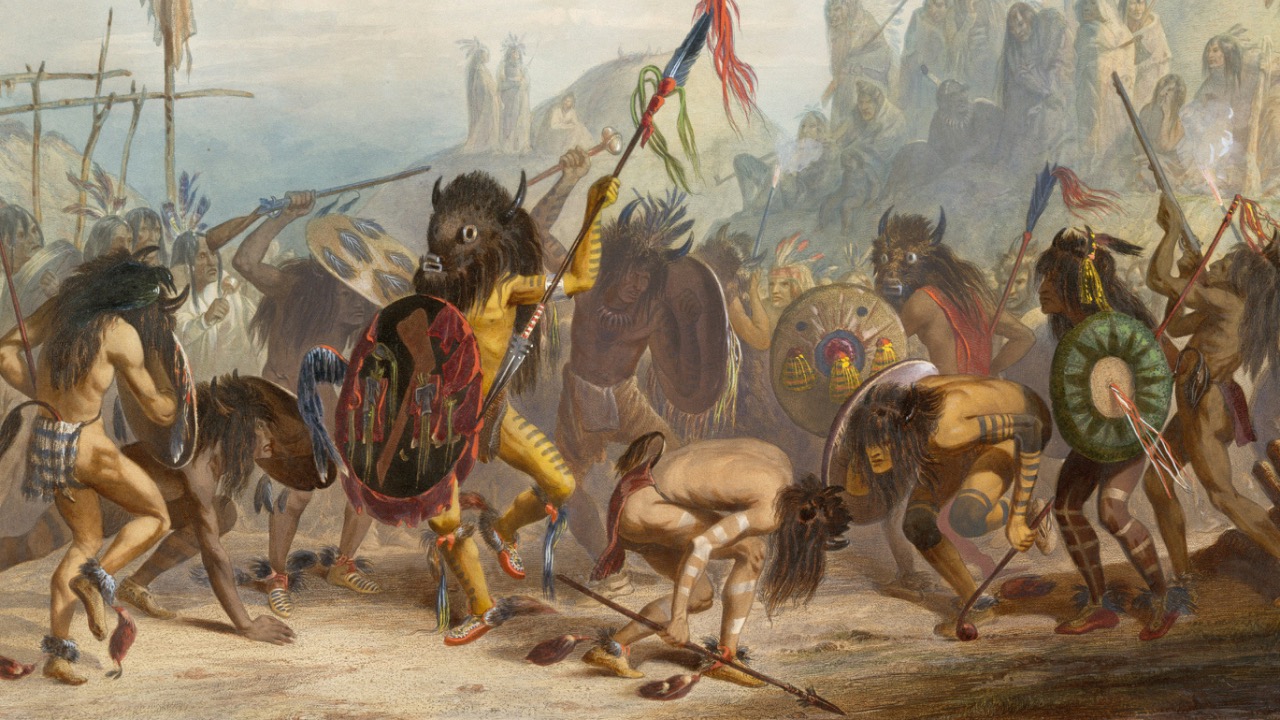
Vikings dominate pop culture, but some Native American tribes built equally fearsome reputations
Pop culture has done a thorough job turning Norse raiders into household names. From the sagas to modern television, Vikings are framed as the standard for early warrior societies. But if you spend time digging into North American history, you quickly realize plenty of Native nations built reputations every bit as formidable.
You won’t find as many streaming series about them, but their records are there—documented by rivals, military officers, traders, and their own oral histories. These were societies that mastered harsh landscapes, adapted quickly to new weapons and horses, and forced empires to rethink strategy. If you measure them by endurance, battlefield skill, and territorial control, they stand shoulder to shoulder with any seafaring raider from Scandinavia.
Comanche
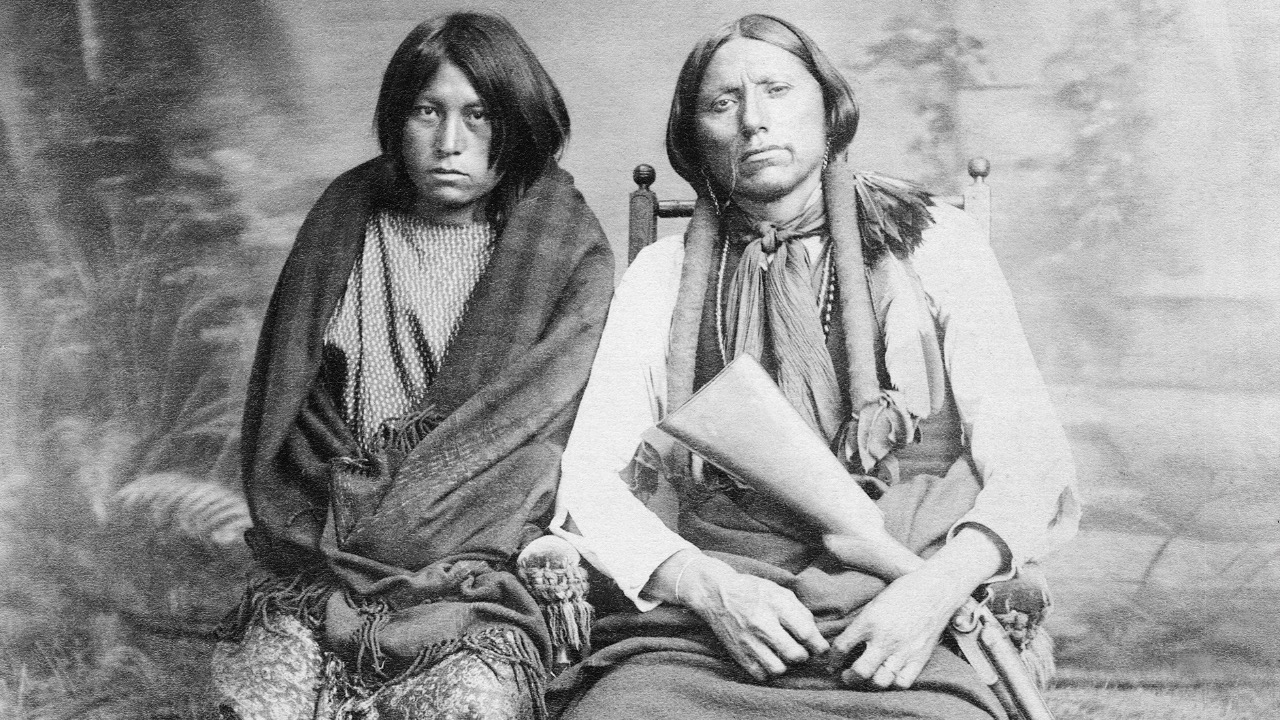
When you look at mounted warfare in North America, the Comanche set the standard. After acquiring horses in the 18th century, they reshaped the southern Plains into what historians call Comancheria. You weren’t traveling through that region without their permission. Spanish, Mexican, and later American forces all learned that the hard way.
You’re talking about fighters who could shoot accurately at full gallop, strike deep into enemy territory, and disappear into open country that outsiders barely understood. For decades, they stalled colonial expansion across Texas and northern Mexico. It took sustained military campaigns, disease, and the destruction of the buffalo herds to finally break their power. That kind of staying power earns respect.
Lakota Sioux
The Lakota Sioux didn’t build their reputation on myth. They built it on victories that reshaped the northern Plains. By the mid-19th century, they had pushed westward, dominated key hunting grounds, and developed a mobile fighting force built around horsemanship and coordinated war parties.
When you look at the 1876 defeat of Lt. Col. George Custer at the Battle of the Little Bighorn, you see what unified Lakota, Northern Cheyenne, and Arapaho fighters could accomplish. That wasn’t luck. It was tactical awareness, numbers, and leaders like Crazy Horse and Sitting Bull who understood terrain and timing. For a moment, they halted U.S. expansion cold. Few warrior societies can claim a battlefield victory that decisive.
Apache
If you measure toughness by endurance in brutal country, the Apache stand out. Operating across the deserts and mountains of the Southwest, they developed a style of warfare built on speed, ambush, and deep knowledge of terrain. You weren’t catching them unless they wanted to be caught.
Leaders like Geronimo resisted both Mexican and U.S. forces for years, slipping through landscapes outsiders found punishing. Small bands could tie up large military units because they knew every canyon and water source. Campaigning against them drained money, manpower, and morale. When you read military reports from the period, frustration is a common theme. That doesn’t happen unless you’re facing a capable, disciplined opponent.
Haudenosaunee (Iroquois Confederacy)
Long before the United States formed, the Haudenosaunee—often called the Iroquois Confederacy—had built a political and military alliance that dominated much of the Northeast. Their strength wasn’t only in combat skill but in organization. Several nations united under a shared council, which allowed coordinated campaigns and long-term strategy.
During the 17th-century Beaver Wars, they expanded influence through warfare and diplomacy, reshaping trade networks tied to European powers. French, Dutch, and English officials all had to negotiate carefully with them. You’re looking at a confederacy that understood alliances, supply, and timing as well as any European rival. That combination of political structure and military reach gave them a reputation that echoed across the continent.
Blackfoot Confederacy
On the northern Plains, the Blackfoot Confederacy controlled vast territory stretching across what is now Montana and Alberta. They were fierce defenders of their hunting grounds and trade routes, and they didn’t hesitate to confront encroachment.
You see their effectiveness in how long they maintained dominance despite pressure from rival tribes and expanding fur trade interests. Their warriors were skilled horsemen, and their confederated structure allowed for coordinated defense. American expansion into the northern Rockies was slowed in part because the Blackfoot weren’t easily intimidated. When traders or military units underestimated them, it often came at a cost.
Seminole
If you’re looking for stubborn resistance against a major power, the Seminole deserve attention. In the swamps and hammocks of Florida, they fought three Seminole Wars against the United States in the 19th century. The terrain favored those who knew it, and the Seminole used it well.
U.S. forces struggled in that environment. Heat, disease, and guerrilla tactics wore down campaigns that were supposed to be quick. Leaders like Osceola became symbols of resistance. Even after removal policies forced many west, a portion of the Seminole people remained in Florida and were never formally conquered. Holding out against a determined federal government for decades leaves a mark on the historical record.
Nez Perce
The Nez Perce are often remembered for the 1877 flight led by Chief Joseph, but if you look closely, you see disciplined fighters capable of organized resistance. As U.S. forces attempted to force them onto a reservation, they conducted a fighting retreat covering more than a thousand miles.
Along the way, they won several engagements against pursuing troops. You’re not pulling that off without leadership, planning, and battlefield skill. Even while protecting families and livestock, they managed coordinated defense and movement across rugged country. Though eventually forced to surrender near the Canadian border, their campaign demonstrated resilience and tactical ability that earned respect—even from their adversaries.
Chickasaw
In the Southeast, the Chickasaw developed a reputation as fierce defenders of their homeland. During the 18th century, they fought repeated conflicts with French forces and their Native allies, often repelling attacks that outnumbered them.
Their towns were fortified, and their warriors were known for discipline and coordination. French campaigns against them proved costly and frustrating, reshaping colonial plans in the Mississippi Valley. You’re looking at a nation that understood diplomacy as well as warfare, aligning strategically with the British when it suited their interests. That combination of calculated alliances and battlefield capability made them a serious regional power long before the United States existed.
When you step back and look at the record, it’s clear the spotlight hasn’t always landed where it should. Vikings earned their place in history, but they weren’t alone in building fearsome reputations. Across North America, Native nations shaped entire regions through strength, strategy, and resilience. If you measure warrior societies by their impact and endurance, these tribes don’t play second fiddle to anyone.

Asher was raised in the woods and on the water, and it shows. He’s logged more hours behind a rifle and under a heavy pack than most men twice his age.