Officials plan to remove burros from the Lake Pleasant area
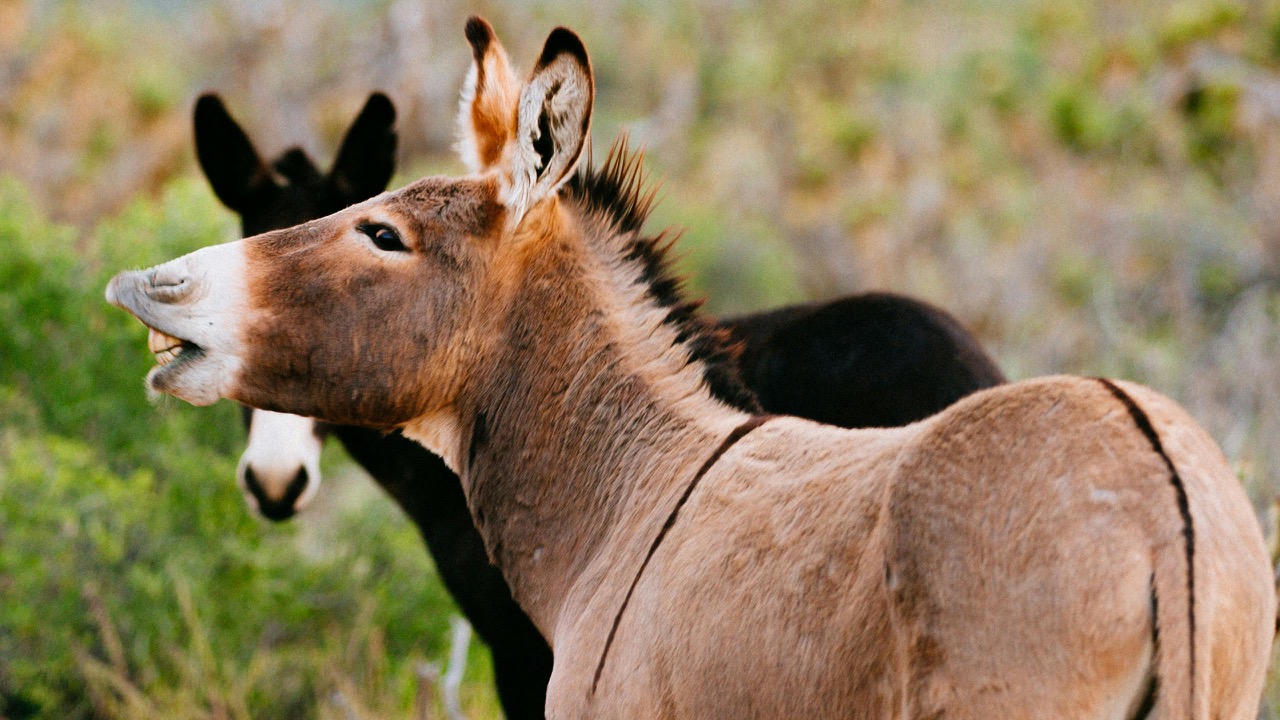
Federal land managers are moving ahead with a plan to capture and remove hundreds of wild burros from the Lake Pleasant area in central Arizona, reshaping a landscape where the animals have become a familiar sight for boaters and hikers. The decision follows years of debate over how many burros the desert can support, how much damage they cause to fragile habitat, and what responsibility agencies have to nearby communities.
The new strategy aims to sharply reduce the size of the herd, which officials now estimate at more than 1,000 animals, and to keep future growth in check through fertility control and adoption programs. Supporters call the move a necessary step to protect water, vegetation, and public safety, while critics see the loss of free‑roaming burros as a blow to the area’s character and to the animals themselves.
How Lake Pleasant became a burro hotspot
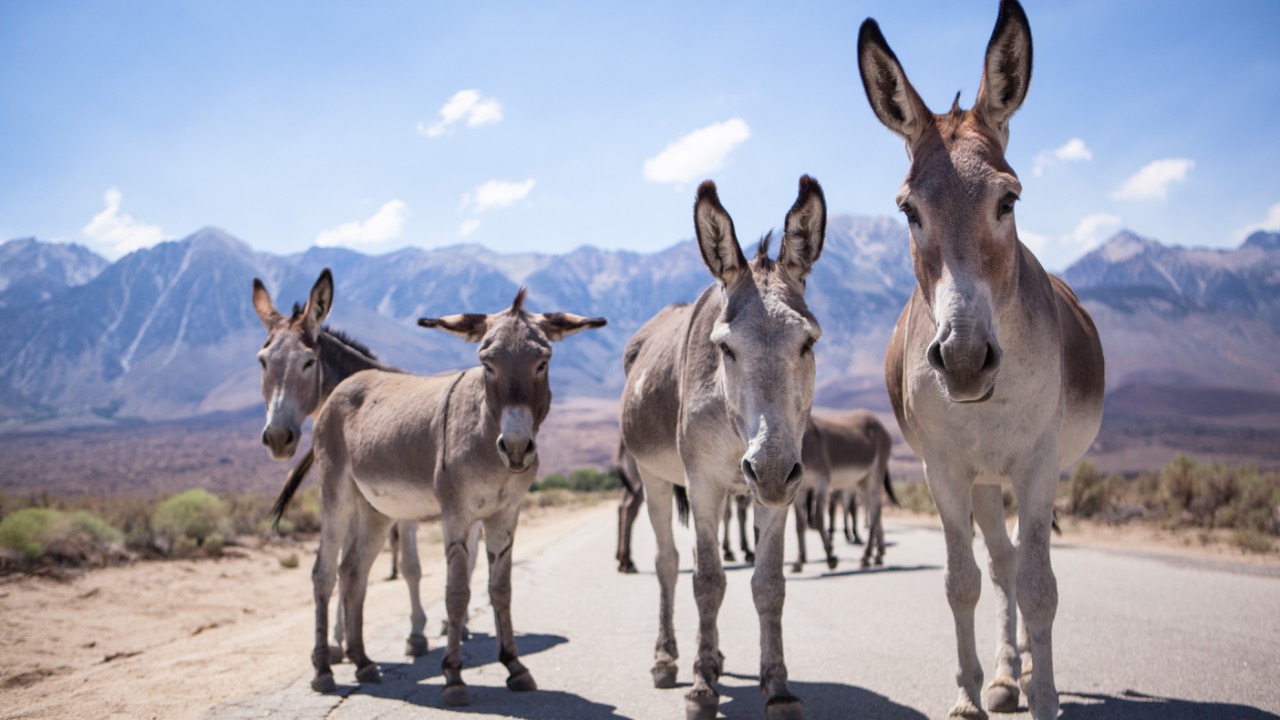
The burros around Lake Pleasant trace their roots to domestic animals that escaped or were turned loose after mining and ranching operations wound down in Arizona. Over decades they established a self‑sustaining herd in the rugged hills and washes northwest of Phoenix, eventually prompting the Bureau of Land Management to designate the Lake Pleasant Herd Management Area, often called the Lake Pleasant HMA, as a formal range for wild equids.
According to Lake Pleasant HMA information, the area covers desert terrain that supports a mix of Sonoran vegetation and wildlife. Within that setting, wild burros browse shrubs, grasses, and cacti, and they rely on scattered water sources that also serve native species. Federal law treats them as part of the range’s naturalized fauna, but it also requires agencies to keep populations at levels that the land can support without long‑term degradation.
Arizona’s wild burros have adapted to high temperatures by using shade and behavioral strategies that reduce water loss, traits described in a state brochure on wild burros in. That resilience has helped the Lake Pleasant herd grow quickly when forage and water are available, especially in years with strong monsoon rains. Visitors heading to Lake Pleasant to cool off have grown used to seeing burros along access roads and near campgrounds, and local TV segments have highlighted the animals as part of the lake’s appeal.
The new management plan and what it changes
The Bureau of Land Management, often shortened to BLM, has now approved a detailed wild burro management plan for the Lake Pleasant area that will guide decisions for years to come. In an announcement, the agency sets objectives to maintain healthy burro herds while conserving resources and protecting public health and safety in the Lake Pleasant area.
In a more detailed description of the decision, the agency explains that the plan is intended to address resource concerns both inside and surrounding the herd management area, with a focus on vegetation, water sources, and conflicts with human uses of the land. That explanation appears in a section of the approved management plan that links the new strategy to environmental review documents in the BLM National NEPA Register.
Another portion of the same decision, accessible through the agency’s Mobile Main navigation interface, emphasizes that the BLM intends to balance wild burro use of the range with other authorized uses and with the needs of native wildlife surrounding the herd management area. That language signals that the plan is not limited to the core HMA boundary, but also considers burros that roam onto adjacent lands where they may affect private property or county infrastructure.
The plan sets the stage for active management, including gathers, fertility control treatments, and coordination with other agencies that manage recreation and wildlife at Lake Pleasant. It builds on earlier operations such as the Outside Lake Pleasant, which the Bureau of Land Management Phoenix District Hassayampa Field Offic organized to remove animals that were creating safety concerns outside the designated range.
Why officials say burros must be removed
The most controversial part of the new plan is its call for large scale removal of what the agency labels “excess” burros. A recent report on the decision explains that federal managers now believe more than 1,000 wild burros occupy the Lake Pleasant area, compared with 102 burros counted in 2008, and that the desert environment cannot provide enough forage and water for all of them without long term damage. That sharp increase is highlighted in coverage of the plan approved to.
Officials argue that dense burro populations strip vegetation around water sources, compact soils, and compete with native species such as bighorn sheep and mule deer. In some areas, burros trample riparian zones that support migratory birds and other sensitive wildlife. The BLM has linked these impacts to broader obligations under the Wild Free Roaming Horses and Burros Act and the Federal Land Policy and Management Act, which instruct the agency to maintain a thriving natural ecological balance on public lands.
Public safety is another concern. Burros frequently cross roads that lead into Lake Pleasant Regional Park, and local television segments have documented close calls between vehicles and animals near the lake’s entrance. Video reports, including one clip that shows more than 1000 wild burros around Lake Pleasant, have described how growing numbers of animals cluster near busy recreation corridors, increasing the risk of collisions and habituation to human food.
Agency staff also point to the stress burros themselves face when drought shrinks water sources. In one broadcast that features burros roaming the shoreline, a reporter notes that limited forage and water for all of them is forcing tough decisions about how many the land can sustain. A similar segment titled Lake Pleasant shows animals congregating near visitors, a sign that wild forage conditions are tightening.
How many burros will leave, and what happens to them
While the BLM’s public statements focus on management goals rather than a single removal number, local coverage has zeroed in on the scale of the operation. One report states that more than 1000 wild burros around Lake Pleasant are ultimately expected to be gathered over time, with the goal of bringing the herd down to a level that the agency considers sustainable. The exact target population is not detailed in the summaries provided, so the precise figure remains unverified based on available sources.
Captured burros are typically transported to holding facilities where they receive veterinary checks, vaccinations, and identification tags. From there, many enter adoption or sale programs. The BLM has already scheduled a March 2026 online corral auction that will allow members of the public to adopt or purchase a wild horse or burro, as described in an Event Description that lists locations such as Wheatland, WY, by appointment.
Population growth suppression methods are another pillar of the plan. Officials have said that fertility control can help with resource recovery and reduce the number of excess animals that ultimately have to be removed from the range, a point echoed in the coverage of the Population growth suppression. That approach typically involves darting mares or jennies with immunocontraceptive vaccines, which must be repeated periodically to remain effective.
In the short term, however, physical gathers will do most of the work. The Outside Lake Pleasant HMA Nuisance Wild Burro Gather, which the Bureau of Land Management Phoenix District Hassayampa Field Offic organized, previewed the techniques that will likely be used: bait trapping, helicopter drives, or a combination of both, depending on terrain and weather. The BLM has said that low stress handling protocols will be utilized in gather operations, although independent verification of on the ground practices can be difficult.
What the plan means for Lake Pleasant visitors and neighbors
For people who visit Lake Pleasant to boat, camp, or hike, the most immediate change will be visual. Segments that feature burros wandering through campgrounds, such as the piece on Navigation News Investigates, suggest that visitors have grown accustomed to seeing animals up close. As removals proceed, those encounters are likely to become less frequent, especially near high traffic areas where nuisance burros have been concentrated.
Maricopa County residents who live near access roads may see fewer burros crossing highways or foraging in roadside vegetation. That could reduce the risk of vehicle collisions and property damage, two issues that have prompted complaints to local officials. At the same time, some residents and business owners who market Lake Pleasant as a place to see wild animals may worry about a drop in tourism appeal if burro sightings become rare.
Local news clips, including one that opens with people planning to beat the heat at Lake Pleasant and coming across wild burros roaming the area, have already begun to prepare visitors for the change. In that Burros to be segment, reporters explain that the BLM’s plan aims to protect both the animals and the environment, framing removals as a difficult but necessary step.
Recreation managers will also need to adjust messaging. Signs that currently warn visitors not to feed burros may eventually be replaced or supplemented with information about habitat restoration projects, new fencing around sensitive springs, or volunteer opportunities to help monitor vegetation recovery. Coordination between the BLM and Maricopa County park staff will be essential to keep the public informed about active gather operations and temporary closures.
Supporters, critics, and the fight over “excess” animals
As with other wild horse and burro plans in the West, the Lake Pleasant decision has drawn mixed reactions. Supporters, including some conservation groups and ranchers, argue that the desert ecosystem has been pushed beyond its limits by a herd that ballooned from 102 burros counted in 2008 to more than 1,000 animals today. They point to bare ground around water sources, damaged fences, and conflicts with native wildlife as evidence that the current numbers are unsustainable, concerns reflected in the BLM outreach on social media.
Critics, including wild horse and burro advocates, question the science behind the agency’s target population levels and argue that other pressures, such as off road recreation and livestock grazing, also strain the land. Some have used platforms like BLMNational comment threads to push back against the “excess” label and to call for more investment in fertility control instead of removals.
Animal welfare groups also raise concerns about gather methods and the fate of burros that are not adopted. While the BLM emphasizes that adopted animals can go to private homes and sanctuaries, skeptics worry about long term oversight, especially when burros are sold with limited restrictions. Photo galleries on mypubliclands show healthy animals in holding facilities and on the range, but they do not answer every question about outcomes after placement.
Within the federal government, the Department of the Interior’s equal opportunity office, reachable through doi.gov, underscores the broader expectation that agencies engage fairly with all stakeholders, including tribal governments and local communities, when making decisions that affect public lands. How that principle plays out in the Lake Pleasant context will depend on how responsive managers are to feedback as gathers proceed.

Leo’s been tracking game and tuning gear since he could stand upright. He’s sharp, driven, and knows how to keep things running when conditions turn.