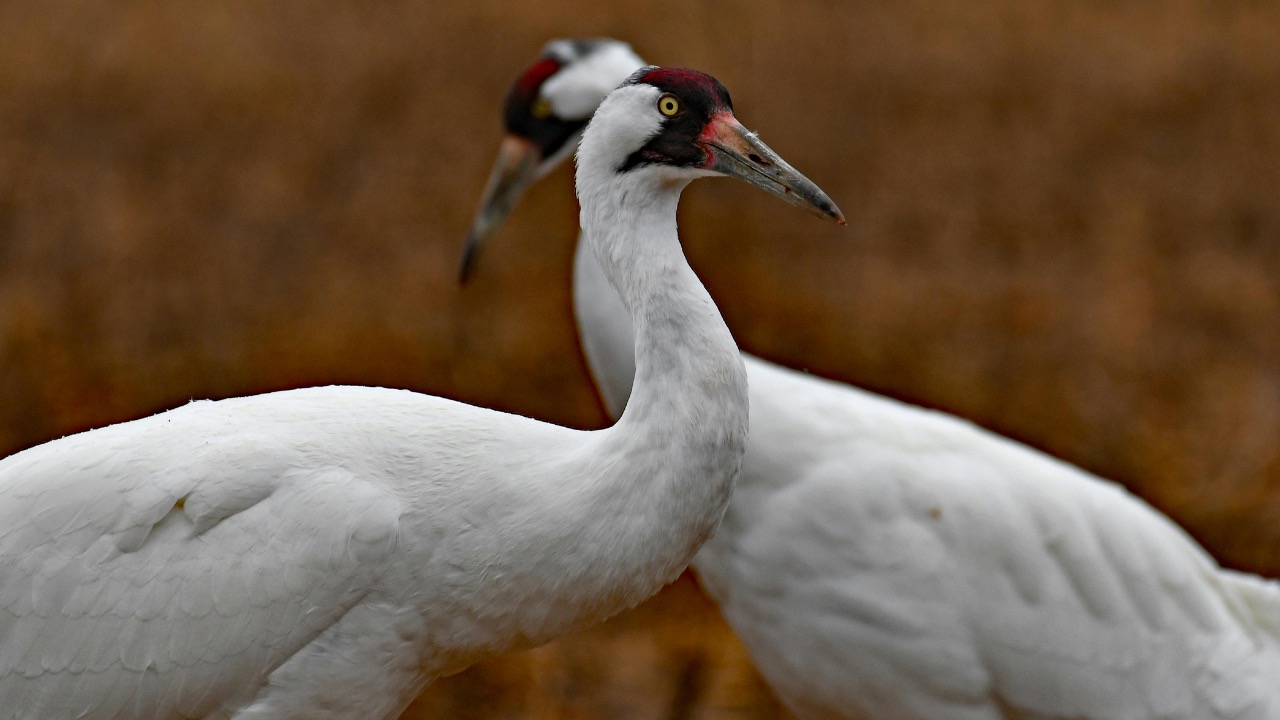
Conservation success story: whooping cranes brought back from the brink
Not long ago, the future of the whooping crane looked bleak. By the early 1940s, the entire wild population had crashed to fewer than two dozen birds. Habitat loss, unregulated hunting, and wetland drainage nearly erased North America’s tallest bird from the landscape. For a species that migrates thousands of miles and depends on specific habitats along the way, the odds of recovery were slim.
But conservation rarely succeeds by accident. The comeback of whooping cranes happened through decades of careful management, habitat protection, and persistence from biologists, landowners, and conservation groups. You’re looking at one of the most demanding wildlife recoveries ever attempted. While the species is still considered endangered, the population today tells a very different story than it did eighty years ago.
The Moment Scientists Realized the Species Was Nearly Gone
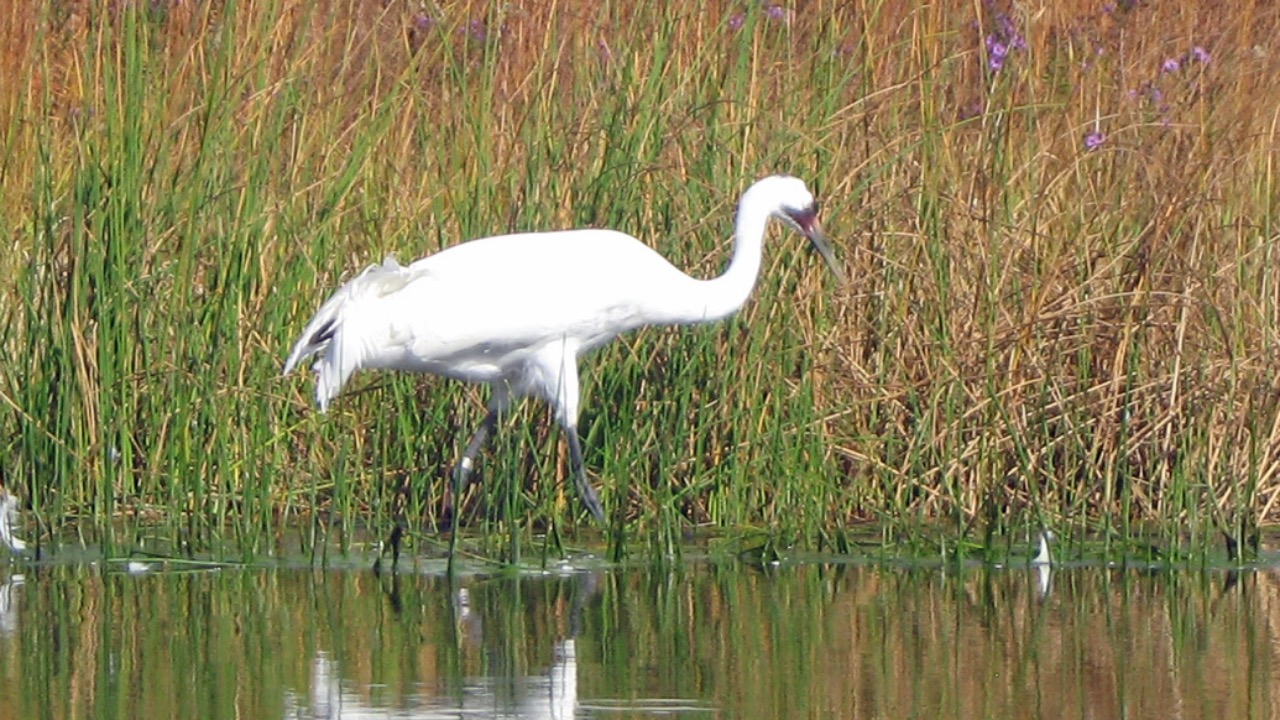
By the late 1930s and early 1940s, wildlife officials started to grasp the severity of the situation. Reports of whooping cranes had nearly disappeared across the continent. Wetlands had been drained for farming, and market hunting earlier in the century had taken a heavy toll.
Surveys eventually confirmed that only about 21 birds remained in the wild. That tiny flock migrated between northern Canada and the Texas coast. Losing even a few birds could have pushed the species into extinction. At that moment, biologists recognized that protecting the last remaining population would require immediate action and long-term commitment.
Protecting the Last Wintering Grounds on the Texas Coast
Once scientists identified where the remaining birds spent the winter, protecting that habitat became a priority. The cranes relied heavily on coastal marshes where they could find blue crabs, clams, and other food sources.
Federal protection of these wintering grounds helped stabilize the surviving population. Restricting development and human disturbance allowed the birds to feed and rest during the winter months. That protection gave the species its first real chance to rebound after decades of decline.
The Importance of Nesting Habitat in Northern Canada
While winter habitat often gets attention, the cranes also depend on remote breeding areas far to the north. The primary nesting grounds lie within protected wilderness in northern Canada.
These wetlands provide isolation, shallow water, and abundant food for raising chicks. Because the area is so remote, human disturbance remains minimal. Protecting those breeding habitats ensured that the birds could reproduce safely, which became one of the most important factors in rebuilding the population.
The Careful Monitoring of Every Nest and Chick
Whooping crane recovery required an unusual level of monitoring. Wildlife biologists began tracking nesting pairs, documenting eggs, and recording chick survival rates year after year.
Field teams often used aircraft or remote observation to avoid disturbing the birds. Each nesting season provided valuable information about reproduction, survival, and migration timing. That steady stream of data allowed wildlife managers to adjust conservation strategies and respond quickly if the population faced new threats.
Teaching Captive-Bred Birds How to Migrate
One of the more unusual recovery techniques involved teaching captive-bred cranes how to migrate. Young birds raised in captivity had to learn the route between northern breeding grounds and southern wintering areas.
Researchers used ultralight aircraft to guide the cranes along migration paths. The birds followed the aircraft south during their first journey. Once they completed the trip, many learned the route and returned the following year without assistance. That program helped establish additional populations beyond the original wild flock.
Expanding the Population Beyond a Single Flock
For many years, nearly the entire wild population belonged to a single migratory group. That created a major risk. One disease outbreak, storm, or environmental disaster could have wiped out a large portion of the species.
Conservationists began establishing additional populations in different regions. By spreading birds across multiple areas, wildlife managers reduced the chances that one event could devastate the species. Creating these separate groups became a major milestone in the recovery effort.
Partnerships Between Landowners and Conservationists
Whooping cranes travel thousands of miles during migration, stopping at wetlands and agricultural areas along the way. Much of that land belongs to private landowners.
Conservation groups worked with farmers and ranchers to protect key stopover habitats. These partnerships allowed cranes to rest and feed during their long journey. Without cooperation from landowners across several states and provinces, the migration corridor would be far more dangerous for the birds.
How Hunting Regulations Helped Protect Migrating Birds
In the early 20th century, hunting pressure played a major role in the species’ decline. As conservation laws improved, strict protections were placed on whooping cranes.
Regulations and increased awareness reduced accidental shootings during migration. Waterfowl hunters today are encouraged to identify birds carefully before pulling the trigger. Education campaigns have helped hunters understand the difference between cranes and other species that might pass overhead.
The Role of Wetland Restoration
Healthy wetlands support everything whooping cranes need: shallow water, aquatic plants, fish, insects, and crustaceans. Unfortunately, wetlands were drained across much of North America during the past century.
Restoration projects have reversed some of that damage. Rebuilding wetlands along migration routes and in wintering areas has improved habitat availability. These restored landscapes benefit cranes along with countless other species that rely on the same ecosystems.
Population Growth That Few Expected
When the recovery effort began, many experts believed the species might never rebound. With fewer than two dozen birds remaining, the margin for error was almost nonexistent.
Today the population numbers in the hundreds, with birds spread across several managed groups. That growth took decades of work and constant attention. While the cranes still face challenges, their numbers now reflect one of the most determined wildlife recovery efforts ever attempted in North America.
Why Whooping Cranes Still Need Protection
Even with encouraging population growth, the species remains vulnerable. Habitat loss, power line collisions, and severe storms continue to threaten cranes throughout their migration.
Conservation work is far from finished. Wildlife agencies and conservation groups continue monitoring the birds, protecting habitat, and maintaining breeding programs. The recovery of whooping cranes proves that determined conservation can work—but only if that effort continues long after the first signs of success appear.

Asher was raised in the woods and on the water, and it shows. He’s logged more hours behind a rifle and under a heavy pack than most men twice his age.