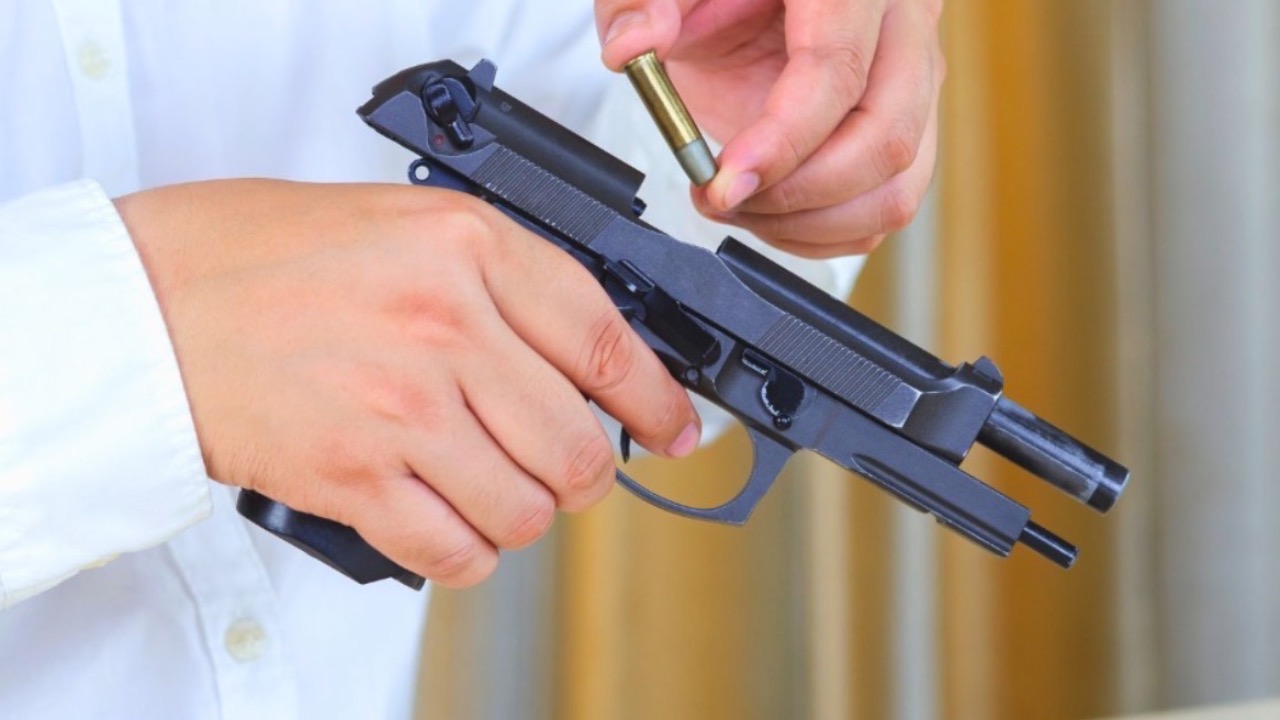
Why some pistols keep earning loyalty year after year
Some handguns debut with a burst of hype, then quietly vanish from store shelves. Others settle into holsters, safes, and duty belts and simply stay there, year after year, earning a kind of loyalty that marketing budgets cannot buy. The pistols that last tend to share a mix of reliability, support, and cultural weight that keeps them relevant even as new models crowd the display case.
Looking at why certain pistols keep earning that trust reveals as much about shooters as it does about steel and polymer. It is a story of design choices, brand reputations, resale value, and the way real users react when a firearm proves itself under pressure.
What “loyalty” to a pistol really looks like
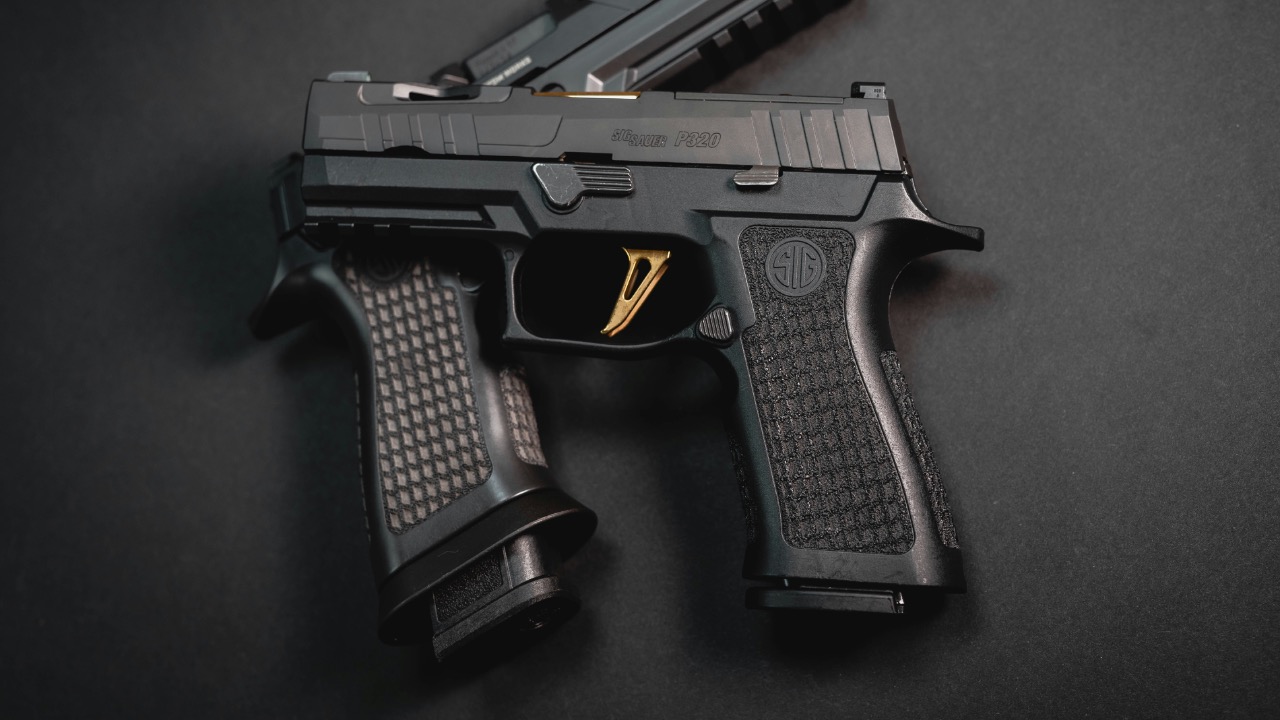
Loyalty to a handgun rarely shows up in a single dramatic moment. It appears in the owner who keeps carrying the same compact pistol long after newer optics-ready models arrive, or in the police department that renews contracts for a familiar sidearm instead of jumping to the latest release. It also shows up in the used market, where certain models are snapped up quickly and hold prices while others sink.
One recent overview of handguns that keep after trendier designs fade describes how some pistols become quiet classics. These are not always the ones with the boldest styling or the most aggressive marketing. They are the models that owners keep shooting and recommending, often for very practical reasons like parts availability, predictable triggers, and holsters that fit without modification.
Loyalty also shows up in small, personal choices. A Reddit user posting under the handle pisomojado101 joked that a Heckler & Koch Vp9 is “the best Glock,” in a thread where another commenter urged a shooter to rent several pistols at a range instead of staying locked into one brand. That exchange, preserved in a discussion from Sep 4, 2018, captures a tension that runs through the handgun world: brand loyalty versus performance loyalty.
Designs that change slowly, and why that matters
Many pistols that earn long term loyalty change only gradually. Enthusiasts often repeat a simple phrase about them: if it is not broken, do not fix it. In a discussion about why firearm designs keep evolving, one commenter named Tibbenator cited that old saying directly and pointed out that There are guns that have changed very little in decades because they still meet user needs.
Manufacturers still introduce new features, from modular frames to optics cuts, but the pistols that keep earning trust usually do not chase every trend at once. Instead, they refine proven operating systems. This steady approach keeps training consistent and limits surprises for owners who rely on muscle memory. When a shooter can pick up a newer version of a familiar model and find the controls exactly where expected, that continuity reinforces confidence.
Design stagnation can also hurt a pistol’s status. Another video analysis of iconic pistols losing describes how some once dominant handguns have fallen behind, in part because they did not adapt to new expectations around ergonomics or accessory mounting. The balance between stability and evolution is delicate. The pistols that keep loyal users usually manage to update in ways that feel incremental rather than disruptive.
Brand reputations built over generations
Brand history plays a major role in why some pistols keep earning loyalty. Over it’s 130 history, Smith and Wesson has cultivated a reputation for reliable revolvers and pistols for self defense and military application. That kind of multi generation track record gives buyers confidence that a new model from the same company will be supported and that the manufacturer understands how people actually use its products.
Brand equity also influences resale value. A Quora discussion on which pistols hold points to Colt and Smith and Wessons as examples of namebrand manufacturers whose products tend to retain more of their purchase price. Buyers in that conversation linked value retention to perceived quality and long term parts support, both of which are tied to brand reputation.
The same dynamic helps explain why some European manufacturers inspire fierce loyalty. A look at the official site for Beretta products shows a catalog that stretches from classic full size duty pistols to modern polymer framed compacts. That range reflects a company that has supplied military and law enforcement users for decades while still courting civilian shooters.
Military and duty pedigrees that never quite fade
Service history can lock in loyalty long after a contract ends. A Reddit commenter summarizing why some models are discontinued pointed out that Beretta M9 was. That role exposed generations of service members to the pistol, and many of them later sought out the same or similar models for personal use.
Duty adoption signals that a pistol has passed rigorous testing, from endurance firing to drop safety evaluations. When a model survives that process and then stays in service for years, it builds a reputation that can outlast the original contract. Even after a military or police agency transitions to a different sidearm, the previous pistol often keeps a loyal following among veterans and officers who trusted it on the job.
That pedigree also feeds into collector interest. A video on 10 pistols gaining highlights how certain service linked handguns have seen steep price increases in recent years. The host, identified as Oct, points to models with strong historical or military connections as examples of firearms that not only retain value but appreciate significantly as supply tightens.
Why some pistols quietly become “forever guns”
Not every loyal favorite has a headline military contract or a famous brand name. Some become “forever guns” through slow, steady proof in civilian hands. The MSN slideshow on handguns that keep describes models that simply work across thousands of rounds, with minimal drama. Owners keep those pistols because they have already invested time in learning their quirks and because the guns have paid back that investment with consistent performance.
These pistols often share a few traits:
- Simple, proven operating systems that are easy to maintain at home
- Triggers that may not be glamorous but are predictable and safe
- Aftermarket support for sights, holsters, and magazines
- Reasonable purchase prices that make them accessible as first handguns
Once a shooter has run thousands of rounds through a pistol that meets those criteria, switching to a new platform can feel like an unnecessary risk. The old gun may not have the latest slide cuts or optics footprint, but it has something more valuable: a track record that the owner has personally verified.
When iconic pistols start losing their grip
Loyalty is not permanent. The same video that lists seven iconic pistols in 2026 points to safety concerns, shifting tastes, and competitive features as reasons some once beloved models are falling out of favor. In several cases, newer data linked certain handguns to safety issues or poor performance, eroding trust that had built up over years.
Market expectations also change. Shooters who once accepted limited magazine capacity or fixed sights now expect higher capacity, modular backstraps, and easy mounting for red dot optics. Pistols that cannot meet those expectations without major redesigns risk being left behind, regardless of past glory. The shift is not always immediate, but as more owners gravitate toward newer designs that offer tangible advantages, older models can find themselves relegated to safes and collections.
Still, even as some icons lose ground, others hold on. The difference often comes down to whether the manufacturer addresses legitimate user concerns in a timely and transparent way. A company that responds to issues with upgrades or recalls can preserve trust. One that ignores them risks watching its most famous pistols slide down the rankings.
Resale value and the “investment gun” mindset
Financial considerations play a quiet but powerful role in handgun loyalty. Owners who see their pistols as both tools and assets are more likely to stick with models that hold or increase in value. The Quora discussion on value retention highlights how buyers consider whether a pistol is made by a namebrand gun manufacturer or a smaller maker known for quality, with Colt and Smith and Wessons cited as examples that tend to retain more value.
The YouTube breakdown of pistols gaining value underscores how scarcity and reputation intersect. Oct points to specific models that have climbed sharply in price, often because production ended while demand stayed strong. Owners of those pistols may feel an extra layer of loyalty, not only because the guns perform well, but because selling them would mean giving up an appreciating asset.
At the same time, shooters sometimes overestimate the investment potential of mass produced pistols. Many models lose value once they leave the store. The ones that defy that pattern usually combine limited supply, strong brand recognition, and some historical or technical distinction. For most owners, loyalty still rests more on performance and familiarity than on the hope of future profits.
Why manufacturers walk away from proven favorites
One of the more frustrating experiences for loyal owners is watching a favored pistol disappear from catalogs. A Reddit thread asking why manufacturers discontinue certain guns captures that sentiment. Commenters there note that even successful models can be dropped when production costs rise, sales flatten, or new regulations require redesigns.
In that discussion, the reference to The Beretta M9 illustrates how even a pistol with a long service record can eventually be phased out. Once a major military contract ends, the economies of scale that supported a model may vanish. Companies then face a choice between updating the design for a new era or focusing on other platforms that better match current demand.
Discontinuation does not always kill loyalty. In some cases, it intensifies it. Owners stockpile spare parts and magazines, and used prices creep upward as supply shrinks. The pistol shifts from a current production workhorse to a modern classic, carried by those who already own one and sought after by collectors who missed the original wave.
Community, culture, and the pull of shared experience
Handgun loyalty is not only about mechanics and money. It is also social. Online communities help shape which pistols become trusted staples and which are written off as fads. The Reddit thread from Sep 4, 2018 shows shooters debating whether to stay with a single brand or branch out, with one commenter joking that the Vp9 is the best Glock. That kind of banter reflects deeper patterns of recommendation and reassurance.
Platforms such as Reddit operate under specific content guidelines, including the Reddit content policy and accessibility frameworks like those listed in Reddit help and the Accessibility section. Within those boundaries, users swap range reports, photos, and troubleshooting tips. When a particular pistol earns a steady stream of positive feedback across such forums, that collective endorsement can matter as much as any advertisement.
Cultural cues also matter. Pistols that appear in popular films, television shows, or competitive shooting circuits gain visibility that can translate into sales and long term loyalty. When viewers see a favorite character or respected competitor rely on a specific model, they may be more inclined to trust that same design in their own lives. Over time, these shared references help certain pistols become part of the broader shooting culture, not just individual choices.
How manufacturers try to keep loyalty without freezing innovation
For gun makers, the challenge is to maintain loyalty without letting product lines stagnate. Companies like Beretta navigate this by offering both updated versions of legacy designs and entirely new platforms. That strategy allows long time fans to stay with familiar ergonomics while also giving younger buyers or different user groups something tailored to current preferences.
Some manufacturers lean on modularity, offering pistols with interchangeable backstraps, different slide lengths, and multiple caliber options built on a common frame. This approach lets owners evolve their setup without abandoning the platform they know. It also encourages accessories and aftermarket parts that deepen the ecosystem around a given model.
Others focus on incremental improvements to triggers, sights, and finishes while keeping core dimensions and control layouts consistent. The idea is to make each new generation feel like a refinement rather than a replacement. When done well, that approach reassures loyal users that their training and spare parts will still matter in five or ten years.
Why some shooters stay brand loyal while others roam
Individual psychology shapes loyalty in ways that are harder to quantify. Some shooters stick almost exclusively with one manufacturer. They may own several pistols from the same brand in different sizes, all sharing similar controls and trigger characteristics. For them, the comfort of familiarity and the simplicity of standardized training outweigh the curiosity to try something new.
Others treat handguns more like a rotating collection. The Reddit debate about whether to stay brand loyal or captures that divide. One side argues that branching out helps shooters find what fits best. The other side implies that once a pistol proves itself, loyalty is a rational response.
Both approaches can coexist. Many shooters end up with a blend: a primary pistol they trust implicitly, surrounded by a changing cast of other models they enjoy testing or collecting. Over time, the primary gun often becomes the one they have carried longest, shot most often, and invested the most training hours in, regardless of brand.
What the next decade may hold for “loyal” pistols
Looking ahead, several trends are likely to shape which pistols keep earning loyalty. Optics ready slides and improved mounting systems are becoming standard, even on compact carry guns. Pistols that integrate those features cleanly, without sacrificing reliability, are well positioned to become the next generation of trusted standbys.
Regulatory pressures and shifting market demographics may also push manufacturers to rethink some long standing designs. Models that can adapt through modular components or software assisted training tools may gain an edge. Yet the core ingredients of loyalty are unlikely to change much: consistent performance, strong support, and the sense that a pistol will still be relevant years from now.
In that sense, the story of loyal pistols is less about any single model and more about a pattern. Handguns that keep earning trust tend to be the ones that respect their users’ time, money, and training. They may not always be the newest or flashiest options in the case, but they are the ones owners reach for when the range bag has room for only one gun.

Asher was raised in the woods and on the water, and it shows. He’s logged more hours behind a rifle and under a heavy pack than most men twice his age.