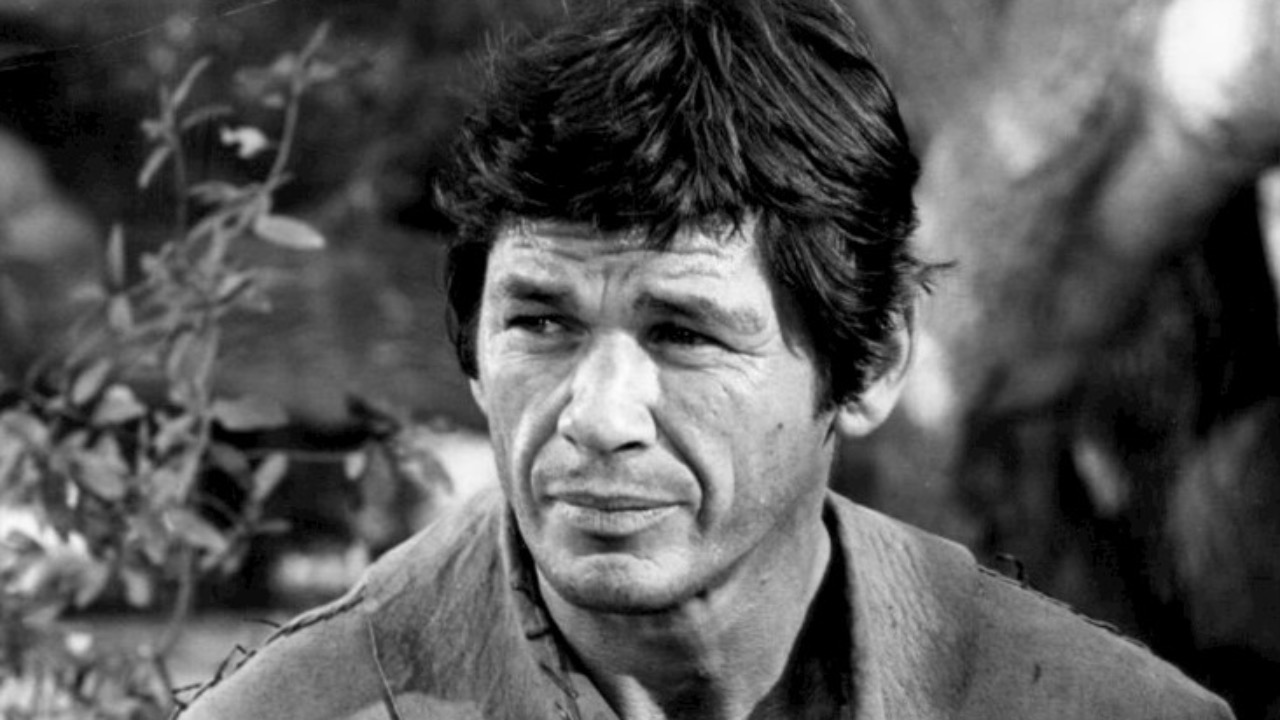
Before Hollywood fame, Charles Bronson said Army life felt easier than his childhood poverty
Charles Bronson built a Hollywood reputation on steely silence and controlled violence, but the harshest part of his life played out long before cameras ever rolled. He grew up in such grinding poverty that he later said Army life, with its regular meals and clean clothes, felt easier than his childhood.
His journey from a coal town shanty to international stardom ran through the mines of Pennsylvania and the skies of World War II, and he carried those memories into every role. I see his remark about the Army as a key to understanding why his screen toughness resonated, because for Charles Bronson the uniforms, the guns and the grit were not fantasy but a step up from what he had already survived.
From Charles Dennis Buchinsky to Charles Bronson
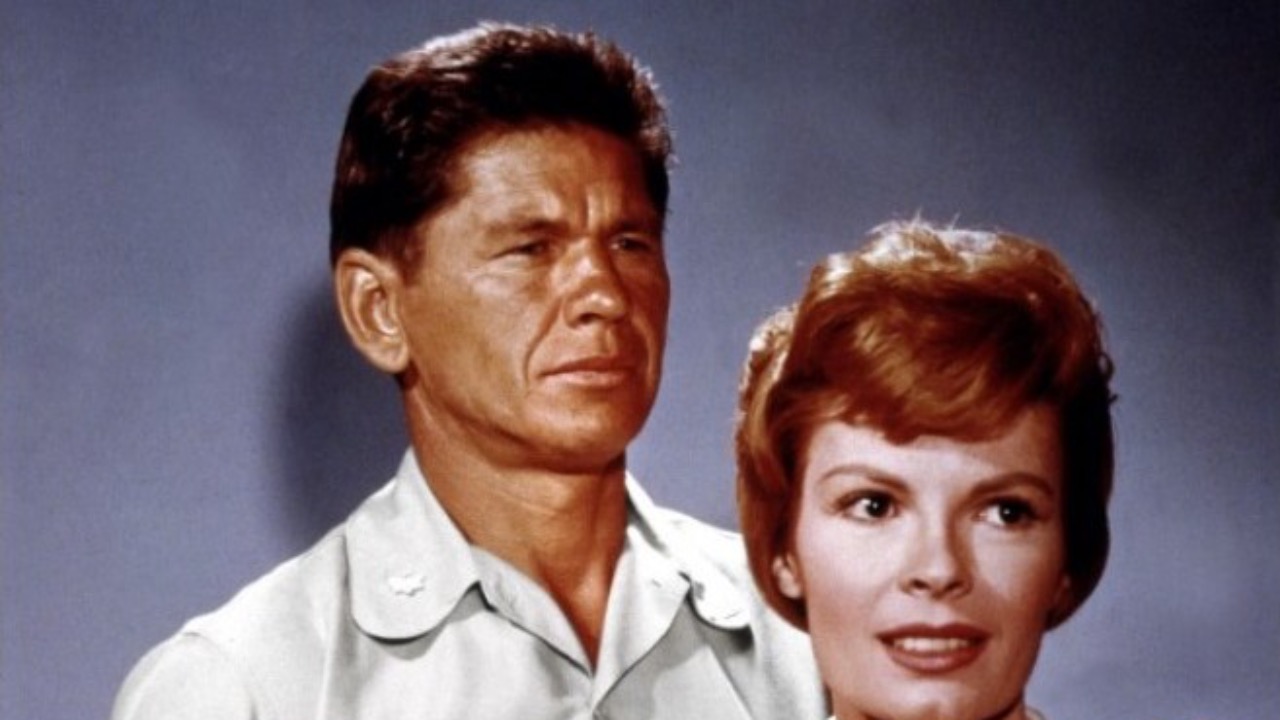
Before audiences knew him as Charles Bronson, he was born Charles Dennis Buchinsky in a coal region of Pennsylvania, the son of Lithuanian immigrants who struggled to support a huge family. Reports describe him as one of fifteen children in the Buchinsky household, crammed into company housing and sharing whatever food and clothing the family could scrape together, so he grew up with a firsthand education in scarcity that shaped his sense of the world. The family suffered what one account calls extreme poverty, and that background helps explain why he later spoke so bluntly about how little sentiment he had for the glamour of Hollywood compared with the raw fight for survival he remembered from childhood.
As Charles Dennis Buchinsky, he came of age in a community where the coal company controlled both the work and the roof over a miner’s head, and where losing a job could mean losing a home overnight. That experience of insecurity followed him even after he adopted the screen name Charles Bronson, and sources that trace his life story emphasize how his rise to fame never erased the memory of being a poor Lithuanian kid in Pennsylvania. One detailed biography of Charles Bronson stresses that he was the first in his family to graduate from high school, which suggests how far he had already traveled socially before he ever set foot on a film set.
Childhood in Ehrenfeld, known as Scooptown
The backdrop for that early struggle was the coal town of Ehrenfeld, known locally as Scooptown, a nickname that captured how closely life there revolved around the mines. In an unproduced script about a mining town that has been discussed by readers online, Bronson described being thrown out of a company house in Ehrenfeld and suggested that the eviction left a mark so deep he never felt he had any real childhood innocence to lose. When I read that recollection of Ehrenfeld, also called Scooptown, I see a man trying to process the way corporate power and poverty combined to shape every corner of his youth, from housing to food to the constant fear of a father being injured underground.
Those memories of Scooptown were not abstract for him; they were tied to specific humiliations and hardships, such as wearing ragged clothes and worrying about whether there would be enough to eat. One social media post that recounts his life story notes that he later wrote about how being forced out of that house in Ehrenfeld left him feeling as if he had been stripped of any “virginity,” a stark way to say that the brutality of economic life had pushed him into adulthood before he was ready. The fact that he chose to set a script in a mining town and to revisit Ehrenfeld and Scooptown on the page shows how central that place remained in his imagination, even after he had become an international film star with the name Charles Bronson on marquees.
Extreme poverty and the first real shirt
Accounts of Bronson’s youth converge on a single theme, that the Buchinsky family lived at a level of deprivation that most later fans could barely imagine. One widely shared story has him recalling that his clothes as a boy were so worn out that he felt ashamed of them, and that the family was so poor he did not own a proper shirt until he entered military service. I read that detail as more than a colorful anecdote; it is a concrete measure of just how far below the basic standards of comfort his childhood sat, and it gives sharp context to his later remark that Army life felt like an upgrade rather than a hardship.
Another retrospective on his life amplifies that point by noting that the first time he experienced three reliable meals a day was when he joined the armed forces, which again underlines how scarce food had been in the Buchinsky household. A post framed with the phrase DID YOU KNOW that Hollywood legend Charles Bronson grew up so poor that he only encountered regular meals in the service spells out that his early diet depended on whatever his miner father could afford after long shifts underground. When I connect those memories with his later screen persona, I see a man whose gaunt, hard features were not just a casting choice but the physical record of years of hunger and worry.
From coal miner to Army Air Forces gunner
Before he ever held a prop weapon on a film set, Charles Bronson worked in the same coal mines that had defined his father’s life, spending more than a decade underground before he saw a path out. One detailed timeline of his service notes that after working in the coal mines for over 10 years, Charles enlisted in the US Army Air Forces in 1943, a decision that took him from the tunnels of Pennsylvania to the airfields of the Pacific. I see that move as both an economic escape and a moral choice, since joining the Army Air Forces during World War II meant accepting the risks of combat in exchange for a steady paycheck and the possibility of a different future.
The same account explains that initially Charles served with a training unit before he qualified as an aerial gunner, which set him on the path to fly in a B-29 bomber. Another source that focuses on his military service frames him as an aerial gunner on a B-29 in World War II and emphasizes that he came into that role after years as a miner, which meant he brought a physical toughness and work ethic that fit the demands of the job. When I consider the leap from coal dust to high-altitude combat, I see a continuity in the kind of danger he accepted, only now the risk came from flak and fighters rather than cave-ins and gas.
Combat missions over the Pacific
Once he completed training, Bronson’s war became very real in the Pacific theater, where he served as an aerial gunner on a B-29 bomber that flew against Japanese targets. Reports on his unit identify him as part of the 61st Bombardment Squadron of the 39th Bombardment Group, based on Guam, an island that served as a key launching point for long-range bombing missions late in World War II. One detailed social media history of his service states that he flew 25 combat missions in the Pacific, a number that signals not just experience but survival in a campaign where crews faced heavy anti-aircraft fire and the constant threat of mechanical failure over water.
Another profile of his wartime role explains that he performed his duties in that 61st Bombardment Squadron on Guam and that he was wounded in action, later receiving a decoration for injuries sustained in combat. When I look at that combination of 25 combat missions and a recorded wound, I see a man who had already faced lethal danger repeatedly before he ever auditioned for a role, which makes the later image of Charles Bronson as a stoic tough guy feel less like acting and more like a continuation of how he had learned to carry himself in real life. The fact that he served in a Bombardment Group that took off from Guam to strike distant targets also reinforces how far he had traveled from Scooptown, both geographically and socially, by the time the war ended.
Why the Army felt easier than childhood
It is in that context that his famous comparison between Army life and childhood poverty makes sense, because for him the structure and resources of the military looked almost luxurious compared with the chaos of his early years. In one widely cited remark, he said that his family had been so poor that he did not own a real shirt until he was in the Army, and that in uniform he finally had clothes that were not ragged and meals that came three times a day. When I place that comment alongside the detail that he only experienced regular food in the service, I understand why he might say that the discipline and danger of wartime duty still felt like a step up from the insecurity of the Buchinsky home.
Another recollection attributed to him has him responding to a question about whether he was frightened in combat with a line that pointed back to his childhood, essentially arguing that after what he had seen growing up, fear in the air was relative. Collections of his sayings on film quotes sites include variations of that sentiment, where he frames his past as so harsh that later challenges seemed manageable by comparison. When I weigh those words against the hard facts of Ehrenfeld, Scooptown, coal mining and eviction, I read his claim that the Army felt easier than childhood not as bravado but as a sober assessment from someone who had lived both extremes.
Using the GI Bill and finding the stage
After the war, Bronson joined thousands of other veterans who tried to turn combat experience into civilian opportunity, and the GI Bill was a central tool in that transition. The legislation that people now refer to as the GI Bill offered returning service members tuition support, housing loans and other benefits, and historical overviews explain that it reshaped American education by sending a generation of veterans to college and vocational programs. In Bronson’s case, accounts of his life say that he used his veteran status to move into acting, eventually studying at the Pasadena Playhouse in California after leaving the Army Air Forces, a step that would have been hard to imagine for a boy from Scooptown without that postwar support structure.
One detailed narrative of his path notes that after those 25 missions in the Pacific theater, he returned to the United States, used benefits available to veterans and began training as an actor, which led to stage work and then film roles. I see a direct line from the GI Bill, described in historical summaries as a program that opened higher education to returning soldiers, to the moment when Charles Bronson first stepped onto a stage and realized he could turn his life story into a different kind of labor. The fact that a man who had once shoveled coal and manned a B-29 gun station could now study performance in California shows how policy, personal grit and timing all combined to move him from survival to self-expression.
From war veteran to Hollywood tough guy
By the time he became a familiar face in theaters, Bronson had already lived the kind of life that many action scripts only pretend to imagine, and that authenticity seeped into his screen work. One fan account that traces his career points out that before his days as a Hollywood tough guy in movies like Death Wish, Charles Bronson, born Charles Buchinsky, had served in the US Army Air Forces and flown in combat, which meant that when he played hardened men in The Dirty Dozen and Death Wish he drew on real memories of violence and fear. A separate community post that celebrates his rise to fame emphasizes how his rugged presence and quiet intensity resonated deeply with audiences worldwide, suggesting that viewers sensed something genuine behind the performances.

Leo’s been tracking game and tuning gear since he could stand upright. He’s sharp, driven, and knows how to keep things running when conditions turn.