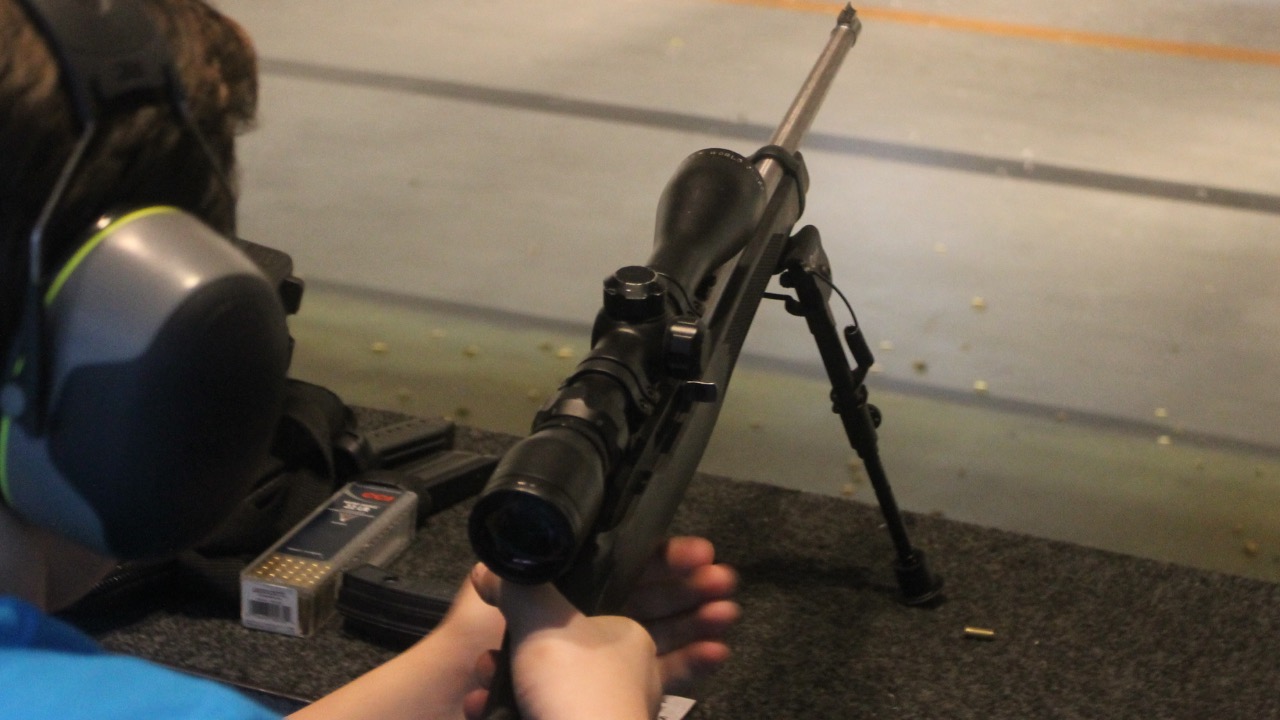
Why the .22 is still the first caliber many shooters learn on
If you spend enough time around ranges, hunting camps, or backyard plinking setups, you start noticing a pattern. A lot of experienced shooters started the same way—with a .22. It’s been that way for generations, and there’s a reason the tradition hasn’t faded.
The .22 Long Rifle doesn’t try to impress anyone with power or noise. What it does offer is a forgiving way to learn how firearms really work. You can focus on fundamentals instead of fighting recoil or worrying about every shot. That’s a big deal when you’re new.
Plenty of calibers exist that can technically teach the basics. But the .22 keeps showing up as the starting point because it removes barriers. It lets new shooters learn the right habits early and build confidence before moving into larger cartridges.
Recoil Doesn’t Distract You From Learning
When someone fires a rifle for the first time, recoil can be a bigger obstacle than the mechanics of shooting. A flinch forms fast when a shooter braces for impact before the trigger even breaks.
The .22 Long Rifle removes that problem almost entirely. The recoil impulse is light enough that most shooters barely notice it, which means you can concentrate on sight alignment, breathing, and trigger control.
That lack of punishment lets you fire hundreds of rounds in a session without developing bad habits. You’re not bracing, tensing up, or anticipating the shot. You’re learning what a clean trigger press feels like, and that skill carries over to every larger caliber you’ll handle later.
The Report Is Mild Enough To Keep Shooters Relaxed
Noise plays a bigger role in shooting comfort than many people realize. Loud gunfire can make new shooters tense up long before they ever worry about recoil.
A .22 produces a much softer report than centerfire cartridges. Even without suppressors or specialized equipment, the sound is manageable with standard hearing protection.
That calmer environment matters. When shooters aren’t startled by every shot, they stay relaxed behind the gun. A relaxed shooter learns faster because they’re paying attention to what the rifle is doing instead of reacting to the noise. Over time, that comfort helps develop steady habits that translate to louder firearms later on.
Ammunition Costs Make Practice Realistic
Skill with a firearm doesn’t come from a single range trip. It comes from repetition. The more rounds you send downrange, the more familiar the process becomes.
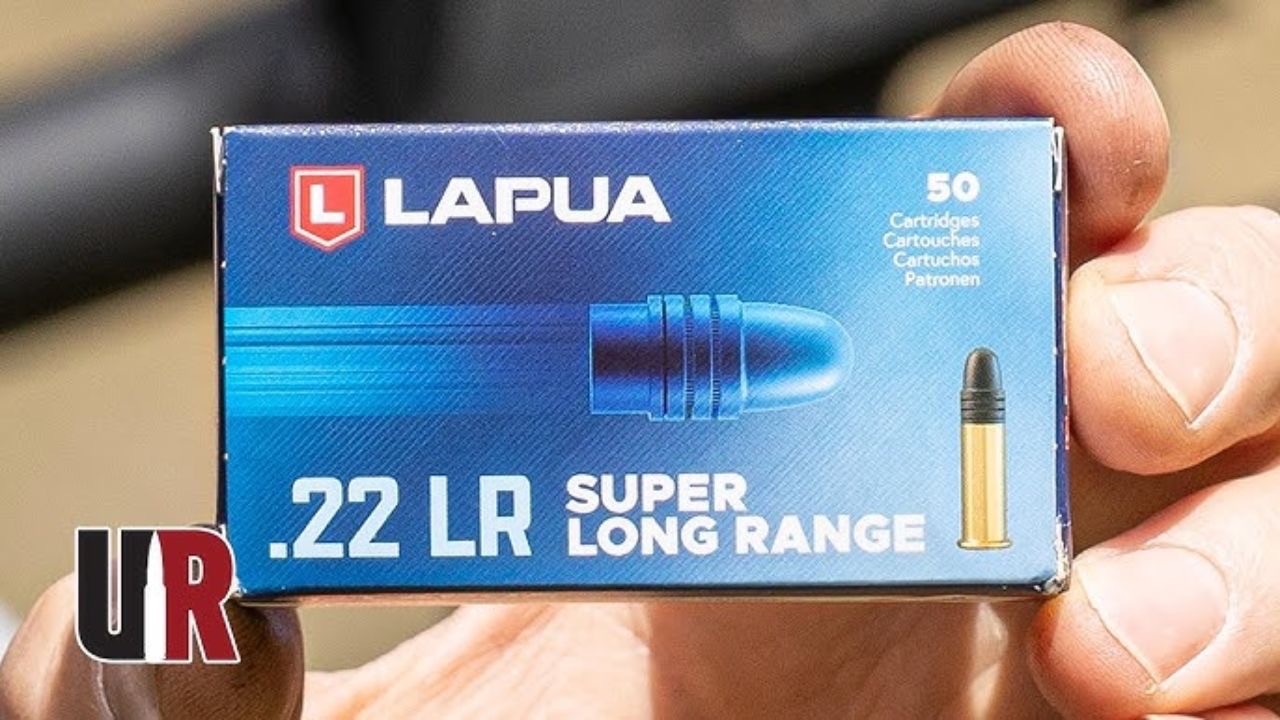
That’s where the .22 really stands apart. Ammunition remains one of the most affordable options available, even when prices fluctuate across the market.
Because it’s inexpensive, shooters can practice often without worrying about burning through expensive boxes of cartridges. That freedom leads to longer practice sessions and more opportunities to correct mistakes. Over time, those extra rounds build muscle memory and confidence that can’t be rushed.
Rifles Chambered In .22 Are Usually Easy To Handle
Many rifles chambered in .22 Long Rifle are built with manageable weight and balanced proportions. That makes them comfortable for shooters of different sizes and experience levels.
A lighter rifle is easier to hold steady while learning proper stance and sight alignment. When a gun feels manageable in your hands, you spend less time fighting the equipment and more time paying attention to what your sights are doing.
That balance makes rifles like the Ruger 10/22 or bolt-action training rifles natural teaching tools. They sit steady on target and respond predictably when the trigger breaks, giving new shooters a clear connection between what they do and where the bullet lands.
Accuracy Shows You Exactly What You’re Doing Right—or Wrong
A .22 rifle can be surprisingly accurate, especially at the distances most beginners start with. That accuracy provides instant feedback every time a shot lands on paper.
If your breathing, trigger control, or sight picture slips, the target shows it immediately. There’s no hiding mistakes behind heavy recoil or complicated ballistics.
That feedback loop helps shooters improve quickly. You learn to watch the sights, press the trigger smoothly, and follow through. When the bullet lands exactly where the sights were resting, the lesson sticks. Those early accuracy lessons stay with you when you move to larger rifles later on.
You Can Shoot Almost Anywhere A Range Exists
Another reason the .22 remains a starting point is its flexibility. Many indoor ranges, training facilities, and small clubs allow .22 rifles and pistols even when larger calibers aren’t permitted.
That accessibility gives new shooters more places to practice. Instead of needing a large outdoor range designed for high-powered rifles, you can train in smaller spaces designed for rimfire firearms.
The result is more opportunities to shoot. The easier it is to find a place to practice, the more often new shooters can reinforce the fundamentals they’re learning.
The Guns Themselves Are Straightforward
Many .22 rifles are built with straightforward actions—bolt guns, lever actions, and uncomplicated semi-automatics. The controls are easy to understand, which matters when someone is learning safe gun handling for the first time.
A new shooter can see how the bolt chambers a round, how the safety works, and how the trigger releases the firing pin. Nothing feels mysterious or overly complicated.
That mechanical clarity helps beginners build respect for how firearms operate. Once those basics make sense on a .22, stepping up to larger rifles or pistols feels far less intimidating.
The Caliber Encourages Patience
Because the .22 doesn’t rely on raw power, it rewards careful shooting. A rushed trigger pull or sloppy sight picture usually shows up immediately on the target.
That encourages shooters to slow down. You take your time aligning the sights and pressing the trigger properly because you know every mistake will be visible on paper.
Over time, that patience becomes part of your shooting style. You learn to focus on consistency rather than speed. That habit carries forward when you start working with heavier rifles, where careful shot placement matters even more.
It Bridges Target Shooting And Hunting
The .22 sits in a unique spot where it works equally well for practice and for small-game hunting. A new shooter can learn the fundamentals at the range and then apply those same skills in the field.
Hunting squirrels or rabbits teaches discipline that paper targets can’t always provide. You learn to wait for the right shot angle, control your breathing, and place a bullet carefully.
That connection between range practice and real-world shooting makes the .22 a natural training tool. The lessons you learn on a quiet afternoon of plinking translate directly to situations where accuracy truly matters.
Generations Of Shooters Started The Same Way
Tradition plays a role too. Many experienced shooters remember learning on a .22 because it was the rifle their parents or grandparents handed them first.
Those early experiences built trust in the caliber. Over time, the pattern repeated itself as each generation passed the same rifles down and used them to teach the next group of shooters.
That history matters because it’s backed by experience. After decades of introducing new shooters to firearms, instructors and hunters alike have seen what works. The .22 remains the starting point not out of habit alone, but because it continues to prove itself as one of the best ways to learn.

Asher was raised in the woods and on the water, and it shows. He’s logged more hours behind a rifle and under a heavy pack than most men twice his age.