Firearms that handle real-world use
Firearms that stand up to real-world use are not defined by brand loyalty or internet hype, but by how well they match a specific task, environment, and user. From home defense to backcountry hunting and structured range training, the guns that actually perform are the ones sized and configured for the job, then maintained and used with a clear understanding of their limits. I approach the topic as a practical question of fit, not fantasy: what platforms, calibers, and configurations give ordinary shooters the best chance of safe, repeatable performance when conditions are imperfect and stress is high.
Why “intended use” is the first reliability test
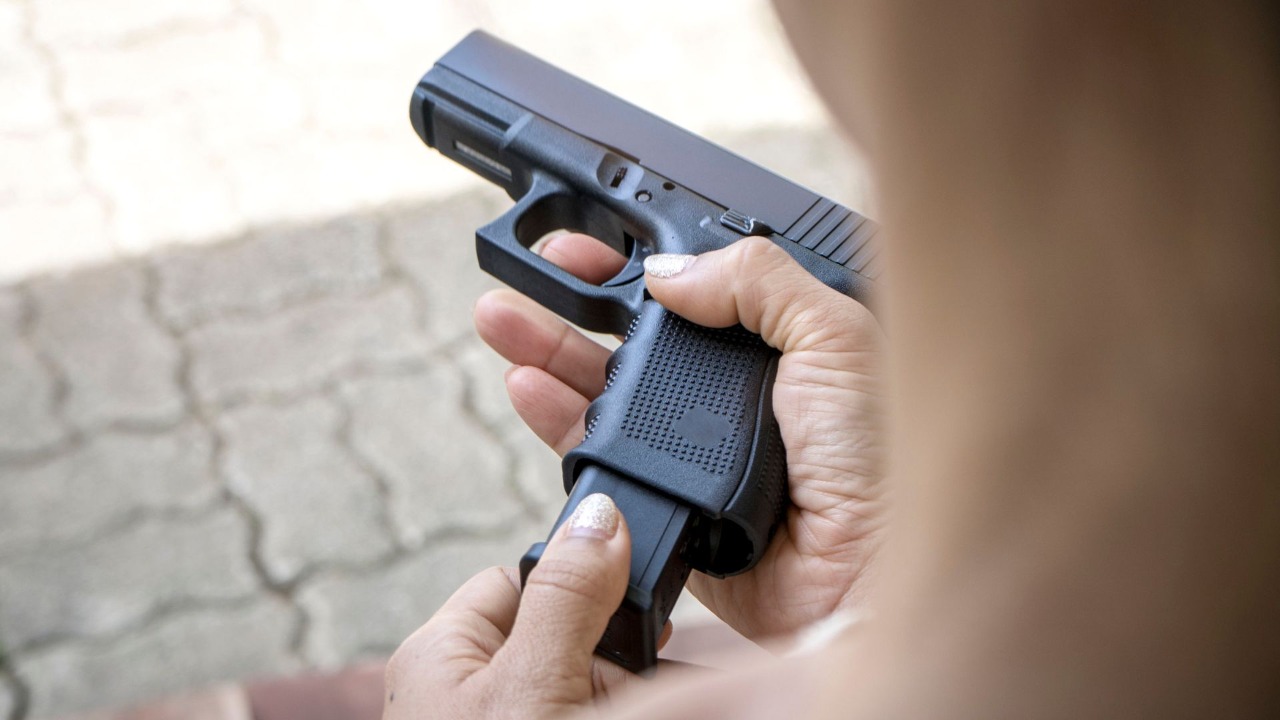
In my experience, the most reliable firearm is rarely the most expensive one, it is the one chosen with ruthless honesty about how it will be used. A gun that lives in a nightstand, rides in a truck, or spends weeks in a wet duck blind faces very different demands, and a model that excels in one role can be a liability in another. That is why any serious selection process starts with a clear statement of purpose, then works backward to size, caliber, and features that support that mission rather than distract from it.
Consumer guidance on gifting guns makes the same point in more formal language, stressing that the buyer must focus on Intended Use and explicitly urging people to Determine the recipient’s needs before they ever look at finishes or accessories. That same advice notes that Different types of firearms are engineered for specific roles, and that a mismatch between design and mission is a recipe for disappointment or danger. In practical terms, that means a compact handgun for concealed carry, a robust shotgun for close-quarters defense, or a scoped rifle for longer-range hunting, each evaluated on how well it supports the user’s real-world scenario rather than an abstract ideal.
Rifles as the workhorses of distance and versatility
When people talk about guns that can do almost anything, they are usually talking about rifles. A well-chosen rifle can manage everything from pest control on a farm to precision shots across open country, provided the shooter understands its ergonomics and ballistic limits. I see rifles as the backbone of any serious toolkit because they offer a blend of accuracy, power, and stability that other platforms struggle to match once distances stretch beyond the length of a typical room.
Technical guides emphasize that Each category of firearm has its own strengths, and rifles in particular are highlighted for their ability to engage targets from roughly ten feet out to hundreds of yards with appropriate optics and ammunition. That range of capability is not theoretical, it is the result of longer barrels, shoulder stocks, and sighting systems that stabilize the shooter and extend effective distance. In emergency planning, that is why a Purpose of the Gun analysis often concludes that a rifle is ideal for hunting and for situations where threats may appear beyond close quarters, while a shotgun may be better suited to tight indoor spaces. In practice, a mid-length 5.56 NATO carbine or a .308 Winchester bolt-action can both be “real-world” tools, but only if the owner matches them to realistic engagement distances and maintains them accordingly.
Shotguns and handguns: specialization at close range
Not every real-world problem is solved at 200 yards, and in many homes or vehicles, the most relevant distances are measured in feet, not football fields. That is where shotguns and handguns come into their own, offering compactness or spread patterns that favor quick handling over pinpoint precision. I see these platforms as specialists: devastatingly effective in their lane, but less forgiving when pushed beyond it.
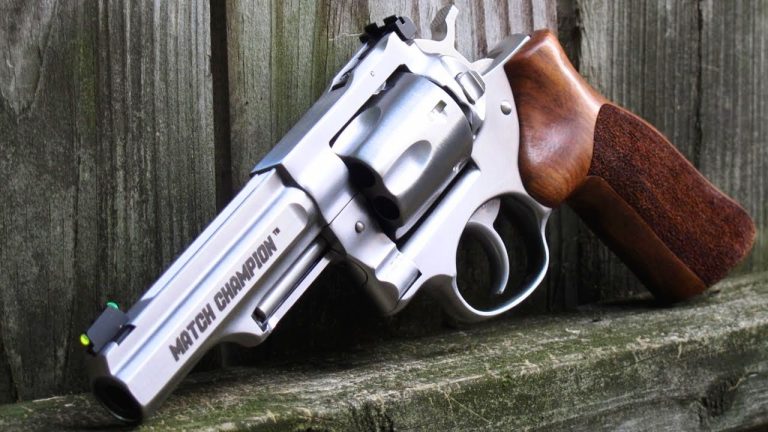
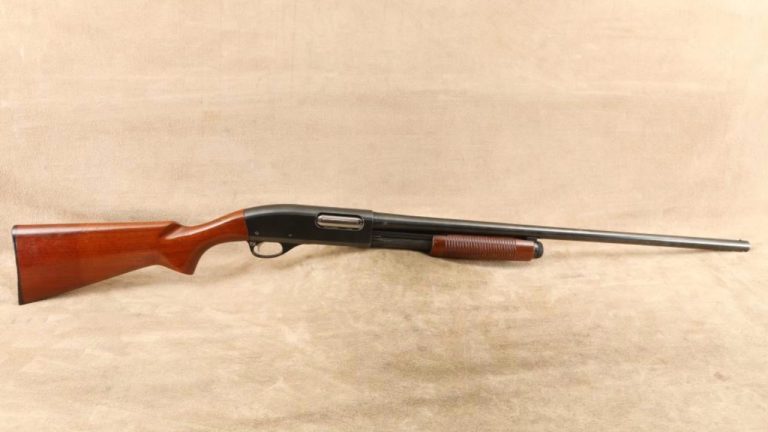
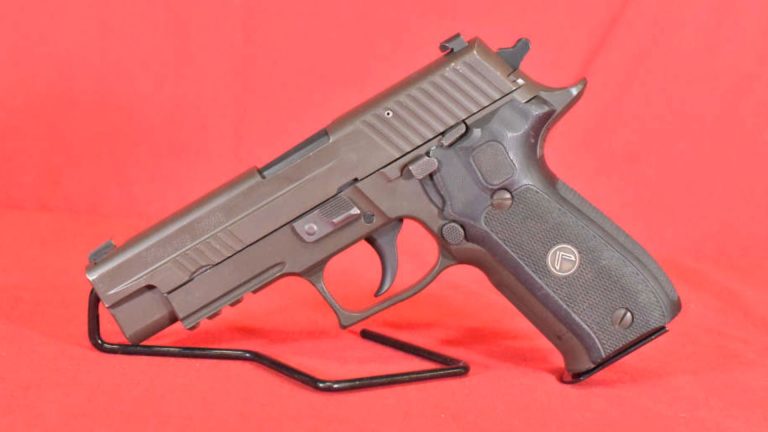
Basic hunter education materials spell out that the main differences between rifles, shotguns, and handguns lie in their barrels, intended targets, and ammunition, with smoothbore shotguns designed to throw shot patterns and rifled barrels built to stabilize single projectiles. At the same time, handgun primers remind shooters that Firearms fall into three distinct categories and that Each type serves a different purpose, with Handguns described as the smallest and most portable option. That portability is why compact pistols dominate concealed carry and why a simple pump shotgun remains a staple in rural homes, but it is also why training and ammunition selection matter so much, since short sight radius and heavy recoil can magnify user error.
Home defense and emergency roles under stress
When people talk about “real-world” use, they often mean the worst day of their lives, not a relaxed afternoon at the range. In a home invasion or natural disaster, the firearm that matters is the one a person can access, load, and run under adrenaline, possibly in the dark and with family members nearby. I put a premium on simplicity and controllability in this context, favoring platforms that are easy to secure yet quick to deploy, with controls that make sense under stress.
Home-defense guides consistently note that Type of Gun Handguns are the easiest to handle, carry, and store, which explains their popularity for protecting families and property. At the same time, emergency planners ask bluntly, Are you looking for protection or hunting, then point out that a shotgun may be better for self-defense in tight quarters while a rifle is better for putting food on the table. In practice, that means a homeowner might stage a full-size 9 mm pistol with a weapon light for indoor defense, while keeping a .22 LR rifle or 12 gauge shotgun as a secondary tool for small game or perimeter security during extended power outages.
Hunting and sport shooting: reliability in the field
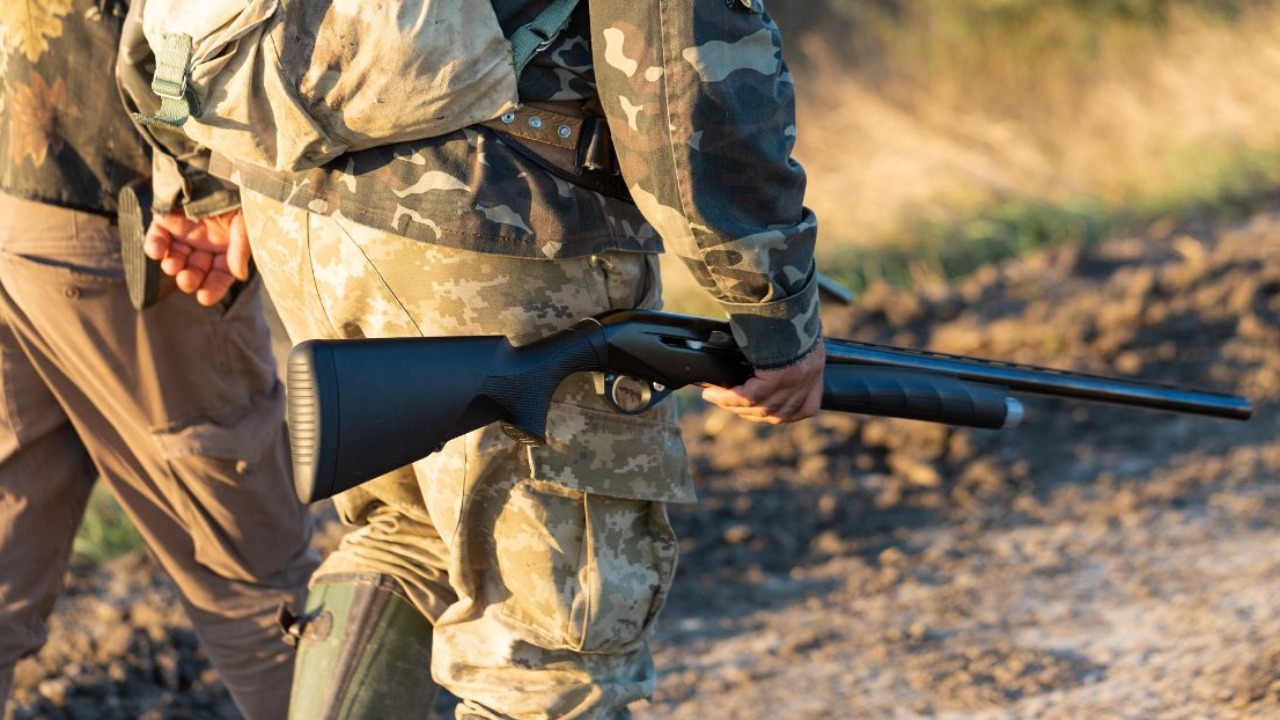
Real-world use is not limited to emergencies, it also includes the long, cold hours that define hunting seasons and the repetitive drills of competitive shooting. A gun that looks flawless on a bench can reveal its weaknesses when it is dragged through mud, exposed to rain, or fired hundreds of times in a weekend match. I look for platforms that combine mechanical reliability with ergonomics that reduce fatigue, because a missed opportunity in the field is often the result of human error amplified by poor fit or marginal design.
Hunting guidance is explicit that Hunting requires firearms that deliver reliability and power suited to varied environments and game, and that the right choice can enhance a hunter’s success and efficiency. That same analysis contrasts the needs of sport shooters, who may prioritize recoil management and magazine capacity over raw stopping power. In the field, that translates into a weather-resistant bolt-action rifle in .270 Winchester or .30-06 Springfield for big game, a 20 gauge shotgun with interchangeable chokes for upland birds, and a .22 LR pistol or carbine for small game and inexpensive practice, each chosen because it can be carried all day and still perform when a single shot matters.
Training, ranges, and the human factor
No firearm, however well designed, can handle real-world use if the person behind it is not trained and confident. The most practical guns are the ones that owners actually shoot, clean, and understand, which is why I put so much weight on how a platform behaves in structured practice. Range sessions reveal whether controls are intuitive, whether recoil is manageable, and whether the gun encourages good habits or punishes small mistakes.
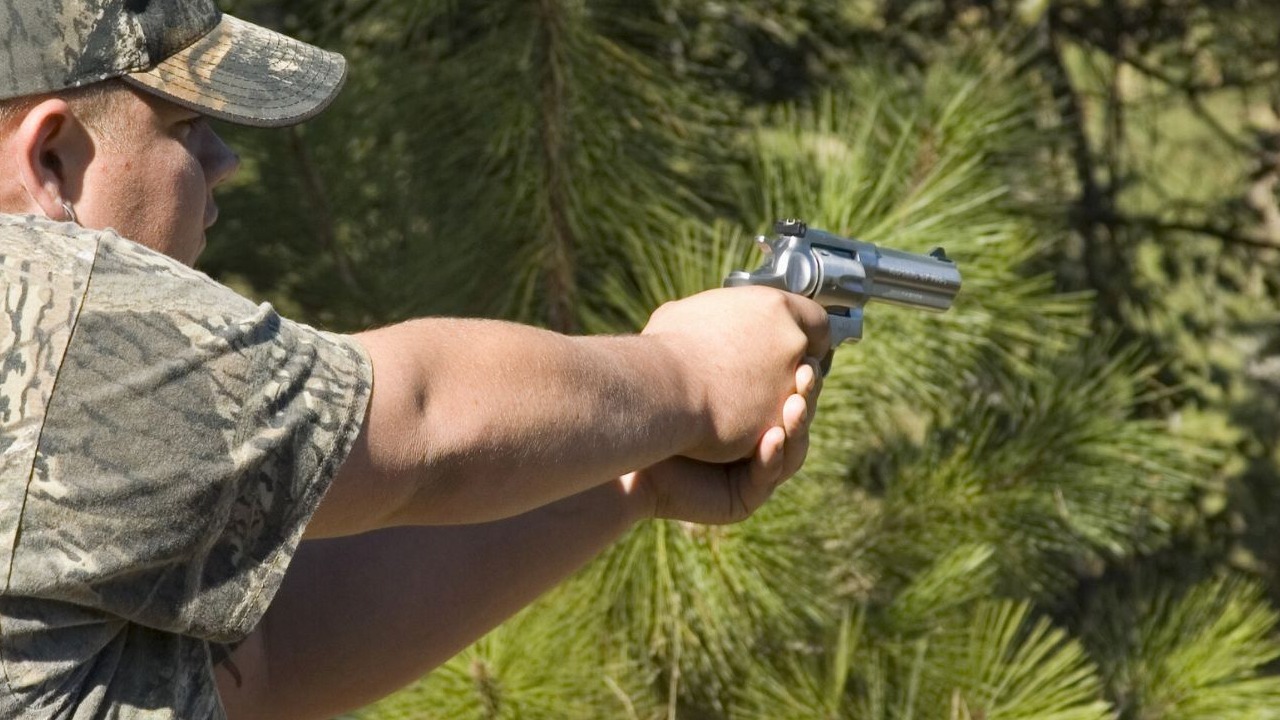
Range operators point out that Handguns Handguns are a popular choice for practice precisely because they are portable and easy to handle, and they often come with clear Recommendations for new shooters. Educational materials on firearms use also stress that Overall firearms are multifaceted tools that serve critical roles across sectors, which carries with it a responsibility to understand both their capabilities and their risks. In practical terms, that means choosing a handgun or carbine that encourages frequent range time, then building a routine of dry fire, live fire, and scenario-based drills so that safe handling becomes automatic long before any crisis.
Future-proofing: small arms trends that matter to civilians
Even for civilian shooters, the evolution of military and law-enforcement small arms shapes what ends up on store shelves. Advances in optics, materials, and ammunition filter down into commercial rifles, shotguns, and handguns, changing what “normal” performance looks like over time. I pay attention to these trends not to chase every new gadget, but to understand which innovations genuinely improve durability, accuracy, or ease of use in ordinary conditions.
Analysts of infantry weapons frame the core design problem as a simple question: The key question is: what capabilities do we need from rifles and portable machine guns, and how will that be shaped by new developments in ammunition, sighting systems, and protective gear. That same logic applies to civilian carbines and pistols, where red-dot optics, improved suppressors, and lighter alloys are making it easier to shoot accurately and carry guns for longer periods. For someone choosing a firearm today, future-proofing means selecting platforms with robust aftermarket support, modular components, and proven track records, so that as technology and training standards evolve, their core tools remain relevant rather than obsolete.

Leo’s been tracking game and tuning gear since he could stand upright. He’s sharp, driven, and knows how to keep things running when conditions turn.