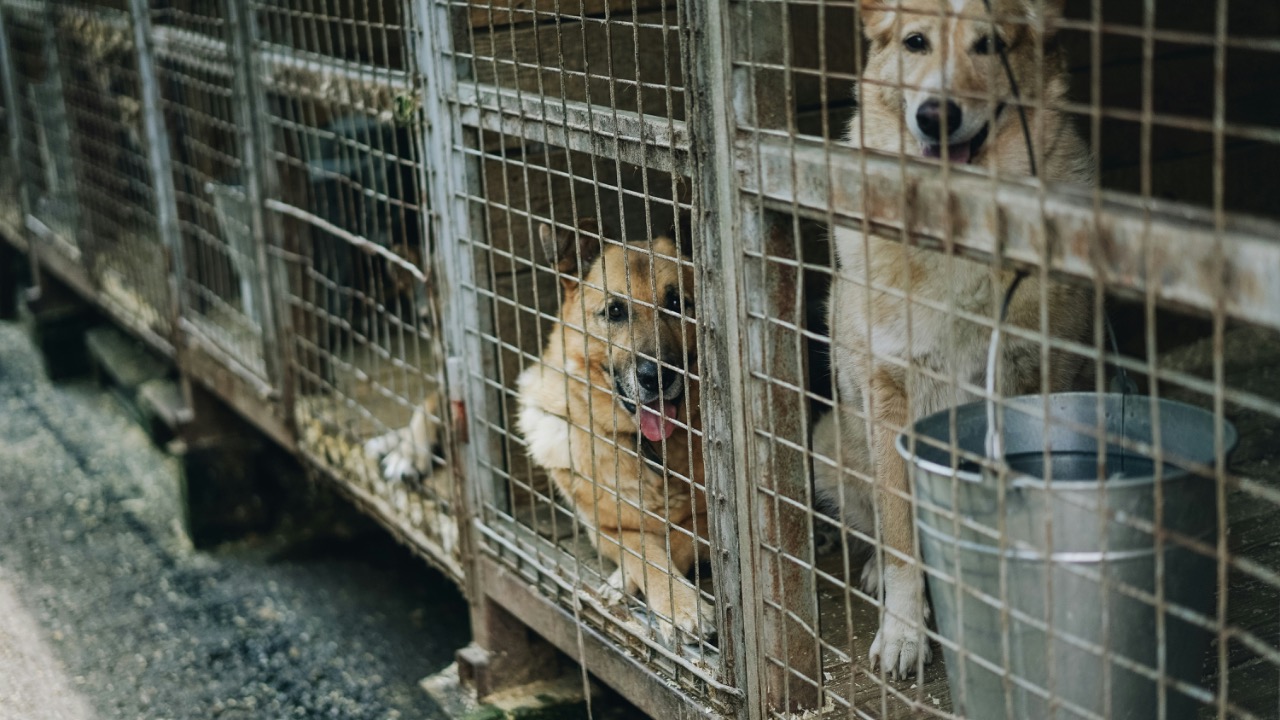
33 Animals Saved from Feces-Filled Dayton Home—Rescue Teams Provide Lifesaving Care Amid Shocking Abuse Case
In a small Dayton neighborhood, investigators entering a condemned house found more than thirty animals trapped in rooms coated in feces, with no running water and almost no light. By the time the last carrier was loaded, 33 creatures had been pulled from the filth, and a man was under arrest on animal cruelty and neglect charges. The scene has become a flashpoint for local advocates, who say the case exposes both the depths of abuse and the lifesaving role of rescue teams that step into these conditions.
The raid on a feces-filled Dayton home
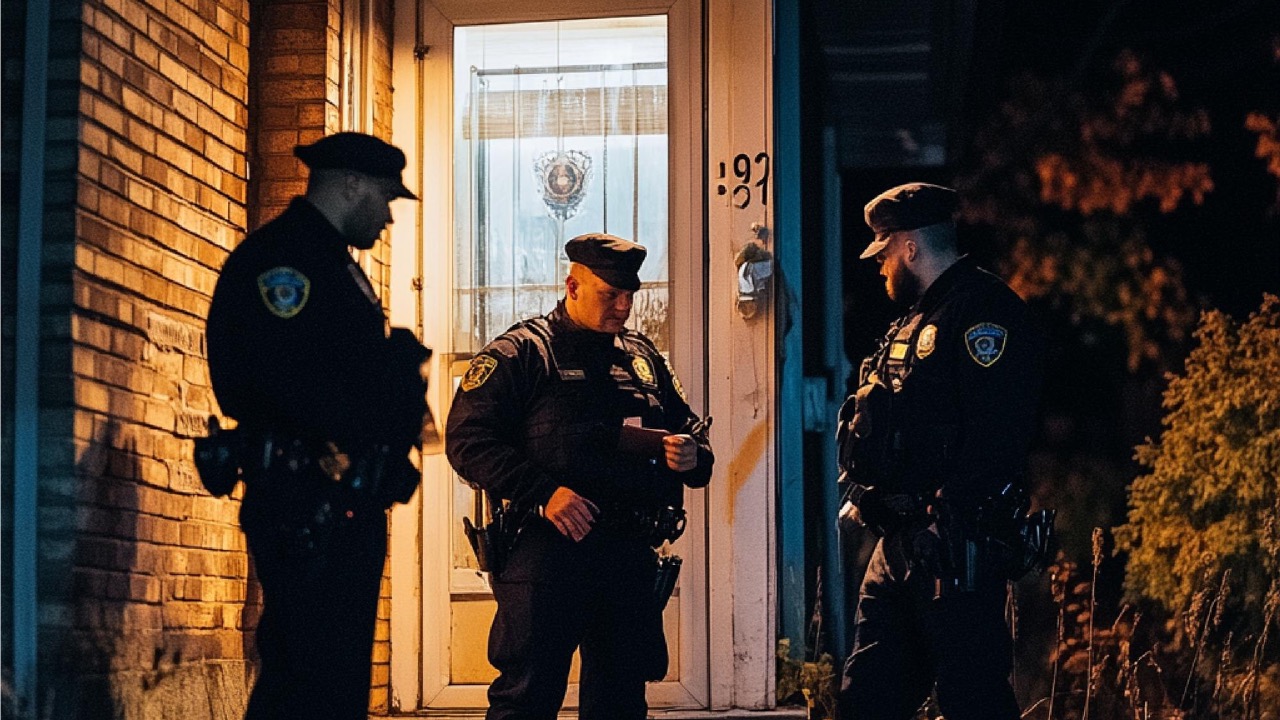
Earlier this year, humane officers and police converged on a residence in Dayton after reports that animals were being kept in extreme neglect. Inside, they found a house so contaminated that officials described layers of excrement on floors and surfaces, with trash piled near the ceiling in multiple areas and the air thick with ammonia. Humane officials have said there was no running water and that the home was filled with filth, darkness and neglect, a description later echoed in social media warnings that labeled the footage with the stark phrase VIEWER DISCRETION ADVISED.
Inside that environment, humane officers discovered that 31 cats, a dog and an opossum were confined in enclosures and rooms that had not been cleaned for a long time. Reports describe animals forced to live in their own urine and feces, with some cages so packed with waste that feces had accumulated high along the sides. In several enclosures, the buildup reached levels that made it difficult for animals to move without stepping directly into their own waste, a detail that has been cited repeatedly by investigators who walked through the house.
As officers moved room to room, they encountered animals hiding in dark corners or perched on soiled furniture to avoid the sludge on the floor. Photos and video later shared by humane officials show carriers stacked in hallways and responders in protective gear, a necessary step in a home that had become a health hazard for both animals and humans. The city of Dayton ultimately condemned the structure as unfit for occupancy, a decision that followed the discovery of extensive contamination and structural concerns tied to long-term neglect.
How rescuers pulled 33 animals from the wreckage
The Humane Society of Greater Dayton led the removal operation, coordinating with the Dayton Police Department and other local responders. By the end of the search, teams had carried out 33 animals in total, a count that included 31 cats, one dog and one opossum. Humane staff described the case as one of the most severe neglect situations they had ever encountered, with animals suffering not only from the lack of sanitation but also from inadequate food, water and medical care. In a later update, the organization emphasized that these 33 animals came from one of the most severe neglect cases it had seen and that many of the cats required immediate veterinary assessment.
Rescuers methodically documented each animal and the conditions in which it was found. Some cats were discovered in stacked wire cages, others roaming rooms where feces covered much of the floor. The dog appeared to have been confined in a small area with limited access to clean water, while the opossum had been surviving in the same toxic environment. Humane staff transported the animals to the Dayton Humane Rehabilitation Center and related facilities, where veterinary teams could begin triage.
Officials have stressed that the neglect did not happen overnight. In a detailed summary of the case, one report from 33 animals rescued from the property quoted The Humane Society of Greater Dayton as saying that the situation clearly escalated over an extended period of time. That assessment is consistent with the amount of fecal buildup, the level of trash accumulation and the physical condition of the animals, which showed signs of prolonged exposure to unsanitary conditions rather than a sudden crisis.
The suspect, the arrest and the condemned home
As the animals were removed, officers from the Dayton Police Department detained the man who had been living in the home. Reports identify him as Leibrock, and he now faces multiple charges related to animal cruelty and neglect. According to coverage that details the criminal case, Leibrock was arrested at the scene after investigators documented the conditions and interviewed those involved.
The home itself has become part of the legal record. City inspectors condemned the structure, citing the contamination, the lack of running water and the extensive damage associated with long-term hoarding and neglect. One account of the case notes that the home has been condemned by the city of Dayton and that Leibrock was arrested by the Dayton Police Department and is facing charges of animal cruelty, a sequence that has been repeated in multiple briefings and is reflected in court-focused coverage.
Local television segments on the case have described a man in custody and facing several charges, including counts tied directly to the way the animals were kept. In one video, a reporter summarizes how a local pet adoption agency recovered over 30 animals from a home with conditions so poor that officials used phrases like filth, darkness and neglect to capture what they saw. Another segment, titled with the words Filth, darkness and neglect, shows footage of the removal operation and notes that the house was located in the Five Oaks area of DAYTON, Ohio, with WKEF identifying the suspect as Gale Leibrock.
Inside one of Dayton’s “worst environmental situations”
The Humane Society CEO who spoke publicly about the case did not mince words, describing the property as one of the worst environmental situations responders had seen in a Dayton home. In an interview highlighted in coverage of the, the chief executive explained that the combination of filth, darkness and lack of ventilation created a toxic environment for animals and humans alike. The description matches what officers and reporters later documented: rooms where windows were covered or blocked, piles of trash and feces stacked high and a pervasive stench that made it difficult to breathe without protective masks.
Humane officials have said that multiple animals were being forced to live on their own urine and feces, with no clean surfaces to rest on and little opportunity to escape the contamination. In one detailed account, officials explained that in several enclosures, feces had accumulated so high that it nearly reached the tops of the cages, a sign that the animals had been left in the same dirty spaces for an extended period. That level of buildup also points to a breakdown in basic animal care, since even overwhelmed owners typically attempt some cleaning if they are still engaged with their pets.
The lack of running water compounded the problem. Without water, basic cleaning becomes impossible, and animals are left without a reliable source of hydration. Humane officers noted that bowls inside the home were often empty or filled with contaminated liquid, and that some animals appeared dehydrated. Trash and animal feces had piled up near the ceiling in multiple areas, according to a social media post that warned viewers about the graphic nature of the images and used the words VIEWER DISCRETION ADVISED to caution the public.
From living in filth to lifesaving care
Once removed from the property, the 33 animals were transported to facilities run by The Humane Society of Greater Dayton, including the Dayton Humane Rehabilitation Center. There, veterinary teams began a structured intake process that included physical exams, vaccinations, parasite treatment and behavioral assessments. A Facebook video shared by the organization explained that these 33 animals came to us from one of the most severe neglect cases we have ever seen and that many of the cats would need extended rehabilitation before they could be considered for adoption.
Initial assessments found respiratory infections, skin problems and signs of long-term stress among the cats. Some were underweight, while others showed evidence of past injuries that had not been treated. The dog and the opossum also required medical attention, with veterinarians checking for parasites, malnutrition and other conditions linked to prolonged confinement in unsanitary spaces. In one clip, staff members can be seen gently lifting frightened cats from carriers and placing them in clean enclosures with fresh bedding and water, a stark contrast to the cages coated in waste that officers had documented inside the house.
The Humane Society of Greater Dayton has experience with large scale rescues, including a prior case in which nearly 50 dogs were removed from what staff described as extremely poor and unsafe conditions. In that earlier incident, the organization said it pulled 50 dogs out of a situation where they had been kept in overcrowded and hazardous spaces, then placed them into new loving and safe foster homes. That track record has given staff a framework for responding quickly when confronted with severe neglect, and it informed the triage and placement strategy for the cats, dog and opossum rescued from the Dayton home.
Patterns of neglect and the warning signs neighbors see
Investigators have repeatedly stressed that the neglect inside the Dayton house developed over time. The Humane Society of Greater Dayton has said that this was not a sudden situation, but neglect that clearly escalated over an extended period. That pattern is common in hoarding and chronic neglect cases, where an owner may start with a small number of animals and then accumulate more without the resources or willingness to provide adequate care.
Neighbors often see early warning signs. In similar cases, residents have reported strong odors coming from a property, visible trash piling up around doors and windows, animals crying or scratching at windows and a homeowner who rarely allows anyone inside. In this Dayton case, reports describe a home that had become visibly run down, with concerns about smells and noise eventually prompting calls to authorities. Once humane officers gained entry, the internal conditions confirmed that the problem had been building for a long time.
Experts on animal hoarding point out that mental health challenges, social isolation and financial stress can all contribute to situations like the one in Dayton. However, they also emphasize that whatever the underlying causes, animals suffer directly when basic care is neglected. In the feces-filled home, the 31 cats, dog and opossum were subjected to an environment that posed serious risks of respiratory illness, skin infections and psychological trauma. The condemnation of the property by the city of Dayton underscores that the neglect had also created a public health hazard for the surrounding community.
How the case fits into a broader Ohio trend
The Dayton rescue has drawn attention across Ohio, in part because of the sheer number of animals involved and in part because of the graphic details shared by humane officials. Statewide, animal welfare organizations have seen a steady stream of neglect cases that involve large numbers of cats and dogs kept in substandard conditions. In one detailed report, The Humane Society of Greater Dayton confirmed that it had rescued 33 animals from a feces-ridden house in Ohio, specifying that the group included 31 cats, a dog and an opossum, and that the case ranked among the most severe neglect situations its staff had encountered.
Other recent rescues in Ohio have involved backyard breeders, unlicensed kennels and private homes where owners became overwhelmed. In each instance, local humane societies have worked with law enforcement to remove animals, pursue charges and seek court orders that bar offenders from owning pets in the future. The Dayton case fits that pattern, with Leibrock facing animal cruelty counts and the city moving to permanently address the property that housed the animals.
Advocates say that while the details change from case to case, the underlying issues remain similar. Animals are often confined in small spaces without proper sanitation, food or medical care. Owners may deny the severity of the situation, even when confronted with evidence of suffering. In Dayton, the combination of 33 animals, a condemned home and vivid descriptions of filth has forced a conversation about how communities can intervene earlier and support both animals and struggling owners before conditions deteriorate so dramatically.
The role of video, social media and public outrage
Public awareness of the Dayton neglect case has been shaped heavily by video and social media posts. A broadcast segment titled Heartbreaking animal neglect case in Dayton leads to 33 rescues and arrest has circulated widely, with viewers reacting strongly to footage of officers carrying animals out of the darkened home. In the report, the anchor explains that heartbreaking coverage shows Jan reporting from Dayton and that Marie McPherson, identified as the reporter, described how multiple animals were being forced to live on their own urine and feces. The clip, which can be viewed on YouTube, has helped drive donations and volunteer interest for the humane society handling the animals.
Social media posts from local outlets and the humane society have also played a central role. One widely shared Facebook post used the words VIEWER DISCRETION ADVISED in all caps, warning that images from inside the house included trash and animal feces piled near the ceiling and that there was no running water. Another post from the Dayton humane organization showed photos of the rescued cats in clean enclosures, along with a message explaining that these 33 animals came to us from one of the most severe neglect cases we have ever seen. That contrast between the horror of the home and the safety of the rehabilitation center has resonated with viewers.
Online coverage has framed the case as both a tragedy and a story of rescue. A link summarizing the situation as a heartbreaking animal neglect case in Dayton that led to 33 rescues and an arrest has been shared repeatedly, with readers focusing on the number 33 as a symbol of how many lives were at stake. One such summary can be found in coverage of the, which recounts how Jan and Marie reported on the conditions and the subsequent charges.

Asher was raised in the woods and on the water, and it shows. He’s logged more hours behind a rifle and under a heavy pack than most men twice his age.