Remote Backcountry Hunt Turns Into Rescue Operation After Distress Signal Goes Silent
Backcountry hunting carries quiet risks that don’t always show up in glossy gear catalogs or survival checklists. You can hike for miles with good boots, solid optics, and reliable navigation tools, but isolation changes everything when something goes wrong. One small injury, lost trail marker, or equipment failure can turn a planned hunt into a survival problem before you realize it.
This story started as a routine remote hunt. It turned serious when a distress signal suddenly stopped transmitting. Search teams had to treat the silence as a potential emergency. In places far from roads, communication failure can mean the difference between waiting and starting rescue operations immediately.
The Hunter Planned a Three-Day Solo Backcountry Trip
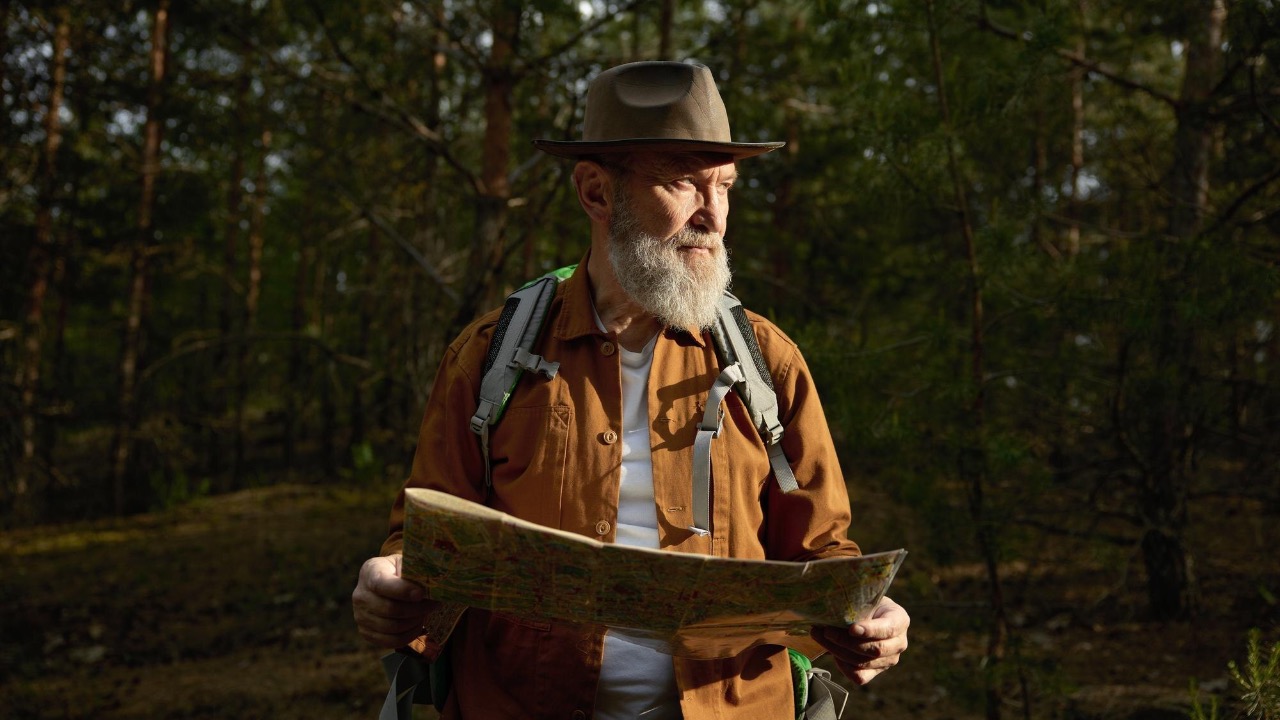
The hunter had mapped a remote ridge system known for elk movement and low human traffic. Weather forecasts looked stable, and the plan was to stay near a high-elevation basin. Solo hunts like this require careful pacing because fatigue can sneak in after long climbs carrying gear and water.
The pack included emergency signaling equipment, extra batteries, and a satellite communication device. Those devices usually provide reassurance more than anything else. When the hunter sent a routine check-in message on the second evening, nothing seemed wrong. That message would later become the last reliable communication before things went quiet.
Weather Shifted Faster Than Expected in the High Country
Mountain weather has a reputation for changing fast, especially above timberline. Afternoon clouds can build without warning, dropping temperatures and reducing visibility in minutes. What looked like stable conditions early in the trip began shifting as moisture pushed across the ridgeline.
Wind gusts made ridge walking more difficult, and light snow started falling unexpectedly. Cold weather increases risk because small injuries become serious when body temperature drops. Even experienced backcountry hunters sometimes underestimate how quickly hypothermia conditions can develop once sweat cools inside clothing layers during sudden storms.
The Distress Beacon Stopped Sending Location Updates
Search teams first noticed the problem when the satellite distress unit stopped updating coordinates. Modern emergency beacons normally send periodic location data when activated. The silence triggered concern because loss of signal can mean either device failure or physical trouble.
Technicians tried to ping the system, but there was no response. That uncertainty forces rescue coordinators to treat the situation as high risk. In remote mountain terrain, even a small search radius can take hours to cover. The lack of movement data made it harder to narrow where the hunter might have been.
Terrain Made Ground Search Difficult for Rescue Teams
The area contained steep rock faces, deep drainage channels, and scattered deadfall timber. Search-and-rescue personnel know that this kind of landscape slows movement significantly. Helicopters can help, but strong wind currents around ridgelines sometimes prevent low-altitude scanning.
Ground teams carried medical kits, climbing lines, and thermal detection equipment. Moving through loose shale and brush takes time because footing must be tested at every step. In backcountry rescues, patience matters more than speed. Rushing increases the risk of additional injuries or rescuers becoming victims of terrain hazards.
Nightfall Increased Urgency During the Search
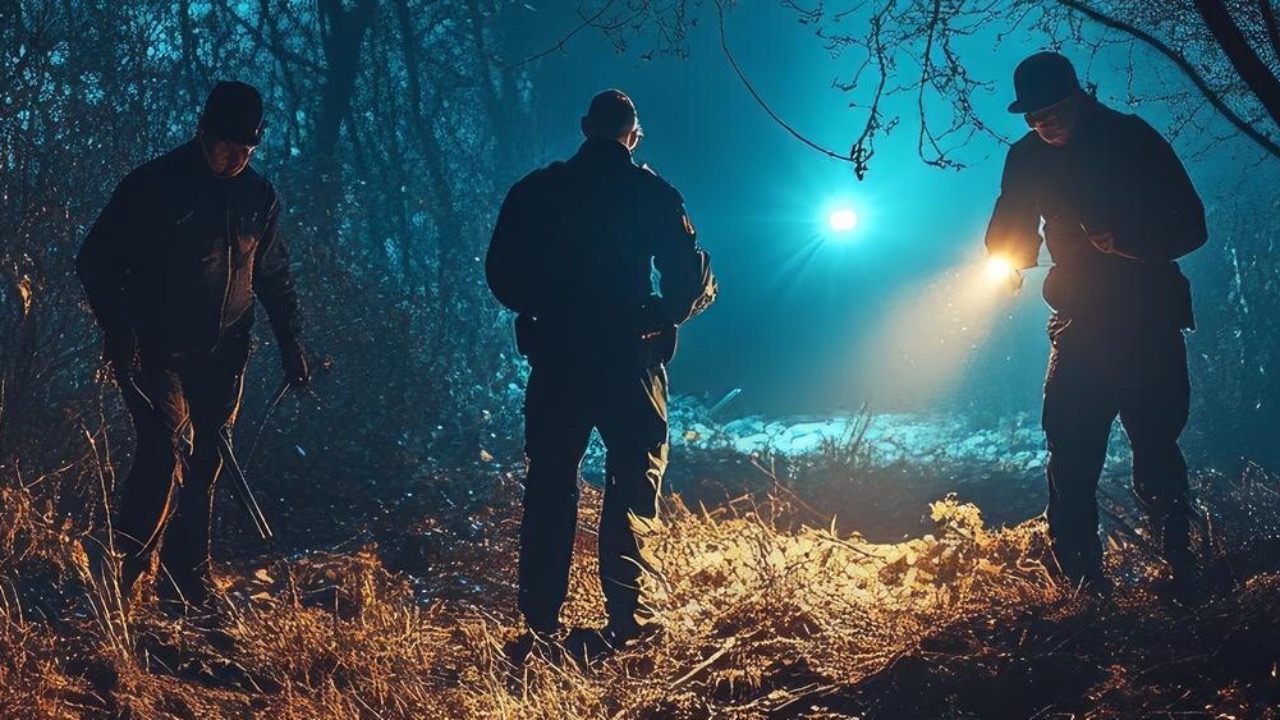
When daylight faded, rescue coordination shifted strategy. Searching in darkness is dangerous because depth perception weakens and terrain edges become harder to identify. Crews used headlamps and infrared scanning tools to continue limited movement along likely travel paths.
Cold air settled into lower valleys, raising concerns about exposure risk. Without confirmation that the hunter was sheltered or moving, medical teams prepared for worst-case scenarios. Backcountry rescue experience shows that survival odds drop once nighttime temperatures fall rapidly, especially if someone is injured and unable to build adequate shelter.
Signs of the Hunter Appeared Near an Old Game Trail
Rescue teams eventually found small but meaningful clues. Disturbed soil, broken brush, and partial boot impressions suggested recent human movement. Tracks indicated possible stumbling or slow walking rather than normal travel pace.
The trail intersected with an abandoned game route rarely used by modern hunters. These forgotten paths sometimes lead people deeper into terrain instead of toward safety. Search personnel followed the track carefully, checking rock overhangs and tree clusters where someone might rest after exhaustion or injury.
The Hunter Was Found Exhausted but Alive
Rescuers located the hunter resting against a rock formation, dehydrated but conscious. There were no life-threatening injuries, but fatigue and exposure were serious concerns. The distress device had likely suffered battery failure after the last signal transmission.
Emergency medical evaluation showed signs of mild hypothermia and muscle strain from long travel on uneven ground. The hunter was transported out by a combination of ground team assistance and aerial support once weather cleared enough for safe flight operations. The situation ended without tragedy, but it reinforced how quickly remote hunts can become rescue missions.
Lessons Backcountry Hunters Should Remember
Experienced hunters know that solitude can be dangerous when equipment fails or weather changes unexpectedly. Always carry redundant communication options, extra batteries, and physical signaling tools like mirrors or flares. Tell someone your planned route and expected return window.
Physical conditioning matters because exhaustion can turn minor terrain challenges into emergencies. Modern technology helps, but it never replaces preparation and caution. Backcountry hunting still demands old-fashioned awareness of weather, terrain, and survival basics. One silent signal is enough to remind anyone that distance from help should never be underestimated.

Asher was raised in the woods and on the water, and it shows. He’s logged more hours behind a rifle and under a heavy pack than most men twice his age.