The firearms instructors say beginners should start with
Ask a dozen firearms instructors what a nervous first-timer should pick up first, and the answers converge on a simple pattern. Start with safety, start small, and use a platform that lets new shooters focus on fundamentals instead of fighting recoil or complex controls. The debate over brands and calibers is loud, but professionals who spend their days with beginners tend to agree on what works.
Safety class before any live fire
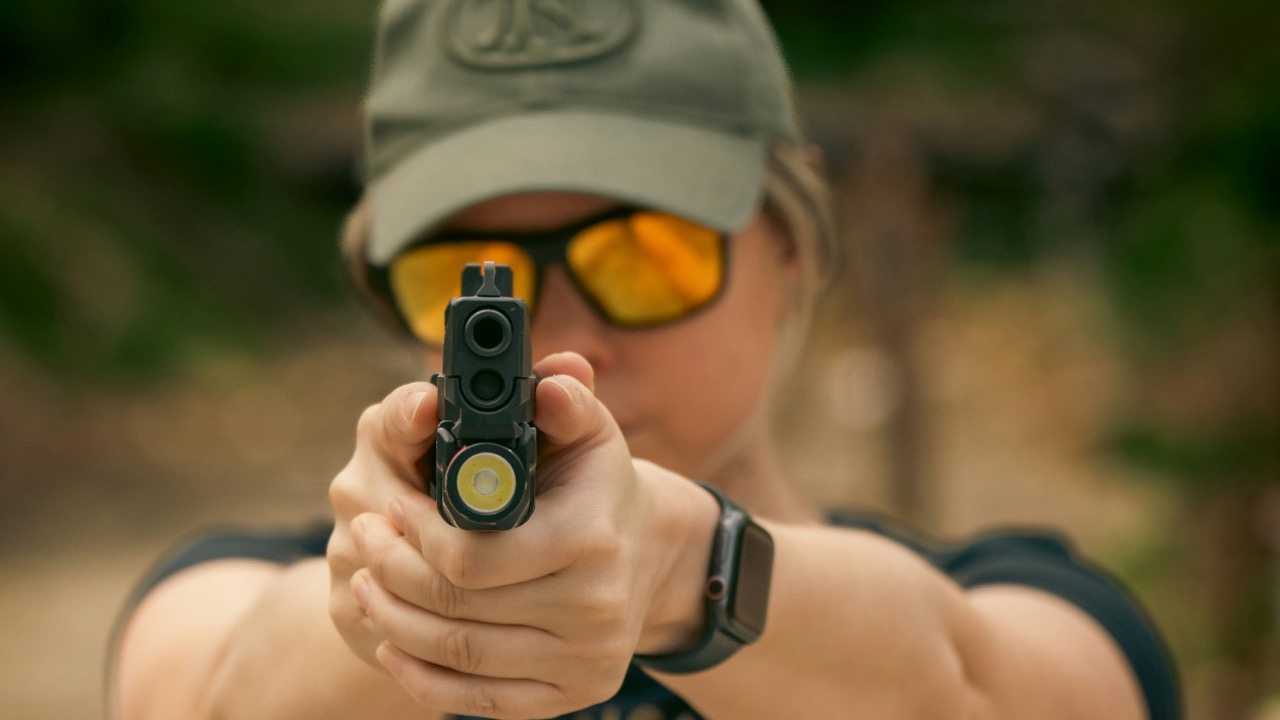
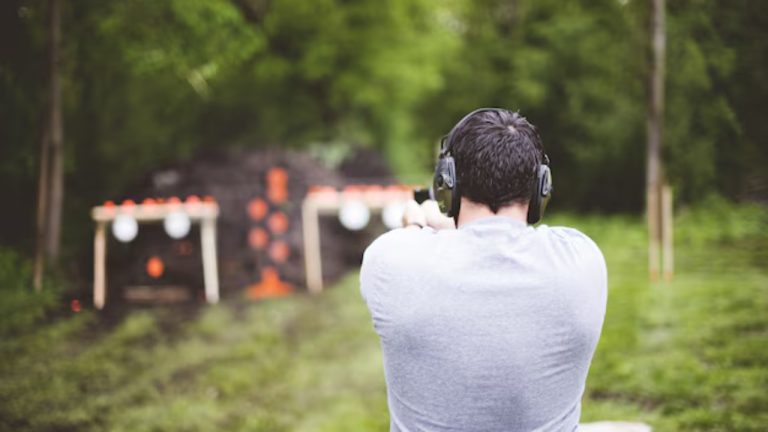
Experienced trainers consistently argue that the first step is not a particular gun but structured education. One training facility that works with first-time shooters recommends beginning with a dedicated firearms safety class before a student ever picks up a gun, stressing that early coaching helps new shooters understand how a firearm operates and gives instructors a chance to supervise their first handling in a controlled setting.
That message is echoed in online communities where new owners ask for help. In one discussion, a user posting as yobo723 told a nervous buyer to “Read the faq. Search the sub. Take a beginners course at your local range. Rent all the firearms you can before making a decision,” advice that reflects a broad consensus in the Comments Section that formal instruction and rental time should come before a purchase.
Another thread, where a poster asked whether a basic class would help them get over fear, drew similar responses. Commenters under names like zippytwd, Knowlage and Wiz urged the original poster to take things slowly, lean on an instructor, and keep “safety first,” a theme that runs through the Comments Section there.
Formal programs build on the same idea. National organizations promote structured curricula that begin with safe handling and storage long before any talk of gear. Their training arms, described on the main NRA home page, emphasize classroom time and range supervision for brand-new shooters, a model that many local ranges and instructors adopt.
The case for a .22 LR starter gun
Once a student is ready for live fire, the caliber question takes center stage. Longtime instructors who specialize in new shooters often steer people toward the .22 Long Rifle cartridge, especially in a simple handgun or light rifle. One veteran trainer writing for a national women’s program describes starting students on .22 LR specifically because of its low recoil, arguing that the gentle impulse helps them get over fear more quickly so they can concentrate on grip, sight alignment and trigger control. That same instructor lists other benefits in a piece on 5 Reasons Instructors on this caliber, including lower noise and cheaper practice.
Retailers that cater to new gun owners echo that recommendation. An Arkansas range and shop that runs classes under the banner “Best Calibers for Beginners” calls the .22 LR “widely known as the best caliber for beginners” and points to its mild recoil, low cost and suitability for target practice and youth shooters. The same guide explains why this small cartridge lets students stay on the line longer and build skills without flinching, backing up the view that a .22 is usually the most forgiving starting point for live fire, as outlined in its Best Calibers for advice.
Instructors who run rifle classes often put that theory into practice with specific models. One training company reports that in its rifle courses it issues Ruger 10/22 rifles chambered in .22 LR, a choice that reflects how common that platform has become as a teaching tool for first-timers.
Why instructors like rifles for the very first shots
Caliber is only part of the story. Many trainers also have strong views about whether a student’s first live shots should be with a rifle or a handgun. On a popular question-and-answer site, Jaques Figaro, who is listed as a Certified expert marksman and weapons history enthusiast and is described as an Author with 3.2K answers and 5.6M answer views, recommends that complete novices start with a long gun. In his response on gun training regime, he points out that a rifle’s longer sight radius and multiple points of contact with the body make it easier for new shooters to control.
Another contributor, Charles Carpenter, identified as a Former Retired Mechanical Designer, Engineer, Automotive, gives similar advice in a separate discussion about training order. He writes that instructors should always begin a young shooter with a rifle, then progress to handguns and shotguns so that the safety habits and basic marksmanship skills carry over and are reinforced across platforms, a sequence he outlines in his answer on training order.
Other trainers are more flexible. Melodie Van Camp, credited as Cabin in the Woods by the River Author with 286 answers, argues that there is no single correct starting platform for every person. In her response on whether to start, she stresses that the only universal rule is that training must begin with SAFETY, and that the student should still have fun so they want to keep learning.
Handguns, fear and the .22 compromise
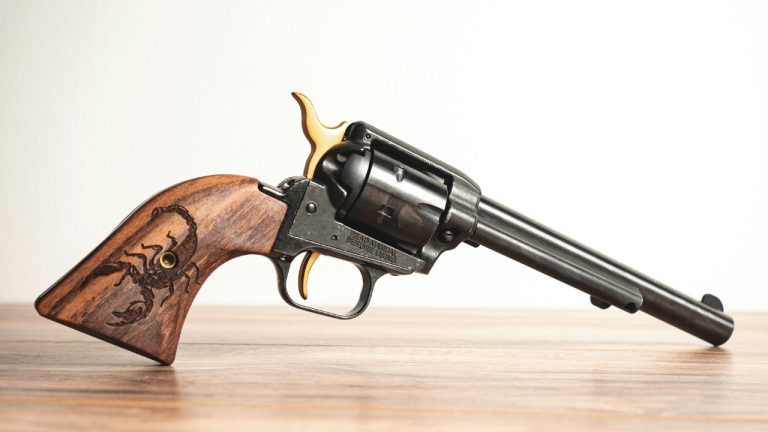
For many new owners, the first firearm will be a handgun intended for home defense or concealed carry, which complicates the “start with a rifle” advice. Instructors who work with these students often split the difference by recommending a .22 caliber handgun for early training, even if the long-term plan involves a centerfire pistol.
One answer to a question from a person who had never fired a handgun suggests that they begin with a Basic Handgun or Safety class at a local range, then consider a .22 pistol to learn trigger control before moving to a larger caliber. The same response highlights that most states also offer a hunter safety course that can reinforce safe handling in a lower-pressure environment, advice that appears in the discussion of what handgun to.
Online communities that lean more tactical still echo the “start small” message. In a thread titled “I’m a complete beginner and want to get into guns. What’s 1st,” one highly upvoted reply labeled Best answer pushes back against the reflex to tell every newcomer to buy a Glock or a CZ. The commenter writes that everyone will say get a Glock, but insists that a student will not know what fits until they have rented and shot several options under supervision, a point made in the discussion on what’s first.
Classes that beginners actually take
Beyond caliber and platform, instructors spend considerable time steering beginners toward the right type of class. A guide aimed at new shooters lays out steps that students can take to prepare for firearm training, from reading up on local laws to scheduling basic medical and automated external defibrillator classes so they are better prepared for emergencies. That same resource, in a section introduced with the word But, lists “Here are some common questions new students ask,” which often revolve around what to bring and what to expect on day one, as described in the Steps to Prepare guide.
Another safety-focused overview aimed at beginners points readers toward local courses, including the NRA Basic Pistol Course, which covers safe firearm handling and shooting basics with hands-on practice. That program, described in a primer on firearm safety for, has become a template for many local ranges that want a structured path from classroom to live fire.
On the other side of the political spectrum, a user in a community for left-leaning gun owners asked “I’m a total beginner. How should I start,” and the top reply in the Comments Section recommended that they start with a beginner’s intro to handgun class, maybe four hours in a single session, to break through anxiety and build a foundation before moving to rifles or shotguns. The same commenter urged the poster to Google intro gun classes and study local and state laws, advice that appears in the thread archived at how should I.

Leo’s been tracking game and tuning gear since he could stand upright. He’s sharp, driven, and knows how to keep things running when conditions turn.