Five mistakes new concealed carriers make in their first year
Carrying a concealed handgun changes how a person moves through the world. The first year is often the most hazardous, not because of criminals, but because new carriers are still building habits, judgment, and skills. The difference between a quiet, uneventful day and a life-altering mistake usually comes down to avoiding a small set of predictable errors.
Trainers who work with new carriers see the same patterns over and over: poor gear choices, overconfidence without practice, gaps in legal knowledge, weak situational awareness, and a mindset that treats the gun as a lucky charm instead of a responsibility. Each of these can be fixed with deliberate effort long before they show up in a crisis.
Mistake 1: Treating the gun as a substitute for training
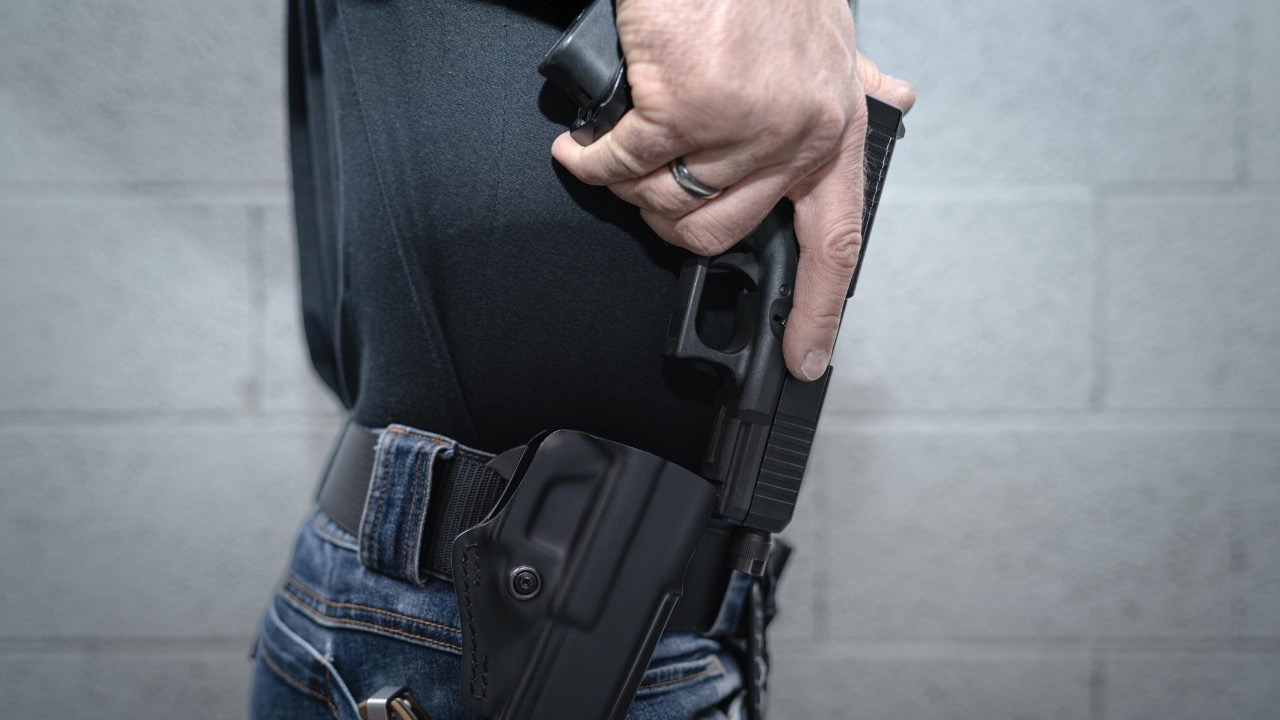
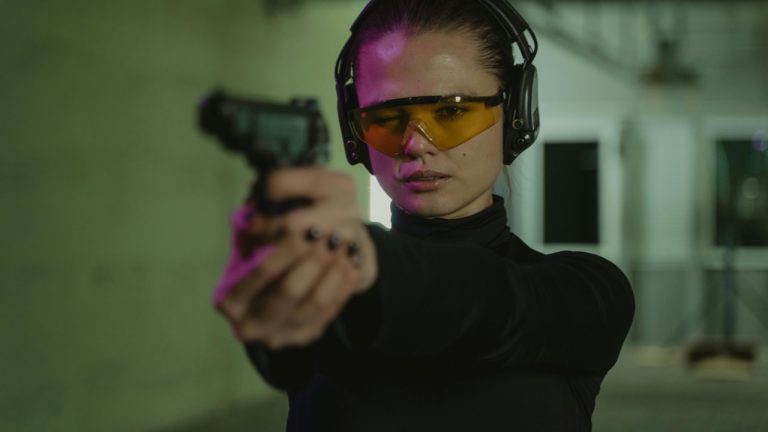
Many new permit holders walk out of their class believing they are ready for anything. In reality, instructors describe a recurring problem of Overconfidence Without Practice, where someone passes a basic course and then assumes that box is checked for life. The class may have covered safety rules and a few strings of fire, but real defensive skill demands repetition and feedback that a one-time session cannot provide.
Several trainers warn that new carriers often have Having Enough Training on their list of early missteps. Mandatory state classes are designed around minimum standards, not high performance under stress. A carrier who has never practiced drawing from concealment, shooting from awkward positions, or making decisions with a timer is relying on hope instead of preparation.
Video instructors who carry daily in places like Utah describe how real-world practice changes their approach to risk. One trainer who lives in Utah and spends time on a 320 acre property talks about how regular drills on that land exposed flaws in his gear and technique that would never have surfaced in a static indoor lane. The lesson is not that everyone needs a private range, but that live practice reveals weaknesses long before a criminal does.
New carriers also underestimate how quickly skills fade. Dry fire at home, structured range sessions, and periodic professional coaching help keep fundamentals sharp. Without that, the first year often ends with a gun that rides on the hip but a skill set that is stuck at the level of the licensing exam.
Mistake 2: Choosing bad gear, especially the holster
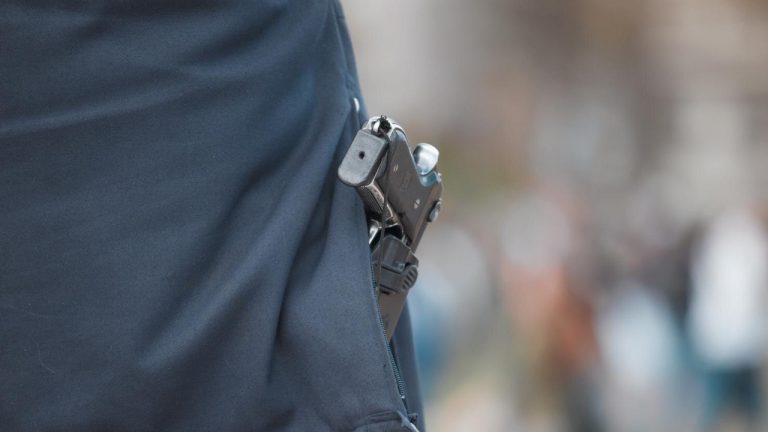
Gear mistakes are some of the most visible errors among new carriers, and they often start with the holster. A detailed guide on Common Mistakes lists a Bad Holster or Wrong Holster choice at the top of the problem set. New carriers gravitate to whatever is cheapest or most heavily marketed, rather than what actually secures the firearm, protects the trigger, and supports a safe draw.
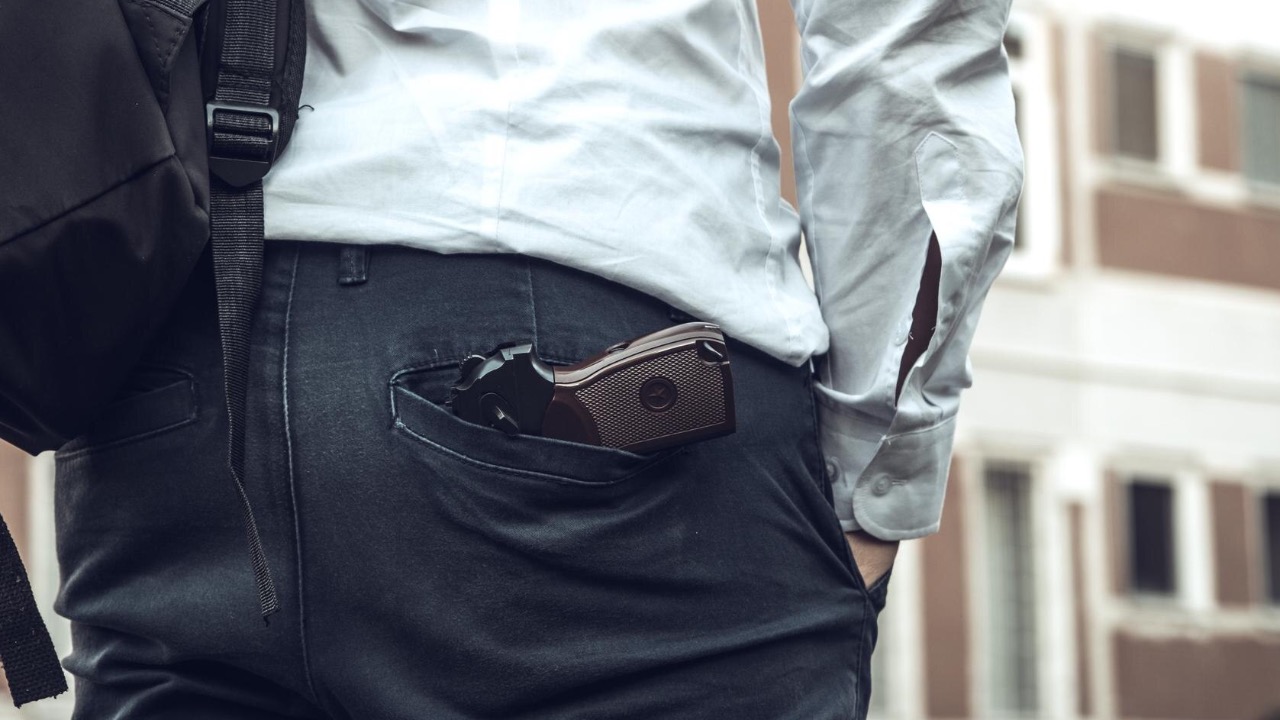
Soft nylon pouches, flimsy clips, and generic one-size-fits-many designs are frequent culprits. Instructors who focus on holster selection describe how soft materials that can lose retention, collapse when the gun is drawn, or even bunch into the trigger guard when reholstering. That mix of poor retention and obstructed access is exactly what a defensive carrier does not want.
Other trainers break down the danger of Using a Craptastic, a blunt phrase that captures the risk of bargain-bin rigs that shift, print, or expose the trigger. Their advice is consistent: a quality holster should fully cover the trigger, hold the gun securely through daily movement, and allow a full firing grip during the draw. Kydex and similar rigid materials are often recommended because they keep their shape and provide predictable retention.
Similar warnings appear in discussions of belts. Some guides emphasize a Proper Gun Belt combination, noting that a thin dress belt or fashion belt cannot support the weight of a loaded handgun. When the belt sags, the holster shifts and the grip angle changes, which slows the draw and increases printing.
New carriers also make mistakes when choosing alternative mounting systems. Some products that clip directly to the slide or frame are marketed as minimalist solutions. Guidance on Choosing the Wrong and why some carriers prefer belt clips stresses that any setup must still protect the trigger and maintain consistent orientation during movement, running, or even falling.
Several instructors who answer questions from new gun owners highlight Choosing cheap, generic, holsters as a recurring error. They recommend model-specific designs that match the gun and carry position instead of universal sleeves that promise to fit everything and excel at nothing.
Mistake 3: Carrying without a clear legal and mental framework
Technical skill and quality gear do not matter if a carrier has no idea when the law allows them to draw or fire. Several instructors who write about deadly mistakes place Number One on their list as Carrying a concealed pistol when the person is not prepared for the responsibility. That responsibility is not just about hitting a target, but about understanding the legal standards for lethal force, the duty to retreat where it exists, and the potential civil fallout after a shooting.
In some training programs, students are encouraged to study state law through official channels such as the chcl instructor listings and related state resources. Those materials help clarify where carry is prohibited, how reciprocity works when traveling, and what conditions must be met before a claim of self defense is likely to stand.
Experienced carriers also emphasize the mental side of the equation. A defensive handgun is not a conflict starter or a tool for winning arguments. Trainers who discuss Buying a gun and then coasting on that decision warn that complacency can creep in over time. They urge carriers to periodically recommit to safe handling, legal study, and scenario planning, instead of assuming that a permit in the wallet equals permanent readiness.
Mindset also includes the willingness to walk away. Several instructors describe how a handgun should make a person harder to victimize, not more eager to confront. That means avoiding ego-driven conflicts in parking lots, bars, or on the road, and treating every dispute as something to de-escalate or leave rather than a chance to prove a point.
Mistake 4: Ignoring practice, especially the draw from concealment
Skill gaps often show up most clearly in the draw stroke. One video aimed at new carriers in Feb stresses that need to defend and those you love, and identifies as a core mistake the habit of carrying but never practicing from actual concealment. Shooting well from an open holster on a range is very different from clearing a cover garment under pressure while moving and thinking.
Several gear-focused guides point out that Wearing Inappropriate clothing or failing to plan around the draw can sabotage performance. Tight jackets that snag, shirts that cling to the grip, or layers that require multiple motions to clear all add time and complexity. Effective carriers test their wardrobe with unloaded draw practice to confirm that they can access the gun from standing, seated in a car, or belted into an airplane seat.
Other trainers catalog mistakes like Adjusting Their Holster in public, which both signals that a gun is present and suggests that the holster and belt combination is not properly fitted. Fidgeting with gear also interrupts situational awareness and can draw unwanted attention in crowded spaces.
Dry practice is a low cost way to close these gaps. Carriers can unload in a safe room, triple check the firearm, and then rehearse drawing, presenting, and reholstering with focus on economy of motion. Timers on smartphones or shot timers like the Pocket Pro II can add a stress component without live fire. The goal is not speed at any cost, but smooth, repeatable motions that hold up when adrenaline spikes.
Instructors caution that practice should include more than perfect scenarios. That means working from under a zipped hoodie, from behind a seatbelt in a 2018 Honda Civic, or while holding a grocery bag in the support hand. The first year is the ideal time to build those skills before bad habits harden.
Mistake 5: Neglecting situational awareness and everyday readiness
Many new carriers focus intensely on the gun and forget the environment. Training materials on Situational Awarenessdescribe it as a habit of noticing who is nearby, what exits exist, and what personal limitations might affect a response. That includes recognizing when fatigue, injury, or distraction makes a person less able to respond effectively and adjusting behavior accordingly.
Other guides aimed at new license holders highlight Lack of Situational as a skill that is often overlooked. Carriers who stare at phones while walking to cars, sit with their backs to doors in restaurants, or pump gas with headphones in are giving up the early warning that could let them avoid danger entirely.
Readiness also extends beyond the gun. A detailed list of Having Medical Training among other mistakes points out that many carriers have no idea how to treat gunshot wounds, severe bleeding, or other trauma. A small individual first aid kit with a tourniquet, pressure bandage, and gloves, combined with a basic trauma course, can save lives in situations where a firearm is never drawn.
Some instructors also emphasize discretion. Advice on early setups warns that Dont use a crappy holster and that Kydex and full trigger coverage matter, but they also stress that a concealed carrier does not want anyone to know a firearm is present. That means avoiding constant printing checks, keeping cover garments in place, and skipping social media posts that advertise carry habits or specific gear.
Finally, awareness includes understanding the local training and support ecosystem. Some carriers connect with regional programs through platforms such as nwacarry or instructor communities linked from pages like facebook.com. Those networks can provide ongoing classes, scenario-based drills, and peer feedback that help maintain awareness and sharpen decision making beyond the initial permit course.
Turning the first year into a foundation, not a liability
Experienced trainers often say that the gun is the least interesting part of concealed carry. The real work happens in the choices that surround it: how often a person trains, what gear they trust, how they interpret the law, and how they move through public spaces. Lists of Most Common Concealed or longer breakdowns of 70+ Concealed Carry all circle the same theme: careless habits, not rare threats, cause most problems.
New carriers who recognize that pattern early can flip the script. Instead of seeing the first year as a risky learning curve, they can treat it as a structured apprenticeship. That means scheduling follow up classes, investing in a holster and belt that pass the test of daily wear, studying state and local law until it is second nature, and building situational awareness into every errand and commute.

Leo’s been tracking game and tuning gear since he could stand upright. He’s sharp, driven, and knows how to keep things running when conditions turn.